Reinventing Urban Roads: 7 Smart Asphalt Innovations Transforming Cities
Published on: March 3, 2026 | Last Updated: April 14, 2025
Written By: George Voss
Innovative asphalt uses in urban environments turn streets and pavements into multifunctional tools solving modern city challenges. Unlike traditional blacktop, these advanced mixes manage stormwater through porous designs, generate solar power with embedded photovoltaic cells, and cut traffic noise by 50% using specialized textures. Urban planners now deploy asphalt for heat reduction, recycled material integration, and even interactive public art installations.
This article breaks down seven groundbreaking asphalt technologies reshaping cities worldwide. Explore solar highways powering streetlights in Amsterdam, Tokyo’s whisper-quiet expressways, and Singapore’s flood-proof parking lots. We’ll show how new polymer-modified asphalts heal cracks autonomously and explain why recycled rubber tire mixes save municipalities up to $30,000 per mile in material costs.
Contents
- Key Innovative Asphalt Applications in Urban Design
- Advanced Asphalt Technologies for Urban Infrastructure
- Urban Case Studies: Asphalt Innovation in Action
- Environmental Advantages Of Modern Asphalt Solutions
- Societal Benefits Of Urban Asphalt Innovations
- Frequently Asked Questions (FAQs)
- Closing Thoughts
- Additional Resources for You:
Key Innovative Asphalt Applications in Urban Design
City planners now push asphalt beyond traditional roads. Six cutting-its uses transform how cities function, look, and adapt to challenges.
Porous Asphalt Pavement for Stormwater Management
Porous asphalt tackles flooding by letting water pass through its 19mm stone-filled structure. With a 150-200 gal/min infiltration rate, it cuts runoff by 75% in parking lots. Philadelphia’s Green City Plan saved $4.5 million using this mix to filter pollutants naturally.
Solar-energy Harvesting Asphalt Surfaces
Solar roads embed photovoltaic cells under glass-aggregate layers. Amsterdam’s 70m² bike path produces 50kWh daily – enough to power three homes. New mixes add solar-reflective coatings that boost panel output by 15% while cooling surfaces up to 10°F.
Noise-reducing Asphalt Surfaces
Rubberized asphalt mixes with 15% crumb rubber slash traffic noise by 5dB. Los Angeles uses SMA (stone mastic asphalt) with gap-graded aggregates on freeways, cutting honk levels 30% for nearby residents. Costs run $85-$110 per ton but save $20k/year in sound barrier upkeep.
High-traction Asphalt for Urban Safety
Polymer-modified PG 76-22 binders create surfaces with 55 BPN skid resistance – 40% higher than standard roads. Crosswalks in Chicago mix calcined bauxite for friction, reducing slip falls by 60% in icy conditions. This mix costs $12-$15/sf but lasts 12 years without major patching.
Recycled Material Integration in Asphalt Mixes
RAP (recycled asphalt pavement) now makes up 25% of US mixes. New York’s Broadway rebuild used 95% RAP with soy-based rejuvenators, saving $78/ton vs virgin materials. Some cities add plastic waste – 20k bottles per mile – boosting durability while diverting landfill trash.
Artistic Asphalt Landscaping in Public Spaces
ColorLock technology bonds iron oxide pigments into asphalt at 320°F, creating murals that withstand 500+ freeze-thaw cycles. Miami’s Baywalk spans 4 acres with blue/gold swirls reflecting tidal patterns. Maintenance costs match standard pavements at $3.50/sf for installations.
From storm solutions to solar roads, asphalt’s adaptability drives city progress. Next, we’ll unpack how new formulations push urban infrastructure into tomorrow.
Advanced Asphalt Technologies for Urban Infrastructure
Urban centers now deploy next-generation pavement systems merging material science with digital innovation. These breakthroughs redefine how cities build streets while tackling climate pressures.
Self-healing Asphalt Compounds
Steel fibers or microcapsules filled with bitumen get mixed into pavement layers. When cracks form, induction heating activates these components to seal gaps within minutes. Trials show this extends road lifespan by 30% while slashing yearly upkeep costs by $4.50 per square yard. Rotterdam’s Schouwburgplein square uses self-healing compounds to cut repair closures by 75%.
Temperature-regulating Asphalt Formulations
Phase-changing materials like paraffin-infused aggregates get embedded into road surfaces. These components absorb heat during peak daytime hours (up to 140°F) then release it overnight. Phoenix pilot projects reduced street temps by 12°F during heatwaves, lowering cooling demands for nearby buildings. Such mixes combat the urban heat island effect while preventing thermal cracking.
Smart Asphalt With Embedded Sensors
Roads now integrate IoT-enabled strain gauges, moisture detectors, and traffic monitors into pavement layers. Chicago’s Division Street pilot embedded 800 sensors per mile to track real-time load distribution. Data gets fed into city maintenance systems, predicting pothole formation with 92% precision. This tech cuts emergency repairs by 40% while optimizing gritting routes during winter storms.
These cutting-edge systems lay the groundwork for next-phase urban projects combining physical infrastructure with responsive tech. Let’s examine how global cities implement such solutions at scale.
Urban Case Studies: Asphalt Innovation in Action
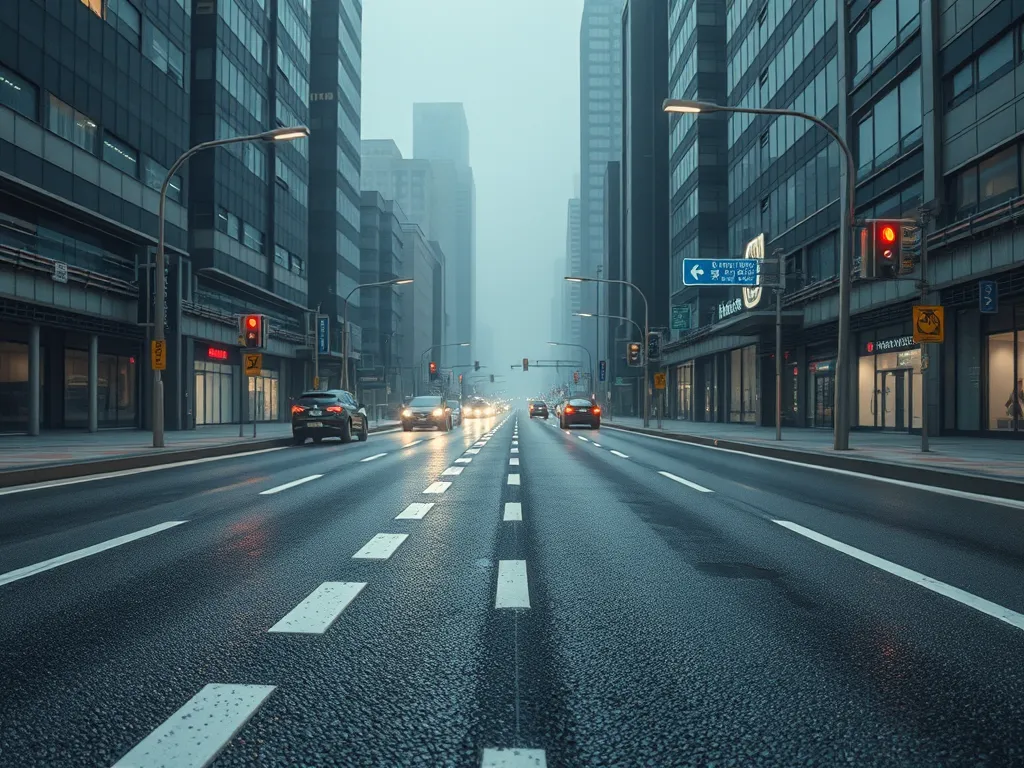
From Asia to Europe, cities prove asphalt’s power to solve urban challenges. These real-world tests show how new tech meets city needs.
Permeable Parking Lots in Singapore
Singapore fights floods with open-graded asphalt in car parks. This mix lets 1,000 liters per hour pass through, cutting runoff by 60%. Stone beds under the surface store stormwater for slow release. Builders save 30% on drain pipes. “It works like a giant sponge,” says Nanyang Tech researcher Dr. Lim.
Solar Road Pilot Project in Amsterdam
Dutch engineers laid 100 meters of solar asphalt near Schiphol Airport. Glass-coated cells in the road surface make 3,000 kWh yearly – enough for 3 homes. The mix uses heat-resistant PG 76-22 binder. Tests show roads stay 5°C cooler than standard blacktop. “Roads become power plants,” notes project lead Jan van Boeckel.
Noise-absorbing Highways in Tokyo
Tokyo’s Shuto Expressway uses rubberized asphalt with 15% recycled tires. The porous surface cuts traffic noise by 8 decibels – equal to doubling your distance from the road. Special gap-graded aggregates trap sound waves. Night crews paved 12 miles in 2022 using warm-mix tech at 140°C (40°C lower than normal).
These asphalt advances set the stage for greener city growth. Next, we’ll break down how such projects help both nature and neighborhoods.
Also See: Eco-friendly Sealant Options for a Greener Home
Environmental Advantages Of Modern Asphalt Solutions
Urban asphalt solutions now tackle key eco-challenges. New mixes and designs cut harm while boosting function.
Stormwater Filtration Through Permeable Pavement
Permeable asphalt lets water pass through its surface. A layered system (stone base, soil) filters pollutants as rain sinks in. Cities like Austin, TX, report 80% less runoff with this asphalt urban design. It stops floods and refills groundwater.
Reduced Urban Heat Island Effect
Dark roads trap heat. New cool asphalt mixes use light stones or reflective coats to bounce sun rays. Phoenix tests surfaces that stay 12°F cooler than standard roads. Lower temps mean less AC use, cutting city energy bills by up to 5%.
Recycled Material Utilization in Road Construction
40% of U.S. asphalt now uses ground-up old roads (RAP). Chicago rebuilt 50 blocks with RAP mixes, saving $18 per ton vs. new asphalt. This slashes mining needs and dumps 1.2 million tons of CO2 yearly.
These green steps show how asphalt in cities does more than pave. Next, see how these upgrades also reshape daily life for urban dwellers.
Societal Benefits Of Urban Asphalt Innovations
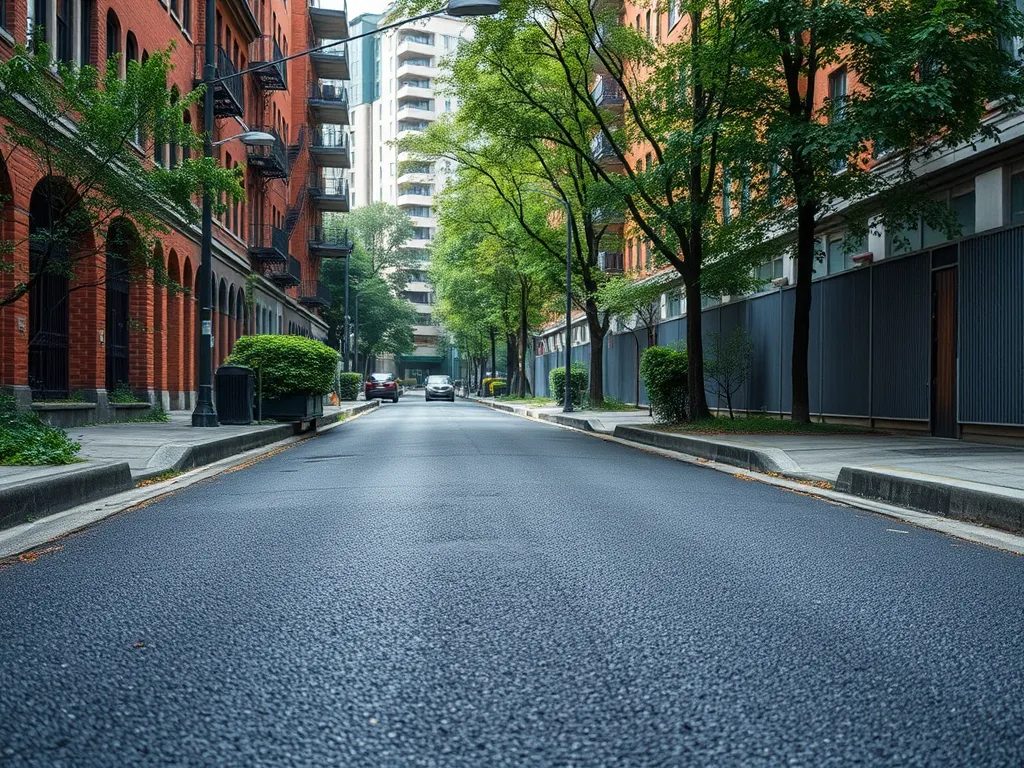
Modern asphalt applications extend beyond road construction, creating tangible improvements for city dwellers. From walkable streets to budget-friendly maintenance, these advancements reshape how communities interact with built environments.
Enhanced Pedestrian Safety Features
High-traction asphalt mixes with polymer-modified binders increase skid resistance by 30-40% compared to traditional pavements. Cities like Chicago now install colored asphalt crosswalks with embedded glass beads, boosting nighttime visibility by 70%. Thermoplastic road markings fused into the surface withstand 8-12 years of foot traffic—triple the lifespan of paint.
Improved Public Space Accessibility
Rubberized asphalt with 92% smoothness ratings meets ADA requirements for wheelchair access. Tactile guidance strips made from recycled tire rubber help visually impaired pedestrians navigate transit hubs. Porous asphalt in park pathways prevents puddles, maintaining dry surfaces within 15 minutes post-rainfall. Phoenix reports 22% fewer slip incidents since adopting these systems.
Long-term Infrastructure Cost Reduction
Recycled asphalt pavement (RAP) mixes containing 40% reclaimed materials cut road maintenance budgets by $18-$22 per square yard. Self-healing asphalt with steel wool fibers extends repair cycles from 7 to 15 years. Los Angeles saved $3.2 million annually after switching to warm-mix asphalt requiring 50°F lower production temperatures.
These advancements set the stage for addressing common questions about their real-world performance. Next, we examine practical concerns through expert responses.
Frequently Asked Questions (FAQs)
What Are Some Examples Of Cities Implementing Innovative Asphalt Technologies?
Cities like Singapore and Amsterdam are leading examples. Singapore utilizes permeable asphalt for flood management in parking lots, while Amsterdam has developed solar roads that produce renewable energy. These implementations demonstrate how cities are creatively integrating asphalt innovations into their infrastructure.
How Does the Use Of Recycled Materials in Asphalt Benefit Urban Environments?
Recycling old asphalt not only reduces the amount of waste sent to landfills but also cuts costs and limits the need for new materials. Cities that have adopted recycled asphalt pavement (RAP) report significant savings and decreased carbon footprints, contributing positively to environmental sustainability.
Can Innovative Asphalt Solutions Improve Urban Air Quality?
Yes, by managing stormwater effectively through permeable asphalt, cities can reduce runoff that often carries pollutants into waterways. Furthermore, cooler asphalt surfaces help mitigate the urban heat island effect, which can improve air quality and lower energy consumption in buildings.
How Does Temperature-regulating Asphalt Work and Its Benefits?
Temperature-regulating asphalt contains phase-changing materials that absorb heat during the day and release it during the night. This technology helps to lower surface temperatures, combatting urban heat islands and reducing cooling costs for surrounding buildings during hot periods.
What Role Does Artistic Asphalt Landscaping Play in Urban Environments?
Artistic asphalt landscaping enhances public spaces by creating visually appealing and functional areas. Techniques such as ColorLock technology allow for the incorporation of vibrant designs, contributing to cultural identity and making urban areas more inviting for residents and tourists alike.
How Do Smart Asphalt Solutions Improve Urban Infrastructure Maintenance?
Smart asphalt integrates sensors into the pavement that monitor stress, moisture, and traffic conditions. This data provides city maintenance teams with real-time insights, allowing for proactive repairs and better resource allocation, which can ultimately reduce long-term maintenance costs and enhance road safety.
Closing Thoughts
Asphalt is not just a paving material; it’s a transformative element in urban design. From porous surfaces that manage stormwater efficiently to solar energy harvesting technologies, innovative uses of asphalt are reshaping our cities. Noise-reducing surfaces enhance the quality of life, while recycled materials in asphalt mixes promote sustainability.
Such advancements are crucial in addressing challenges like urban heat and pedestrian safety. Cities around the globe are already reaping the benefits by implementing creative asphalt solutions, leading to safer, more accessible public spaces.
For more insights into asphalt innovations and their impact on urban environments, visit Asphalt Calculator USA.
Additional Resources for You:
- Yoder, E. J., & Witczak, M. W. (1975). Principles of Pavement Design (2nd ed.). New York, NY: Wiley.
- Advantages of Asphalt – EAPA
- Innovation | Asphalt Pavement Alliance
- Scientists Are Engineering Asphalt That Is Safer for Humans and the Environment – PMC
- The Benefits of Asphalt as a Sustainable Material When Constructing Pavements – Asphalt Materials, Inc.