Asphalt Recycling Reimagined: Smarter Methods for Better Roads
Published on: March 1, 2026 | Last Updated: April 14, 2025
Written By: George Voss
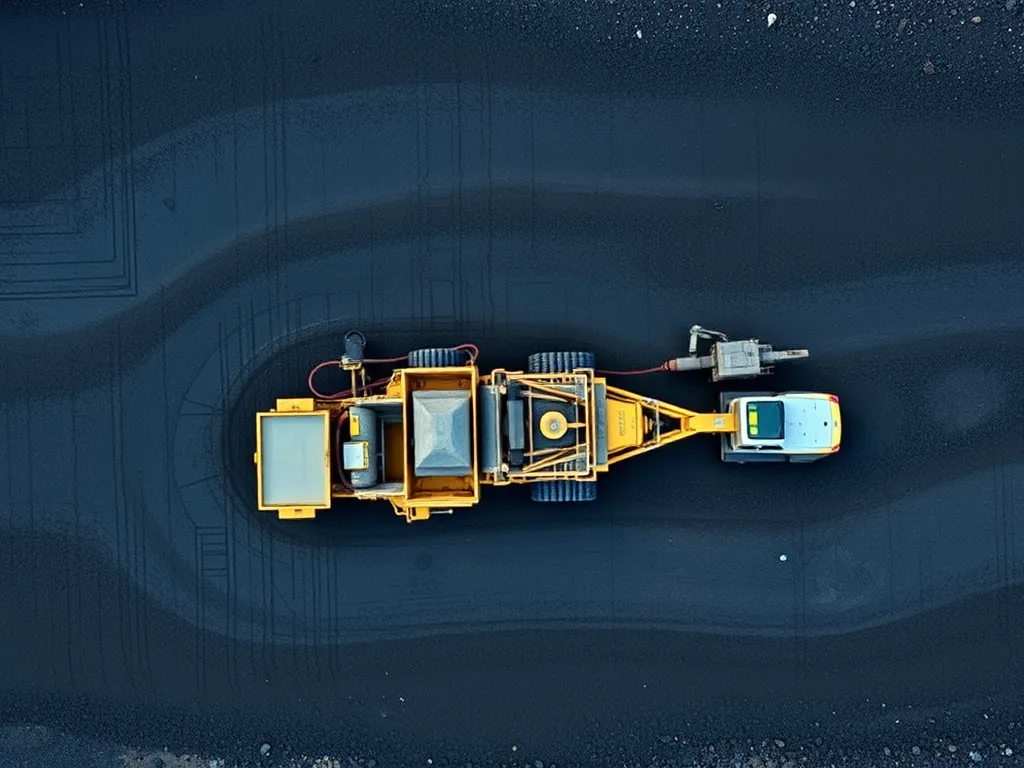
Innovative practices in asphalt recycling transform old pavement into new roads using advanced techniques. Unlike traditional methods that discard worn asphalt, these approaches reuse 90-100% of materials through processes like cold in-place recycling and rejuvenators. Pioneering projects in Texas now blend recycled asphalt shingles (RAS) into mixes, while New York trials 100% recycled parking lots. These methods cut costs by 20-30% and lower CO₂ emissions by 40% compared to virgin asphalt production.
This article breaks down three game-changing recycling methods: Hot In-Place Recycling that resurfaces roads in hours, Full Depth Reclamation that rebuilds bases without excavation, and Cold Recycling using eco-friendly emulsions. You’ll see how new technologies – from AI-powered asphalt plants to plastic-modified binders – are solving old problems. We’ll also explore real challenges like achieving consistent quality and share data from recent highway projects proving recycled asphalt’s durability.
Contents
Introduction to Asphalt Recycling
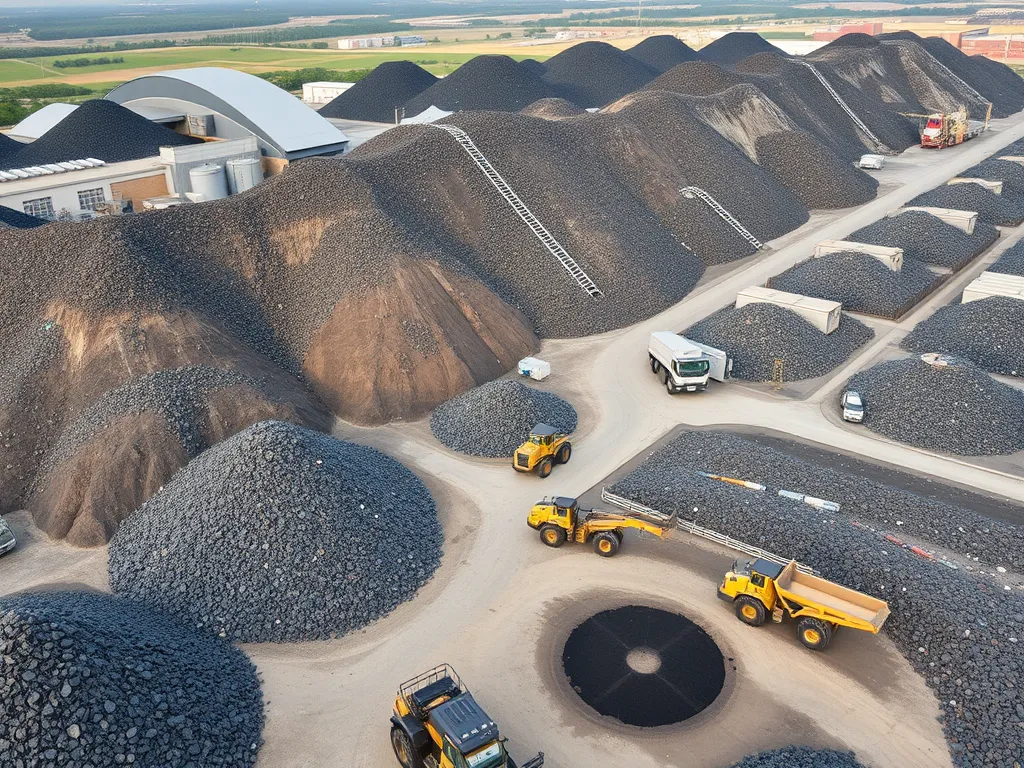
Recycling old pavement into new roads defines innovative practices in asphalt recycling. This process repurposes reclaimed asphalt pavement (RAP)—crushed layers of retired roads containing bitumen-coated aggregates. Modern techniques now recover over 90% of RAP, pushing the industry toward renewable production.
Past methods relied on basic reprocessing. Current innovations integrate high-tech machinery, chemical modifiers,
Economic benefits drive usage. Recycling cuts material costs by up to 30% versus virgin asphalt. Each ton of RAP used prevents 0.03 tons of CO2 emissions. With 89 million tons recycled yearly in the U.S., landfills divert 2.6 million tons of waste each year.
As the foundation for modern road construction shifts, exploring core recycling methods reveals their engineering strengths.
What is Asphalt Recycling?
Asphalt recycling transforms old pavings into fresh road-building mat’rial. This process salvages RAP (Reclaim’d Asphalt Pavement), a mix of aggregates and bituminous binders, for reuse. Modern tactics focus on cutting waste, trimming costs by 20-30%, and slashing mining of virgin rock. Innovations now allow up to 95% RAP in fresh mixes with high-tier modifiers.
How Do You Recycle Asphalt?
Key steps drive today’s asphalt recycling practices:
- Milling: Grinding old roads into 2-inch chunks using cold planers
- Sorting: Dividing RAP by size and quality for optimal blending
- Crushing: Shrinking chunks to 3/8” or smaller in mobile plants
- Mixing: Combining RAP with virgin aggregates, PG 64-22 binders, or RAS (Reclaim’d Asphalt Shingles) at 300-350°F
- Relaying: Laying recycled mat’rial via pavers at 2-4” depths
New tactics involve infrared warming for in-place fixing and bio-binders from plant oils to boost sustainability.
Is Asphalt 100% Recyclable?
While no method hits full 100% recycling, leading asphalt recycling innovation pushes limits. Most mixes contain 30-50% RAP, but trials with polymer-modifi’d binders allow 95% RAP in low-traffic zones. Barriers include:
- Bitumen aging, causing brittl’ness after 2-3 cycles
- Foreign mat’rials (dirt, plastic) above 1.5% contamination
- Need for virgin aggregates in high-stress spots like intersections
Specialized plants in Texas now produce 80% RAP mixes for highways, using warm-mix asphalt tech to lower mixing temps by 50°F.
Moving forward, core asphalt recycling methods show how industry pros turn old roads into lasting infrastructure.
With basics solidly in place, let’s unpack common tactics giving old pavings new purpose.
Core Asphalt Recycling Methods
Three key ways reuse old roads: hot, cold, and full depth. Each fits different site needs and budgets.
Hot In-place Recycling (HIR)
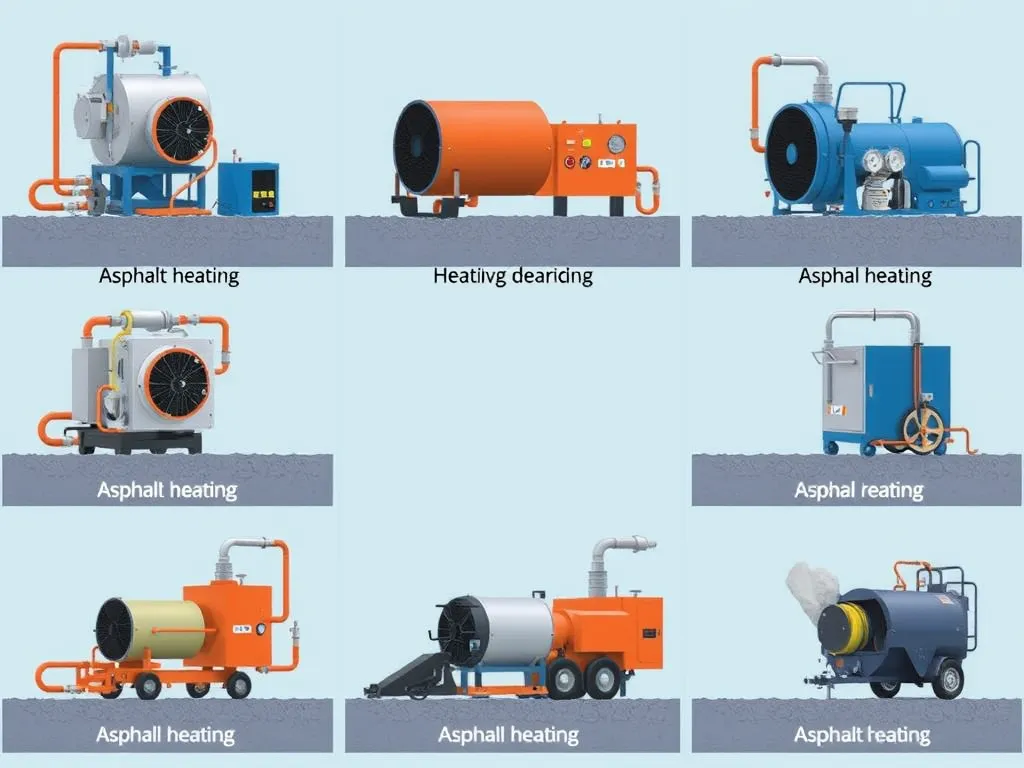
HIR heats old pavement on-site to fix cracks and ruts. Crews use heaters to soften the top 1-2 inches.
Types of Hot In-Place Recycling
Surface recycling fixes shallow flaws. Repaving adds fresh mix over heated layers. Remixing blends old and new asphalt.
Advantages of HIR
Saves up to 30% vs new builds. Cuts truck trips by 60%. Works fast with 1-2 day lane closures.
Disadvantages of HIR
Needs warm, dry weather. Can’t fix deep base issues. May need extra layers for heavy traffic.
Cold In-place Recycling (CIR)
CIR grinds old roads without heat. Crews mix in foamed asphalt or cement to bind the crushed material.
Types of Cold In-Place Recycling
Cold planing removes 3-5 inches for reuse. Stabilization adds lime or fly ash for weak soils.
Advantages of CIR
Uses 90% less fuel than HIR. Works in cool temps. Costs $2-$4 per square yard.
Disadvantages of CIR
Weaker than hot mixes. Needs 3-7 days to cure. Not for high-stress roads.
Full Depth Reclamation (FDR)
FDR recycles all layers down to the soil. Machines grind 6-12 inches deep, mix in binders, then compact.
How Full Depth Reclamation Works
Rotary mixers break pavement into gravel. Cement slurry (3-5% by weight) binds the base. Graders shape the new roadbed.
Post-Reclamation Steps
Rollers compress the mix. A fresh asphalt layer seals the top. Drains are added if needed.
Advantages of FDR
Rebuilds weak bases. Slashes costs by 40-50%. Lasts 15+ years with care.
These core methods set the stage for newer tech. Next, we explore gear and mixes pushing reuse further.
Also See: Asphalt Manufacturing Processes: How It’s Made Simply
Technological Innovations in Asphalt Recycling
New tools and methods are transforming how the industry reuses asphalt. From smart machinery to chemical breakthroughs, these advancements make recycled pavements stronger and more sustainable.
Advanced Asphalt Recycling Equipment
Modern machines handle both hot and cold recycling with precision. These systems cut labor costs by up to 40% while boosting material recovery rates.
Machinery for Hot and Cold Recycling
Infrared heaters now reheat existing pavements to 320°F for hot in-place recycling, minimizing waste. For cold recycling, soil stabilizers blend reclaimed asphalt pavement (RAP) with binding agents at 50-75% recycled content. Cold planers with GPS grading achieve surface tolerances within 1/8 inch.
Automated Mixing Systems
Computer-controlled batch plants adjust RAP ratios in real time using moisture sensors and thermal cameras. One system in Texas processes 500 tons/hour with 95% recycled content. Automated feeders reduce variability, ensuring consistent pavement density.
Chemical Additives and Modifiers
Specialized compounds address weaknesses in recycled mixes. These formulas extend pavement life while keeping costs 15-20% below virgin materials.
Role of Recycled Asphalt Shingles (RAS)
Adding 5% RAS to RAP mixes boosts stiffness by 30%. Tear-off shingles supply 1.2 million tons/year of extra binder. Processing plants now use cryogenic grinding to reduce RAS particle size below 0.25 inches for better integration.
Enhancing Binders with Additives
Rejuvenators like soybean-based oils restore aged bitumen’s viscosity. Polymer-modified PG 76-22 binders let recycled mixes withstand -40°F to 170°F. Some states now require 2% additive doses in all RAP projects over 2 inches thick.
High-performance Recycled Mixes
Engineers now design 100% recycled pavements that outperform traditional asphalt. These formulas meet AASHTO M323 specs for heavy traffic.
100% Recycled Asphalt Mixtures
Warm-mix technologies allow full-depth recycling without new binder. A California pilot project used 100% RAP with foamed asphalt, achieving 98% compaction. The mix passed 10-year rutting tests after 18 months of truck traffic.
Specialty Blends for Durability
Fiber-reinforced RAP mixes reduce cracking by 60% compared to standard recycled asphalt. Airport runways in Florida use steel slag-RAP composites rated for 250,000-pound wheel loads. Porous recycled blends now manage 8 inches/hour of stormwater for green infrastructure projects.
As these technologies mature, questions remain about optimizing their use. Next, we’ll examine common hurdles in recycled asphalt projects and proven solutions.

Challenges in Recycled Asphalt Pavement (RAP)
While asphalt recycling offers environmental and economic gains, reclaimed asphalt pavement (RAP) presents unique hurdles. These challenges demand targeted solutions to ensure recycled materials meet modern construction standards.
Disadvantages Of Reclaimed Asphalt
RAP’s limitations stem from aged binder properties, aggregate degradation, and variable material sources. Tackling these issues requires precise engineering and advanced processing methods.
Potential Performance Limitations
High RAP content (above 30%) can reduce pavement flexibility, leading to premature cracking under heavy loads. Aged bitumen loses viscosity, affecting adhesion. PG binder grades in recycled mixes may drop by 2-3 levels compared to virgin asphalt.
Material Consistency Concerns
RAP stockpiles often contain mixed aggregate sizes and contaminants like dirt or roofing shingles. Without rigorous sorting, inconsistent gradation can weaken load-bearing capacity. Some states report ±15% variability in RAP binder content between batches.
Cost of Specialized Blending
Mixing RAP with rejuvenators or polymer-modified binders adds $8-$12 per ton to production costs. Projects using >40% RAP may require $50,000+ infrared heaters for proper material integration.
Mitigation Strategies
Modern asphalt recycling practices combine technology with smart material management to overcome RAP challenges. These approaches maintain structural integrity while maximizing recycled content.
Quality Control Protocols
Advanced testing methods like ignition oven analysis and X-ray fluorescence (XRF) ensure precise RAP characterization. Many plants now run gradation tests every 250 tons, compared to the standard 500-ton interval for virgin mixes.
Balancing New and Recycled Materials
Optimal RAP blends use 20-40% recycled content with SBS-modified binders. Adding 1.5-3% rejuvenating agents restores aged bitumen’s penetration grade by 20-30 dmm. This balance cuts material costs by 18-22% versus full-virgin mixes.
These refined approaches set the stage for examining how asphalt recycling innovation directly benefits ecosystems. Next, we’ll explore the measurable environmental gains from these advanced recycling methods.
Environmental Impact Of Asphalt Recycling
New asphalt recycling methods slash harm to our planet. These steps cut waste, save raw stuff, and fight climate change. Let’s break down how.
Reducing Carbon Footprint
Reusing old asphalt cuts CO2 by up to 30% versus new mixes. How? Less need to mine rocks or heat fresh bitumen. RAP (Reclaimed Asphalt Pavement) needs 40% less fuel to process. Each ton recycled stops 0.03 tons of CO2 from trucks and plants. For a 2-mile road job, that’s like taking 50 cars off roads for a year.
- 95% less energy used vs making new asphalt
- 1.8 million tons of CO2 saved yearly in US roads
- Lower truck trips: 70% less hauling for in-place jobs
Resource Conservation Benefits
Every ton of RAP saves 1.3 tons of mined rock and sand. US roads reuse 60 million tons of old asphalt yearly – enough to fill 15,000 football fields 3 feet deep. Bitumen reuse hits 25%, cutting oil needs. This saves 350 million gallons of crude each year.
- 99% recycle rate for asphalt roads in the US
- Landfill waste drops by 75% for paving jobs
- Quarries last 20% longer with RAP blends
These green gains set the stage for tough questions. How do these methods hold up over time? Let’s tackle common doubts next.
Frequently Asked Questions
What is Hot In-place Asphalt Recycling?
Hot In-Place Recycling (HIR) is a method where existing pavement is heated and then rejuvenated before being reused. This process allows for surface repairs to be conducted with minimal disruption by softening the top layers of asphalt to fix defects like cracks and ruts.
What Are the Disadvantages Of Reclaimed Asphalt Pavement?
Some disadvantages of Reclaimed Asphalt Pavement (RAP) include potential performance limitations, such as reduced flexibility and increased risk of cracking, especially with higher RAP content. Additionally, variability in material consistency and increased costs for specialized blending can pose challenges in quality and production.
What is the New Technology in Asphalt Recycling?
Recent advancements in asphalt recycling technology include automated mixing systems that optimize the blending of RAP and additives in real-time, as well as innovative machinery capable of handling high percentages of recycled materials. Technologies such as infrared heaters and fiber-reinforced mixes also enhance the performance of recycled pavements.
How Does Asphalt Recycling Impact the Environment?
Asphalt recycling has a significant positive impact on the environment by reducing carbon emissions during production, conserving natural resources, and diverting waste from landfills. By reusing existing materials, the need for virgin aggregates is diminished, leading to less mining and energy consumption.
Can Asphalt Be Recycled Multiple Times?
Yes, asphalt can be recycled multiple times. However, each recycling cycle can affect the material’s properties, so careful monitoring and the use of additives are necessary to maintain performance. Innovations in technology are allowing for higher percentages of reclaimed asphalt to be used without compromising quality.
What Role Do Chemical Additives Play in Asphalt Recycling?
Chemical additives enhance the properties of recycled asphalt. They can improve the viscosity of aged bitumen, restore flexibility, and increase the durability of recycled mixes. Additives such as rejuvenators and polymers help to offset some of the aging effects of the original asphalt, leading to longer-lasting pavements.
How Do Recycled Asphalt Mixtures Compare to Conventional Asphalt?
Recycled asphalt mixtures can perform comparably or even better than conventional asphalt mixes when properly formulated. Innovations have led to the development of high-performance recycled mixes that meet or exceed standards for heavy traffic, making them a viable alternative to traditional materials.
What Are the Economic Benefits Of Asphalt Recycling?
Asphalt recycling can significantly reduce costs by lowering material expenses, minimizing disposal fees, and cutting fuel consumption during production. Additionally, the ability to use more recycled content without sacrificing quality can lead to overall savings in construction and maintenance budgets.
Closing Thoughts
Asphalt recycling is transforming the construction landscape. Innovative practices such as Hot In-Place Recycling (HIR) and Cold In-Place Recycling (CIR) showcase how the industry is pushing boundaries. New technologies, including advanced equipment and chemical additives, enhance the performance of recycled mixes. This progress not only conserves resources but also reduces environmental impact.
While challenges exist, such as material consistency and performance limitations, effective mitigation strategies can address these issues. The commitment to recycling asphalt leads to sustainable roadways, bolstering infrastructure while protecting our planet.
For more information on asphalt recycling and innovative practices, visit Asphalt Calculator USA.
Additional Resources for You:
- Kett, I. (1999). Asphalt Materials and Mix Design Manual. Oxford: Elsevier Science.
- Asphalt Recycling Technologies: A Review on Limitations …
- Recycling Asphalt Pavements: The State of Practice | IntechOpen
- Reclaimed Asphalt Pavement – User Guideline – Asphalt Concrete (Hot Recycling) – User Guidelines for Waste and Byproduct Materials in Pavement Construction – FHWA-RD-97-148
- The Unsung Recycling Practices of Demolition and Asphalt Industries – Eagle Crusher