Innovative Asphalt Applications: Smarter Roads for a Sustainable Future
Published on: February 28, 2026 | Last Updated: April 14, 2025
Written By: George Voss
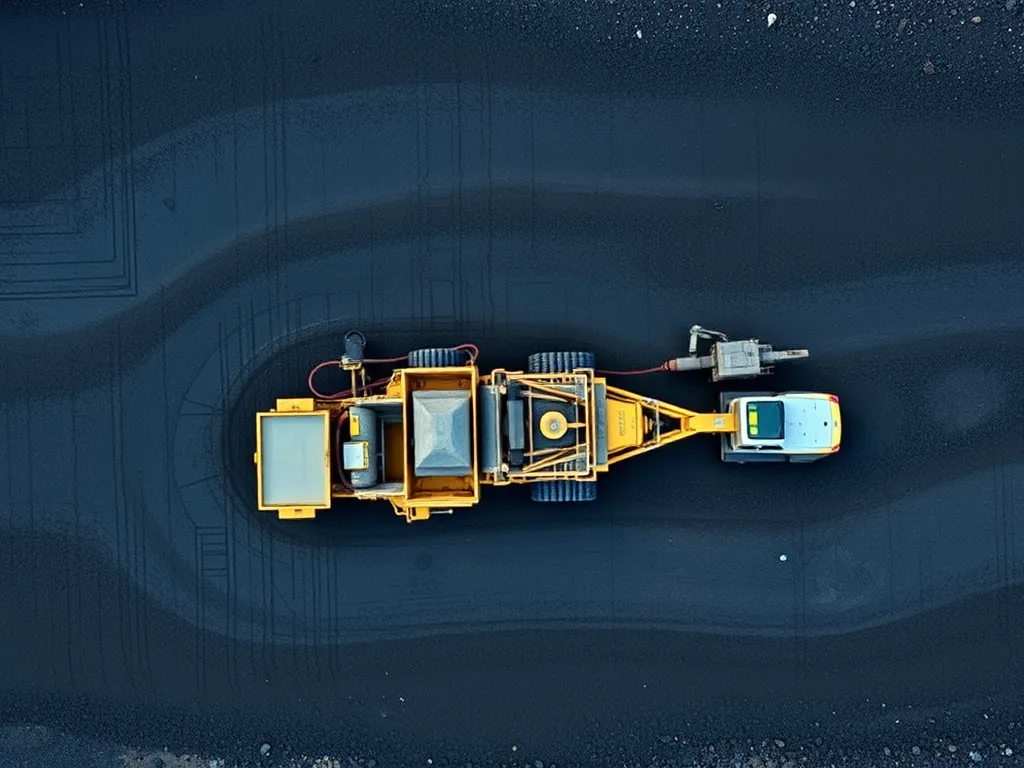
Innovative asphalt applications use cutting-edge materials and technology to build roads that last longer, work harder, and protect the environment. These next-gen solutions go beyond traditional pavement by mixing in recycled plastics, adding self-healing polymers, and embedding energy-harvesting systems. From highways that generate solar power to parking lots that soak up stormwater, these advancements tackle climate challenges while handling heavy traffic.
This article walks through the latest breakthroughs reshaping asphalt. You’ll see how temperature-responsive pavements prevent ice formation, learn why recycled asphalt cuts project costs by 20-30%, and compare performance data between conventional mixes and new options like porous asphalt. We’ll also break down real-world uses—from noise-reducing city streets to decorative community art projects—and explain what makes these applications work.
Contents
What is the Latest Technology in Asphalt?
Cutting-edge advancements redefine how roads perform and interact with their surroundings. From stronger materials to energy-harvesting surfaces, modern asphalt technology pushes engineering boundaries.
Advanced Additives for Enhanced Durability
New additives boost asphalt’s strength against wear, weather, and heavy loads. These formulas extend pavement life while lowering maintenance needs.
Polymer-Modified Asphalt Mixtures
Adding polymers like styrene-butadiene-styrene (SBS) creates binders that resist cracking at -22°F and stay stable at 158°F. PG 76-22 graded mixes now handle 40% more truck traffic compared to standard asphalt.
Recycled Plastic Integration
Melted plastic waste replaces 5-10% of bitumen in mixes, reducing landfill contributions. Trials show roads with 8% recycled polyethylene withstand rutting 2.3 times longer than traditional pavements.
Smart Asphalt Pavement Innovations
Embedded technologies turn roads into reactive systems that adapt to environmental changes.
Temperature-Responsive Materials
Phase-change materials (PCMs) like paraffin wax regulate surface heat. Test sections in Arizona maintain 18°F cooler temperatures during heatwaves, cutting thermal cracking by 65%.
Self-Healing Crack Technologies
Steel wool fibers mixed into asphalt activate under induction heating to seal 2mm-wide cracks within 30 minutes. Dutch highways using this method report 70% fewer potholes over five years.
Energy-generating Asphalt Solutions
Roadways now double as renewable energy sources through novel material science.
Solar-Responsive Asphalt Pavements
Photovoltaic pavers with tempered glass surfaces generate 15-20 kWh per square meter annually. France’s Wattway project powers streetlights for 5,000 residents using solar asphalt.
Kinetic Energy Harvesting Surfaces
Piezoelectric crystals embedded in highway lanes capture vibration energy from vehicles. A 1km stretch in California produces 44 MWh yearly – enough to run 30 homes.
These breakthroughs set the stage for exploring how asphalt transforms urban design and environmental management.
Innovative Uses for Asphalt in Construction
Modern construction projects leverage asphalt’s versatility to solve complex challenges. From environmental management to aesthetic upgrades, these applications redefine what pavement can achieve.
Permeable Asphalt for Stormwater Management
Permeable asphalt pavement innovation tackles urban flooding with a porous structure. Layers of open-graded aggregates create 18-22% void spaces, allowing water to drain at rates up to 500 gallons per minute per acre. This design reduces runoff by 75% compared to traditional pavements. Municipalities deploy it in parking lots and low-traffic roads to recharge groundwater and meet EPA stormwater regulations.
Noise-reducing Asphalt Pavements
Rubberized asphalt mixes cut highway noise by 50% using recycled tire crumb. Open-graded surfaces absorb sound waves at frequencies between 800-1600 Hz – the range of tire-pavement roar. Arizona’s “Quiet Pavement” program saw noise levels drop from 76 dB to 68 dB post-installation. Cities now use these asphalt applications near schools and hospitals for noise-sensitive zones.
High-traffic Roadway Innovations
Heavy vehicle traffic demands advanced asphalt technology. New mixtures withstand 20 million ESALs (Equivalent Single Axle Loads) while maintaining structural integrity.
Rutting-Resistant Mixtures
Stone Matrix Asphalt (SMA) combines PG 76-22 polymer-modified binders with 70-80% crushed aggregate. The interlocking stone skeleton resists deformation, reducing rut depth to under 0.15” after 10 years. Texas DOT reports 40% longer lifespan on I-35 using SMA versus conventional hot mix.
Low-Glare Reflective Surfaces
Glass bead-enhanced coatings boost nighttime visibility with 75 mcd/m² reflectivity. Light-colored aggregates like limestone create surfaces with 35% higher albedo than standard asphalt. These asphalt pavement technologies cut glare-related accidents by 18% on Florida’s Alligator Alley.
Decorative and Functional Asphalt Art Installations
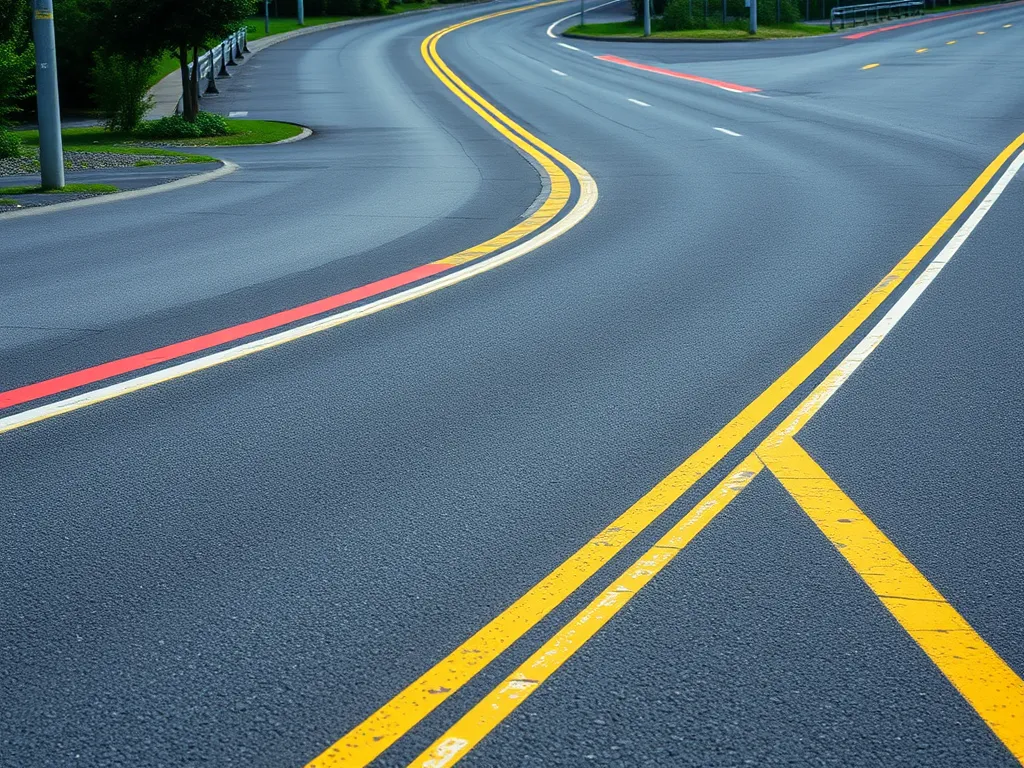
Colored asphalt applications transform public spaces using iron oxide pigments and acrylic-based stains. Seattle’s 7th Avenue Plaza features a 12,000 sq ft geometric design with UV-resistant coatings. Crosswalks with high-friction red asphalt improve safety while meeting ADA slip-resistance standards. Installation costs average $8-$15 per sq ft – 30% less than concrete art slabs.
These breakthroughs in asphalt applications set the stage for exploring how sustainability drives further pavement evolution.

Sustainable Asphalt Solutions
Green methods now shape how we build roads. These steps cut waste, save cash, and protect our planet. Three key strides lead the charge.
Reclaimed Asphalt Pavement (RAP) Applications
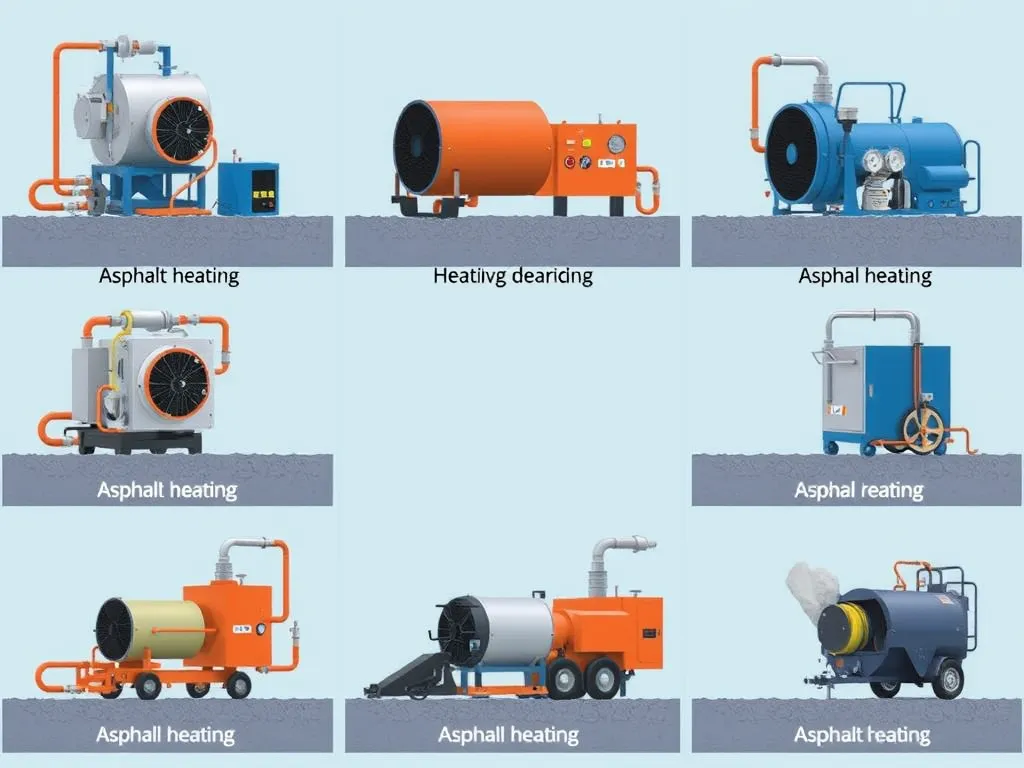
RAP recycles old roads into new mixes. Crushed pavement binds with fresh bitumen to form strong layers. States like Texas allow up to 40% RAP in highway jobs. This slashes material costs by 30% and CO2 by 15%. New tech lets plants heat RAP at 250°F, half the old temps. Tests show RAP roads last 12+ years with rutting under 0.2 inches.
Eco-friendly Warm Mix Asphalt Technologies
Warm mix pours at 230°F, not 300°F. Additives like wax or liquid chem lower temps. This cuts fuel use by 35% and fumes by 50%. Crews pave faster in cold weather. Over 35% of U.S. roads now use warm mix. It packs tighter, boosting life by 3-5 years. States save $8 per ton vs hot mix.
Low-carbon Emission Production Methods
Plants now swap coal for bio-oil or solar heat. Some trap CO2 from smoke stacks. New binders made from plants cut oil use by 20%. Mixes with 50% recycled parts earn LEED points. A plant in Cali runs on sun, slashing yearly CO2 by 1,800 tons. These steps trim the carbon foot by 18% per mile built.
Green paving saves cash and resources. Next, see how these savings play out in home driveways.
Also See: How Long Does Asphalt Sealant Take to Dry? Learn More
How Much Does a 20×20 Asphalt Driveway Cost?
A 20×20 asphalt driveway typically runs $2,800 to $5,600, with most projects falling around $4,200. Pricing swings from $3.50 to $7.00 per square foot, depending on local labor rates, asphalt mixture types, and subsoil conditions. Modern asphalt technology development plays a growing role in shaping these costs.
Factors Influencing Installation Costs
Innovative asphalt mixtures like polymer-modified binders or recycled plastic asphalt add 8-15% to material costs but boost structural capacity by up to 40%. Solar-responsive pavements or kinetic surfaces demand specialized installation, raising labor hours by 20-30%. Regional factors also matter: Permeable asphalt systems in flood-prone zones might cost $6.50/sq ft but slash stormwater fees by 18% annually.
Long-term Maintenance Savings
Choosing advanced asphalt technology cuts repair frequency. Self-healing pavements with induction-activated fillers fix minor cracks autonomously, trimming 10-year upkeep costs by 35%. Rutting-resistant mixes containing high-PG binders last 22-28 years vs. traditional asphalt’s 15-20 year span. Permeable designs reduce frost damage claims by 60% in cold climates through superior drainage.
Smart budgeting for asphalt applications now includes weighing upfront innovation costs against future savings. Up next: Answers to top questions about asphalt’s role in today’s infrastructure builds.
Frequently Asked Questions
What Are the Most Common Applications Of Asphalt?
Asphalt is commonly used in various applications including road construction, parking lots, airport runways, and sports surfaces. Its versatility allows it to be tailored for specific needs, such as load-bearing capabilities and environmental considerations.
How Do New Technologies Improve Asphalt Performance?
New technologies enhance asphalt performance by integrating advanced materials that provide improved durability, flexibility, and resistance to environmental factors. Innovations like self-healing technologies and energy-generating surfaces also make asphalt smarter and more sustainable.
Is Recycled Asphalt As Durable As Traditional Mixes?
Yes, recycled asphalt can be as durable as traditional mixes when properly processed and mixed with quality materials. Recycling not only conserves resources but also meets performance standards while reducing overall costs.
What Determines the Cost Of an Asphalt Driveway?
The cost of an asphalt driveway is determined by several factors including size, local labor rates, material quality, installation complexity, and any necessary preparation work on the site.
Can Innovative Asphalt Applications Reduce Noise Pollution?
Yes, certain asphalt mixtures, particularly rubberized asphalt, can significantly reduce noise pollution. These applications are designed to absorb sound, making them ideal for use in urban areas or near noise-sensitive locations like schools and hospitals.
How Does Permeable Asphalt Work?
Permeable asphalt works by allowing water to pass through its surface and into underlying layers, which helps manage stormwater runoff and recharge groundwater. This innovative approach minimizes flooding and reduces the burden on drainage systems.
What Are the Environmental Benefits Of Using Reclaimed Asphalt Pavement (RAP)?
Using Reclaimed Asphalt Pavement (RAP) helps conserve natural resources, reduces landfill waste, and lowers greenhouse gas emissions. It can significantly decrease production costs as well, making it not just an eco-friendly option, but also an economically sound choice for road construction.
Closing Thoughts
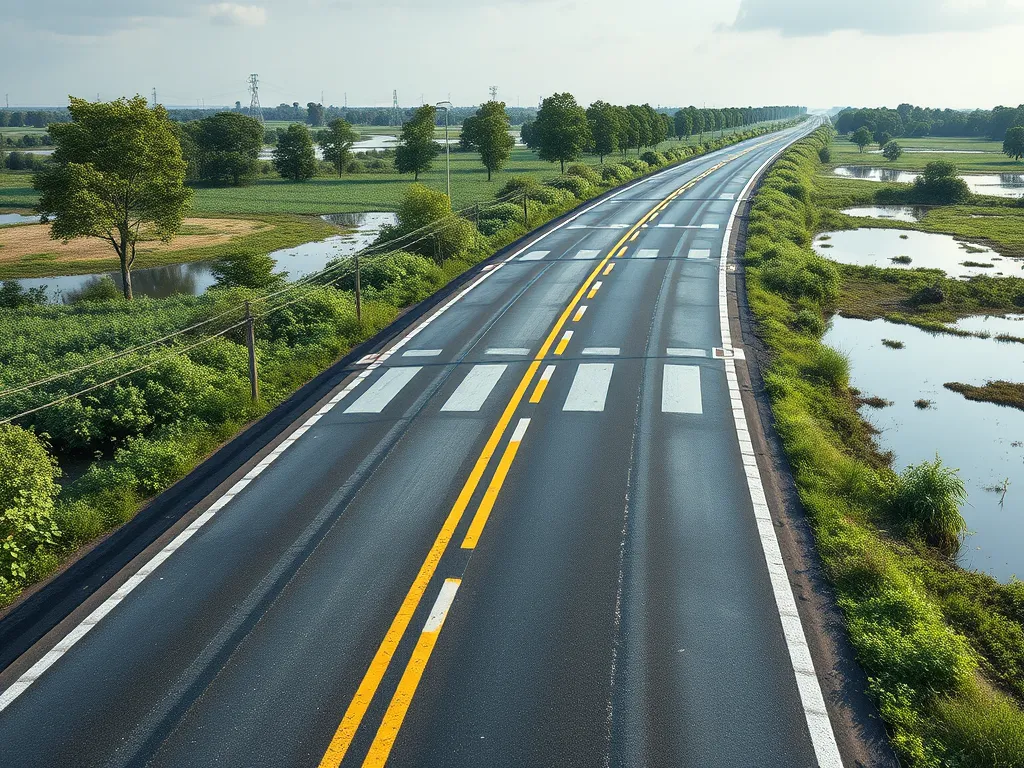
Innovative asphalt applications are reshaping the landscape of modern construction. From polymer-modified mixtures that enhance durability to smart pavements that respond to environmental changes, the advancements in asphalt technology are impressive. These developments not only improve performance but also support sustainability initiatives, making asphalt a versatile and eco-friendly choice for infrastructure projects.
Each new technique, whether it’s permeable asphalt for stormwater management or energy-generating surfaces, adds unique benefits that cater to specific environmental and urban challenges. As the construction industry continues to evolve, embracing these innovations will be essential for creating safer, more efficient, and sustainable infrastructure.
For more information on innovative asphalt solutions and helpful tools, visit Asphalt Calculator USA.
Additional Resources for You:
- Kett, I. (1999). Asphalt Materials and Mix Design Manual. Oxford: Elsevier Science.
- Intelligent paving and compaction technologies for asphalt pavement – ScienceDirect
- Application Descriptions – User Guidelines for Waste and Byproduct Materials in Pavement Construction – FHWA-RD-97-148
- New Innovations That Will Change How Asphalt Paving is Done Commercial Asphalt, Parking Lot Paving + Best in Pinellas! Anderson & Sons Asphalt of Pinellas
- Latest Innovations in Asphalt Technology | Phillips Paving