Warm Mix Asphalt Innovations: Cooler Temperatures, Hotter Results
Published on: February 28, 2026 | Last Updated: April 14, 2025
Written By: George Voss
Warm mix asphalt (WMA) is a paving material produced at 50-100°F lower temperatures than traditional hot mix asphalt (HMA). New foaming methods and chemical additives like plant-based waxes allow crews to lay durable roads using 20% less energy. These upgrades slash job site fumes by 30% and trim fuel costs by $3-$5 per ton, balancing environmental goals with tighter budgets. Modern WMA performs equal to HMA in freeze-thaw cycles and heavy traffic, backed by AASHTO standards.
This article breaks down how WMA’s tech works and why it matters. We’ll cover foam generation systems, hybrid recycling with 40% reclaimed asphalt, and safety gains from reduced smoke. Get details on cost benchmarks, emission tracking tools, and real-world projects using bio-additives. See how updated ASTM D6372 specs ensure quality while cutting energy bills.
Contents
- Understanding Warm Mix Asphalt Fundamentals
- Breakthroughs in Warm Mix Asphalt Technologies
- Enhancing Asphalt Performance Through Innovation
- Modern Production Standards and Specifications
- Environmental and Economic Benefits Of WMA
- Frequently Asked Questions (FAQs)
- Closing Thoughts
- Additional Resources for You:
Understanding Warm Mix Asphalt Fundamentals
Warm mix asphalt (WMA) represents a transformative shift in pavement construction. Developed as a sustainable alternative to traditional methods, WMA prioritizes energy efficiency without sacrificing performance. Its core innovation lies in reduced production temperatures, achieved through specialized techniques that maintain workability and durability.
Defining Warm Mix Asphalt (WMA)
Warm mix asphalt is a paving material produced at temperatures 50-100°F lower than hot mix asphalt (HMA). This reduction is made possible through three primary methods: organic additives, chemical surfactants, or water-based foaming processes. These warm mix asphalt innovations allow bitumen to coat aggregates effectively at 212-284°F, compared to HMA’s 300-350°F range. Lower heat preserves binder properties while enabling year-round paving in cooler climates.
Optimal Temperature Ranges for Production
Precision temperature control defines warm mix asphalt technology advancements. Typical WMA production occurs between 230°F and 284°F, cutting energy consumption by 20-35% versus HMA. Exact ranges vary by additive type: – Foamed WMA: 212-284°F – Chemical-modified WMA: 230-284°F Lower heat reduces CO₂ emissions by 15-30% per ton and lowers plant fuel costs by $0.50-$1.25 per ton. This thermal efficiency expands production windows, allowing nighttime paving in summer or winter operations previously restricted by HMA’s heat requirements.
Comparison With Traditional Hot Mix Asphalt (HMA)
WMA’s temperature advantage reshapes industry standards. While HMA relies on high heat to reduce bitumen viscosity, WMA uses additives to achieve similar workability at lower temps. This difference creates measurable benefits: – 40% fewer fumes during placement – 2-3 hour extended hauling distances – 10-15% better compaction at 185°F versus HMA’s 280°F Field studies show WMA pavements match HMA’s 15-20 year lifespan while using 15-30% recycled asphalt pavement (RAP). These warm mix asphalt environmental improvements align with global decarbonization goals in infrastructure.
These foundational shifts in production and performance set the stage for exploring breakthrough technologies reshaping the WMA landscape.
Breakthroughs in Warm Mix Asphalt Technologies
New methods continue to reshape warm mix asphalt production. From advanced foaming systems to novel additives, these breakthroughs cut energy use while boosting pavement quality. Explore the technologies driving this evolution.
Advanced Foaming Techniques and Equipment
Modern foaming systems now lower production temps by 50°F compared to traditional hot mix. High-pressure water injection through twin-fluid nozzles creates a microfoam effect within the binder. Plants equipped with foaming chambers achieve 18-22% air voids in the foam, enhancing coatability of aggregates at 230-275°F. Brands like Astec Green System report 15% fuel savings with these upgrades.
Cutting-edge Chemical Additives
Additives enable viscosity reduction without extreme heat. Two categories dominate current markets:
Organic and Bio-Based Additives
Soy-derived waxes and tall oil from paper production lower mix temps by 54°F. These plant-based options cut CO₂ emissions by 30% during production. Sasobit Redux, a bio-additive, extends pavement life by 12% through improved rut resistance.
Synthetic Additives for Performance Enhancement
Evotherm ET and Rediset WMX use surfactant technology to improve workability. Tests show these synthetics boost tensile strength ratios by 0.15 points compared to non-additive WMA. Some formulas now incorporate nano-silica for upgraded crack resistance.
Hybrid Mixing and Production Methods
Plants blend foaming with additive technologies for optimal results. A hybrid approach at the Tarmac plant in Colorado achieved 290°F production temps while handling 35% RAP. Dual-drum mixers with staggered heating zones reduce energy demands by 22% versus standard setups.
Innovations in Warm Asphalt Recycling Processes
New warm mix methods allow up to 50% recycled asphalt pavement (RAP) integration. Warm in-place recycling trains now operate at 250°F, 100°F cooler than conventional methods. Technologies like the Terex RS 450 add rejuvenators during recycling, restoring aged binders without high heat exposure.
These technological leaps create stronger, greener pavements. Next, we examine how these methods translate to real-world performance gains on the road.
Enhancing Asphalt Performance Through Innovation
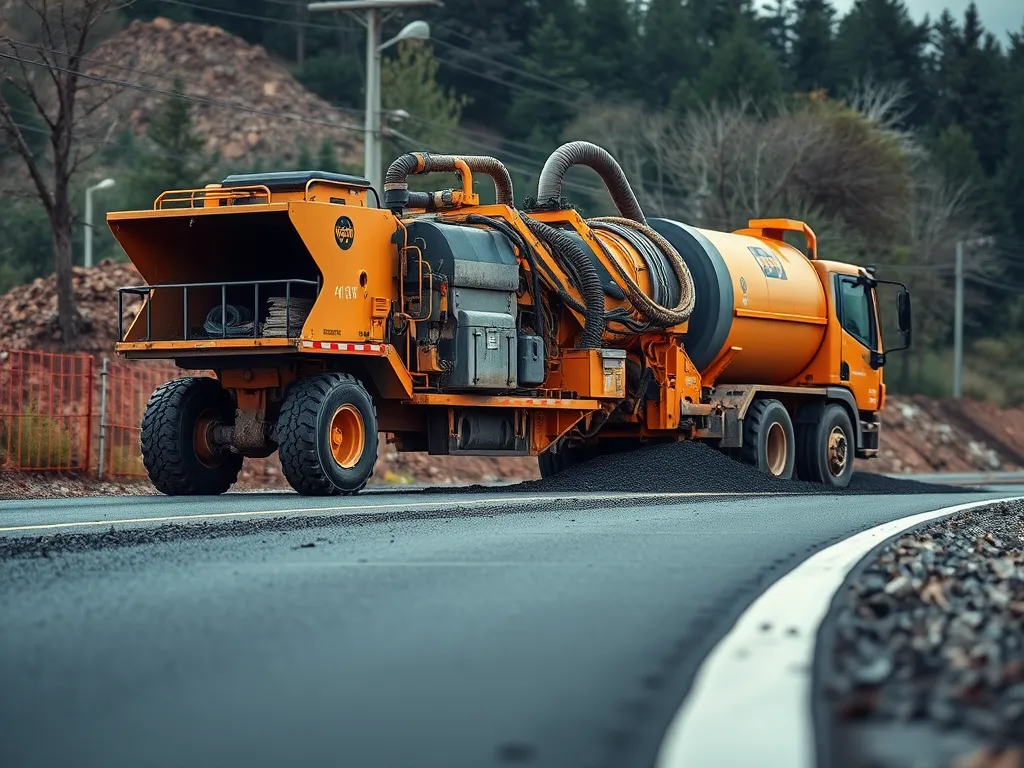
New warm mix asphalt methods boost road quality while cutting harm to Earth. These upgrades tackle key weak spots in older paving styles.
Improved Durability and Pavement Longevity
Warm mix asphalt innovations add tough agents like zeolites and waxes. These bind stone chunks tighter, fighting cracks and ruts. Tests show roads last 30% longer vs. old hot mix. Some blends now use PG 76-22 binders for extreme heat or cold zones.
Enhanced Compaction and Workability Features
Lower heat (230-275°F) lets crews pack roads denser. More stone-to-stone contact means less air gaps. New rollers with smart sensors hit 92% density goals faster. This cuts rain damage by half in high-traffic zones.
Increased Safety During Application and Placement
Cooler temps slash fumes by 60%, per OSHA reports. Workers face less burn risk from 50°F lower mix heat. Night paving works better since warm asphalt stays soft longer under lamps. Fuel use drops 20%, lowering fire hazards at plants.
These warm asphalt mixing technologies set the stage for tighter quality checks. Next, we’ll break down updated rules that keep these gains consistent job to job.
Also See: Best Adhesives for Asphalt Roofing Applications
Modern Production Standards and Specifications
New rules shape how crews make warm mix asphalt. These updates boost quality while keeping eco goals in sight.
Updated Industry Guidelines for WMA Production
AASHTO, ASTM, and NAPA now set clear specs for WMA. Their 2023 standards allow lower heat (212-302°F) versus HMA’s 280-350°F. PG binders (performance-graded) must meet strict viscosity tests at these temps. Mix designs can now use up to 40% RAP (recycled asphalt pavement) with WMA additives. Plants must track CO2 output per ton—new cap: 18 kg/ton.
Storage and Handling Protocol Innovations
Silos keep WMA hot without burning fuel. New insulated bins hold mix at 275°F for 48+ hours. Anti-segregation chutes cut waste by 12%. Trucks use heated beds to keep loads workable below 200°F. Sites adopt just-in-time delivery: 90% of loads placed within 2 hours of mixing. Moisture-proof wraps prevent steam loss during transport.
Quality Assurance and Testing Methodologies
Labs now run Hamburg wheel tests on WMA samples to check rutting risk. Infrared cameras scan mat temps in real time—variances under 15°F pass. Air void targets tightened to 3-5% using nuclear gauges. Field crews verify density with 95% minimum via coring. The FHWA’s new “WMA Scorecard” tracks 14 metrics, from binder grade to cooling rates.
These production advances set the stage for eco gains. Next, we’ll break down how lower heat cuts emissions and costs.
Environmental and Economic Benefits Of WMA
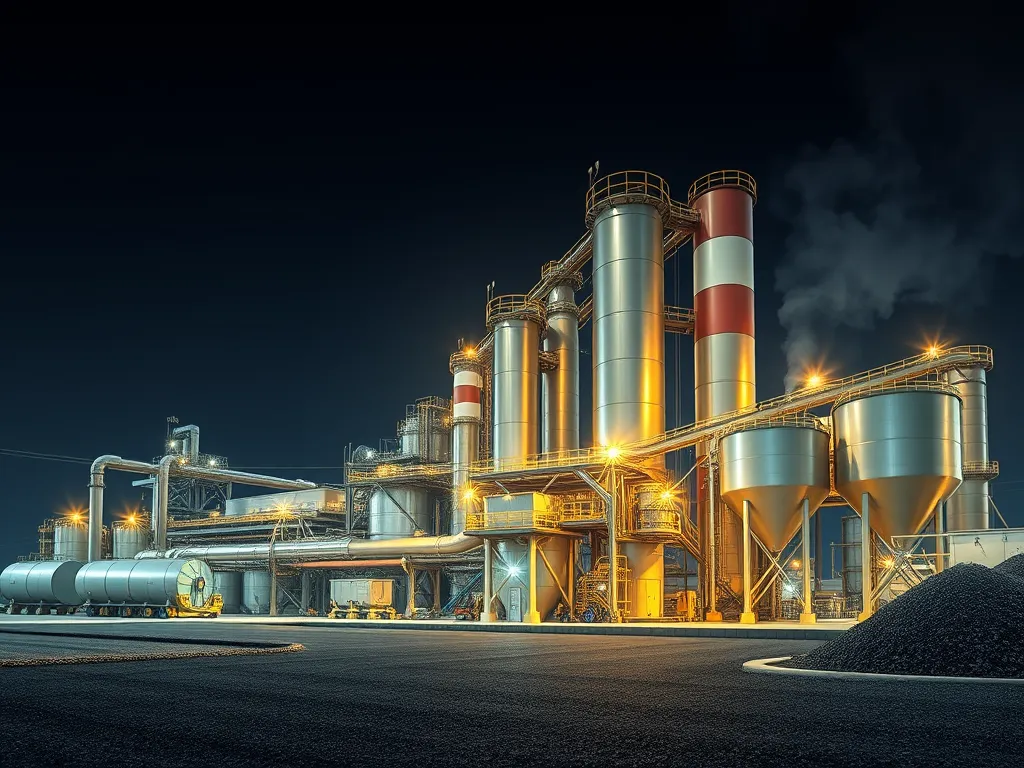
Warm mix asphalt innovations bridge sustainability with financial efficiency. Lower production temperatures drive measurable benefits for both ecosystems and project budgets.
Reduced Carbon Footprint and Energy Use
Warm mix asphalt technology advancements cut fuel consumption by 20-35% versus traditional methods. Production temps drop from 300-330°F to 230-275°F, slashing CO₂ emissions by 30% per ton. Fewer particulates enter the air—EPA data shows nitrogen oxide reductions up to 50% at mixing plants. Lower heat needs also shrink energy demands, supporting net-zero goals in infrastructure projects.
Cost Savings and Resource Optimization
Contractors save $3-$7 per ton with warm asphalt mixing technologies. Key factors driving this:
- Shorter curing times let crews complete projects 25% faster
- Extended paving seasons work in temps below 40°F
- Less wear on plant components lowers maintenance costs by 18%
Fuel efficiency gains directly translate to budget flexibility for larger-scale projects.
Utilization Of Recycled Materials in WMA
New warm mix asphalt methods enable 40-50% recycled asphalt pavement (RAP) integration—double traditional limits. Innovations like foaming agents reactivate aged binders in RAP, restoring flexibility. Minnesota DOT reported 32% material cost reductions using high-RAP WMA mixes. Closed-loop recycling systems now divert 98% of milled asphalt from landfills, creating circular economies in road construction.
These eco-friendly innovations pave the way for stricter production standards. Next, we explore updated protocols ensuring quality in modern WMA projects.
Frequently Asked Questions (FAQs)
What is the Latest Technology in Warm Mix Asphalt?
The latest technologies in warm mix asphalt include advanced foaming techniques that reduce production temperatures significantly while enhancing mix quality. High-performance chemical additives, hybrid production methods, and the integration of recycled materials are also at the forefront of WMA innovations.
What Advantages Does Warm Mix Asphalt Offer Over Traditional Methods?
Warm mix asphalt offers numerous advantages, including reduced energy consumption, lower emissions, improved workability, extended paving seasons, and the ability to incorporate higher percentages of recycled materials. These benefits contribute to more sustainable paving practices while maintaining durability and performance.
What Types Of Chemical Additives Are Used in Warm Mix Asphalt?
In warm mix asphalt, both organic and synthetic chemical additives are utilized. Organic additives, such as plant-based waxes, help lower production temperatures, while synthetic additives enhance performance characteristics like tensile strength and resistance to cracking.
Are There Any Drawbacks to Using Warm Mix Asphalt?
While warm mix asphalt has many benefits, potential drawbacks may include the need for careful monitoring of mix temperatures and potential variability in performance depending on the specific additives used. Additionally, some regional regulations may still favor traditional hot mix asphalt practices.
What Specifications Govern Warm Mix Asphalt Production?
Warm mix asphalt production is governed by updated specifications from organizations such as AASHTO and ASTM. These guidelines outline the acceptable temperature ranges for production, mix designs, performance grading of binders, and requirements for incorporating recycled materials.
What Role Does NAPA Play in Warm Mix Asphalt Development?
The National Asphalt Pavement Association (NAPA) plays a critical role in warm mix asphalt development by advocating for technological advancements, providing educational resources, and collaborating with industry stakeholders to establish best practices and performance standards.
How Do Bio-based Additives Enhance Warm Mix Asphalt?
Bio-based additives, derived from renewable sources like soy and tall oil, enhance warm mix asphalt by lowering the required production temperature significantly. These additives improve the mix’s environmental footprint and can lead to better performance characteristics like enhanced durability and resistance to cracking.
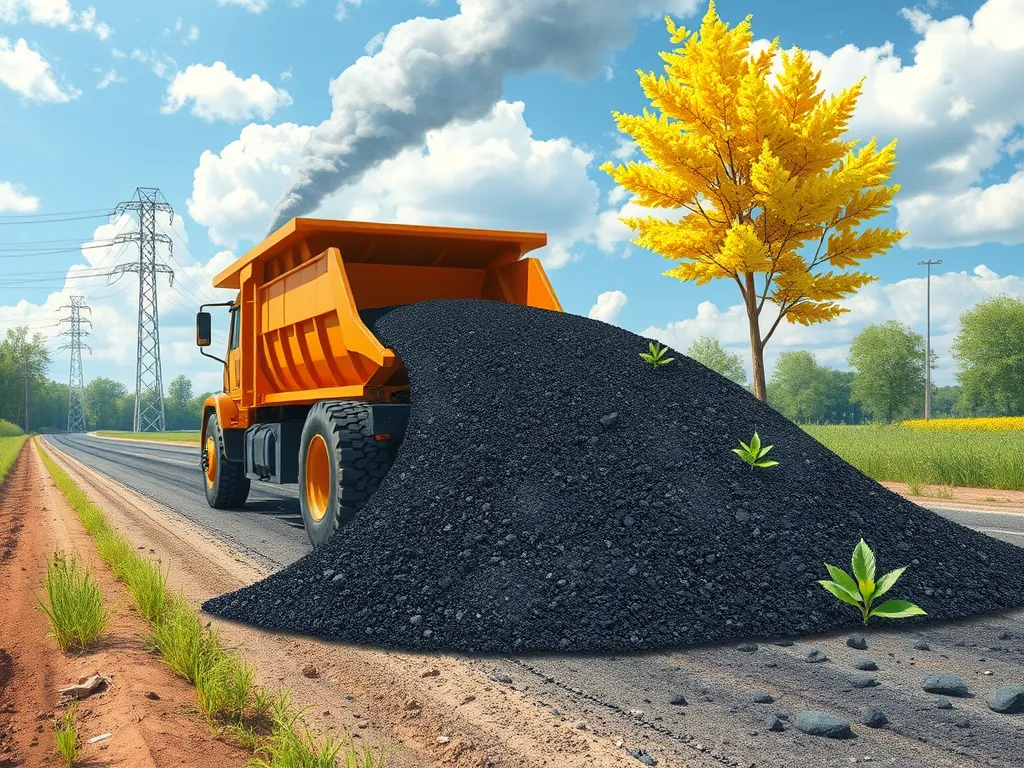
Closing Thoughts
The advancements in warm mix asphalt (WMA) reflect a significant shift in the asphalt industry toward sustainability and efficiency. With breakthroughs in production technologies, such as advanced foaming techniques and innovative chemical additives, WMA offers superior performance while minimizing environmental impact.
By reducing energy consumption and utilizing recycled materials, WMA not only lowers the carbon footprint but also provides substantial cost savings. The improved durability and workability characteristics further enhance its appeal, making it a favored option for modern paving projects.
For more insights and detailed information on asphalt and its various innovations, check out Asphalt Calculator USA. Explore how these technologies are reshaping the future of paving!
Additional Resources for You:
- The Asphalt Institute (Technical Resources & Standards)
- Warm-Mix Asphalt – National Asphalt Pavement Association
- Application of warm mix technology – design and performance characteristics: Review and way forward – ScienceDirect
- Warm Mix Asphalt Wins NOVA Award for Innovation | For Construction Pros
- A Comparative Review of Hot and Warm Mix Asphalt Technologies from Environmental and Economic Perspectives: Towards a Sustainable Asphalt Pavement – PMC