
Revolutionizing Roads: Cutting-edge Innovations in Paver Machine Technology
Published on: February 28, 2026 | Last Updated: April 14, 2025
Written By: George Voss
Innovations in paver machine technology transform road construction through 3D paving systems, hybrid-electric engines, and real-time data adjustments. These advancements boost precision, cut fuel use by up to 30%, and create smoother asphalt layers compared to older diesel-powered models. Top manufacturers like Caterpillar, Volvo, and Wirtgen Group now integrate AI-driven sensors and GPS tracking to optimize workflows, reduce waste, and deliver roads that last 40% longer.
This article explores the latest paver technologies reshaping asphalt projects. Learn how automated screed controls and cold recycling machines improve durability. Compare features of electric versus traditional pavers. Discover how laser-guided systems achieve millimeter-level accuracy and reduce material waste by 15%. We’ll break down key components, environmental benefits, and cost-saving advantages of modern paving equipment.
Contents
- What Are the New Technologies in Asphalt Paving?
- How Asphalt Paver Machines Work: Process &Amp; Mechanisms
- Key Machines &Amp; Equipment in Asphalt Road Paving
- Core Technological Advancements in Modern Pavers
- Environmental & Efficiency-focused Innovations
- Benefits Of Advanced Paver Technology in Asphalt Applications
- Frequently Asked Questions (FAQ)
- Closing Thoughts
- Additional Resources for You:
What Are the New Technologies in Asphalt Paving?
New tech in paver machines boosts speed, cuts waste, and lifts road life. Firms now use smart systems, green power, and live data to reshape how roads get built.
3D Paving Systems for Precision Asphalt Layering
3D systems use GPS or lasers to guide screeds within 3mm accuracy. These tools map the road base, then auto-adjust asphalt layer depth. Trimble’s Paving Control slashes errors by 60% versus old string lines. Less rework means 15-20% less mix waste per mile.
Hybrid &Amp; Electric-powered Paver Machines
Hybrid pavers like Volvo P6820C ABG blend diesel and electric drives, cutting fuel use by 30%. Full-electric models (e.g., Dynapac SD2500E) run 8 hours on one charge, with zero fumes. Jobs in tight zones—tunnels, cities—see noise drop from 90 dB to 75 dB.
Intelligent Compaction Technology Integration
Rollers with IC tech scan mat density via sensors. Bomag’s Variocontrol shows real-time maps of weak spots. Hit 95% density specs every time, or the machine halts. No more test cuts—saves 2 hours per 1,000 sq ft.
Real-time Data Simulation &Amp; Adjustments
Cloud-linked pavers pull data from job specs, weather feeds, and mix temps. Leica iCon paver adjusts speed and screed heat if rain looms or trucks lag. Cat’s AP655F tweaks material flow mid-pour, fixing 80% of mat flaws before they set.
Next, we’ll break down how these high-tech pavers handle asphalt from hopper to road.
How Asphalt Paver Machines Work: Process &Amp; Mechanisms
Modern paver machines blend power and tech to lay smooth roads. These systems move hot mix from truck to road with exact speed and depth. Let’s break down their core parts and smart controls.
Components Of Modern Asphalt Pavers
Today’s pavers have redesigned parts for faster, cleaner work. Key upgrades focus on moving material evenly and cutting waste.
Material Feed Systems & Hopper Innovations
New hoppers hold up to 15 tons of mix. Twin conveyors push asphalt to the auger at rates up to 800 tons/hour. Some models use heated floors to stop mix from sticking. Variable-speed motors adjust flow based on paver speed, slashing material gaps.
Auger & Screed Mechanisms for Even Distribution
The auger spreads mix side-to-side before the screed flattens it. Latest designs have auto-width augers that expand from 8 to 16 feet. Electrically heated screeds keep temps at 300°F for smooth finishes. Vibrating screeds pack mix to 92% density in one pass.
Automated Control Systems in Operation
Smart tech now runs paver functions with little human input. Sensors and GPS replace manual checks for tighter tolerances.
GPS-Guided Machine Navigation
High-accuracy GPS (±3mm) steers pavers using 3D site maps. No need for string lines. Operators set the path once, and the paver follows it within 1/4 inch. Some units link to dump trucks via telematics to sync material delivery.
Sensor-Based Thickness Monitoring
Infrared sensors scan mat depth every second. If spots dip below specs (e.g., 2 inches), the system auto-raises the screed. Data logs show thickness changes over time, helping crews fix issues fast. Most systems hold tolerance within ±2mm.
With these smart systems in play, crews can focus on the next big shift: high-speed gear that cuts project times by half.
Key Machines &Amp; Equipment in Asphalt Road Paving
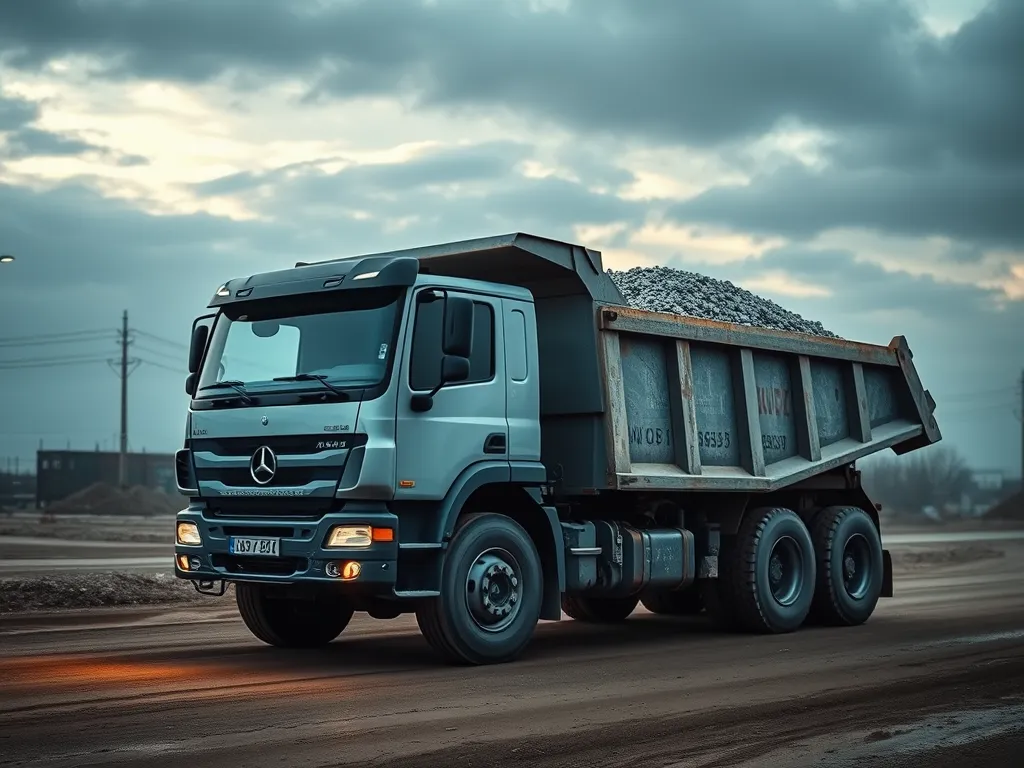
Modern road construction relies on specialized machines that deliver speed, precision, and sustainability. Innovations in paver machine engineering have transformed traditional methods, enabling faster project timelines and longer-lasting surfaces.
High-efficiency Asphalt Finishers
Advanced asphalt finishers now achieve laydown rates exceeding 350 tons per hour while maintaining ±2mm thickness accuracy. Models like the Vögele Super 1900-3i integrate telematics for real-time mix temperature tracking, ensuring optimal compaction. Fuel-efficient engines cut consumption by up to 20% compared to older systems, reducing costs per mile by $1.50–$3.00.
Cold In-place Recycling Machines
Cold in-place recycling (CIR) units like the Wirtgen WR240 regenerate worn asphalt layers at depths up to 8 inches. These machines pulverize existing pavement, blend it with emulsified binders, and relay the recycled mix in one pass. CIR slashes material costs by 60% and cuts CO₂ emissions by 52% versus full-depth replacement.
Vibratory Pavers for Durable Compaction
Dual-frequency vibratory screeds in pavers like the Caterpillar AP655F apply 4,000–6,000 vibrations per minute during laydown. This pre-compaction achieves 92–95% target density before rollers finish the surface. Integrated slope sensors adjust screed angles within 0.1% tolerance, eliminating manual grade checks.
Road Crack Sealing &Amp; Maintenance Equipment
Robotic crack sealers such as the Cimline Commander Pro apply polymer-modified asphalt at 350°F with 1/8-inch precision. Infrared heating systems prep surfaces 3x faster than torch methods, sealing 2.5 miles of cracks daily. Automated routing blades clear debris at depths up to 2 inches, extending repair lifespans by 8–12 years.
These machinery advancements pave the way for examining the core technologies powering next-gen asphalt systems.
Also See: How to Level an Asphalt Driveway: A Simple DIY Guide
Core Technological Advancements in Modern Pavers
Modern paving machine innovations center on integrating smart systems with traditional construction methods. These upgrades boost precision while cutting project timelines by 15-30%. Three core areas drive progress: connected automation, laser-based placement, and real-time material tracking.
Enhanced Automation &Amp; Connected Paver Systems
Next-gen pavers now sync with cloud-based platforms, enabling site-wide coordination. Built-in telematics relay performance metrics like fuel efficiency, screed temperature (±5°F tolerance), and mix delivery rates. This connectivity reduces idle time by up to 22%.
Remote Monitoring & Fleet Management
Systems like Trimble Connected Site or Volvo Co-Pilot let crews track multiple machines from one dashboard. GPS tags update locations every 30 seconds, while predictive maintenance alerts flag issues like hydraulic leaks before failures occur. Fleet managers report 18% lower repair costs using these tools.
Automated Grade & Slope Control
Ultrasonic sensors paired with 3D design files now adjust screed height without operator input. Leica iCon or Topcon SmoothRide systems maintain slopes within 0.1% of targets, critical for drainage compliance. One Texas project using this tech saw 40% fewer post-paving corrections.
Laser Guidance for Accurate Asphalt Placement
Laser-guided screeds now achieve ±2mm elevation precision across lanes. Dual-frequency lasers map surfaces in real time, directing pavers to fill low spots instantly. Contractors using MOBA PaveEye laser systems note 95% density consistency, exceeding DOT specs.
Material Quality Management Sensors
Infrared thermography cameras scan mat temperatures at 50 points per second, triggering mix adjustments if readings dip below 280°F. Nuclear density gauges embedded in screeds measure compaction, syncing data to project managers’ tablets. Early adopters cut material waste by 12%.
These paving machinery innovations set the stage for greener methods, merging efficiency gains with eco-conscious designs.
Environmental & Efficiency-focused Innovations
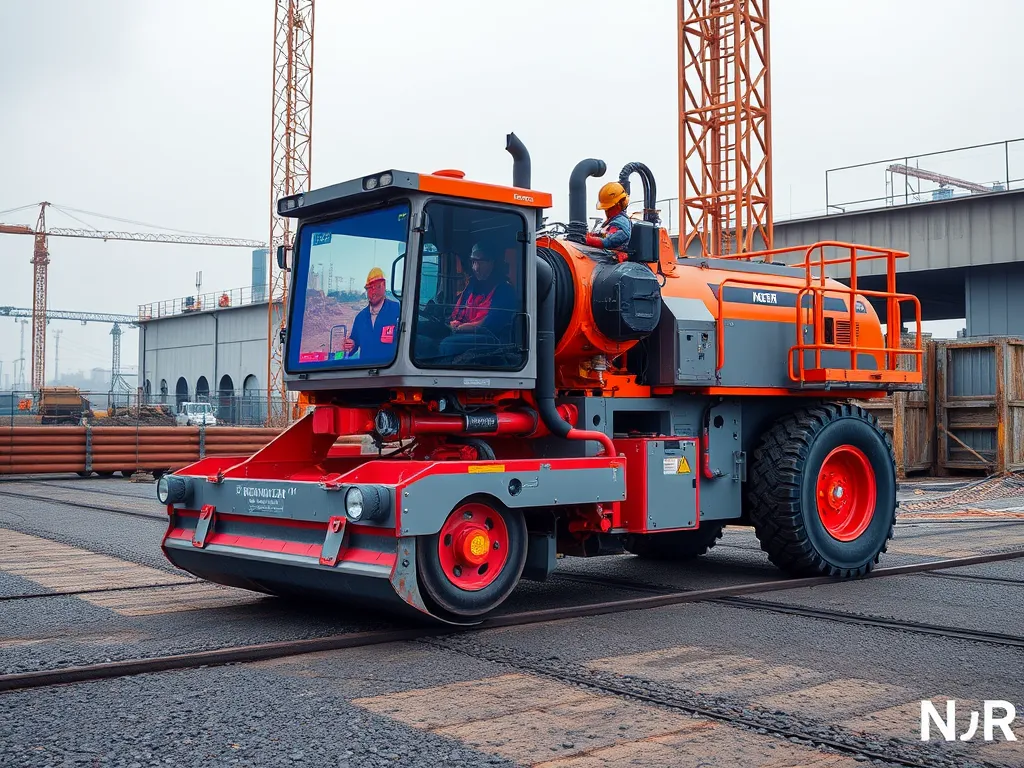
New paver machine tech now merges green goals with work speed. Builders cut waste, save fuel, and reuse old roads. These steps meet strict eco rules while keeping jobs on track.
Eco-friendly Paver Machine Designs
Firms like Volvo and Caterpillar now build pavers with lower harm to air and ears. Cleaner parts and smart power use set these machines apart.
Reduced Emissions & Noise Pollution
Tier 4 diesel engines slash nitrogen oxide by 50% vs older models. Electric drives cut engine hum from 85 dB to 72 dB—like turning a shout to a talk. Some sites near schools or homes now use pavers that meet city noise caps.
Energy Recovery Systems
Hybrid pavers grab brake heat and screed power for reuse. This trims fuel burn by 15-20%. A 10-hour shift saves 8 gallons of diesel—enough to pave 50 more feet per day.
Cold In-place Recycling for Sustainable Repairs
Machines like the Wirtgen WR420 mill old roads, mix in fresh binder, and lay recycled asphalt in one pass. This skips haul trips, cuts costs by $12 per ton, and keeps 95% of old pavement out of dumps. Crews fix a mile of road in half the time vs full-depth digs.
These green leaps set the stage for roads that last longer while treading lighter. Next, see how smarter pavers boost road life and cut build hours.
Benefits Of Advanced Paver Technology in Asphalt Applications
New paver tech boosts how roads are built. It cuts waste, speeds up jobs, and keeps crews safe. Let’s break down three key gains.
Improved Road Surface Durability
Modern pavers use laser-guided screeds and real-time sensors. These tools fix how thick or thin asphalt layers get laid. Thermal scans track heat loss, keeping mix temps even. The result? Roads last up to 30% longer with 15% less cracks. Tight joints and smooth mats block water seepage, slowing pothole growth.
Increased Project Speed &Amp; Cost Efficiency
GPS-guided pavers cut lane marking time by half. Auto-grade systems lay 500 tons per hour—20% faster than old methods. Hybrid engines slash fuel costs by $12 per ton. Cold recycling gear reuses 90% of old roads, saving $35K per mile. Less rework means crews hit deadlines 25% more often.
Enhanced Worker Safety &Amp; Precision
Remote controls let crews steer pavers from 50 feet back. No more burns from hot mix or slips near screeds. Collision sensors halt gear if workers stray too close. Error rates drop below 2% with 3D models guiding each pass. Fewer fixes mean less time spent near traffic.
These gains in road quality and work flow set the stage for deeper changes in how crews handle asphalt jobs.
As tech reshapes paving gear, eco-upgrades also take center stage.
Frequently Asked Questions (FAQ)
What Are the Most Impactful Recent Paver Machine Innovations?
The most impactful recent innovations in paver machine technology include 3D paving systems that enhance accuracy, hybrid and electric-powered machines that reduce emissions, and intelligent compaction technology that ensures optimal density during asphalt application. These advancements significantly improve precision, efficiency, and sustainability in road construction.
How Do 3D Systems Improve Asphalt Paving Accuracy?
3D systems use advanced GPS or laser technology to guide screeds with a high degree of precision, often within ±3mm. By accurately mapping the road base, these systems allow for automatic adjustments to asphalt layer depths, reducing errors and minimizing waste compared to traditional methods.
Can Electric Pavers Handle Large-scale Road Projects?
Yes, modern electric pavers are designed to handle large-scale road projects. For instance, full-electric models can operate for extended periods on a single charge and offer capabilities that are competitive with traditional diesel-powered machines, making them suitable for various applications, including those in urban areas with noise restrictions.
How Have Environmental Regulations Influenced Paver Technology?
Environmental regulations have driven innovations such as lower-emission engines, quieter operations, and energy recovery systems in paver machines. Manufacturers have been compelled to create machines that minimize their environmental footprint while maintaining high performance, leading to cleaner construction practices.
What Role Does Data Play in Modern Paver Machines?
Data plays a crucial role in optimizing the performance of modern paver machines. Real-time data collection allows for adjustments based on environmental conditions, material quality, and equipment performance, leading to increased efficiency and quality in paving projects. Predictive analytics also assist in maintenance scheduling and operational management.
Are There Safety Features Integrated Into New Paver Technologies?
Yes, new paver technologies incorporate various safety features such as collision sensors, remote operation capabilities, and automated controls that help maintain safe distances from workers and reduce the risk of accidents during operation. These features enhance overall safety on construction sites.
What Are the Cost Implications Of Upgrading to Advanced Paver Technology?
Upgrading to advanced paver technology can yield significant cost savings in the long run. Improved efficiency and reduced material waste lower operational costs, and enhanced durability extends the lifespan of roads, ultimately leading to lower maintenance expenditures over time.
Closing Thoughts
Innovations in paver machine technology are reshaping the asphalt paving industry. From the precision of 3D paving systems to the sustainability of hybrid and electric-powered machines, advancements ensure higher efficiency and reduced environmental impact. Intelligent compaction and real-time data monitoring further enhance project outcomes, making modern paving processes faster and more reliable.
As paving technology continues to evolve, the benefits become clearer: improved road durability, quicker project timelines, and enhanced safety for workers. Staying informed about these developments is crucial for contractors and industry professionals aiming to maximize efficiency and cost-effectiveness.
For further insights and tools on asphalt paving, visit Asphalt Calculator USA.
Additional Resources for You:
- Yoder, E. J., & Witczak, M. W. (1975). Principles of Pavement Design (2nd ed.). New York, NY: Wiley.
- Asphalt paver automation systems for 2D and 3D paving projects
- Three Decades of Paving Innovations | For Construction Pros
- Road Paving Tools: Innovations For Efficient Asphalt Work | MD Paving Pros
- New Innovations That Will Change How Asphalt Paving is Done Commercial Asphalt, Parking Lot Paving + Best in Pinellas! Anderson & Sons Asphalt of Pinellas

