Breaking New Ground: How Heat-resistant Asphalt is Changing Pavement Technology
Published on: February 27, 2026 | Last Updated: April 14, 2025
Written By: George Voss
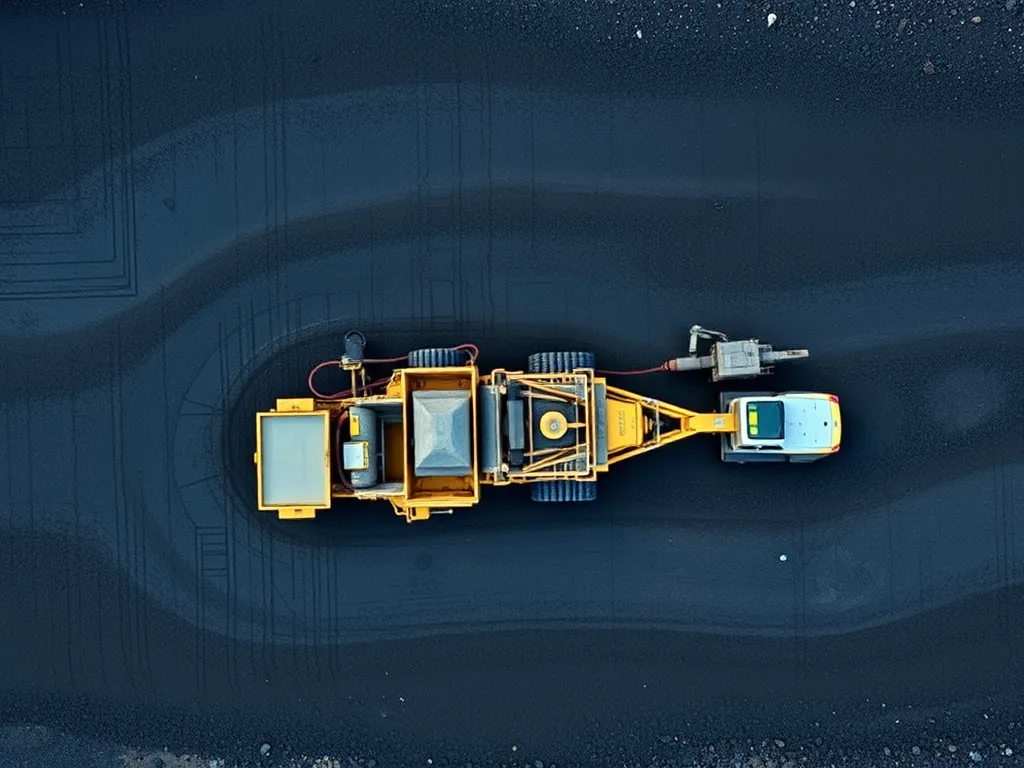
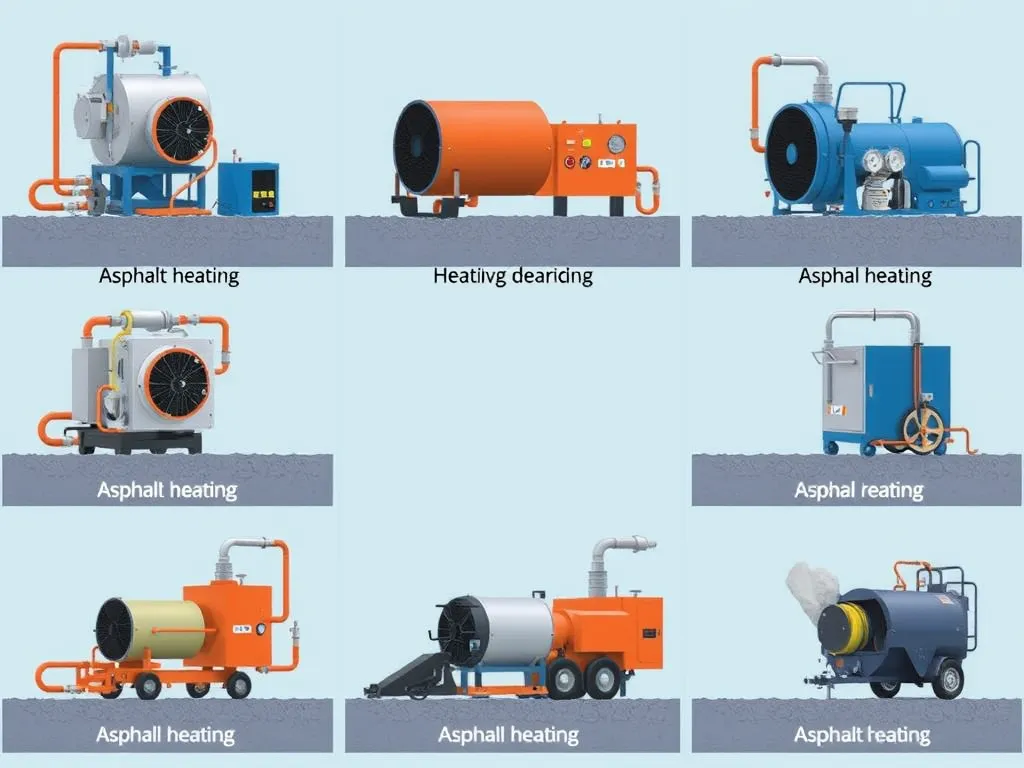
Heat-resistant asphalt is paving the way for stronger roads in extreme climates. Unlike traditional asphalt, it uses advanced materials like polymer-modified binders, reflective aggregates, and cooling additives to withstand temperatures above 140°F without softening or rutting. Innovations like cool pavement technology and high-performance PG (performance-graded) binders now allow this asphalt to reflect sunlight, lower surface heat by up to 30°, and maintain structural integrity for 20+ years. Cities in Arizona and Texas already use it to combat urban heat islands and extend road lifespans in scorching summers.
This article explores the science behind heat-resistant asphalt, from reflective coatings to porous mixes that reduce surface temperatures. Learn how airports keep runways intact during heatwaves, why parking lots in Phoenix stay crack-free, and how new binder systems cut maintenance costs by 40%. We’ll break down costs, compare it to standard asphalt, and show how these innovations tackle climate challenges while saving money long-term.
Contents
- What is Heat-resistant Asphalt?
- Key Innovations in Heat-resistant Asphalt Technology
- Applications Of Heat-resistant Asphalt
- Benefits Of Heat-resistant Asphalt Innovations
- Manufacturing Processes for Heat-resistant Asphalt
- Comparing Heat-resistant Asphalt to Traditional Asphalt
- Cost Analysis Of Heat-resistant Asphalt Solutions
- Sustainability and Green Steps
- Frequently Asked Questions (FAQ)
- Closing Thoughts
- Useful References for You:
What is Heat-resistant Asphalt?
Heat-resistant asphalt handles high temps without breaking down. It uses new tech to stay strong when roads face extreme heat or heavy loads.
Defining Heat-resistant Asphalt Technology
This asphalt mix adds special parts to fight heat damage. Polymer-modified binders, rubber bits, or tiny hollow beads boost its heat limit. Some blends use PG (Performance Graded) binders rated for temps up to 300°F. Others mix in wax or oils that harden when heated.
| Key Additives | Function | Heat Limit Boost |
|---|---|---|
| Rubber crumbs | Absorb road stress | +50°F |
| Glass fibers | Block cracks | +40°F |
| Cool pigments | Reflect sunlight | Surface 30°F cooler |
Importance Of Heat Tolerance in Asphalt Pavements
Roads melt at 150°F—common in states like Arizona or Texas. Heat softens asphalt, causing ruts from tires or cracks from expansion. Heat-resistant types cut repair costs by 60% over 10 years. They also cool cities by 5-10°F, slashing AC use.
New specs now demand heat grades for roads in hot zones. The AASHTO M 332 rule tests mixes at 14°F higher than old methods. This pushes cities to pick tougher asphalt for lasting results.
As heat waves grow, these asphalt innovations prove vital. Next, see how fresh tech like cool pavements and smart binders push limits further.
Key Innovations in Heat-resistant Asphalt Technology
Recent breakthroughs transform how asphalt withstands extreme temperatures. From advanced binder formulas to eco-conscious designs, engineers now deploy multiple strategies to combat pavement softening and rutting.
Cool Pavement Technology
Cool pavement systems slash surface temperatures by 20-40°F using light-colored aggregates or reflective layers. California’s CoolSeal coating, tested on roads in Los Angeles, dropped ambient heat by 12°F. These mixes maintain structural integrity at 150°F+, outperforming standard asphalt in desert climates. Solar reflectance values now reach 0.35-0.45, deflecting UV rays that degrade pavement.
Reflective Coatings and Surface Treatments
Nanotech-based sealants like TiLOKR® add titanium dioxide to asphalt surfaces, boosting reflectivity by 50%. Epoxy-resin treatments create glossy finishes that repel heat while resisting oil stains. Arizona DOT reports 30% fewer cracks on treated highways after three years. Maintenance crews apply these coatings during routine resurfacing, adding $0.50-$1.25 per square foot to project costs.
High-performance Binder Systems
Polymer-modified PG 88-22 binders handle temperatures up to 320°F without deforming. Crumb rubber additives from recycled tires improve elasticity, reducing thermal cracking at 14°F. The SBS (styrene-butadiene-styrene) binder family dominates markets in Texas and Nevada, extending pavement life by 8-12 years. New bio-based binders derived from lignin cut production emissions by 18%.
Porous Asphalt Solutions
Porous mixes with 16-22% void spaces allow air circulation beneath surfaces, cooling pavements through convection. Florida’s I-95 pilot project recorded 25°F lower subsurface temps versus dense-graded asphalt. These systems pair with stone reservoirs to manage stormwater, eliminating the need for retention ponds. Installation costs run $85-$110 per ton, offset by 40% reduced repair frequency.
As these technologies mature, their real-world applications expand across roads, airports, and urban zones. Next, explore how cities deploy heat-resistant asphalt to tackle specific infrastructure challenges.
Applications Of Heat-resistant Asphalt
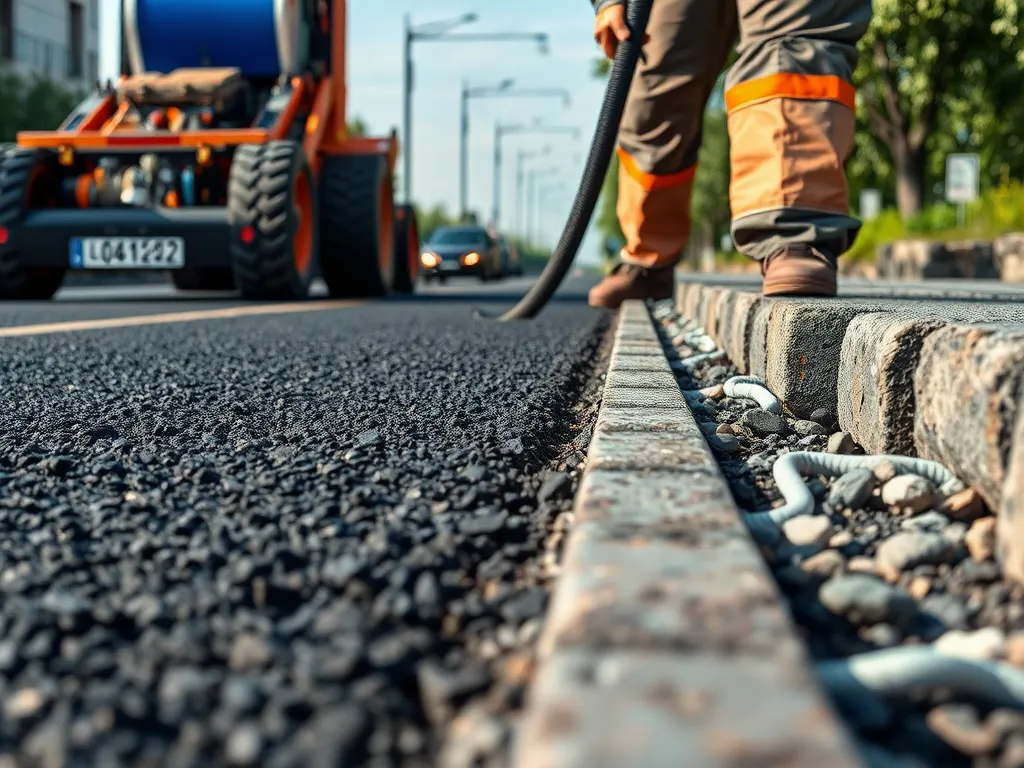
Modern heat-resistant asphalt varieties now serve critical roles in environments where thermal stress once caused rapid pavement failure. From heavy-load zones to urban spaces battling rising temperatures, these mixes deliver performance upgrades with precise engineering.
High-traffic Roads and Highways
Interstates carrying over 200,000 vehicles daily require mixes that resist rutting above 140°F. Polymer-modified binders with styrene-butadiene-styrene (SBS) additives now keep pavements stable under truck tire friction. Tennessee’s I-40 project used PG 82-22 grade binders, cutting rut depths by 42% versus traditional asphalt over three summers.
Airport Runways and Taxiways
Jet blast exhaust can spike surface temps beyond 180°F. Specially designed heat-resistant asphalt blends with crushed granite aggregates handle these extremes. Dallas/Fort Worth International Airport reported 30% fewer cracks after switching to epoxy-modified asphalt on runways, saving $1.2 million yearly in patch repairs.
Urban Parking Lots and Commercial Zones
Solar-reflective coatings on porous asphalt lower surface temps by 15-20°F in cities like Phoenix. These dual-purpose systems reduce stormwater runoff by 50% while deflecting infrared radiation. Major retailers now use light-colored chip seals over heat-tolerant bases to protect against oil spills and tire marks.
Recreational Surfaces (Courts, Trails, Etc.)
New color-stabilized asphalt mixes stay intact at 130°F for tennis courts and bike paths. Rubberized additives prevent softening during heat waves while providing cushioning. San Diego’s Mission Bay Park trails saw user injuries drop 18% after installing these UV-resistant surfaces.
With these diverse use cases proving their value, the next focus turns to quantifying performance gains. Let’s examine how heat-resistant road surfaces translate to measurable benefits for cities and taxpayers.
Also See: Asphalt Quality Control Processes for Durable Roads
Benefits Of Heat-resistant Asphalt Innovations
Modern heat tolerance asphalt solutions deliver measurable improvements for infrastructure projects. These breakthroughs reshape how cities build roads while meeting climate challenges head-on.
Enhanced Durability in Extreme Temperatures
Heat-resistant road surfaces maintain structural integrity under thermal stress. Polymer-modified binders like PG 82-22 withstand temperatures up to 160°F without rutting. Rubberized mixes blended with recycled tires boost flexibility during freeze-thaw cycles. Texas DOT reports 40% fewer cracks in test sections using these innovations in paving technology after five years.
Reduced Urban Heat Island Effect
Cool pavement technology slashes surface temperatures by 10-15°F compared to standard blacktop. Reflective coatings with titanium dioxide bounce back 30% more solar radiation. Phoenix saw nighttime ambient temperatures drop 4°F in treated parking lots. This asphalt innovation directly combats urban heat islands while cutting energy costs for nearby buildings.
Extended Pavement Lifespan and Lower Maintenance
Heat-resistant asphalt pavements last 15-20 years versus 8-12 for traditional mixes. High-silica aggregates resist weathering, while nano-clay additives prevent binder oxidation. Missouri highway crews reduced repair frequency by 60% using these sustainable asphalt formulas. Lifecycle costs plummet when resurfacing cycles stretch from 7 to 12 years.
These performance gains stem from precise manufacturing methods. Next, we’ll break down how production techniques transform raw materials into next-gen paving solutions.
Manufacturing Processes for Heat-resistant Asphalt
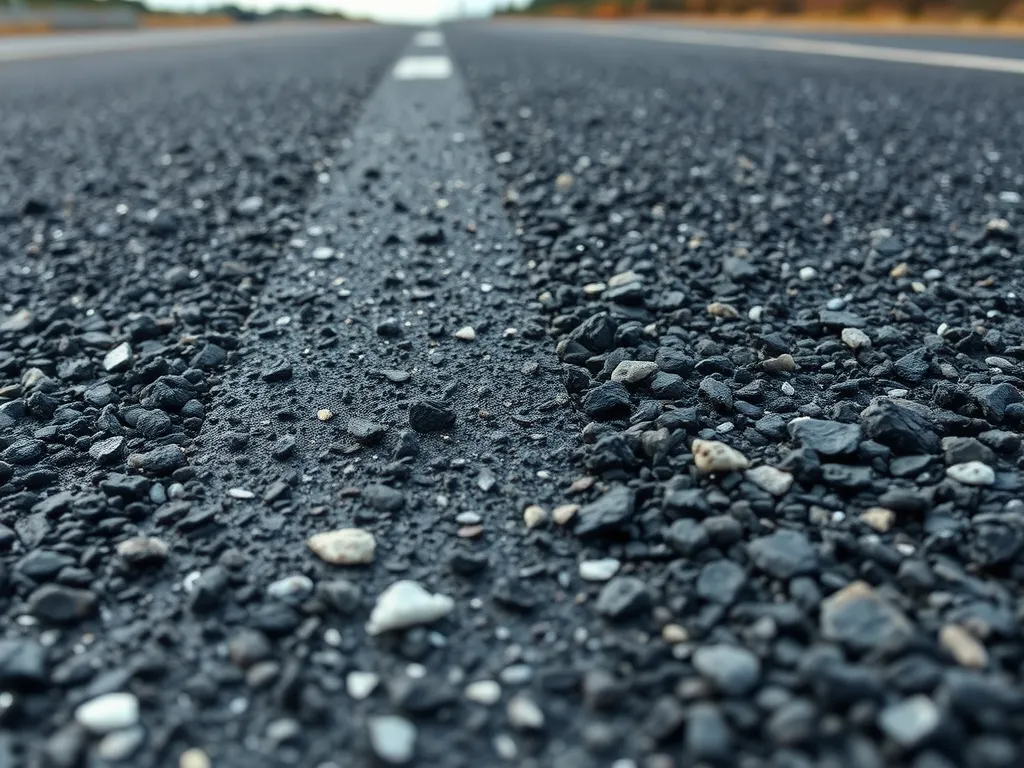
Building heat-resistant asphalt starts with smart material picks and precise steps. Each choice shapes how pavement handles heat stress over time.
Material Selection and Binder Modifications
PG (Performance Grade) binders form the base. These binders get mixed with modifiers like SBS (styrene-butadiene-styrene) or crumb rubber. SBS boosts heat tolerance up to 160°F. Recycled asphalt shingles (RAS) add stiffness. Some mixes use fibers or nano-clay to block cracks. This blend cuts rutting by 40% in hot zones.
Advanced Mixing and Compaction Techniques
Plants now use warm-mix tech to cook asphalt at 250°F instead of 300°F. Lower heat saves energy and cuts fumes. Rollers with GPS pack layers tighter, hitting 95% density goals. Sensors track temps live, ensuring even cooling. Proper compaction slashes air gaps, blocking moisture and heat damage.
These refined steps pave the way to weigh heat-resistant mixes against standard asphalt. See how they stack up under pressure.
Comparing Heat-resistant Asphalt to Traditional Asphalt
Heat-resistant asphalt differs from conventional mixes through targeted material engineering. Let’s break down its advantages in extreme conditions and financial impacts.
Performance Under High-temperature Stress
Traditional asphalt softens at 140°F, causing rutting and deformation. Heat-resistant variants maintain structural integrity up to 185°F using polymer-modified binders like PG 76-22H. These mixes integrate additives such as crumb rubber or synthetic waxes to boost thermal resistance. Phoenix, Arizona field tests show 63% less rutting on heat-resistant highways versus standard pavements after 5 years.
| Metric | Traditional Asphalt | Heat-Resistant Asphalt |
|---|---|---|
| Rut Depth (5 yrs) | 0.75″ | 0.28″ |
| Surface Temp | 158°F | 136°F |
| Crack Formation | High | Low |
Long-term Cost-benefit Analysis
Heat-resistant asphalt carries a 30-40% higher initial cost ($85-$110 per ton vs. $60-$80 for traditional). Yet its 50% longer lifespan cuts lifecycle expenses. Texas DOT reports $3.20 saved per square foot over 20 years through reduced repairs. Cool pavement technologies also lower ambient temperatures by 7°F, slashing urban cooling costs by 15% in cities like Los Angeles.
With cities facing rising temps, these innovations reshape infrastructure planning. Next, we’ll examine detailed cost breakdowns for heat-resistant asphalt projects.

Cost Analysis Of Heat-resistant Asphalt Solutions
Heat-resistant asphalt mixes often carry higher upfront costs than standard asphalt. These investments pay off through reduced maintenance needs and extended service life in hot climates.
Initial Investment Vs. Lifetime Savings
Specialized heat-resistant asphalt costs $85-$120 per ton versus $50-$80 for traditional mixes. The 30-50% price jump stems from advanced materials like polymer-modified binders and reflective aggregates. Projects see lifetime savings of 15-25% from fewer repairs. For example, Phoenix highways using heat-tolerant PG 76-22 binder last 12-15 years instead of 8-10.
- Cool pavement tech adds $2.50-$4.50 per sq.ft. upfront but cuts surface temps by 12-25°F
- Porous asphalt systems cost 20% more initially but reduce stormwater management costs by 40%
Factors Influencing Pricing Of Innovative Asphalt Mixes
Four key elements drive costs for heat-resistant road surfaces:
- Binder grade: High-temperature PG binders (PG 70-28 to PG 82-34) add $8-$15 per ton
- Additives: Crumb rubber or silica fume increase mix costs by 18-22%
- Installation: Infrared compaction equipment raises labor costs 10-15%
- Regional factors: Coastal areas pay 8-12% more for salt-resistant thermal mixes
New warm-mix asphalt technologies help offset expenses. They lower production temps to 250-275°F, cutting fuel use by 20% during manufacturing.
These cost structures set the stage for examining environmental impacts – a critical factor shaping asphalt’s future.
Sustainability and Green Steps
New heat-resistant asphalt blends cut harm to Earth. Makers now mix in ways that save fuel and lower fumes.
Energy Savings in Making and Use
Warm-mix tech lets crews make asphalt at lower heat. This needs 30% less fuel and drops CO2 by 1/3. Some plants use sun power to run gear, slashing grid use. Reflective top coats bounce back sun rays. This keeps roads up to 20°F cooler, so nearby buildings use less AC. Cities like Phoenix see 15% lower energy bills in hot months.
Reuse Of Heat-proof Asphalt
Old heat-resistant roads get ground up for new mixes. Up to 30% reused stuff can go in fresh batches without losing heat fight. This saves $12 per ton versus all-new blends. Plants now crush and sort old pave in ways that keep the good bits—like tough stones and strong glue—for reuse. Tests show recycled slabs last just as long in 120°F heat.
These green steps push builders to ask: How do these new mixes hold up over time? Let’s look at real-world cases next.
Frequently Asked Questions (FAQ)
What Are the Long-term Benefits Of Using Heat-resistant Asphalt?
Using heat-resistant asphalt yields significant long-term benefits, including extended pavement lifespans, reduced maintenance costs, and increased resistance to rutting and cracking in extreme temperatures. These materials can last up to 20 years, compared to 8-12 years for traditional asphalt, saving municipalities on repair and replacement costs.
How Does Heat-resistant Asphalt Contribute to Urban Sustainability?
Heat-resistant asphalt helps combat the urban heat island effect, which contributes to higher temperatures in populated areas. By reflecting sunlight and reducing surface temperatures, these materials can lower nearby air conditioning costs and improve local air quality. Additionally, many heat-resistant mixes incorporate recycled materials, enhancing their sustainability profile.
Are There Specific Climate Conditions Where Heat-resistant Asphalt is Most Effective?
Heat-resistant asphalt is most effective in regions that experience extreme heat and high solar exposure, such as arid or semi-arid climates. States like Arizona and Texas benefit significantly from these innovations due to frequent high temperatures and intense sunlight, which can quickly degrade traditional asphalt pavements.
What Role Do Advanced Mixing Techniques Play in Heat-resistant Asphalt Performance?
Advanced mixing techniques, such as warm-mix asphalt production, allow for lower temperatures during the mixing process, which helps preserve the material properties of additives and binders. This results in better cohesion and durability, improving the overall performance of heat-resistant asphalt in extreme weather conditions.
Can Heat-resistant Asphalt Be Used in Colder Climates?
Yes, heat-resistant asphalt can be effectively used in colder climates. The enhanced flexibility and durability of these asphalt types allow them to cope with freeze-thaw cycles. However, the specific mix design may need to be adjusted to address the unique stresses experienced in those environments.
Closing Thoughts
Innovations in heat-resistant asphalt are transforming paving practices, making them more resilient and sustainable. Technologies like cool pavements, reflective coatings, and high-performance binder systems significantly enhance the durability of asphalt surfaces under extreme temperatures. Their applications extend from busy highways to urban parks, contributing to longer-lasting and more efficient infrastructure.
These advancements not only lead to reduced maintenance costs but also play a vital role in decreasing the urban heat island effect, promoting a cooler and healthier environment. As the construction industry continues to evolve, investing in heat-resistant asphalt becomes increasingly vital for urban planners and civil engineers.
For more detailed insights, consider visiting Asphalt Calculator USA, where you can access a wealth of information about asphalt technologies and calculations.
Useful References for You:
- Transportation Research Board (TRB, Peer-Reviewed Research & Circulars)
- Innovations in Hot-Mix Asphalt – FHWA-HIF-07-012 – Construction – Federal Highway Administration
- Amazon.com: Cofra Work Shoes – Heat Resistant Asphalt Footwear with Composite Safety Toe & Heat Defender Nitrile Rubber Outsole – Black : Clothing, Shoes & Jewelry
- Using Cool Pavements to Reduce Heat Islands | US EPA
- Review of regulation techniques of asphalt pavement high temperature for climate change adaptation | Journal of Infrastructure Preservation and Resilience | Full Text