
Breaking Ground: New Bitumen Additives Transform Road Construction
Published on: February 27, 2026 | Last Updated: April 14, 2025
Written By: George Voss
Innovations in bitumen additives are advanced materials that boost asphalt performance beyond conventional methods. These next-gen solutions—like bio-based polymers, nanoclay particles, and recycled rubber—modify bitumen’s chemical structure to handle heavier loads, resist cracking, and last longer. Unlike traditional additives such as basic polymers or sulfur, modern formulas target specific challenges like extreme heat (-40°F to 176°F tolerance) or urban stormwater management. The global market for these additives is projected to grow 6.2% annually through 2030, driven by demand for durable roads and eco-friendly materials.
This article explores how new additive technologies work, their real-world benefits, and where they’re making an impact. We’ll break down four key categories—polymers, bio-materials, nanotechnology, and recycled additives—and show how they improve highways, city roads, and climate-vulnerable pavements. You’ll also see cost comparisons, environmental data, and emerging trends shaping infrastructure projects nationwide.
Contents
Introduction to Bitumen Additives
Bitumen additives transform asphalt performance. These specialized materials address climate challenges, traffic demands, and sustainability needs. Let’s break down their core components and functions.
Defining Bitumen and Its Role in Asphalt
Bitumen—a petroleum byproduct—serves as asphalt’s glue. This viscous binder holds aggregates like crushed stone and sand together, forming durable pavements. Standard bitumen meets basic needs but struggles with temperature extremes. At 140°F, it softens; below 40°F, cracks form. PG (Performance Graded) binders set quality benchmarks, while Superpave mixes ensure precise material ratios.
The Purpose Of Additives in Bitumen Modification
Additives upgrade bitumen’s weaknesses. Traditional mixes fail under heavy truck traffic or freeze-thaw cycles. Modified bitumen additives tackle these gaps: • Polymers boost elasticity • Crumb rubber from tires resists rutting • Bio-oils replace 20-30% of fossil-based binders These tweaks prevent potholes, extend pavement life by 35%, and slash maintenance costs. Recent bitumen additives research focuses on multi-functional solutions—materials that repel water while lowering production temperatures by 50°F.
The shift from basic mixes to high-performance asphalt didn’t happen overnight. Next, we’ll trace how additives evolved from simple stabilizers to today’s climate-smart technologies.
Evolution Of Bitumen Additives for Asphalt
Bitumen additives have transformed dramatically since the 20th century. Early roadbuilders relied on basic materials like hydrated lime or sulfur to combat moisture damage and cracking. Today’s solutions leverage polymer science, nanotechnology, and renewable resources to tackle modern infrastructure challenges.
From Traditional to Cutting-edge Solutions
The 1980s marked a turning point with polymer-modified binders like styrene-butadiene-styrene (SBS), boosting asphalt’s elasticity. By the 2000s, crumb rubber from recycled tires gained traction for noise reduction and crack resistance. Recent breakthroughs include lignin-based additives derived from plant biomass and silica nanoparticles that fill micro-cracks at the molecular level. Superpave mix designs now integrate these materials with precision, aligning binder performance grades (PG) to regional climate needs.
Key Drivers for Advanced Bitumen Additive Development
Three factors push innovation: traffic demands, environmental mandates, and material efficiency. Truck freight volumes grew 40% since 2000, requiring pavements to withstand 20+ years of 80 kN axle loads. EPA regulations now cap VOC emissions from asphalt plants at 0.0034 grams per cubic meter, pushing adoption of low-temperature mixes with warm-mix additives. Recycled asphalt pavement (RAP) usage hit 95 million tons annually in the US, aided by rejuvenators that restore aged binders at half the cost of virgin materials.
These advancements set the stage for examining specific additive categories reshaping pavement technology.
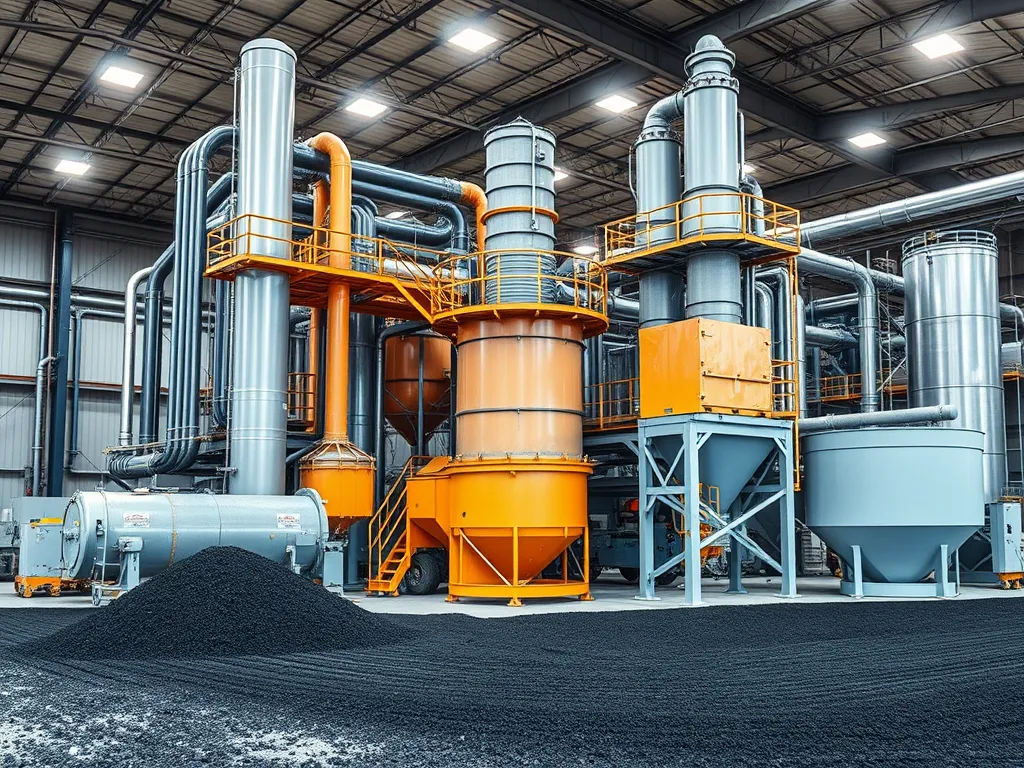
Types Of Innovative Bitumen Additives
Modern road construction relies on four primary categories of modified binders. These solutions tackle specific challenges while pushing performance boundaries.
Polymer-based Asphalt Additives
Styrene-butadiene-styrene (SBS) or ethylene-vinyl acetate (EVA) polymers dominate this category. They transform standard binders into flexible, high-performance materials.
Enhanced Durability and Flexibility
SBS-modified mixes withstand rutting at 140°F while resisting cracking below -20°F. Polymer networks within the bitumen matrix improve tensile strength by 300-400% compared to virgin binders. Roads using these modified binders frequently last 7-10 years longer than conventional pavements.
Bio-based Asphalt Additives
Derived from renewable sources like vegetable oils, lignin, or microalgae, these binders cut fossil fuel dependence. Bio-additives now comprise up to 15% of some commercial modified binders.
Renewable Materials for Sustainable Mixes
Waste cooking oil additives lower mixing temperatures by 54°F, reducing energy use. Lignin-enhanced binders demonstrate comparable stiffness to PG 64-22 grades while cutting production emissions by 18%. Projects using bio-modified mixes frequently qualify for LEED certification points.
Nanotechnology-enhanced Additives
Nano-silica, graphene, or carbon nanotubes redefine binder performance at microscopic scales. These particles measure between 1-100 nanometers – 1/1000th the width of human hair.
Microscopic Improvements in Asphalt Performance
Adding 2% nano-clay improves aging resistance by 40% through reduced oxidation. Graphene-doped binders show 60% higher thermal conductivity, enabling faster cooling during placement. Field trials report 35% less reflective cracking in nano-modified pavements over five years.
Recycled Material Additives
Industrial byproducts find new life as performance-enhancing modifiers. Fly ash, steel slag, or recycled tire rubber now supplement traditional binder formulations.
Incorporating Industrial Byproducts
Crumb rubber additives (up to 20% by weight) reduce road noise by 5 decibels while improving skid resistance. Steel slag-modified mixes achieve Marshall Stability values exceeding 15 kN – 25% higher than standard hot-mix asphalt. These solutions divert 30 million tons of waste from landfills yearly.
With these binder innovations reshaping material capabilities, engineers now focus on quantifying their real-world performance under traffic stresses.
Also See: Hot Mix Asphalt Temperature Guidelines: Key Practices
Performance Benefits Of Modern Bitumen Additives
Cutting-edge bitumen additives transform how pavements function. By modifying key traits, these solutions tackle common road issues while pushing limits on what asphalt can do.
Improved Temperature Resistance in Asphalt Pavements
New bitumen additives help roads survive brutal conditions. Polymer-based options like Styrene-Butadiene-Styrene (SBS) allow asphalt to stay flexible at -40°F while resisting softening at 176°F. Nano-clay additives form a barrier against UV rays and oxidation, cutting thermal cracking by up to 60% in trials by MnROAD. This dual-action capability makes roads viable in zones with wild swings, such as mountain passes or desert highways.
Enhanced Load-bearing Capacity for Heavy Traffic
High-traffic corridors now last longer thanks to advanced bitumen additives. Cross-linked polyethylene (XLPE) boosts stiffness by 300% in PG 76-22 binders, allowing pavements to handle over 10,000 trucks daily without rutting. A 2023 study on Germany’s Autobahn showed additive-blended sections lasting 15 years vs. 8 years for standard mixes. Crumb rubber additives also absorb shock, reducing surface fatigue in ports and logistics hubs.
Increased Longevity Of Road Surfaces
Modern additives add years to pavement lifespans. Bio-oil modifiers slow aging by replacing volatile binders lost to oxidation, with Texas DOT reporting a 35% drop in crack sealing over seven years. Graphene-doped additives create a denser matrix, blocking water infiltration that causes potholes. Such innovations help agencies slash maintenance costs—up to $45,000 per lane mile saved annually in Michigan pilot projects.
With roads now built to last longer under stress, focus shifts to applying these materials in specific scenarios. Upcoming solutions target climate-specific mixes and urban traffic patterns.

Road Construction Applications
New bitumen additives shape how we build roads today. These mixes solve old issues and meet fresh needs.
Optimal Bitumen-additive Combinations for Highways
Highways need tough surfaces. SBS polymers (styrene-butadiene-styrene) boost strength. Crumb rubber from old tires cuts noise by 5 decibels. Gilsonite, a natural asphalt, adds heat resistance up to 160°F. These blends handle 20,000+ cars daily with less rutting. States like Texas now use PG 82-22 binders with these mixes for 15-year lifespans.
Urban Road Solutions With Modified Bitumen
City roads fight wear from buses, bikes, and weather. Warm-mix additives let crews pave at 250°F vs 300°F. This cuts fuel use by 20%. Bio-oils from plants replace 30% of standard binders. Porous asphalt with polymer gels drains 500 gallons per hour, reducing floods. Cities like Portland use these to meet green codes.
- Warm-mix tech: Lowers job site emissions by 35%
- Recycled plastic fibers: Add crack resistance in freeze-thaw zones
Specialized Mixes for Extreme Climate Zones
Arctic roads need cold-flex blends. Wax additives keep asphalt soft at -40°F. Desert pavements use clay-graphene mixes to block UV damage. Superpave specs now include nano-silica for 40% better aging resistance. Alaska’s Dalton Highway uses polymer grids with bitumen to stop cracks in permafrost zones.
These steps in bitumen additive tech set the stage for greener roads. Next, we’ll break down how these gains help the planet.
Sustainability Advantages
New bitumen additives slash the eco-impact of roads. They tackle climate risks while boosting pavement life. Three fronts drive progress: cleaner mixes, smarter production, and reuse gains.
Reducing Carbon Footprint Through Eco-friendly Additives
Bio-based bitumen additives cut CO2 by 15-30%. Plant oils, lignin (wood fiber), and algae binders replace fossil fuels. For example, pine resin additives boost road grip in wet zones. These green options meet PG binder specs (asphalt grade rules) without performance loss. Tests show bio-additives resist rutting at 122°F and cracking at -22°F.
Energy-efficient Asphalt Production Methods
Warm-mix tech drops plant temps from 320°F to 250°F. Foaming agents and wax additives make mixes flow easier. This trim cuts fuel use by 20-35%. Lower heat means fewer fumes – plants report 50% less NOx and SOx emissions. Some states now mandate warm-mix for all fed-funded jobs.
Recycling Potential Of Additive-modified Asphalt
Additives let mills reuse 40-50% old pavement (RAP). Rejuvenators soften aged binder in RAP, restoring flexibility. Trials in Texas roads blended 75% RAP with soybean-based additives. Results matched virgin mix strength at 30% lower cost. Each ton of RAP saves 3.2 gal fuel and 384 lbs mining waste.
These green gains raise key questions. How do these solutions hold up under 18-wheelers? Can bio-additives beat desert heat? We tackle these next.

Frequently Asked Questions
What Are the Most Effective Additives for Road Construction Bitumen?
The effectiveness of bitumen additives largely depends on the specific requirements of the road construction project. Generally, polymer-based additives like Styrene-Butadiene-Styrene (SBS) enhance flexibility and resistance to extreme temperatures, while bio-based additives contribute to sustainability. For heavy traffic areas, crumb rubber additives are often used to improve shock absorption and reduce wear.
How Do Bio-based Additives Improve Asphalt Sustainability?
Bio-based additives improve asphalt sustainability by replacing fossil fuel-derived materials with renewable sources such as plant oils and lignin. This not only reduces the carbon footprint associated with asphalt production but also promotes the use of materials that are often biodegradable, thereby enhancing the overall environmental footprint of road construction.
Can Modified Bitumen Maintain Performance in Extreme Conditions?
Yes, modified bitumen can maintain performance in extreme conditions due to the inclusion of specialized additives. For instance, polymer-modified binders are engineered to remain flexible in cold temperatures and retain their structural integrity in extreme heat, making them suitable for various climate challenges across different regions.
What Innovations Are Emerging in Bitumen Additive Technology?
Emerging innovations in bitumen additive technology include advancements in nanotechnology, which utilizes microscopic particles to improve performance characteristics, as well as the development of smart additives that can adapt to environmental conditions. Research is also focusing on integrating artificial intelligence to predict performance characteristics based on climatic and traffic conditions.
How Do Additive-modified Asphalts Compare in Cost to Traditional Mixtures?
While the upfront cost of additive-modified asphalts may be higher due to the materials used, they often result in lower long-term maintenance costs and extended pavement lifespan. Studies indicate that regions using advanced additives can save significantly on repairs and maintenance over time, resulting in a cost-efficient investment for municipalities and contractors in the long run.
What Role Do Additives Play in Enhancing Road Safety?
Additives play a significant role in enhancing road safety by improving skid resistance and reducing the likelihood of cracking and rutting. For example, crumb rubber additives improve surface texture and contribute to noise reduction, while bio-based additives can enhance the grip of asphalt in wet conditions, ultimately leading to safer driving environments.
Are There Any Regulations Governing the Use Of Bitumen Additives?
Yes, there are various regulations and performance standards governing the use of bitumen additives to ensure safety and environmental compliance. These vary by region and typically emphasize limiting volatile organic compounds (VOCs) and ensuring performance-based specifications for different climates and traffic conditions. Local and national standards (such as those from the ASTM) outline acceptable practices for using these materials in construction.
Closing Thoughts
Innovations in bitumen additives are transforming asphalt technology, enhancing performance, sustainability, and resilience. From polymer-based compounds that boost durability to bio-based options promoting eco-friendliness, advancements are shaping how we build roads. These innovations not only meet the demands of heavy traffic but also adapt to extreme climates and support recycling efforts, significantly reducing the carbon footprint of asphalt production.
The continuous research in this field ensures that new solutions are always on the horizon, paving the way for smarter, more efficient infrastructure projects. As construction practices evolve, the adoption of these advanced additives will only grow, promising safer and longer-lasting roadways for our communities.
For further information and resources, check out Asphalt Calculator USA.
Useful References for You:
- Transportation Research Board (TRB, Peer-Reviewed Research & Circulars)
- Highways Magazine – Total innovations in bitumen technology
- Behind the bitumen – Viva Energy Australia
- Bitumen Additives for Adhesives and Sealants
- How technological innovations are disrupting the asphalt mixing plants demand | Roads and Bridges

