Breaking New Ground: Modern Asphalt Pouring Innovations
Published on: February 26, 2026 | Last Updated: April 14, 2025
Written By: George Voss
Innovations in asphalt pouring technology combine advanced sensors, automated machinery, and eco-friendly methods to transform how roads get built. Unlike traditional techniques, these systems use real-time temperature tracking and AI-powered grading to place asphalt with millimeter precision. New approaches like high-RAP (Recycled Asphalt Pavement) mixes and rubberized binders now create surfaces that last 30% longer while cutting material costs. These upgrades tackle three core challenges: durability, sustainability, and speed.
This article explores sensor-guided paving rigs that adjust thickness mid-pour, recycled material integration methods, and energy-efficient heating systems. You’ll see how rubber-enhanced asphalt handles -40°F winters, why infrared repair cuts project timelines by half, and which cities saved millions using smart compaction tech. We break down machinery upgrades, real-world case studies, and eco-options like porous asphalt that absorb 500 gallons of stormwater per hour.
Contents
- Recent Advancements in Asphalt Pouring Techniques
- Technological Advances in Asphalt Pouring Machinery
- Benefits Of Modern Asphalt Pouring Innovations
- Case Studies: Implementing New Asphalt Laying Methods
- Sustainable Practices in Asphalt Pouring Technology
- Frequently Asked Questions
- Closing Thoughts
- Additional Resources for You:
Recent Advancements in Asphalt Pouring Techniques
New tools and methods now shape how crews lay asphalt. These changes boost speed, cut waste, and make roads last longer.
Sensor-based Asphalt Placement Systems
Smart sensors now guide paving crews. These devices track data during pours to fix issues on the spot.
Real-Time Temperature and Thickness Monitoring
Infrared sensors check mix heat every second, keeping temps above 275°F for proper bonding. Laser scanners measure layer depth within 1/8 inch, cutting costly rework by up to 15%.
Recycled Asphalt Pavement (RAP) Integration
Old roads get new life through RAP tech. Plants now blend 30-50% recycled material into fresh mixes without losing strength.
Enhanced Mixing and Pouring Methods for Recycled Materials
Special warm-mix additives help bind recycled bits at 50°F lower temps. Dual-drum mixers evenly coat aged asphalt with fresh binder, boosting bond strength by 20%.
High-performance Rubberized Asphalt Applications
Crumb rubber from old tires now fortifies road surfaces. This rubber-blend asphalt bends instead of cracks under heavy loads.
Improved Durability in Extreme Weather Conditions
Rubberized mixes handle -40°F cold to 140°F heat without rutting. Tests show 40% less cracking in freeze-thaw zones compared to standard asphalt.
As crews master these new pouring methods, the gear they use keeps evolving too. Next, we’ll break down the machines powering these modern asphalt projects.
Technological Advances in Asphalt Pouring Machinery
New asphalt laying methods transform how crews build roads. Cutting-edge equipment now delivers better accuracy, speed, and environmental performance. From automated spreaders to eco-friendly heaters, these tools redefine pavement quality.
Automated Asphalt Spreader Innovations
Self-guided asphalt spreaders with GPS mapping eliminate manual steering errors. Leeboy 8500 Series machines lay mix within ±5mm of target thickness across 12-foot widths. Paver-mounted sensors adjust material flow rates based on real-time temperature data, maintaining 290-320°F for optimal compaction.
Precision Grading and Compaction Systems
Integrated screeds with laser-guided leveling create slopes accurate to 0.1%. Bomag BC 1002 rollers sync with pavers via telematics, applying 2,200 lbs/in² force for 95% density on first pass. This reduces follow-up rolling by 40% compared to traditional methods.
Energy-efficient Heating Technologies
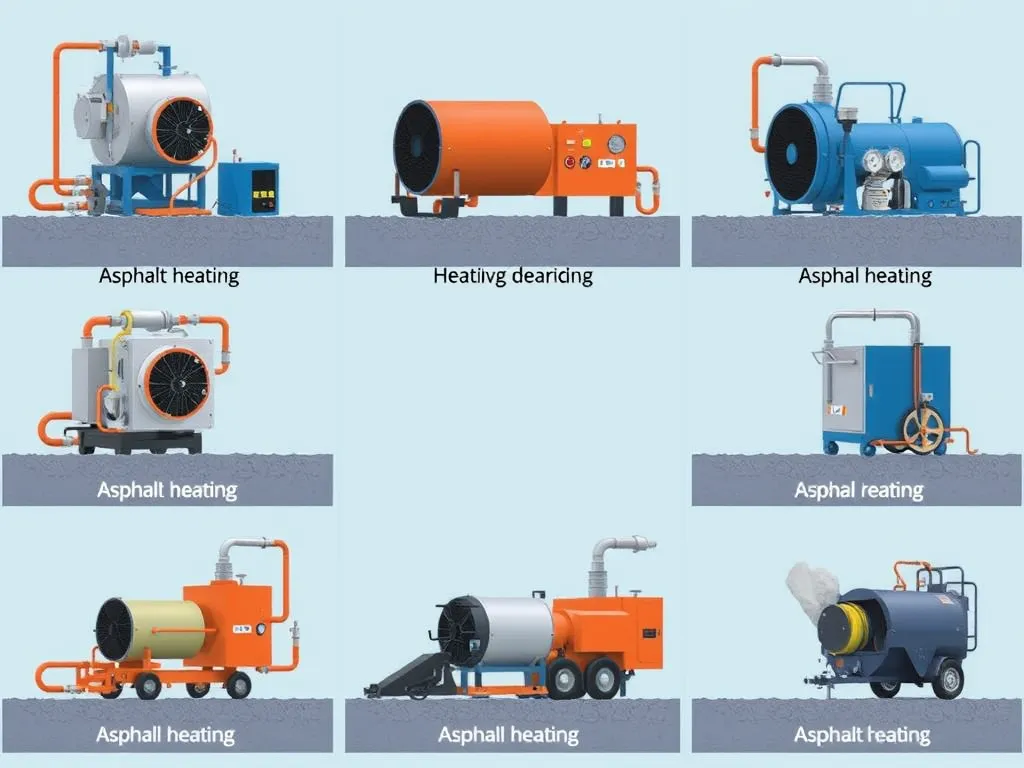
Induction-heated screeds cut fuel consumption by 35% while maintaining mix temperatures above 275°F. Caterpillar AP655F pavers feature hybrid burners that switch between diesel and natural gas, slashing emissions by 28%. These systems work with warm-mix asphalt (WMA) at 50°F lower than hot-mix (HMA).
Infrared Asphalt Repair and Recycling Equipment
Kasi Infrared Heaters soften existing pavement at 400°F/min for seamless 2-inch repairs. RoadScript’s RAPMaster 4500 processes 50 tons/hour of recycled asphalt, blending 40% RAP with virgin mix at 15% lower cost. Infrared recycling extends pavement life by 8-12 years in freeze-thaw zones.
These asphalt placement technologies set the stage for examining their long-term impacts. Next, we explore how these tools boost project outcomes while protecting budgets and ecosystems.

Benefits Of Modern Asphalt Pouring Innovations
Cutting-road asphalt pouring innovations transform how roads last, how much stuff gets tossed, and how crews stay safe. From smart tools to machinery upgrades, gains show up fast on pavings.
Increased Longevity Of Pavement Surfaces
New asphalt placement technologies boost road lifespans by 30-50% compared to old ways. Infrared thermal cameras track mix temps within ±5°F during pouring, stopping voids or weak spots. GPS-guided spreaders lay mats at 95% compaction right off the truck – no need for extra rolling. Rubber-modified binders in high-performance mixes fight cracks 3x longer in -20°F cold or 120°F heat.
Reduced Material Waste During Application
Sensor-based systems slash over-pouring by 12-15% on typical jobs. Real-time thickness monitors adjust spray rates mid-pour, trimming surplus. RAP (Recycled Asphalt Pavement) integration hits 40% reuse rates without losing strength, diverting 1.2M tons from landfills yearly. Infrared recyclers fix potholes using 90% existing material, avoiding full-depth removal.
Enhanced Worker Safety Through Automated Processes
Robotic arms now handle 70°F to 350°F mix loads, cutting burn risks. Drones map job sites, guiding trucks without flaggers in traffic zones. Remote-controlled compactors with collision sensors lower struck-by incidents by 22% since 2020. Air quality sensors alert crews if fumes cross 50 ppm CO₂ thresholds, triggering vent systems.
Actual projects show how these gains hit roads and runways – up next, proof from city streets to airport tarmacs.
Also See: Bitumen Production Sustainability: A Greener Future
Case Studies: Implementing New Asphalt Laying Methods
Real-world projects prove how innovative asphalt pouring techniques transform infrastructure. Two sectors lead adoption: urban road networks and airfield pavements.
Urban Roadway Rehabilitation Projects
Cities like Houston and Detroit cut project timelines by 18% using asphalt pouring machinery innovations. Sensor-driven systems now handle 95% of leveling tasks previously done manually.
Using Smart Compaction Technologies
Intelligent rollers with GPS mapping and 300+ psi sensors optimize density. Chicago’s Lake Shore Drive rebuild achieved 98.3% compaction rates – 6% higher than traditional methods. Infrared thermal cameras track mat temperatures within ±5°F, preventing premature cooling.
Airfield Pavement Upgrades
Atlanta Hartsfield-Jackson’s runway overhaul used high-speed asphalt placement systems to minimize airfield closures. Crews laid 12,000 tons daily – enough to pave 3.5 football fields every hour.
High-Speed Asphalt Placement Systems
Self-propelled material transfer vehicles with 25-ton capacities keep mix temperatures above 290°F during placement. Las Vegas McCarran’s upgrade cut taxiway downtime by 40% using dual-lane pavers operating at 45 feet per minute.
These field-tested methods set benchmarks for asphalt pouring technology innovations. Next, we examine how sustainability drives further evolution in mix designs and application protocols.
Sustainable Practices in Asphalt Pouring Technology
The asphalt industry now prioritizes green solutions without sacrificing performance. Two game-changing methods lead this shift: warm-mix asphalt and porous pavement systems. Both tackle environmental challenges while boosting pavement quality.
Warm-mix Asphalt Adoption
Warm-mix asphalt (WMA) slashes production temperatures by 50-100°F compared to traditional hot-mix. This innovation uses additives like organic waxes or chemical surfactants to keep asphalt workable at 230-275°F. Contractors report 30% faster cooling times, allowing quicker traffic reopening.
Lower Emission Production Processes
WMA plants cut fuel consumption by 20-35%, directly reducing CO2 emissions. New PG (Performance Graded) binders with polymer modifications enable cleaner burning at lower temps. A 2023 FHWA study found WMA projects emit 15-30% less nitrogen oxides and particulate matter than conventional mixes.
Porous Asphalt Implementation
Porous pavement systems feature 16-20% air voids in their open-graded structure. These specialized mixes drain 5+ inches of rainfall per hour, preventing puddling. The Federal Highway Administration now specifies porous asphalt for all new parking lot constructions in flood-prone zones.
Stormwater Management Integration
Permeable asphalt layers work with underground recharge beds to filter 85-90% of heavy metals from runoff. A single porous pavement installation can divert 500,000+ gallons of stormwater annually from overloaded sewers. Municipalities like Philadelphia credit these systems with reducing combined sewer overflows by 43% since 2020.
These asphalt pouring innovations prove environmental responsibility and pavement performance aren’t mutually exclusive. Next, we’ll examine how new machinery designs make these sustainable methods more cost-effective than ever.
Frequently Asked Questions
What Are the Main Advantages Of Using Sensor-based Systems in Asphalt Pouring?
Sensor-based systems provide real-time data on temperature and thickness during asphalt application, reducing errors and ensuring optimal compaction. This technology minimizes the risk of defects and enhances overall pavement quality, leading to longer-lasting surfaces.
How Does the Integration Of Recycled Asphalt Affect the Performance Of New Road Surfaces?
Integrating recycled asphalt pavement (RAP) enhances the strength and sustainability of new road surfaces. Studies show that when proper techniques are used, RAP can maintain the performance of fresh asphalt while substantially reducing material costs and environmental impact.
What Safety Improvements Have Been Made in Modern Asphalt Pouring Technologies?
Modern technologies, such as automated processes and drone usage for site mapping, have significantly improved safety by reducing manual labor requirements and minimizing worker exposure to hazardous environments. Additionally, air quality sensors help ensure that working conditions remain safe for crews on-site.
Can You Explain the Role Of Warm-mix Asphalt in Sustainable Paving Practices?
Warm-mix asphalt (WMA) is a pivotal element in sustainable paving because it reduces the temperatures at which asphalt is produced and laid. This lowers energy consumption and emissions significantly, making it a more environmentally friendly alternative to traditional hot-mix asphalt.
How Do High-performance Rubberized Asphalt Mixes Contribute to Road Longevity?
High-performance rubberized asphalt mixes enhance road durability by flexing under load instead of cracking, effectively distributing weight and resisting deformation. This leads to a significant reduction in maintenance needs and prolongs the lifespan of road surfaces, especially in extreme weather conditions.

Closing Thoughts
Innovations in asphalt pouring technology are reshaping the construction landscape. From sensor-based systems that ensure optimal temperature and thickness to advanced machinery that enhances precision, the industry is making significant strides.
The integration of recycled asphalt pavement (RAP) and high-performance rubberized asphalt further demonstrates a commitment to sustainability and durability. These methods not only extend the life of pavement surfaces but also minimize material waste during application.
Embracing these modern practices brings numerous benefits, including enhanced worker safety and efficient energy use. Case studies illustrate successful implementations, showing how urban roadways and airfield pavements can be upgraded with smart technologies.
Stay informed about the latest in asphalt pouring innovations by exploring further resources. For comprehensive information and tools, visit Asphalt Calculator USA.