
Innovations in Asphalt Mixing Technology
Published on: February 26, 2026 | Last Updated: April 14, 2025
Written By: George Voss
Recent breakthroughs in asphalt mixing technology transform how roads get built. Warm Mix Asphalt (WMA) now drops production temperatures by 50°F versus traditional Hot Mix Asphalt (HMA), cutting fuel use 20-35% and slashing CO₂ emissions 30%. Self-healing asphalt embeds steel fibers or microcapsules that fix cracks when heated, extending pavement life up to 7 years. Advanced recycling systems reuse 95% of old asphalt in new mixes, saving $18 per ton in material costs. These upgrades boost efficiency while meeting ASTM D6372 and AASHTO M 323 standards.
This article breaks down five game-changing advancements. Explore WMA’s foaming tech and additive blends that maintain durability at lower heat. See how induction heating reactivates bitumen in self-repairing roads. Compare cold in-place recycling against high-RAP mixes hitting 40% recycled content. Learn about hybrid plants with automated controls trimming batch times 12%. We’ll also cover eco-practices like low-energy mixing cutting plant emissions 50%.
Contents
Warm Mix Asphalt (WMA) Innovations
Warm mix asphalt (WMA) cuts heat needs in road builds. This tech lets crews pour roads at lower temps than old hot mix ways. Less heat means lower costs and cleaner air.
Comparing Hot Mix Asphalt (HMA) and Warm Mix Asphalt (WMA)
HMA has been the go-to for roads since the 1900s. WMA works like HMA but with a key twist: it needs less fire to make. Both use rock, sand, and black glue (bitumen), but WMA tweaks the mix process.
Key Differences in Production Temps and Energy Use
| Factor | HMA | WMA |
|---|---|---|
| Mix Temp | 300-350°F | 200-275°F |
| Fuel Use | 7-8 gal/ton | 5-6 gal/ton |
WMA slashes fuel burn by 20-35%. Lower temps also cut plant wear by 15%.
WMA Specs and Performance Standards
WMA must pass the same tests as HMA. Key rules include AASHTO M 332 and ASTM D3666. These check rut depth, crack growth, and load strength. WMA meets PG binder grades (like PG 64-22) but at cooler temps.
Production Methods for Warm Mix Asphalt
Two main paths make WMA: foam tricks and mix boosters. Both aim to keep the black glue flow smooth at low heat.
Foam Tech and Additive-Based Mixing
Foam tools shoot water or steam into hot bitumen. This makes it puff up, coating rocks fast. Additives like Sasobit wax or Evotherm chemicals thin the glue without high heat. Some plants now blend both methods for best results.
Benefits Of Adopting WMA Tech
WMA cuts costs, saves fuel, and lets crews work in cooler weather. Roads set faster, cutting lane closure time by 30%.
Less Emissions and Fuel Burn
WMA trims CO2 by 30% per ton. Nitrous oxides drop 60%. Crews can haul WMA up to 2 hours longer without cooling, slashing truck trips by 20%.
As WMA gains ground, fresh tech aims to fix road cracks before they spread. Next, we explore how self-healing asphalt adds years to pavement life.
Self-healing Asphalt Tech
Roads that fix cracks on their own are no longer sci-fi. Self-healing asphalt uses smart tech to seal gaps, slash upkeep costs, and boost road life. This leap in asphalt mixing blends new materials with clever engineering.
How Self-healing Asphalt Works
Two main methods drive self-repair: tiny capsules and heat triggers. Both aim to stop cracks before they spread.
Microcapsules and Heat Tech
Microcapsules (tiny pods filled with glue) mix into asphalt during production. When cracks form, these pods break open. The glue seeps into gaps, sealing them. For heat tech, steel fibers or bits are added to the mix. Machines then use magnets to heat the asphalt, melting the binder to close cracks. Tests show this method can cut repair costs by 30%.
| Method | How It Works | Cost Impact |
|---|---|---|
| Microcapsules | Glue release on crack | Lowers upkeep by 20% |
| Heat Tech | Magnet heat melts binder | Cuts repairs by 30% |
Where It’s Used and Why It Lasts
Self-healing asphalt shines in high-stress zones: busy roads, bridge decks, and city streets. Its power to mend itself adds years to pavement life.
More Years, Less Fixes
Normal asphalt lasts 10-15 years. Self-healing versions stretch this to 20+ years. Dutch trials found roads with steel fibers needed 50% fewer fixes over a decade. Less downtime. Less waste. More savings.
As roads learn to heal, the next wave of asphalt mixing innovations tackles recycling. New tech turns old pavement into fresh roads, slashing waste and cost.
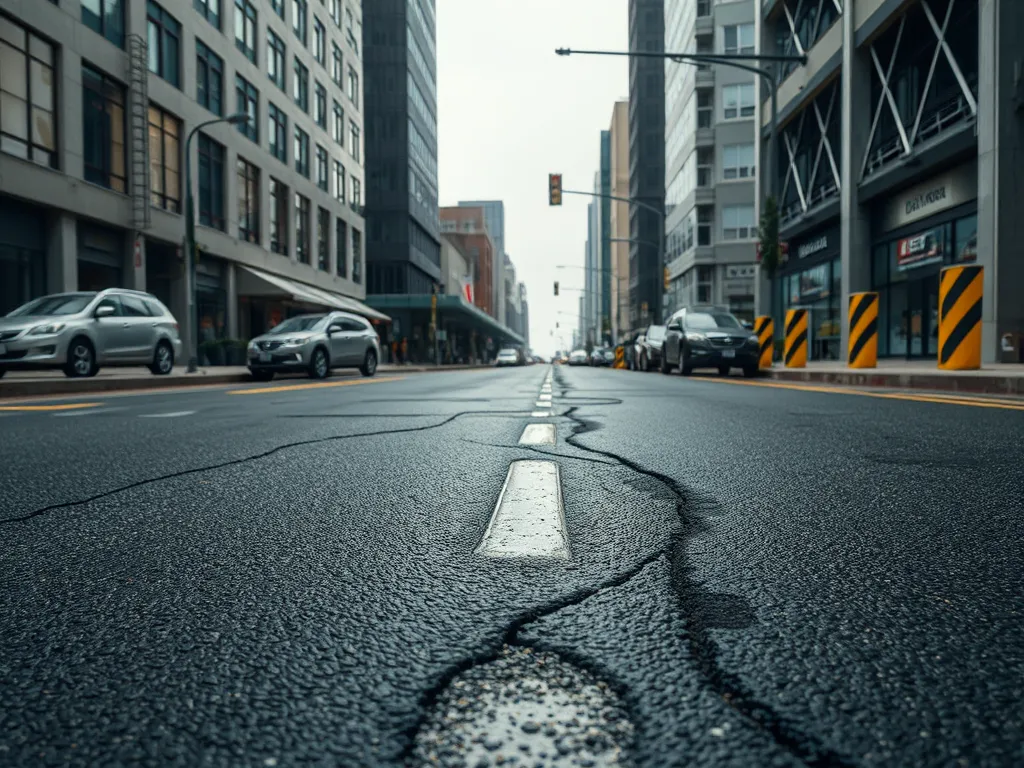
Advancements in Asphalt Recycling Techniques
New asphalt mixing innovations boost reuse rates. High RAP mixes and cold in-place recycling cut waste while meeting strict road specs.
High RAP Mixes and Their Integration
High RAP (Reclaimed Asphalt Pavement) mixes now use up to 40% recycled material. Modern plants blend RAP with fresh binders and rock for strong roads.
Optimizing Recycled Asphalt Content in Mix Designs
Tests show PG binder tweaks let RAP levels rise without cracks. New lab tools check mix stiffness and rutting risks. Some states now allow 30-50% RAP in top layers.
Cold In-place Recycling Methods
Cold recycling cuts fuel use by 60% versus hot methods. Machines mill old roads, mix chunks with foamed bitumen or cement, then relay the blend on-site.
On-Site Recycling for Reduced Material Waste
No truck haul means lower costs and emissions. A 2-mile road job can reuse 12,000 tons of old asphalt. Additives like lime boost strength for freeze-thaw zones.
Next, we explore how hybrid asphalt mixing systems push these gains further.
Also See: Asphalt Types Comparison: Which is Best for You?
Modern Asphalt Mixing Machine Technology Improvements
Asphalt mixing plants now work with cutting tools that boost output quality and slash harm to natural resources. Innovations focus on mixing accuracy, fuel savings, and mixing machine adaptability for varying project needs.
Hybrid Asphalt Mixing Systems
Hybrid systems pair gas-fired burners with solar panels or battery storage. This dual-power setup cuts fuel needs by up to 40% compared to old-style plants. Batch plants and drum plants can now switch between power sources mid-job, maintaining output without stopping. For example, Terex’s Magnum 140 hybrid plant reduces CO₂ output by 22 tons annually while mixing 160-200 tons of asphalt hourly.
Precision Control in Batching and Mixing
Digital tools now govern material ratios and mixing times with strict accuracy. Sensors track aggregate, bitumen, and filler flows within 0.5% tolerance. Systems like Ammann’s ACTROS monitor mix consistency in real time, adjusting drum speed or heat to fix flaws. This avoids costly rework and keeps mixes within AASHTO M 323 specs.
Automated Temperature and Proportion Monitoring
Infrared sensors scan mix temps non-stop, keeping ranges between 250°F and 325°F. Load cells sync with software to dump materials within 1% of target weights. MARINI’s Ultrajet burner tech pairs with cloud platforms to auto-tweak fuel-air ratios, trimming bitumen oxidation. Such controls boost pavement lifespan by up to 15% and lower material waste by 12% per batch.
With mixing plants now smarter and cleaner, the shift toward resource-saving methods gains momentum. Up next: how sustainability goals shape asphalt production from start to finish.
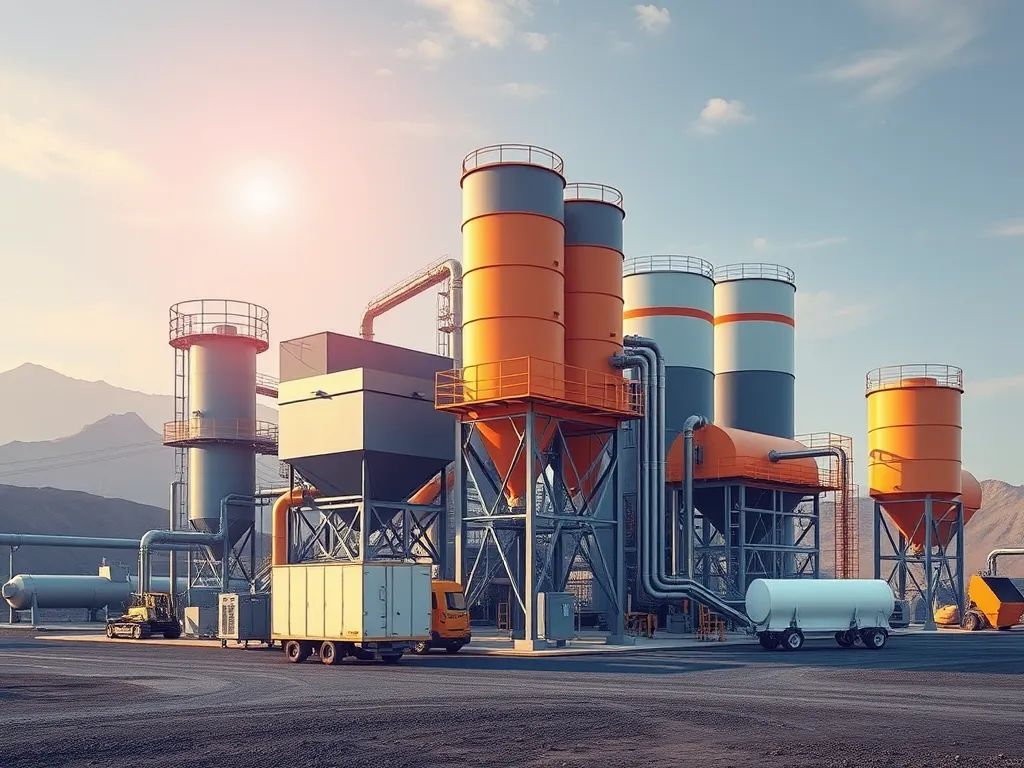
Sustainable Practices in Asphalt Production
The drive toward eco-conscious construction reshapes how asphalt mixes get made. Producers now blend performance with planet-friendly methods, cutting emissions without sacrificing road quality.
Eco-friendly Mixing Technologies
New mixing strategies slash energy use while maintaining pavement strength. Innovations focus on lowering temperatures, reusing materials,
Low-Temperature Mixing for Reduced Energy Demand
Warm Mix Asphalt (WMA) tech lets producers lower mixing temps by 50–100°F versus traditional Hot Mix Asphalt. Foaming injects water into heated binder, creating expansive bubbles that coat aggregates at 250°F. Chemical agents like surfactants or waxes also improve workability. This trims fuel consumption by 20–35%
Use Of Recycled and Reclaimed Asphalt
Modern plants now integrate 30–40% Reclaimed Asphalt Pavement (RAP) into mixes. Advanced screening
| RAP Content | Performance Metric | Cost Savings |
|---|---|---|
| 20% | Meets ASTM D4887 | 15% |
| 40% | Requires rejuvenators | 25% |
Balancing Performance with Sustainability Goals
High-RAP mixes need precise control of binder viscosity
These methods show how the sector merges eco-goals with engineering rigor. Next, let’s examine how mixing machines evolve to support these breakthroughs.
Frequently Asked Questions (FAQ)
What Are the Benefits Of Self-healing Asphalt?
Self-healing asphalt provides several advantages, including reduced maintenance costs, extended pavement life, and improved safety. By sealing cracks as they form, it minimizes the need for repairs and prolongs the lifespan of road surfaces, thus offering significant savings over time.
What Are Hybrid Asphalt Mixing Systems?
Hybrid asphalt mixing systems combine traditional gas-fired burners with alternative energy sources like solar or battery storage. This combination enhances energy efficiency and reduces carbon emissions by allowing plants to switch power sources depending on operational needs.
How Can Asphalt Recycling Techniques Be Enhanced?
Asphalt recycling techniques can be enhanced through the use of advanced technologies such as high RAP mixes that allow for increased recycled material content without compromising performance, and cold in-place recycling methods that recycle asphalt on-site, reducing transportation needs.
What Are Some Sustainable Practices in Asphalt Production?
Sustainable practices in asphalt production include implementing low-temperature mixing technologies that decrease energy consumption and emissions, using recycled and reclaimed asphalt in new mixes, and optimizing production processes to reduce waste and enhance resource efficiency.
How Do Eco-friendly Mixing Technologies Work?
Eco-friendly mixing technologies work by lowering production temperatures, which reduces energy demand and emissions. Methods such as Warm Mix Asphalt incorporate additives to improve binder workability at lower temperatures, making the mixing process more sustainable while maintaining road quality.
Closing Thoughts
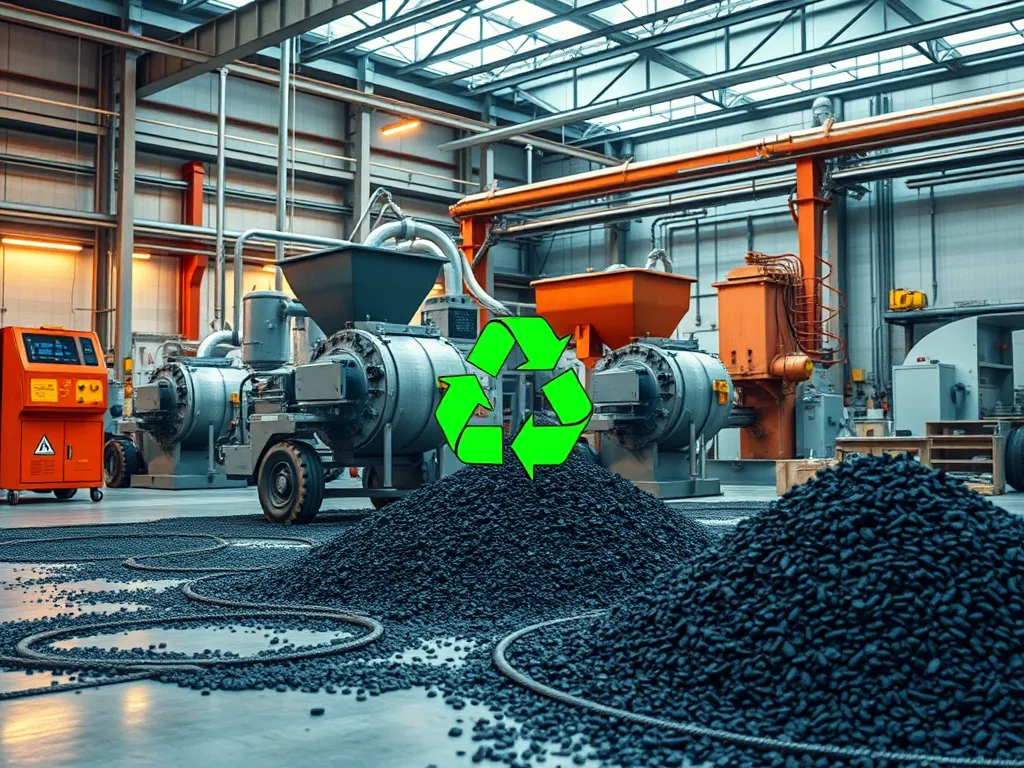
The asphalt industry is witnessing remarkable innovations that enhance performance, sustainability, and efficiency. Warm mix asphalt (WMA) reduces energy consumption and emissions, while self-healing asphalt techniques promise extended service life through advanced mechanisms like microcapsules. Additionally, advancements in recycling techniques and hybrid mixing systems are transforming how we integrate recycled materials, contributing to a greener future.
Modern mixing technologies are vital for minimizing environmental impact without sacrificing quality. Automation and precision controls in batching ensure consistent product performance. Sustainable practices, such as low-temperature mixing and the use of reclaimed asphalt, align with industry goals to reduce carbon footprints while maintaining durability.
For more insights on asphalt technologies and practical tools like calculators for your projects, check out Asphalt Calculator USA.
Additional Resources for You:
- Lavin, P. (2003). Asphalt Pavements: A Practical Guide to Design, Production, and Maintenance for Engineers and Architects. London: Taylor & Francis.
- Latest Innovations in Asphalt Technology | Phillips Paving
- New Innovations That Will Change How Asphalt Paving is Done Commercial Asphalt, Parking Lot Paving + Best in Pinellas! Anderson & Sons Asphalt of Pinellas

