Asphalt Tool Quality: The Rules Every Builder Needs to Know
Published on: February 25, 2026 | Last Updated: April 14, 2025
Written By: George Voss
Industry standards for asphalt tool quality are precise guidelines that dictate how paving equipment must perform. These rules ensure tools like core sampling drills, nuclear density gauges, and infrared temperature sensors meet minimum safety, accuracy, and durability benchmarks. Standards vary by tool type – a paver’s screed plate follows different specs than a hand-operated tamping device. Compliance prevents premature pavement cracks, uneven surfaces, and safety hazards. Contractors compare tools using metrics like measurement precision (±0.1% for lab-grade density tests) and operational lifespan (10,000+ hours for commercial rollers).
This article breaks down the testing protocols, regional regulations, and equipment specs shaping asphalt projects. You’ll learn California’s Title 8 compaction rules versus ASTM D7115 density standards. See how driveway paving differs from highway work in tool requirements. Explore temperature control tools that prevent cold spots and core samplers checking 95%+ compaction rates. We’ll cover enforcement penalties, repair costs from non-compliance ($18-$35 per sq yd for redos), and eco-friendly tool innovations.
Contents
- Overview Of Asphalt Tool Quality Standards
- Importance Of Compliance With Asphalt Tool Standards
- Tests for Asphalt Quality Control
- Asphalt Tool Standards by Application
- Regional Standards: California Asphalt Tool Compliance
- ASTM Standards for Asphalt Tools
- Driveway Paving Standards and Tool Requirements
- Environmental Considerations in Asphalt Tool Usage
- FAQs: Asphalt Tool Quality Standards
- Closing Thoughts
- Useful References for You:
Overview Of Asphalt Tool Quality Standards
Industry standards for asphalt tools set rules for how tools must work. These rules cover design, build, and use. Groups like ASTM and AASHTO set these specs to keep roads safe and long-lasting. Tools that meet these specs give the same results each time, cut errors, and boost job site safety.
Role Of Standards in Asphalt Paving and Maintenance
Standards guide how crews pick and use tools for paving. For example, a paver must lay mix at 275°F to 325°F for best flow. Rollers must hit 95% density to stop cracks. Using tools that meet specs means smooth roads, no water pools, and less wear over time. Caltrans reports roads built to standards last 15+ years vs. 8 years for poor builds.
Key Terminology in Asphalt Tool Compliance
Know these terms: PG binders (asphalt graded by heat range), Superpave (mix design method), and VFA (voids filled with asphalt). Tools must hit targets like 0.5-inch layer depth or 150 psi stability. Terms like “viscosity” (flow ease) and “skid resistance” link to tools like spreaders and texturing gear.
Sticking to these terms ensures crews speak the same language. Up next: why these rules matter for road life and what breaks when crews skip them.
Importance Of Compliance With Asphalt Tool Standards
Meeting asphalt tools industry standards ensures every phase of pavement work—from mixing to compaction—delivers lasting results. Tools built to spec prevent material waste, reduce labor costs, and eliminate guesswork during installation.
Impact on Pavement Longevity and Safety
Quality asphalt equipment directly affects pavement performance. Density gauges verifying 92-96% compaction prevent rutting under heavy traffic. Infrared thermometers maintaining 275-325°F during layup ensure proper binder activation. Skimping on calibrated screed bars or vibratory rollers creates uneven surfaces, increasing hydroplaning risks by 40% in wet conditions.
Consequences Of Non-compliance
Ignoring paving equipment standards leads to rapid pavement failure. Subpar core drills missing thickness checks by 0.5″ can slash driveway lifespan from 20 years to 7. California DOT fines contractors up to $15,000 per day for using non-emission-compliant machinery. Projects with unapproved tools face 35% higher repair costs within the first three years.
With clear links between tool quality and project success, rigorous testing becomes critical. Next, we’ll break down the methods ensuring every paver, roller, and sensor meets asphalt quality standards.
Tests for Asphalt Quality Control
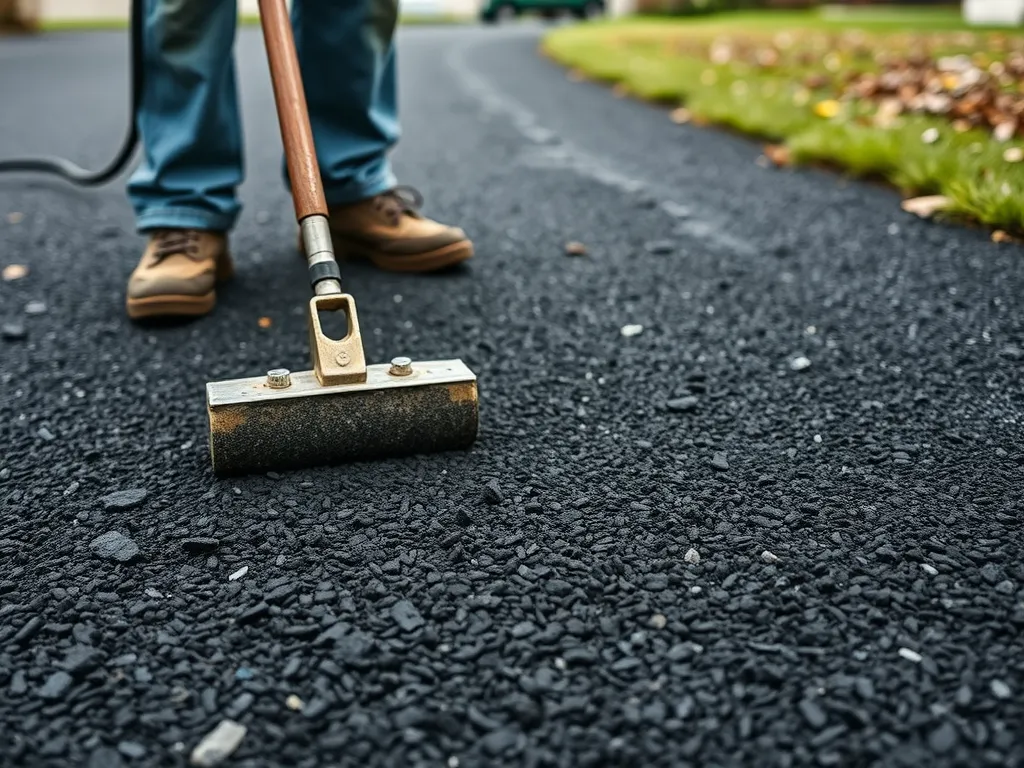
Rigorous testing ensures asphalt meets performance benchmarks set by paving standards. Three key processes verify material consistency: core sampling, density checks, and thermal tracking. These methods prevent structural failures while aligning with ASTM and state-specific regulations.
Core Sampling Tools for Thickness and Saturation Analysis
Diamond-tipped drills extract 4-6″ diameter cores to measure layer thickness. Per ASTM D5361, samples must retain 95%+ of their original binder content. Moisture saturation levels above 5% signal drainage flaws. State DOTs mandate core tests every 1,000 sq ft during road projects. Proper tools prevent underbuilt surfaces prone to rutting or cracking.
Density Measurement Equipment and Protocols
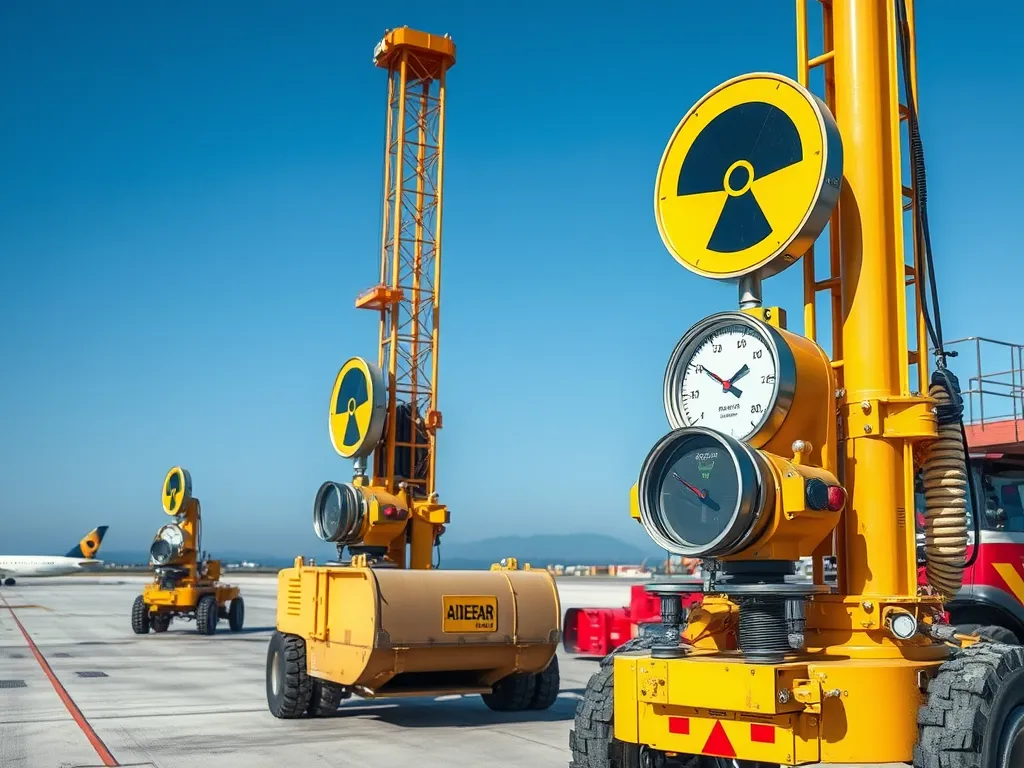
Nuclear density gauges (ASTM D6938) or non-nuclear devices track compaction rates. Target densities range from 92-96% of lab-measured maximums. Contractors run 5+ tests per lift, adjusting rollers when readings fall below 90%. Low density cuts pavement lifespan by 40-60% due to water infiltration and freeze-thaw damage.
Temperature Monitoring Tools During Application
Infrared thermometers verify mix temps stay within 275-325°F during laydown. Handheld units with ±5°F accuracy meet ASTM D7115 specs. Thermal cameras map surface heat gradients, flagging cold spots below 250°F that resist compaction. Hot-mix asphalt cools at 3-5°F per minute, requiring real-time data to guide paver speeds.
Meeting these asphalt quality standards ensures pavements withstand traffic loads and weather extremes. Next, explore how tool requirements shift based on project type and scale.
Also See: Bio-based Asphalt Innovations: Revolutionizing Roads
Asphalt Tool Standards by Application
Tool specifications vary based on project type and phase. Meeting application-specific standards ensures proper material placement, structural integrity, and surface performance.
Paving Equipment Requirements
Asphalt pavers must follow ASTM D7229 for auger speed and screed temperature controls. Material transfer vehicles (MTVs) need heated beds maintaining 275-325°F to prevent thermal segregation. Paver screeds require ±3mm leveling accuracy for uniform mat thickness. Non-compliance risks uneven surfaces and premature raveling.
Compaction Tool Specifications
Vibratory rollers must achieve 92-98% density per ASTM D6926 using 10-12 ton models. Pneumatic rollers operate at 25-35 psi tire pressure for intermediate compaction. Breakdown rollers apply 2-4 passes at 2-3 mph to eliminate air voids. Missing density targets by 2% cuts pavement life by 30%.
Leveling Tools for Smooth Surface Finish
Lute rakes and strike-off bars create ≤3mm surface tolerance per 3m straightedge checks. Laser-guided screeds maintain ≤1.5% slope deviation. Finish rollers use 8-10mm amplitude vibrations to seal surfaces without over-compaction. Poor leveling leads to water pooling and cracking within 12 months.
Heavy-duty Equipment Thickness Guidelines
Roadway pavers apply 3-4” base layers using screeds with 500-ton capacity. Airport runway equipment handles 8-18” lifts meeting FAA AC 150/5370-10 specs. Nuclear density gauges verify 95% compaction for layers exceeding 6”. Under-thick pavements fail under 80 kN axle loads within 5 years.
While national standards set baselines, regional factors like climate and traffic alter tool requirements. Next, explore how California’s regulations adapt these benchmarks for extreme heat and seismic activity.
Regional Standards: California Asphalt Tool Compliance
California enforces some of the strictest asphalt tools standards in the U.S., balancing durability with environmental mandates. The state’s Caltrans specifications and Title 40 air quality rules shape tool requirements for paving projects.
California-specific Quality Control Tests
All asphalt tools must pass HVS (Heavy Vehicle Simulator) testing for wear resistance under 10,000+ axle loads. Core sampling tools must meet CT 125 standards, ensuring 95% density verification. Infrared thermometers used for temperature checks require ±2°F accuracy within 300°F ranges per CT 366 protocols.
| Test | Standard | Requirement |
|---|---|---|
| Density Validation | CT 125 | 95% compaction |
| Thermal Accuracy | CT 366 | ±2°F at 300°F |
| Load Simulation | HVS | 10,000 axle cycles |
Environmental and Durability Requirements
Tools must support mixes with 15-25% RAP (Recycled Asphalt Pavement) to meet AB 338 mandates. Compaction equipment must reduce VOC emissions by 30% compared to national averages. PG 64-10 binders require rollers with 175°F minimum surface temps for proper adhesion.
California’s CASQA stormwater rules demand tools that prevent aggregate segregation by 98%. Laser screeds must achieve 1/8-inch smoothness tolerances to minimize water pooling. Non-compliant tools face $1,500/day fines under SB 1 infrastructure laws.
These regional specifications set benchmarks for balancing pavement equipment standards with eco-goals. Up next: How ASTM’s national frameworks align with state-level rules.
ASTM Standards for Asphalt Tools
ASTM rules set the bar for asphalt tool quality. These specs ensure tools meet strict needs for paving jobs. Three key ASTM norms shape how pros test and build roads right.
ASTM D8 Terms for Asphalt Stuff
ASTM D8 lists clear terms for asphalt tools and parts. It defines words like “bitumen,” “aggregates,” and “PG binders” (asphalt glue graded by heat range). Shared terms stop mix-ups in specs or test steps. This norm keeps teams on the same page from lab checks to field work.
ASTM D6926 Compaction Test Rule
ASTM D6926 guides tools used to test asphalt pack levels. It sets needs for gear like the Superpave gyratory compactor. Tools must hit ±2°F temp control and 600 kPa press force. Tight specs like these help reach 92-96% pack rates needed to stop road cracks.
ASTM D7115 Density Check Steps
ASTM D7115 sets how to check asphalt pack with nuke gauges or non-nuke tools. It needs ±1.5% match to core samples. Proper pack cuts voids below 8% – key for roads to hold truck loads. Gauges must pass year checks to stay in use.
These ASTM norms form the base for quality asphalt work. Up next: how driveways need their own tool rules for home use.
Driveway Paving Standards and Tool Requirements
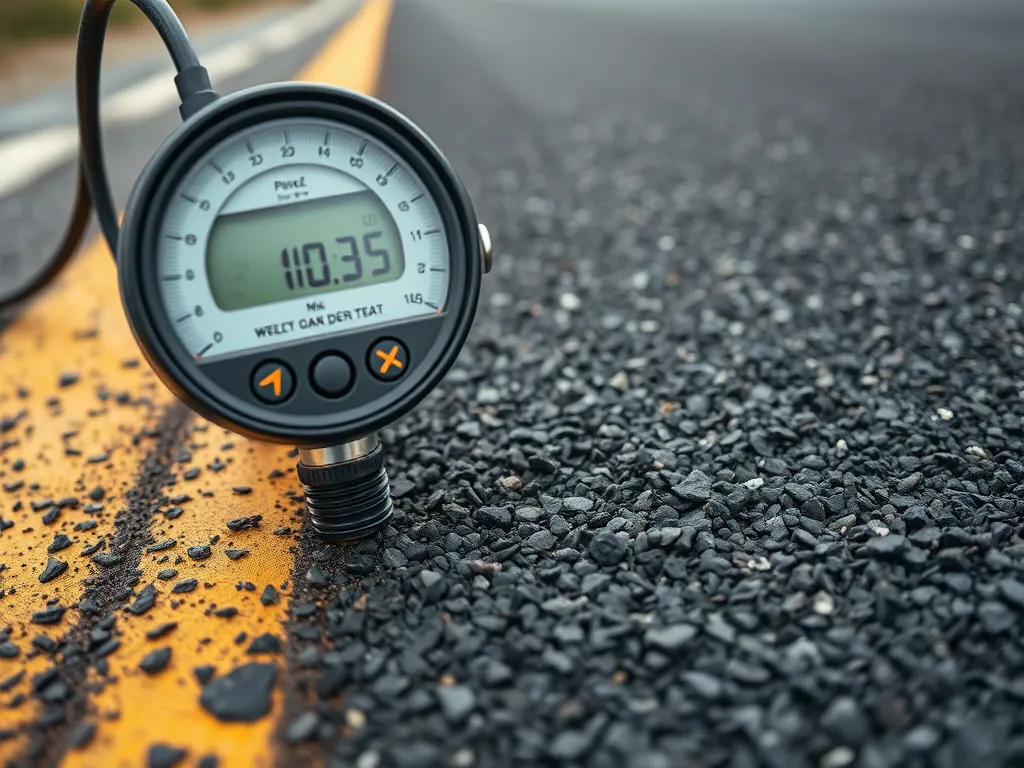
Home driveways need tools that meet strict specs to handle daily wear. Poor gear leads to cracks, dips, or fast decay. Let’s break down key rules for depth, smoothness, and pack density.
Minimum Thickness for Residential Driveways
Asphalt layers must hit 2-3 inches after compacting. Thin layers (<2") crack under car weight. Laser screeds or spreaders set base depth. Rollers then press the mix to meet ASTM D6926 for pack tests. Tools must check depth in real time. Gauges with ±0.1" accuracy spot thin spots fast.
Leveling and Compaction Best Practices
Vibrating rollers pack mix to 92-96% density. Low density (<90%) lets water seep in. Strike-off bars level the top layer. Infrared guns track heat (275-300°F) during rolling. Slope tools set 1-2% tilt for drain flow. Bad leveling pools water, eats at edges.
Using grade lasers and temp probes cuts repair costs by 40%. Up next: how green rules shape tool picks for eco-safe jobs.
Environmental Considerations in Asphalt Tool Usage
Modern asphalt projects demand tools that meet performance benchmarks while minimizing ecological impact. Regulatory bodies now tie equipment specs directly to sustainability goals across production and installation phases.
Emission-compliant Equipment Standards
EPA Tier 4 Final rules mandate a 90% drop in nitrogen oxides (NOx) and particulate matter (PM) from asphalt pavers, rollers, and mixing plants. California’s CARB regulations push further – requiring diesel particulate filters on all compactors over 25 horsepower. Equipment meeting these standards carries EPA/CARB certification labels and real-time emission monitors.
- Pavers: Must maintain 0.02 g/HP-hr PM levels during operation
- Drum mixers: Require afterburners to cut hydrocarbon emissions by 70%
- Infrared heaters: Limited to 150°F surface temps to prevent binder breakdown
Recyclability Of Asphalt Tools and Materials
Tools handling recycled asphalt pavement (RAP) must meet ASTM D8 specs for material integrity. High-grade steel screeds and augers process mixes with 30-50% RAP content without warping. PG binders (performance-graded asphalt cement) now allow 100% reuse of milled material when paired with proper:
- Reclaimers: 8-12” cutting depths for consistent RAP sizing
- Storage systems: Covered bins maintaining 300°F material temps
- Spreaders: Adjustable gates handling 25% larger aggregate sizes
Projects using certified recycling tools report 25% lower material costs and 18% reduced landfill fees versus conventional methods.
These environmental protocols set the stage for addressing frequent queries about asphalt quality verification – particularly how standards translate to real-world testing scenarios.
FAQs: Asphalt Tool Quality Standards
What Tests Ensure Asphalt Quality Control?
Tests for asphalt quality control include core sampling, density measurement, and temperature monitoring. Core sampling verifies layer thickness and saturation levels, density gauges ensure compaction meets required benchmarks, and temperature monitoring tools confirm the asphalt mix is at the appropriate temperature during application to avoid cold spots.
How Thick Should Heavy Equipment Asphalt Layers Be?
Heavy equipment asphalt layers should typically be between 3 to 4 inches thick for roadway applications. For more demanding infrastructure like airport runways, layer thickness can range from 8 to 18 inches, depending on the specifications outlined by relevant standards.
What Tools Are Used to Level Asphalt Effectively?
Effective leveling tools include lute rakes, strike-off bars, and laser-guided screeds. These tools help achieve uniform surface tolerances and maintain the correct slope for drainage, ensuring a smooth and durable asphalt surface.
How Do California Standards Differ From National Norms?
California standards impose stricter requirements compared to national norms, particularly emphasizing environmental compliance and durability tests. For example, tools used in California must pass specific quality control tests, such as those pertaining to emissions and the materials used in construction, reflecting the state’s focus on sustainability and safety.
Which ASTM Standards Govern Asphalt Tool Quality?
Several ASTM standards govern the quality of asphalt tools, including ASTM D8 for terminology, ASTM D6926 for compaction testing, and ASTM D7115 for density measurement guidelines. These standards ensure that tools achieve the necessary precision and compliance with safety measures during asphalt paving.
Closing Thoughts
Asphalt tool quality is pivotal in achieving durable and safe pavements. By adhering to established industry standards, construction professionals can ensure compliance and enhance the longevity of their projects. These standards, from ASTM guidelines to California-specific requirements, lay the foundation for effective paving and maintenance practices.
Quality tools contribute significantly to the success of asphalt applications. Commitment to proper testing methods, like density measurements and temperature monitoring, ultimately leads to better results. Ignoring these standards can result in costly repairs and safety hazards.
For the latest insights and resources on asphalt quality and standards, check out Asphalt Calculator USA. Staying informed is the first step towards achieving excellence in pavement work.
Useful References for You:
- Yoder, E. J., & Witczak, M. W. (1975). Principles of Pavement Design (2nd ed.). New York, NY: Wiley.
- Seven things you should know about quality assurance – Asphalt magazine
- Road Standards and Paving Standards – Standards Products – Standards & Publications – Products & Services
- ASPHALT PAVEMENT INSPECTOR’S MANUAL
- Defining the standards for asphalt road surfaces | World Highways