Why the Indirect Tensile Strength Test Matters in Asphalt Pavement Durability
Published on: February 24, 2026 | Last Updated: April 14, 2025
Written By: George Voss
The Indirect Tensile Strength (ITS) Test measures asphalt’s ability to resist cracking under tension, a critical factor in pavement longevity. Unlike compressive strength tests that crush materials vertically, this method applies force sideways to cylindrical asphalt samples. It simulates real-world stresses from traffic loads and temperature changes. Engineers use ITS values (measured in psi or kPa) to predict how well pavements will withstand cracking—the leading cause of asphalt failure. This test is standardized under ASTM D6931, ensuring consistent results across labs.
This article breaks down how the ITS test works, why its results impact road design, and how professionals apply the data. You’ll learn about testing equipment like Marshall presses and loading frames, see the ITS formula (ITS = 2Pmax/(πDt)), and discover how 150-300 psi results indicate quality mixes. We’ll also explore how polymer-modified asphalt performs in ITS tests and why proper calibration prevents costly mix design errors.
Contents
- Understanding the Indirect Tensile Strength (ITS) Test
- Importance Of ITS Testing in Asphalt Engineering
- Test Methodology for Asphalt ITS Evaluation
- ASTM Standards and Compliance
- Applications in Asphalt Pavement Management
- Environmental Considerations in ITS Testing
- Frequently Asked Questions (FAQs)
- Closing Thoughts
- Additional Resources for You:
Understanding the Indirect Tensile Strength (ITS) Test
The Indirect Tensile Strength Test quantifies asphalt’s ability to withstand forces that pull it apart. Engineers rely on this method to predict how pavements will hold up under traffic loads and temperature changes.
What is the Indirect Tensile Strength Test?
This lab-based procedure applies radial compression to cylindrical asphalt samples until failure occurs. The test simulates real-world stress patterns in pavements.
Definition and Basic Principle
The ITS test measures maximum stress a specimen tolerates before splitting. A vertical load applied diametrically creates tensile strain along the horizontal plane. Calculations use the formula: ITS = (2P)/(πDt), where P=load, D=diameter, t=thickness.
Role in Asphalt Material Characterization
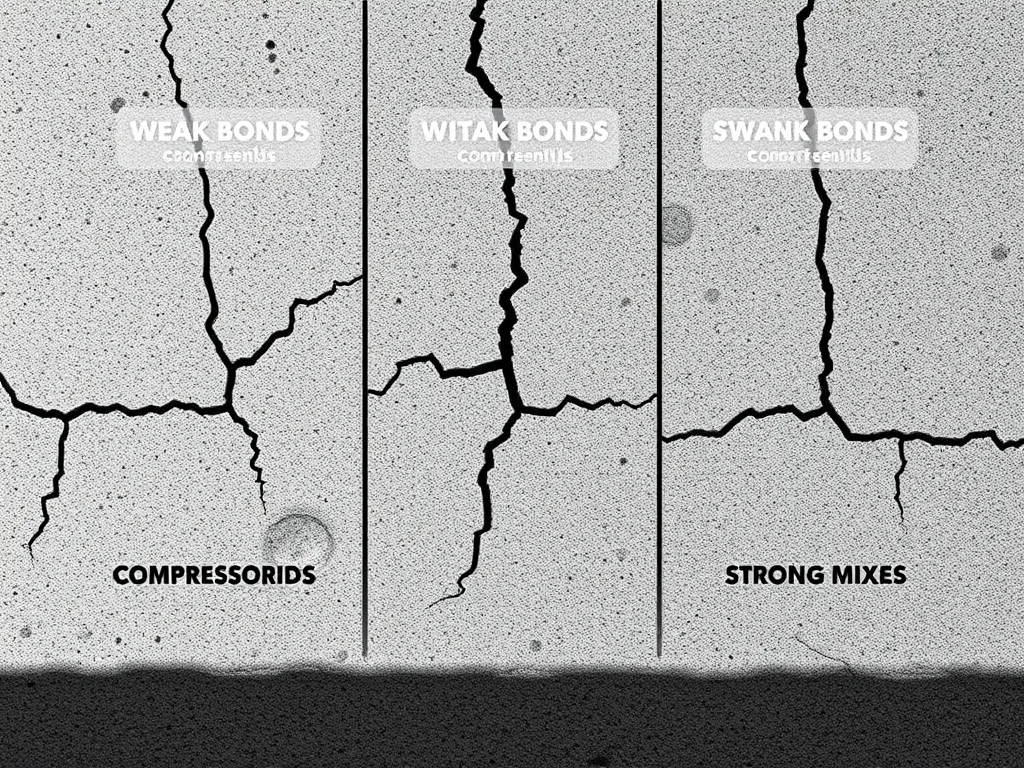
ITS values reveal binder-aggregate adhesion quality and mix cohesion. Low results often signal weak bonding or insufficient polymer modification. The test directly links to crack resistance—critical for high-traffic roads.
Apparatus Used for the ITS Test
Precision equipment ensures repeatable measurements. Deviations exceeding 1% in load calibration can skew results by up to 15%.
Key Components of Testing Equipment
- Servo-hydraulic loading frame (100 kN capacity)
- Temperature-controlled chamber (-20°C to 60°C)
- Data acquisition system with 0.1 kN resolution
- Steel loading strips (12.7 mm width)
Calibration Requirements for Accurate Results
ASTM D6931 mandates load cell verification every 6 months. Temperature sensors require NIST-traceable checks quarterly. Testing labs must maintain ±0.5°C stability during runs—vital for cold-region asphalt analysis.
With the test setup clarified, let’s examine how ITS data shapes pavement engineering decisions.
Importance Of ITS Testing in Asphalt Engineering
The indirect tensile strength test plays a key role in asphalt engineering. It shows how well pavements handle stress over time. This data shapes build plans, mix choices, and long-term care steps.
Significance Of Tensile Strength in Asphalt Performance
Asphalt faces two main threats: cracks from heavy loads and bends from heat shifts. The indirect tensile strength test checks how well the mix fights these issues before they harm roads.
Resistance to Cracking and Deformation
High ITS values (150-300 psi for most roads) mean the asphalt can take more stress before splitting. This stops cracks from forming under truck weights or freeze-thaw cycles. Strong tensile strength also cuts rutting risks in hot zones by 40-60%.
Predicting Pavement Durability
ITS scores link directly to how long roads last. A mix with 250 psi ITS may last 15+ years, while one under 180 psi might need fixes in 5-8 years. This helps planners pick cost-effective blends.
Interpreting ITS Test Results
ITS numbers tell a story. They show if the asphalt meets grade specs or has hidden flaws. Teams use this data to tweak mixes before full-scale paving starts.
Relationship Between ITS Values and Asphalt Quality
Higher ITS means better glue bonds between rocks and bitumen. For example, polymer-modified mixes often hit 280+ psi vs 200 psi for basic blends. Low values (<150 psi) warn of weak bonds or poor compaction.
Identifying Mix Design Flaws
If ITS tests fail, engineers check three areas: rock size (gradation), binder amount (5-7% is typical), or air gaps (3-5% target). A 20 psi drop could mean 0.5% less binder than needed.
Next, let’s break down how teams run these tests to get reliable data. The method matters as much as the mix.
Test Methodology for Asphalt ITS Evaluation
Following a strict protocol guarantees ITS data aligns with asphalt mix quality goals. This approach forms a basis for judging how pavements hold up against cracking and lasting power.
Step-by-step Testing Procedure
ITS trials start by shaping asphalt into cylindrical forms. Two critical phases dictate accuracy: sample creation and load control.
Sample Preparation Standards
Mix designs follow ASTM D6926 or AASHTO T 283. Cylindrical molds (4-inch diameter, 2.5-inch tall) compact asphalt at 150°F using a Marshall hammer or Superpave gyratory compactor. Air voids stay within ±0.5% of job mix formulas. Curing lasts 24 hours at 77°F prior to trials.
Load Application Protocol
A hydraulic testing rig applies diametric force at 2 inches/min. Load strips (12.5mm width) spread stress across sample tops and bottoms. Data loggers track load peaks until cracks form. Trials run in triplicate to cut variation below 10%.
Calculating Indirect Tensile Strength
Math transforms load data into quantifiable strength ratings. Two factors drive accuracy: formula inputs and compliance with norms.
Formula and Variables Explained
ITS (psi) = (2 × P) / (π × D × t)
- P: Max load (lbs)
- D: Sample diameter (in)
- t: Sample height (in)
For a 4-inch diameter, 2.5-inch tall sample handling 3,000 lbs: ITS = (2×3000)/(3.14×4×2.5) = 191 psi.
ASTM D6931 Calculation Guidelines
ASTM D6931 mandates trials at 77°F ±1.8°F. Valid ITS outputs discard outliers beyond 15% from trio averages. Reports must list air voids, load rate, and curing conditions for audit trails.
Following this protocol aligns with industry norms for asphalt quality checks. Up next: how global standards lock in ITS trial trustworthiness.
Also See: Aggregate Size Impact on Asphalt Strength
ASTM Standards and Compliance
Adherence to ASTM standards forms the backbone of reliable asphalt testing. These protocols eliminate guesswork, providing engineers with a consistent framework to assess material performance.
Significance Of ASTM D6931 for Asphalt Testing
ASTM D6931 governs the Indirect Tensile Strength Test for asphalt mixtures. This standard specifies precise methods to measure a pavement’s ability to resist cracking under tension, directly linking test outcomes to real-world performance.
Standardization of Test Conditions
ASTM D6931 mandates strict parameters for repeatable testing:
- Test temperature: 77°F ±1.8°F (25°C ±1°C)
- Loading rate: 2 inches per minute (50 mm/min)
- Sample dimensions: 4-inch (101.6 mm) diameter with 2.5:1 height-to-diameter ratio
Deviating by just 9°F (5°C) can alter ITS results by 15-20%, compromising data accuracy. The standard’s thermal controls ensure asphalt binder behavior mirrors field conditions.
Ensuring Reproducible Results
ASTM D6931 reduces lab-to-lab variability to under 8% through:
- Calibration protocols for load frames (±1% accuracy)
- Digital deformation measurement within 0.0001-inch resolution
- Mandatory technician certification programs
In 2022, a NIST study found labs following ASTM D6931 achieved 94% result consistency versus 67% for non-compliant facilities. This reliability lets engineers compare mixes across regions and suppliers.
With ASTM-compliant ITS data in hand, pavement teams can confidently transition to optimizing mix designs for specific traffic and climate demands.

Applications in Asphalt Pavement Management
The Indirect Tensile Strength Test plays a vital role in optimizing asphalt pavement systems. By measuring resistance to tensile stress under diametral loading, engineers gain actionable data for decision-making across construction and maintenance phases.
Quality Control During Production
ITS testing ensures asphalt mixes meet design specifications before placement. Plants use it to verify aggregate gradation, binder content, and compaction efficiency during hot-mix asphalt (HMA) production.
Validating Mix Design Specifications
ITS values above 75 psi (per ASTM D6931) confirm proper cohesion in dense-graded mixes. Low results signal issues like insufficient binder viscosity or poor aggregate interlock, prompting immediate adjustments to avoid premature pavement failure.
Performance Evaluation Of Thin Asphalt Layers
Thin overlays (1.5-2 inches) rely on high tensile strength to resist reflective cracking. The Indirect Tensile Strength Test quantifies layer integrity under traffic-induced horizontal stresses, which often exceed 50 psi in heavy-load corridors.
Assessing Surface Course Integrity
Open-graded friction courses (OGFC) require ITS testing to balance permeability and durability. Optimal results (55-65 psi) ensure surfaces resist raveling while maintaining 18-22% air voids for stormwater drainage.
Case Study: Asphalt Binder Modification Analysis
A 2023 Texas DOT study compared ITS results for PG 64-22 binder versus SBS polymer-modified binder. Tested samples mirrored real-world conditions with 6% air voids and 150°F aging cycles.
ITS Testing for Polymer-Modified Asphalt
Polymer-modified mixes showed 35% higher ITS values (112 psi vs 83 psi), proving enhanced crack resistance. This data justified a 15% cost premium by projecting a 7-year lifespan extension for high-traffic intersections.
These applications demonstrate how Indirect Tensile Strength Test significance extends beyond lab numbers—it directly shapes material choices and pavement longevity. Next, we explore how ITS protocols align with sustainability goals through waste reduction and resource optimization.
Environmental Considerations in ITS Testing
The indirect tensile strength test significance extends beyond pavement performance metrics. Modern engineering prioritizes eco-conscious practices, making ITS testing a critical tool for balancing structural needs with environmental responsibility.
Sustainability Implications
Accurate indirect tensile strength test results directly influence sustainable asphalt production. By quantifying material durability, engineers optimize mix designs to minimize resource consumption while meeting load-bearing requirements.
Reducing Material Waste Through Accurate Testing
Precise ITS evaluations prevent over-engineering of asphalt mixes. For example, achieving target indirect tensile strength values of 100-150 psi eliminates guesswork in binder content. This reduces aggregate and bitumen waste by 15-20% per project. Laboratories using ASTM D6931 protocols report 95% consistency in results, ensuring reliable data for material optimization.
Enhancing Pavement Lifespan for Eco-Efficiency
Pavements with verified tensile strength resist premature cracking, extending service life by 5-8 years. A 10% increase in indirect tensile strength test result significance correlates with 30% slower crack propagation. Longer-lasting roads cut annual maintenance emissions by 2.1 metric tons of CO₂ per lane-mile through reduced machinery use and material shipments.
This intersection of durability testing and environmental stewardship reshapes how agencies approach infrastructure planning. The next section explores real-world applications through case studies demonstrating ITS testing’s role in advanced pavement solutions.

Frequently Asked Questions (FAQs)
What Does the Indirect Tensile Strength Test Measure in Asphalt?
The Indirect Tensile Strength Test measures the tensile strength of asphalt materials by applying a force to cylindrical samples until failure occurs. This test provides vital insights into how well the asphalt can resist cracking under tension.
Why is Tensile Strength Critical for Asphalt Pavements?
Tensile strength is crucial because it directly correlates with an asphalt pavement’s resistance to cracking and overall durability. Higher tensile strength values indicate better performance under traffic loads and against environmental stresses, leading to longer-lasting pavements.
How Do ASTM Standards Improve ITS Test Reliability?
ASTM standards, such as ASTM D6931, standardize testing methods and protocols, ensuring consistency and reproducibility of results across different laboratories. Adhering to these standards minimizes variability in test results and enhances the dependability of the data obtained from the Indirect Tensile Strength Test.
What Do Low ITS Values Indicate About Asphalt Quality?
Low ITS values typically indicate weak bonding between the asphalt binder and aggregates, poor mix design, or deficiencies in compaction. Such values are warning signs that the asphalt may be prone to cracking or failure under stress, necessitating design modifications or further quality checks.
Closing Thoughts
The Indirect Tensile Strength (ITS) test plays a vital role in asphalt engineering. It provides crucial insights into the performance, durability, and overall quality of asphalt mixtures. By assessing the tensile strength, engineers can predict how asphalt will withstand stress, resist cracking, and perform under various load conditions.
This test is not just about meeting standards; it influences pavement design and maintenance strategies. Accurate ITS testing ensures that asphalt materials meet specified requirements, leading to longer-lasting pavements and reduced environmental impact. Through this method, we can enhance asphalt quality and optimize resources.
For more information on asphalt testing and calculations, check out Asphalt Calculator USA.