
Recycled Materials Meet Warm Mix Asphalt: A Greener Road Ahead
Published on: February 24, 2026 | Last Updated: April 14, 2025
Written By: George Voss
Incorporating recycled materials in warm mix asphalt (WMA) blends reused resources like reclaimed pavement, crushed glass, or plastic waste with asphalt mixed at lower temperatures than traditional methods. This process creates durable roads while slashing energy use by 20-35% and cutting material costs up to 30%. Contractors gain a paving option that handles like hot mix asphalt but reduces fumes, works in cooler weather, and meets EPA sustainability goals.
This article breaks down how to successfully merge recycled materials with WMA technology. You’ll learn which waste products work best, step-by-step mixing methods, and real-world examples like Michigan’s I-96 project using 30% recycled asphalt shingles. We’ll compare environmental impacts, address common challenges like binder compatibility, and share cost data from states saving $8-$15 per ton using recycled content.
Contents
- What is Warm Mix Asphalt?
- Types Of Recycled Materials for Warm Mix Asphalt
- Production Methods for Warm Mix Asphalt With Recycled Materials
- Techniques for Incorporating Recycled Materials
- Challenges Of Using Recycled Materials in Warm Mix Asphalt
- Effects Of Repeated Recycling on Warm Mix Asphalt
- Environmental Benefits Of Recycled Materials in Warm Mix Asphalt
- Economic Advantages Of Recycling in Warm Mix Asphalt
- Frequently Asked Questions (FAQ)
- Closing Thoughts
- Useful References for You:
What is Warm Mix Asphalt?
Warm mix asphalt (WMA) is a paving mix made at lower temps than hot mix. It uses less fuel and cuts fumes. This method works well when adding old road stuff like RAP or RAS.
Definition and Production Basics
WMA is made between 225°F and 275°F, much cooler than hot mix’s 300°F+. Plants use foaming tech or additives like wax to keep the mix soft at low heat. These steps let crews pour and pack the mix with ease, even when using up to 40% recycled stuff.
Key Differences From Traditional Hot Mix Asphalt
Hot mix needs high heat to melt the black binder. WMA keeps heat low, which helps when adding old asphalt chunks. Less heat means less harm to the reused binder in RAP. It also cuts fuel use by 20-35% versus hot mix. Jobsites stay cooler, letting crews work longer in warm weather.
Next, we’ll break down the types of recycled goods that boost WMA’s green perks.
Types Of Recycled Materials for Warm Mix Asphalt
Builders blend six key recycled items into warm mix asphalt. These cuts costs, boosts green gains, and keeps roads strong.
Reclaimed Asphalt Pavement (RAP)
RAP tops the list. Made from old roads milled and crushed, it holds 3-7% leftover binder. Mixes now use up to 40% RAP in warm mix. This swap slashes new bitumen needs by 20% per ton. RAP saves $8-$12 per ton versus new mix.
Recycled Asphalt Shingles (RAS)
Roof tear-offs become RAS. Shingles pack 20-30% asphalt content. Ground to ½-inch bits, RAS adds binder at 3-5% mix weight. Plants must test for fiberglass or felt scraps. RAS cuts costs 15% but needs strict heat control below 280°F.
Crushed Concrete and Demolition Waste
Broken slabs and building rubble replace gravel. Sized to ¾ inch, it forms 25-30% of warm mix. Check for steel bits with magnets. Some states cap use at 20% due to pH shifts. Saves $6/ton over new stone.
Recycled Crushed Glass
Glass grit under 3mm blends well. Use up to 10% for surface friction. Amber/green glass works best. Watch for sharp edges – wear on drums can spike 12%. Glass melts at 250°F, aiding warm mix bonds.
Recycled Plastics and Polymers
Shredded milk jugs, bags melt into binder. Add 4-6% plastic by weight. Boosts rut resistance 30%. Must keep temps below 320°F to avoid fumes. New tech lets PET plastic replace 2% of binder at $0.50/lb.
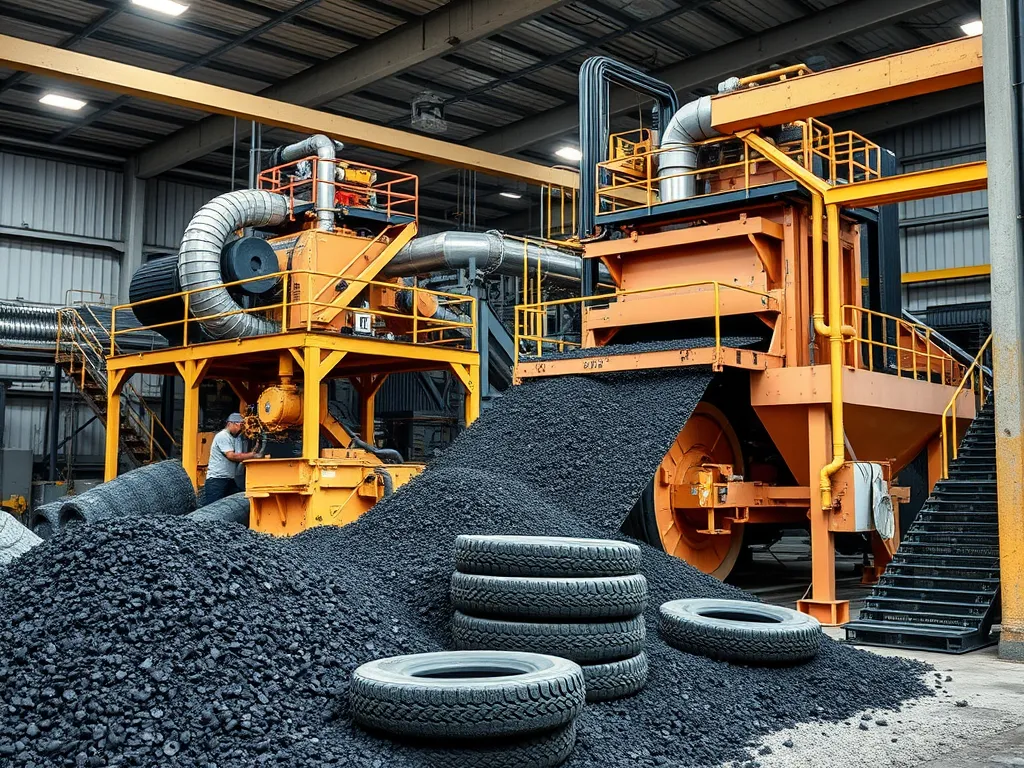
Recycled Tire Rubber
Crumb rubber (10-30 mesh) mixes into binder or aggregate. Adds 8-15% rubber by weight. Cuts road noise 5 dB. Warm mix needs rubber-modified PG 64-22 binders. Costs dip $3/ton versus fresh polymer.
Picking the right recycled stuff sets the stage for mixing. Next up: how plants blend these goods into top-tier warm mix.
Production Methods for Warm Mix Asphalt With Recycled Materials
Blending recycled materials into warm mix asphalt requires precise methods to balance performance with sustainability. Specialized techniques ensure recycled components bond properly while maintaining workability at reduced temperatures.
Low-temperature Mixing Technologies
Warm mix asphalt production uses three primary methods to cut mixing temps by 30-100°F versus traditional hot mix. Chemical additives like Evotherm or Sasobit lower bitumen viscosity, letting crews work at 250°F instead of 300°F. Foaming processes inject water or organic additives into heated binder, creating tiny bubbles that improve coating. Zeolite minerals release moisture when heated, temporarily expanding the binder. These methods let recycled materials like RAP bind without overheating aged bitumen.
Additives for Enhanced Binder Performance
Rejuvenators restore flexibility to stiff recycled binders from RAP or shingles. Common options include plant-based oils, tall oils, or proprietary synthetic blends. Polymer modifiers like SBS or crumb rubber boost elasticity, counteracting brittleness from aged materials. Anti-stripping agents (hydrated lime, liquid amines) improve moisture resistance when using glass or concrete waste. Typical dosage ranges from 0.5% to 2% by binder weight, verified through PG grading tests.
Optimal Blending Ratios for Recycled Content
Most projects blend 20-30% RAP with virgin aggregates for warm mix asphalt. Higher ratios (up to 40%) require careful binder balancing – aged RAP binder counts toward total bitumen content. RAS content stays below 5% due to variability in shingle composition. Glass and concrete replacements max out at 10-15% to prevent voids. Field trials using the Ignition Oven method verify mix designs meet Superpave standards before full-scale production.
Getting these ratios right depends on traffic loads, climate zones, and recycled material quality. Up next: how crews process materials for consistent performance during paving operations.
Also See: Analyzing the Cost-effectiveness Of Asphalt Mixes by Climate
Techniques for Incorporating Recycled Materials
Blending recycled materials into warm mix asphalt demands precise methods to balance performance and sustainability. Let’s break down the core strategies for successful integration.
RAP Processing and Integration
Reclaimed Asphalt Pavement (RAP) requires careful processing before reuse. Milling machines scrape old pavement, which is then crushed to ½-inch minus aggregate. Screens sort particles, while PG-graded binders rejuvenate aged asphalt cement. Mix temperatures stay between 230°F–280°F to prevent binder oxidation. Most plants blend 20%–40% RAP with virgin aggregates, cutting material costs by $3–$8 per ton.
Plastic and Rubber Modification Techniques
Post-consumer plastics (PET, HDPE) and tire rubber upgrade asphalt binders through two methods:
- Wet Process: Melt plastics at 320°F–350°F into liquid binder, creating polymer-enhanced asphalt. Adds 4%–8% rut resistance.
- Dry Process: Granulate rubber/plastic into 2mm–4mm pellets. Mix directly with aggregates, replacing 1%–2% of bitumen by weight.
Both methods reduce cracking by 15%–30% in freeze-thaw zones.
Contaminant Removal and Material Preparation
Impurities like metals, wood, or roofing debris can weaken pavements. Plants deploy:
- Magnetic separators to extract nails from Recycled Asphalt Shingles (RAS)
- Air classifiers removing lightweight debris from crushed concrete
- High-pressure washers cleaning glass fragments to 98% purity
Materials are shredded to <3-inch chunks and dried to <0.5% moisture for consistent mixing.
Quality Assurance Testing Protocols
Every recycled batch undergoes strict checks:
- Gradation Analysis: Sieve tests verify 95% of particles meet ASTM D692/D693 specs
- Binder Content: Ignition ovens measure asphalt cement levels within ±0.3% of targets
- Performance Tests: Hamburg Wheel Tracking (100+ passes at 140°F) and TSRST cracking thresholds
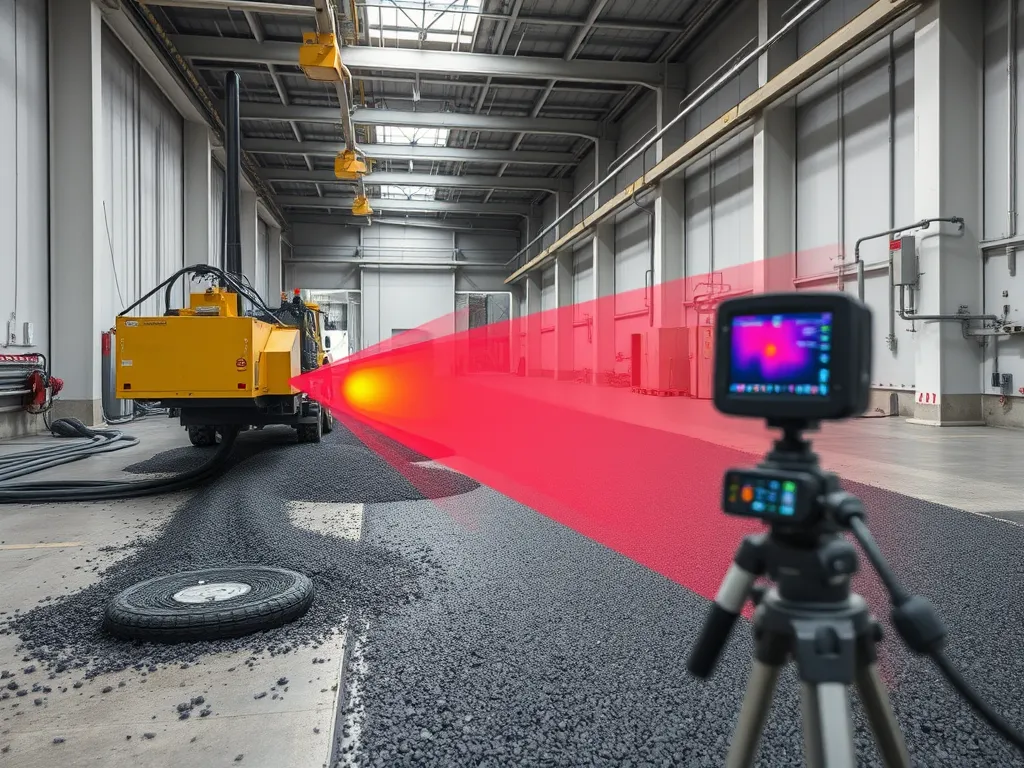
Labs run checks every 500 tons, with real-time infrared sensors monitoring mix uniformity.
While these techniques enable reliable warm mix asphalt incorporating recycled materials, they’re just one piece of the puzzle. Next, we’ll explore the hurdles teams face when scaling up recycled content.
Challenges Of Using Recycled Materials in Warm Mix Asphalt
Adding recycled stuff to warm mix asphalt brings perks but also hurdles. Each road job faces unique tests with reused content.
Variability in Recycled Material Quality
Old asphalt chunks (RAP) and roof shingles (RAS) differ by source. One batch may have 3% binder, another 6%. Rocks in RAP might range from 0.5″ to 2″ sizes. Labs must test each load for grit size, stickiness, and junk like wood or plastic. Mix plants adjust recipes up to 15% to hit target specs.
Binder Aging and Compatibility Issues
Used binders get stiff after years in sun and rain. Blending old and new binders risks poor bonding. If 30% RAP has aged PG 82-10 binder mixed with fresh PG 76-16, cracks may form. Softening oils or wax additives help bind layers. Tests like DSR gauge blend success.
Durability Under Heavy Traffic Loads
Highways face 10,000+ trucks daily. Warm mix with 40% RAP shows 20% more rut depth in lab wheel tests vs virgin mix. Cold spots in recycled grit create weak zones. Some states cap RAP at 25% for interstates but allow 40% on local roads.
Storage and Handling Limitations
Recycled stockpiles must stay dry. Wet RAP can cut mix heat by 50°F, forcing longer cook times. Fines clump if stored over 3 weeks. Plants often keep recycled piles under roofs and limit height to 12 feet to avoid compacting.
Maximum Recycled Content Thresholds
AASHTO rules allow 30% RAP in surface layers. RAS stays below 5% due to fiber risks. Pushing past 40% total recycled content may need extra binders, hiking costs by $8/ton. High RAP mixes hit 70% binder swap rates, risking cracks in cold snaps.
These roadblocks set the stage for how recycled asphalt acts through years of use and reuse. Next, we’ll break down what happens when pavement gets recycled again and again.
Effects Of Repeated Recycling on Warm Mix Asphalt
Multiple recycling cycles impact the performance of warm mix asphalt incorporating recycled materials. While reusing materials cuts costs by 15-30%, repeated processing alters binder chemistry and aggregate structure. Let’s break down the key challenges.
Degradation Of Binder Elasticity Over Cycles
Bitumen in recycled asphalt loses elasticity with each reuse cycle. Polymer chains within PG 64-22 binders break down after 3-4 recycling phases, reducing flexibility by 30-40%. This leads to premature rutting in high-traffic zones. Testing shows pavements with 50% RAP content exhibit 2x faster rut depth growth compared to mixes with 20% recycled content.
- Recycled binder penetration drops below 40 dmm after 3 cycles
- Elastic recovery rates fall from 80% (virgin) to 45% (3rd cycle)
Thermal Aging and Crack Propagation
Heating recycled materials during warm mix asphalt production accelerates thermal aging. Oxidation hardens binders, creating microcracks that spread under traffic loads. Studies reveal mixes with 40% RAP show 60% faster crack growth at 14°F than virgin asphalt. RAS-containing blends face higher risks due to aged shingle binders with viscosity exceeding 3,000 Pa·s.
- RAP-rich mixes lose 25% fracture energy after 5 freeze-thaw cycles
- Thermal stress buildup increases by 18% per 10% added recycled content
Methods to Restore Recycled Binder Properties
Engineers combat aging effects by blending additives into warm mix asphalt with recycled materials. Rejuvenators like soybean oil or tall oil restore maltenes, improving penetration by 20-25 dmm. Polymer-modified binders (e.g., SBS) boost elasticity, allowing up to 50% RAP content without cracking. Warm mix technologies like foaming cut production temps to 250°F, reducing thermal stress on aged binders.
- Adding 2% rejuvenator increases PG grade by one level (e.g., PG 58-28 to PG 64-22)
- Foamed asphalt mixes with 30% RAP show comparable stiffness to 15% RAP hot mixes
Balancing recycled content with performance modifiers ensures long-lasting pavements. Next, let’s explore how these techniques contribute to environmental gains.
Environmental Benefits Of Recycled Materials in Warm Mix Asphalt
Warm mix asphalt incorporating recycled materials delivers measurable ecological gains compared to traditional paving methods. Below are three core benefits driving its adoption across road projects.
Reduction in Virgin Aggregate Consumption
Using reclaimed asphalt pavement (RAP) or recycled concrete cuts demand for newly mined stone by 30-50%. Every ton of RAP blended into warm mix asphalt replaces 1 ton of virgin aggregate. This directly reduces quarrying activities, preserving natural habitats while lowering water use linked to mining operations. Projects with 40% RAP content have shown 4.5 million tons of raw material saved annually.
Lower Energy Demand During Production
Warm mix asphalt production occurs at 250°F—50°F cooler than hot mix. When paired with recycled materials, plants use 20-35% less energy. Reduced heating needs stem from two factors: recycled binders require less thermal activation, and lower mixing temperatures cut fuel consumption. Foaming technologies or chemical additives further optimize energy use without compromising pavement strength.
Decreased Greenhouse Gas Emissions
Lower production temperatures slash CO2 emissions by 15% per ton of warm mix asphalt with recycled content. Burning less diesel or natural gas during heating also lowers nitrogen oxides (NOx) and particulate matter. Studies by the National Center for Asphalt Technology found 40% RAP mixes reduce carbon footprints by 8.3 kg CO2-eq per metric ton compared to virgin mixes. Over 10 miles of road, this equals removing 300 cars from roads yearly.
These ecological benefits position warm mix recycled asphalt as a frontrunner for sustainable infrastructure. Next, let’s explore how these green practices translate into fiscal savings for projects.
Economic Advantages Of Recycling in Warm Mix Asphalt
Incorporating recycled materials in warm mix asphalt creates measurable financial benefits for road projects. These savings stem from three primary areas: material reuse efficiency, longer-lasting surfaces, and localized supply chains.
Cost Reduction Through Material Reuse
Warm mix asphalt incorporating recycled materials cuts project expenses by 20-30% on average. Reclaimed Asphalt Pavement (RAP) and Recycled Asphalt Shingles (RAS) replace 15-40% of virgin aggregates and binders. For every ton of RAP used, contractors save $8-$15 by avoiding new material purchases. Minnesota DOT reported $1.2 million saved on a single highway project using 30% RAP in warm mix. The reduced need for PG 64-22 binders—down by 0.3-0.5% in mixes—further trims costs.
Extended Pavement Service Life Benefits
Warm mix asphalt with recycled materials often outperforms conventional mixes. Polymer-modified binders from recycled plastics or tire rubber increase rut resistance by 35%. This extends pavement life cycles to 18-22 years—30% longer than unmodified asphalt. Longer service intervals mean agencies spend 40% less on maintenance over two decades. Texas highways with 25% RAP warm mix showed 60% fewer cracks after 10 years compared to virgin mixes.
Lower Transportation Costs for Local Materials
Using recycled materials in asphalt warm mix slashes hauling distances. Local RAP sources typically sit within 50 miles of plants, versus 100+ miles for quarried aggregates. Shorter trips reduce diesel consumption by 15 gallons per ton-mile. Pennsylvania contractors saved $18/ton on a 2023 project by sourcing crushed concrete within 20 miles. This hyperlocal approach also cuts carbon taxes linked to long-haul logistics.
While the economic case for recycling in warm mix asphalt is strong, the environmental impacts are equally compelling—a synergy we’ll explore next.
Frequently Asked Questions (FAQ)
Can Recycled Plastic Be Used in Warm Mix Asphalt?
Yes, recycled plastics can be incorporated into warm mix asphalt. Shredded materials such as polyethylene terephthalate (PET) and high-density polyethylene (HDPE) can enhance the asphalt’s performance by improving rut resistance and flexibility. Typically, 4-6% by weight of recycled plastic is added to the mix, but temperature control is essential during production to avoid the release of fumes.
What Are the Disadvantages Of Using Recycled Materials?
While there are many advantages to using recycled materials, there are some disadvantages as well. These may include variability in the quality of recycled materials, which can impact the consistency of the asphalt mix. Additionally, the aging and compatibility of binders from recycled sources can lead to potential performance issues, especially under heavy traffic conditions. Proper testing and quality assurance processes are vital to mitigate these risks.
How Does Repeated Recycling Affect Asphalt Properties?
Repeated recycling cycles can lead to a degradation of binder properties, notably reducing elasticity and flexibility due to the breakdown of polymer chains with each use. This can result in issues like increased rutting and crack propagation in the asphalt. However, the application of rejuvenators and other additives during production can help restore some lost properties, allowing higher percentages of recycled content without compromising performance.
Are There Specific Regulations for Using Recycled Asphalt in Warm Mix?
Yes, many regions have specific regulations and guidelines governing the use of recycled asphalt in warm mix products. These regulations often stipulate the maximum allowable percentages of recycled content, as well as the required quality assurance processes to ensure that the recycled materials meet performance criteria. It’s essential for contractors to be familiar with local standards and comply with them throughout the project.
Is the Use Of Recycled Materials in Warm Mix Asphalt Economically Viable?
Incorporating recycled materials into warm mix asphalt is generally economically viable and can lead to significant cost savings. The reduction in virgin materials, combined with reduced energy demands during production and lower transportation costs for locally sourced recycled materials, often results in a net decrease in project expenses. Many studies show cost savings of 20-30%, making it a financially attractive option for contractors.
How Can Contractors Ensure Quality When Using Recycled Materials?
Contractors can ensure quality by implementing rigorous quality assurance protocols throughout the production process. This includes conducting thorough testing of recycled materials for contaminants, grading, and binder content prior to mixing. Additionally, using established mixing techniques and adherence to industry standards help maintain the overall integrity and performance of the warm mix asphalt.
Closing Thoughts
Incorporating recycled materials into warm mix asphalt presents a significant opportunity for the construction industry. It not only reduces reliance on virgin resources but also lowers energy consumption and greenhouse gas emissions. The use of Reclaimed Asphalt Pavement (RAP), recycled shingles, and even plastic and rubber contributes to a more sustainable process while providing economic benefits through material reuse.
Despite challenges, such as variability in recycled material quality and binder compatibility, advancements in production methods and quality assurance protocols are paving the way for improved performance. Implementing these innovations can lead to enhanced durability and longevity of pavement, making it an enticing option for contractors and municipalities alike.
For more information on asphalt materials and calculators, visit Asphalt Calculator USA.
Useful References for You:
- Yoder, E. J., & Witczak, M. W. (1975). Principles of Pavement Design (2nd ed.). New York, NY: Wiley.
- Recycled Materials and Warm-Mix Asphalt Usage 2019
- 100% recycled hot mix asphalt: A review and analysis – ScienceDirect

