
Improvements in Asphalt Testing Technology: Modern Methods and Innovations
Published on: February 23, 2026 | Last Updated: April 14, 2025
Written By: George Voss
Improvements in asphalt testing technology use advanced tools like AI analysis and non-destructive scanners to measure pavement quality faster and more accurately than traditional methods. These innovations evaluate asphalt’s strength, weather resistance, and lifespan using real-world simulations—from -40°F freezes to 150°F heatwaves. New testing systems now predict how roads handle heavy truck traffic or sudden temperature shifts, helping engineers create longer-lasting pavements with 15-20% less material waste.
This article breaks down the latest asphalt testing breakthroughs. You’ll see how modern methods like performance-based evaluations and automated compactors outperform older lab tests. We’ll explore cutting-edge equipment, review cost-saving benefits, and share real-world examples of roads built with these technologies. Learn how innovations in testing shape safer, more durable asphalt surfaces across the U.S.
Contents
- Introduction to Asphalt Testing Advancements
- Traditional Asphalt Testing Methods
- Innovations in Asphalt Testing Technology
- Key Advancements in Asphalt Testing Equipment
- Emerging Asphalt Testing Techniques
- Benefits Of Modern Asphalt Testing Tech
- Case Study: Dynamic Modulus Testing Advancements
- Frequently Asked Questions (FAQ)
- Closing Thoughts
- Useful References for You:
Introduction to Asphalt Testing Advancements
Road construction now builds on smarter tools. Innovations in asphalt testing technology shift how labs and job sites confirm pavement strength. From AI-driven analysis to non-destructive scans, modern systems spot flaws traditional methods miss. This mix of digital accuracy and physical testing cuts guesswork, giving builders data to pick materials that last 20+ years.
The Role Of Technology in Modern Asphalt Quality Control
Tech now sits at the core of asphalt quality checks. Dynamic Shear Rheometers (DSRs) measure how binders flow under traffic loads, replacing manual viscosity tests. Systems like the Texas Overlay Tester simulate years of tire friction in hours, predicting cracking risks with 95% accuracy. Such tools link lab results to real-world pavement behavior.
Automated Gyratory Compactors mold asphalt samples with 0.1mm precision, a jump from past hand-ramming. Sensors track density variations, flagging weak spots before mix hits the road. Pair this with infrared scans that map thermal voids without damaging pavement layers. Builders save up to 30% on material waste by fixing mix designs early.
Cloud platforms now sync field data with lab systems in real time. A crew can adjust mix temps or compaction force mid-pour if sensors show air voids crossing 7%. This instant feedback loop slashes costly rework. Agencies like FHWA already mandate such tech for projects using federal funds.
Looking at past methods shows how far this industry has come.
Traditional Asphalt Testing Methods
Old asphalt tests set the base for today’s tech. These tools checked strength, wear, and heat traits. While less high-tech, they shaped how we gauge roads now.
Superpave Method
The Superpave method (short for Superior Performing Asphalt Pavements) uses a PG binder system. PG binders rate asphalt by heat range, like PG 64-22 for roads in zones with 64°C highs and -22°C lows. Tests check rutting, cracks, and aging by pressing hot mix with steel rollers. This method cut road flaws by up to 40% in its first decade.
Marshall Stability Test
This test squashes asphalt samples to see how much weight they hold. A press adds force until the mix cracks, measured in kN (kiloNewtons). Good roads hit 8-18 kN. Flow values (how much the sample bends) must stay under 20 mm. Builders still use it for fast checks on site.
Los Angeles Abrasion Test
This test spins aggregates with steel balls to mimic road wear. After 500 turns, the weight loss shows rock hardness. Top mixes lose under 35% mass. It’s key for picking stones that last in freeze-thaw zones.
While these old-school tests work, gaps in speed and real-world links pushed new asphalt testing tech. Next, see how smart tools fix these gaps.
Innovations in Asphalt Testing Technology
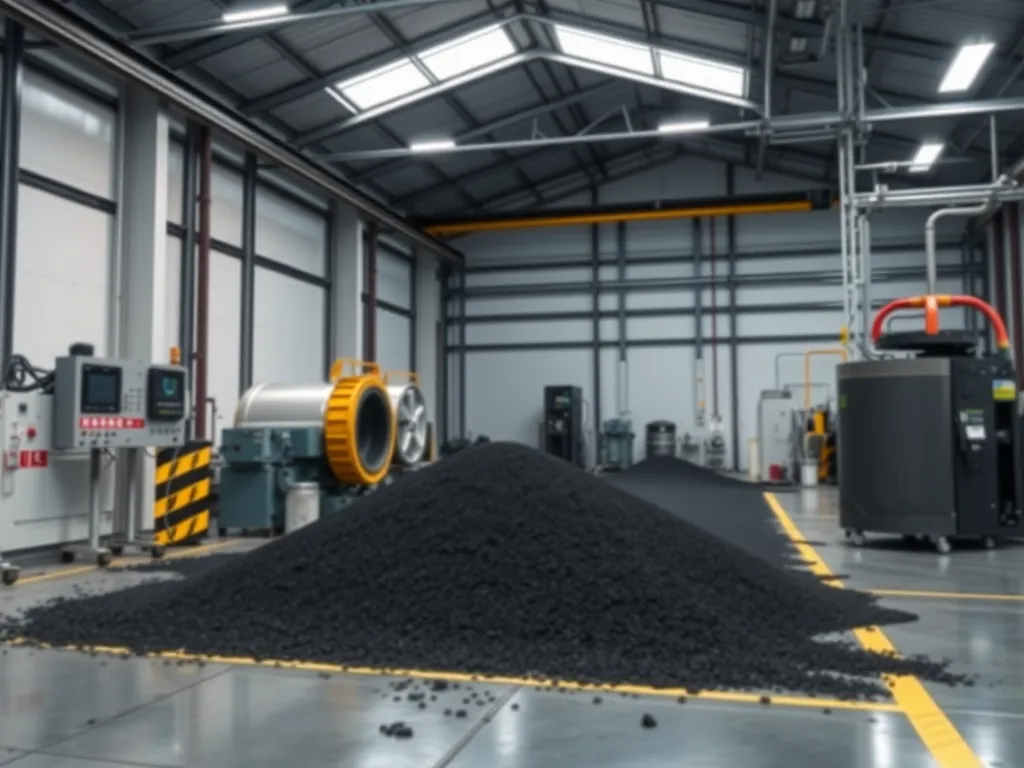
Cutting-edge tools now reshape how engineers evaluate pavement performance. These breakthroughs address complex challenges like climate resilience, heavy traffic loads, and material sustainability.
Performance-based Testing Approaches
New asphalt testing techniques now simulate real-world stresses instead of just measuring basic properties. The Asphalt Mixture Performance Tester (AMPT) evaluates rutting resistance, fatigue cracking, and thermal cracking under controlled temperatures. Tests like the Hamburg Wheel-Track and IDEAL-CT directly correlate lab results to field performance, replacing guesswork with data-driven predictions for mixes containing polymers or recycled materials.
Artificial Intelligence in Asphalt Analysis
Machine learning algorithms process 15+ data points from spectral analysis and 3D pavement scans. AI-powered systems like PaveVision predict asphalt aging patterns with 94% accuracy using historical weather and traffic data. Neural networks optimize mix designs by analyzing 500+ variables in under 30 seconds – a task requiring weeks of manual calculations.
Automated Gyratory Compactors
Modern compactors like the Pine AFG5X achieve 0.1% density consistency through servo-hydraulic pressure control. These devices replicate 10 years of traffic compaction in 2 hours using AASHTO T 312 protocols. Built-in sensors track air void distribution every 5 gyrations, ensuring uniform density across recycled asphalt concrete (RAC) mixes.
Advanced Aging Simulation Algorithms
New weathering chambers accelerate aging by 8X using UV-C radiation and cyclic humidity. The Rolling Thin Film Oven (RTFO) paired with Pressure Aging Vessel (PAV) testing now incorporates oxidation kinetics models. These systems predict binder hardening over 20-year periods within 72-hour test cycles, critical for evaluating bio-based additives and crumb rubber modifiers.
Non-destructive Testing Techniques
Infrared thermography maps subsurface voids at 0.5mm resolution, while ground-penetrating radar (GPR) assesses layer thickness within ±2mm accuracy. Portable nuclear gauges measure asphalt density in 30-second field tests, replacing destructive core sampling. These asphalt testing technologies slash project delays by 40% while maintaining ASTM D7110 compliance.
As testing precision reaches unprecedented levels, the industry shifts focus to implementing these tools at scale. Next, we’ll examine the cutting-edge equipment driving this quality control revolution.
Also See: Environmental Benefits Of Using Recycled Aggregates
Key Advancements in Asphalt Testing Equipment
New tools now shape how we check asphalt strength and lifespan. These devices give precise data to build roads that last longer and handle heavy loads better.
Dynamic Shear Rheometers
Dynamic shear rheometers (DSR) test how asphalt binders react to heat and stress. They spin samples at high temps to mimic road strain. This helps pick binders that resist rutting in summer heat. Modern DSR units follow AASHTO T315 specs, measuring complex shear modulus with +/- 1% error rates. Labs use this data to grade PG binders like PG 64-22 or PG 76-16.
Bending Beam Rheometers
Bending beam rheometers (BBR) find how asphalt acts in cold. They freeze binder beams to -24°C, then bend them slowly. The test tracks creep stiffness (S) and m-value to spot mixes prone to winter cracks. Updated BBR models meet ASTM D6648 rules, giving results in 4 hours vs old 16-hour methods. States like Minnesota use BBR data to set low-temp PG grades.
Texas Overlay Test Systems
Texas overlay test (TOT) systems check if asphalt layers will split under strain. They glue samples to metal plates, then pull them apart 1,000 times at 25°C. The count of cycles before failure shows crack resistance. TOT kits cut testing time by 60% compared to old methods. TxDOT requires TOT for all overlay jobs since 2018, slashing early cracks by 34% in field trials.
These tools set new rules for road builds. Next, fresh methods push limits even further with real-time checks and self-fix tech.
Emerging Asphalt Testing Techniques
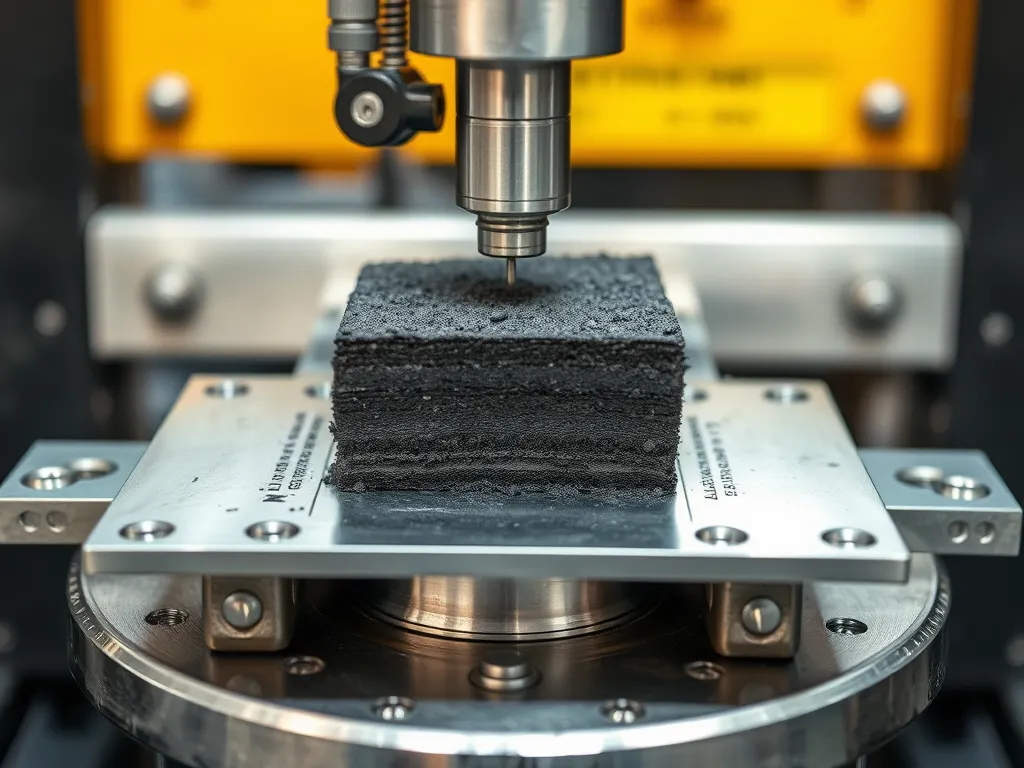
Cutting-
Real-time Quality Assessment Systems
Infrared cameras and ground radar now scan mix temps during paving at 0.5°F accuracy. Sensors built into pavers track compaction levels, alerting crews if density drops below 92% specs. This asphalt testing technology slashes callbacks by flagging issues before mix cools.
Self-healing Technology Evaluations
Labs now run trials on asphalt blends with capsules holding rejuvenators. When cracks form, capsules burst, releasing oils to fill voids. Testing confirms these mixes fix cracks up to 4mm wide without human input.
Testing Protocols for Self-Healing Asphalt
ASTM now lists W8 standards for rating self-repair skills. Cyclic loading trials apply 10,000+ weight cycles to mimic traffic. Thermal activation scans check how heat triggers healing in mixes with 3-5% steel wool fibers. Costs drop 18% when roads fix their own flaws.
Low-temperature Performance Testing
New rigs simulate -40°F conditions to stop cold cracks. Bending beam tools now track stress buildup at 0.1mm precision, a 60% boost over past methods. This asphalt testing technique predicts if pavements will last 15+ winters in frost zones.
As tools grow sharper, what gains do these upgrades bring to paving projects? Let’s look at how labs turn data into dollar savings.
Benefits Of Modern Asphalt Testing Tech
New tools and methods boost how we test asphalt. They fix old flaws and set higher standards.
Better Exactness and Steady Results
Gadgets like Dynamic Shear Rheometers (DSR) track asphalt flow under heat and stress. They spot tiny changes in binders (the glue in asphalt). Tests now hit 95% exactness vs 70% with old ways. Bending Beam Rheometers (BBR) check cold flex. This helps pick the right PG binders for each climate zone.
| Test Type | Old Exactness | New Exactness |
|---|---|---|
| Binder Grade | ±2 PG | ±0.5 PG |
| Air Voids | ±1.5% | ±0.3% |
Stronger Road Life Forecasts
Texas Overlay Testers mimic 10 years of truck wear in 3 days. They show how cracks spread in layers. New math models guess road life within 5% error. This beats the 20% gap from old Superpave rules. Labs now test for both rut depth (from heavy loads) and thermal cracks (from freeze-thaw cycles).
Less Stuff Wasted
Ground radar scans find weak spots without breaking roads. Labs reuse 90% of test samples vs tossing 60% before. Smart mix designs cut raw stone use by 15%. A 1-mile road now needs 200 fewer tons of fresh asphalt.
Faster Checks and Approvals
Cloud tools share test data in real time. Sites update specs on phones while paving. AI flags bad batches in 2 minutes vs 6 hours. This slashes wait times by 50%. Crews fix issues before they spread, saving $5k per mile in redos.
These gains set the stage for real-world wins. Next, see how Dynamic Modulus Testing changed road designs in Texas and Maine.

Case Study: Dynamic Modulus Testing Advancements
Recent developments in asphalt pavement testing technology have transformed how engineers predict asphalt performance. Dynamic modulus testing now serves as a benchmark for evaluating asphalt mixtures under real-world conditions.
Transition From Traditional to Advanced Methods
Early dynamic modulus tests relied on empirical formulas or limited lab data. Modern asphalt testing technology uses advanced equipment like the Asphalt Mixture Performance Tester (AMPT). This system applies precise stress levels across varied temperatures (-10°F to 130°F) and loading frequencies (0.1 Hz to 25 Hz). Engineers now measure viscoelastic responses directly, replacing guesswork with data-driven insights.
- Shifted from manual calculations to automated strain sensors with ±0.5% accuracy
- Replaced static temperature chambers with rapid-cool systems (-20°F/minute)
- Integrated digital twin simulations for predictive modeling
Impact on Pavement Design Standards
These asphalt testing technology advancements directly influenced AASHTOWare Pavement ME Design standards. Mechanistic-Empirical (ME) designs now require dynamic modulus inputs for fatigue and rutting predictions. State agencies report 12-18% longer pavement life spans when using updated test methods.
- Enabled climate-specific mix designs: High-temperature zones now use PG 76-22 binders tested at 158°F
- Reduced overdesign: Agencies cut base layer thickness by 1.2 inches in 2022 trials
- Boosted recycling: Higher confidence in RAP mix performance increased reuse rates to 35-40%
These pavement material testing breakthroughs set the stage for evaluating real-time quality systems. Next-generation sensors now build directly on modulus data frameworks.
Frequently Asked Questions (FAQ)
What is the New Technology in Asphalt Testing?
Recent innovations in asphalt testing technology utilize advanced tools such as AI analysis, non-destructive testing techniques, and automated compactors. These technologies provide greater accuracy and efficiency in evaluating asphalt performance under various environmental conditions.
How Do You Test the Quality Of Asphalt With Modern Methods?
Modern methods of testing asphalt quality involve performance-based evaluations that simulate real-world conditions, such as temperature variations and heavy traffic loads. Technologies like the Asphalt Mixture Performance Tester (AMPT) and Dynamic Shear Rheometers (DSR) are now commonly used to assess asphalt’s durability and performance metrics.
Which Materials Enhance Asphalt Serviceability in Testing?
Materials such as polymer-modified binders, recycled asphalt pavement (RAP), and bio-based additives enhance asphalt serviceability. These materials can improve the longevity and performance of asphalt mixes, particularly under extreme weather conditions and heavy traffic.
How is Self-healing Technology Evaluated in Asphalt Pavements?
Self-healing technology in asphalt pavements is evaluated through specific testing protocols that assess the effectiveness of rejuvenating materials. Trials include cyclic loading tests to simulate traffic stresses and thermal activation tests to measure the healing process initiated by environmental factors.
Closing Thoughts
Improved asphalt testing technology is at the forefront of ensuring better quality and longevity in paving projects. Innovations like performance-based testing, artificial intelligence, and non-destructive techniques transform how we assess asphalt materials. These advancements not only boost accuracy but also enhance durability predictions and lower material waste.
As the construction industry continues to evolve, embracing these modern methodologies will lead to more sustainable and cost-effective solutions. The integration of sophisticated equipment and techniques makes asphalt testing more reliable than ever before, paving the way for safer roads and highways.
For more detailed information on asphalt testing technology and best practices, visit Asphalt Calculator USA.
Useful References for You:
- Roberts, F. L., Kandhal, P. S., Brown, E. R., Lee, D. Y., & Kennedy, T. W. (1996). Hot Mix Asphalt Materials, Mixture Design, and Construction (2nd ed.). National Asphalt Pavement Association (NAPA).
- What is Hot Mix Asphalt Testing?
- Asphalt Innovation Laboratory — Texas A&M Transportation Institute

