
Why Timely Asphalt Repairs Save Money and Prevent Bigger Problems
Published on: February 24, 2026 | Last Updated: April 14, 2025
Written By: George Voss
Timely asphalt repairs fix small cracks, potholes, and surface damage before they turn into expensive disasters. Addressing issues like alligator cracking or drainage problems early prevents water infiltration, which erodes the base layer and weakens pavement. Ignoring minor damage raises risks: potholes grow 300% faster in freezing climates, uneven surfaces cause trip hazards, and faded asphalt reduces property value by up to 15%. Proactive repairs cost 50-75% less than full replacements, with crack sealing priced at $0.50-$3 per linear foot versus $3-$10 per square foot for patching.
This article breaks down why asphalt maintenance matters. You’ll learn how quick fixes extend pavement life, cut long-term costs, and keep lots safe. We’ll cover warning signs like standing water or oxidation, compare repair methods like infrared patching versus cold-pour fillers, and show how routine care slashes environmental waste. Get actionable steps to protect your pavement investment.
Contents
- Reasons for Prioritizing Timely Asphalt Repairs
- Benefits Of Timely Asphalt Repairs
- Consequences Of Delaying Asphalt Repairs
- Key Signs Asphalt Repairs Are Needed
- Methods for Effective Asphalt Repair
- Cost Savings Through Proactive Maintenance
- Environmental Impact Of Timely Asphalt Repairs
- Frequently Asked Questions
- Closing Thoughts
- Useful References for You:
Reasons for Prioritizing Timely Asphalt Repairs
Acting fast on pavement issues saves money, prevents hazards, and preserves surfaces. Let’s break down why swift action matters.
Prevent Escalation Of Minor Damage
Small cracks under ¼ inch widen quickly when ignored. Unsealed gaps let water seep into base layers, softening the foundation. One winter freeze-thaw cycle can turn hairline fractures into gaping potholes.
Cracks and Potholes Worsen Over Time
Studies show unrepaired cracks expand 300% faster after six months. A 1-inch pothole costs $35-$50 to patch early but balloons to $200+ once reaching 6 inches. Base repairs for water-damaged asphalt run $3-$7 per square foot versus $0.50-$2 for surface fixes.
Ensure Safety for Pedestrians and Vehicles
Uneven surfaces cause 40% of slip-and-fall incidents on paved areas. Tire blowouts from potholes cost drivers $306 on average per incident. Municipalities face 70% higher liability claims when repairs lag behind reported issues.
Reducing Trip Hazards and Vehicle Damage
Potholes deeper than 2 inches can bend wheel rims or misalign suspensions. Cracks wider than a dime create tripping risks exceeding ADA compliance limits. Timely asphalt repair work eliminates these dangers before injuries or lawsuits occur.
Maintain Aesthetic Appeal and Property Value
Fresh asphalt boosts curb appeal by 12%-15% for commercial properties, per real estate surveys. Residential driveways with cracks reduce home sale prices by up to 10%. Retail centers see 18% higher customer traffic with well-maintained parking lots.
Curb Appeal Impacts Commercial and Residential Spaces
Oxidized, gray asphalt looks worn next to jet-black sealed surfaces. Weeds sprouting through cracks signal neglect to visitors. Property managers who schedule asphalt maintenance every 2-3 years retain 90% of pavement value over 15 years.
With these risks and rewards clear, let’s examine how proactive care directly extends pavement life while cutting costs.
Benefits Of Timely Asphalt Repairs
Acting fast on asphalt fixes brings gains that go beyond just smoothing out a parking lot. From saving cash to avoiding legal headaches, smart upkeep pays off.
Prolong Pavement Lifespan
Routine asphalt maintenance adds 7-15 years to pavement. Crack sealing stops water from invading sublayers, while thin overlays restore structural integrity without full-depth rebuilding.
How Regular Maintenance Adds Years to Asphalt
- Fill cracks within 2 years of pavement installation
- Apply coal-tar sealants every 3-5 years
- Fix potholes using infrared methods for lasting bonds
Reduce Long-term Repair Expenses
A $300 crack fix today stops a $3,000 subbase replacement tomorrow. Full-depth asphalt reconstruction costs $8-$12 per sq.ft. compared to $1.50-$4 for surface treatments.
Cost-Effectiveness of Early Intervention
- Patching small holes: $50-$200 vs. $500-$2,000 for large voids
- Sealcoating cuts oxidation damage by 75%
- Routine upkeep slashes life-cycle costs by 40-60%
Minimize Liability Risks
Unfixed asphalt defects account for 22% of slip-and-fall claims on commercial lots. A 2″ height variation in pavement can trigger ADA lawsuits with fines up to $75,000.
Legal and Financial Implications of Neglect
- Insurers may void policies for unfixed trip hazards
- Municipalities levy fines for drainage failures
- Class-action suits from auto shops for tire/wheel harm
Spotting asphalt issues early allows smart planning. But what occurs if you skip vital fixes? Let’s look at what happens when cracks turn into catastrophes.
Consequences Of Delaying Asphalt Repairs
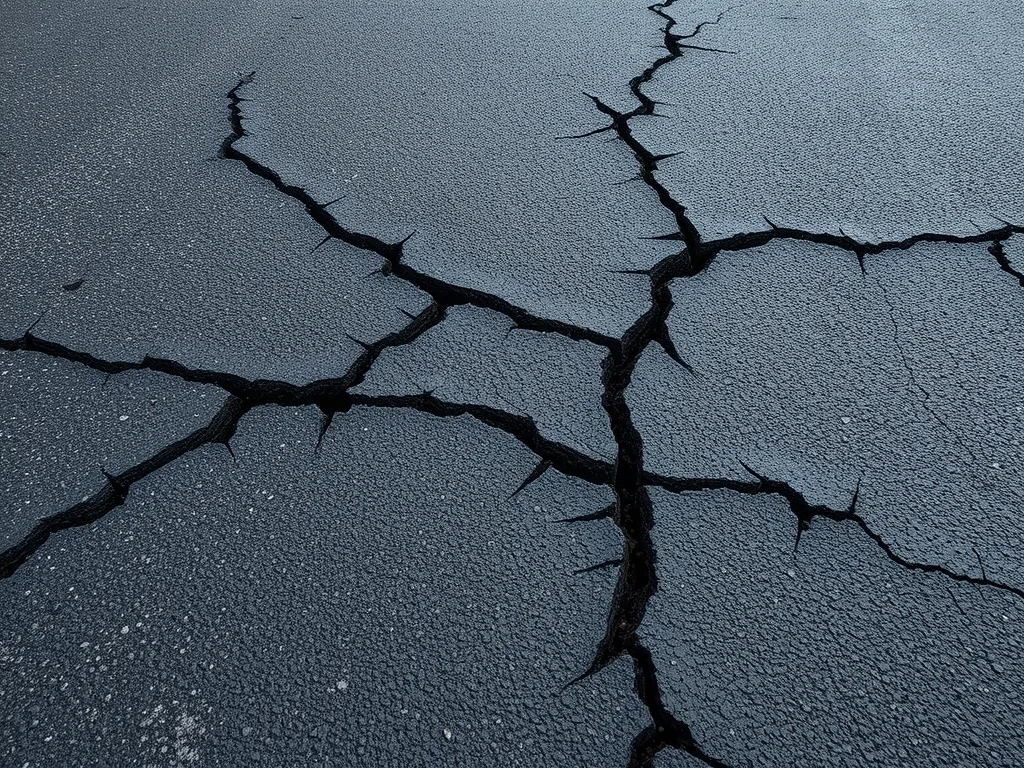
Ignoring early signs of asphalt damage triggers a domino effect. What starts as surface-level wear evolves into structural failures requiring extensive interventions.
Increased Repair Complexity and Costs
A 2-inch crack left unsealed for one winter can expand to 6 inches within 12 months. Minor repairs like crack sealing cost $0.50-$2.50 per linear foot. Delayed fixes often escalate to full-depth patching at $8-$12 per square foot.
From Simple Patching to Full Replacement
- Alligator cracking leads to base failures: Requires excavation of 6-12 inches of subgrade
- Pothole clusters exceeding 10% of pavement area: Forces complete overlay ($3-$7 per square foot)
- Oxidized asphalt without sealcoating: Shortens lifespan by 30-50%, requiring rebuilds 5-7 years sooner
Higher Risk Of Accidents and Injuries
Unrepaired asphalt causes 22% of trip-and-fall incidents in parking lots. Potholes damage suspension systems at an average repair cost of $306 per vehicle.
Unaddressed Hazards Lead to Liability Claims
Property owners face 3x higher insurance premiums after slip-related claims. ADA lawsuits for trip hazards exceeding 0.5-inch height cost businesses $15,000-$45,000 in settlements.
Accelerated Deterioration Of Pavement
One gallon of water penetrating cracks erodes 6-8 pounds of asphalt base material monthly. Untreated surfaces lose 40% of structural strength within two freeze-thaw cycles.
Water Infiltration and Structural Damage
- Subgrade saturation: Reduces load-bearing capacity by 75%
- Raveling: Surface aggregate loss exceeding 1/4-inch depth requires milling
- Edge cracks: Allow 3x more water intrusion than centerline cracks
These compounding issues make early detection vital. The next section reveals key indicators that demand immediate asphalt repair work.
Also See: How Thick Are Asphalt Driveways? Thickness Explained
Key Signs Asphalt Repairs Are Needed
Spotting early warning signs prevents small issues from becoming major headaches. Let’s break down the most common red flags demanding immediate asphalt repair work.
Surface Cracks and Potholes
Hairline fractures or small dips today can evolve into craters tomorrow. Cracks wider than ¼ inch allow water to seep into the base layer, destabilizing the pavement structure. Potholes form when trapped water freezes and thaws, pushing asphalt upward until chunks break loose.
Alligator Cracking vs. Linear Cracks
Alligator cracking (interconnected cracks resembling reptile scales) signals subbase failure, often requiring full-depth repairs. Linear cracks, running parallel to pavement joints, stem from thermal expansion or poor joint sealing. Both types demand timely asphalt repairs—filling linear cracks costs $0.50-$2 per linear foot, while alligator cracks can spike repair bills to $8-$12 per square foot.
Drainage Issues and Water Pooling
Proper slope ensures water flows off pavement surfaces. Pooling water near curbs or low spots indicates compromised drainage. Left unchecked, this softens the subgrade and washes away aggregate layers.
Standing Water Accelerates Asphalt Decay
Water trapped beneath pavement weakens the bond between bitumen and aggregate. Freeze-thaw cycles expand cracks by up to 30% annually. Repairing drainage problems early—like regrading slopes or adding catch basins—cuts long-term replacement costs by 60-75%.
Fading Color and Surface Oxidation
Fresh asphalt has a rich black hue from its bitumen binder. Over time, UV rays break down this binder, turning surfaces gray and brittle. Oxidized pavement loses flexibility, making it prone to raveling (loose gravel) and structural cracks.
Sun Exposure and Loss of Protective Coating
Unsealed asphalt loses 40-50% of its surface binder within 5-7 years. Sealcoating every 2-3 years blocks UV damage and restores water resistance. Delaying this $0.15-$0.25 per square foot maintenance can lead to $3-$5 per square foot overlay costs.
Once these warning signs surface, the next step involves selecting the right repair method to restore pavement integrity.
Methods for Effective Asphalt Repair
Proper techniques ensure repairs last longer while preventing costly rework. Selecting the right method depends on damage type, budget,
Crack Sealing d Filling Techniques
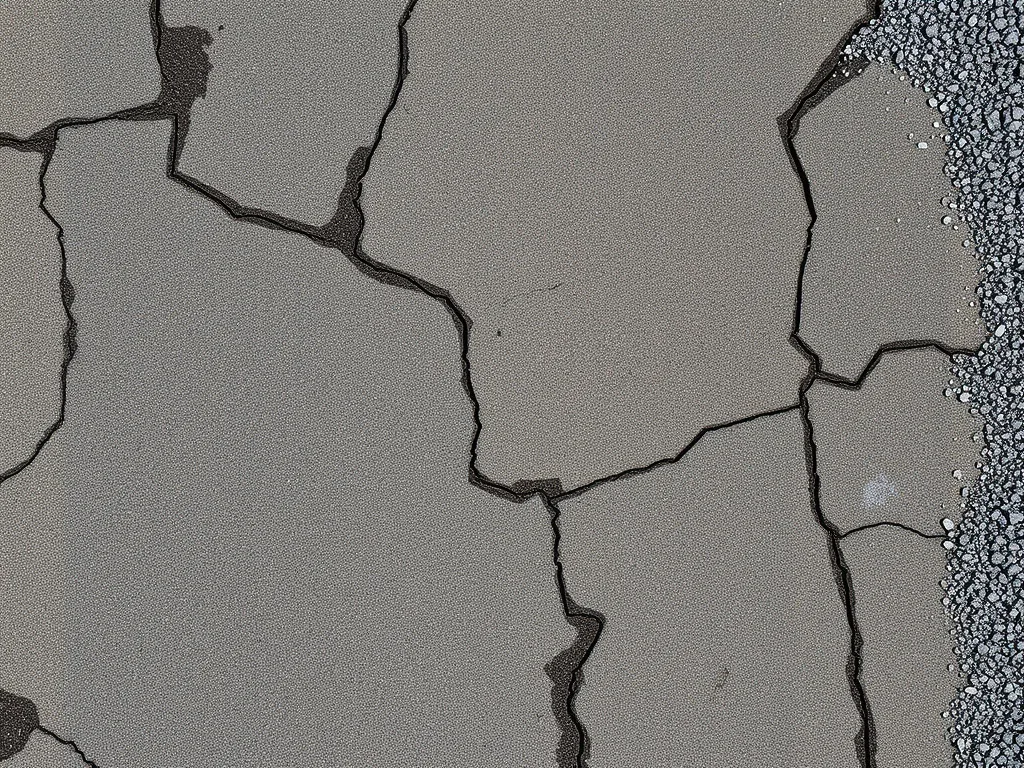
Cracks under ½ inch wide need sealing to block water intrusion. Fillers stop moisture from eroding the base layer, preserving structural integrity. Untreated cracks can expand by 300% within two years.
Hot-Pour vs. Cold-Pour Asphalt Crack Fillers
Hot-pour fillers use rubberized asphalt heated to 350°F. They bond tightly with existing pavement, lasting 3-5 years. Cold-pour options work for DIY fixes but degrade faster, needing replacement every 1-2 years. For critical repairs, hot-pour delivers superior performance at $0.80-$1.20 per linear foot.
Pothole Patching Best Practices
Potholes form when water weakens the subbase beneath cracked surfaces. Quick repairs prevent wheel damage, tire blowouts,
Throw-d -Roll vs. Permanent Compaction Methods
Throw-
Infrared Asphalt Repair Solutions
Infrared technology heats damaged areas to 300°F, softening existing pavement for seamless blending. This process eliminates cold joints where water typically seeps in. Repaired sections withstand freeze-thaw cycles better than traditional methods.
Seamless Blending for Long-Lasting Results
By recycling 100% of existing material, infrared repairs reduce waste while matching surrounding pavement texture. Costs range from $25-$60 per square foot, but the unified surface prevents edge cracking for over seven years. Ideal for utility cuts
Choosing the right repair method directly impacts pavement longevity
Cost Savings Through Proactive Maintenance
Addressing pavement issues early slashes long-term expenses. Every dollar spent on upkeep saves $4-$10 that would otherwise go toward major reconstruction. This math makes timely asphalt repairs a strategic financial move for property managers and municipalities.
Avoiding Major Overhaul Expenses
Unsealed cracks let water erode base layers, multiplying repair complexity. What starts as a $0.50-per-linear-foot crack sealing job can balloon into $3,000+ for full-depth patching when ignored. Structural failures often demand complete removal and replacement at $3-$7 per square foot.
Budget Allocation for Preventative Repairs
Smart operators earmark 15-20% of annual pavement budgets for preventative measures. A 2023 National Asphalt Pavement Association study showed properties using this strategy reduced emergency repair costs by 62% over five years. Allocating funds for crack sealing, drainage fixes, and minor patching creates predictable spending cycles.
| Repair Type | Cost Range | Frequency |
|---|---|---|
| Crack Sealing | $0.30-$0.75/linear ft | Annual |
| Pothole Patching | $25-$50 per hole | As needed |
| Full Reconstruction | $3.50-$7.00/sq ft | 15-25 years |
Optimizing Budget With Preventative Care
Sealcoating adds 3-5 years to pavement lifespan for just $0.15-$0.25 per square foot. Combined with biannual inspections, this approach cuts total ownership costs by 30-40% compared to reactive maintenance models. Thermal imaging surveys ($500-$2,000 per site) now help pinpoint subsurface voids before surface damage appears.
Sealcoating and Routine Inspections
A proper sealcoat program reduces oxidation rates by 85%, preserving vital binder content. Pair this with quarterly walk-throughs checking for:
- New cracks >1/4″ wide
- Pooling water (fix within 48 hours)
- Raveling aggregate edges
This combo keeps 92% of pavements in service beyond their 20-year design life.
With maintenance costs controlled through timely asphalt repairs, attention shifts to ecological impacts. The next section examines how early pavement care supports sustainability goals.
Environmental Impact Of Timely Asphalt Repairs
Proactive asphalt maintenance does more than preserve pavement—it directly benefits ecosystems. Addressing cracks early slashes resource consumption while curbing emissions tied to roadwork.
Reducing Material Waste With Timely Repairs
Every 1-ton of recycled asphalt pavement (RAP) reused keeps 77 pounds of binder from landfills. Modern techniques allow 90%+ recycling rates for milled material during repairs.
Less Frequent Full Replacements
Full-depth reconstruction demands 3-5x more virgin aggregates than maintenance work. Timely crack sealing adds 7-10 years before total rebuilds, cutting raw material needs by 40%:
- 1 mile of repaired road uses 12,000 tons recycled asphalt vs 18,000 tons new mix
- Superpave mixes (performance-graded binders) extend repair longevity
Lowering Carbon Footprint Through Maintenance
Asphalt production emits 0.03-0.05 tons CO2 per ton. Repair jobs require 65% less hot mix than rebuilds, saving 4.2 metric tons CO2 per lane mile annually.
Energy Efficiency in Repair vs. Reconstruction
Infrared patching uses 300°F temps versus 320°F+ for fresh asphalt. Cold recycling cuts energy use by 35%:
- Milling machines consume 3.8 gallons diesel/hour vs 5.1 for full excavators
- PG 64-22 binders reduce curing emissions by 22%
With 94% of U.S. roads asphalt-surfaced, proper maintenance could save 2.4 million tons CO2 yearly—equal to 520,000 cars off highways.
While environmental gains matter, pavement preservation also impacts financial planning. Let’s examine cost strategies that align with eco-friendly practices.
Frequently Asked Questions
How Often Should Asphalt Maintenance Be Done?
Asphalt maintenance should typically be performed every 2 to 5 years, depending on the climate, usage, and the condition of the pavement. Regular inspections can help identify when specific repairs are needed.
What is the Useful Life Of Asphalt Repairs?
The useful life of asphalt repairs can vary widely based on the quality of the repair and environmental factors. Generally, well-maintained repairs can last anywhere from 5 to 15 years.
How Long Does Asphalt Repair Last?
Asphalt repairs can last from 1 to 15 years based on the type of repair and the maintenance carried out. Regular inspections and prompt address of further damage can significantly extend the lifespan of the repairs.
How Long Does Asphalt Last Without Maintenance?
Without maintenance, asphalt surfaces typically last 8 to 15 years. However, without timely repairs, the lifespan can be reduced significantly due to water damage, cracking, and potholes.
Closing Thoughts
Timely asphalt repairs are vital for maintaining road safety, enhancing property aesthetics, and ensuring long-term savings. Addressing minor issues like cracks and potholes promptly prevents them from escalating into more significant, costly problems. Ignoring these repairs not only risks safety but can also lead to accelerated deterioration and increased liability. Regular maintenance, including crack sealing and pothole patching, significantly extends pavement lifespan and minimizes repair costs.
For those looking to optimize their asphalt care strategy, remember that small investments now help avoid substantial expenses later. Always be vigilant for signs of damage, and don’t hesitate to act swiftly. The benefits of prompt repairs far outweigh the risks of neglect.
For more information on asphalt repairs, cost calculations, and maintenance tips, visit Asphalt Calculator USA.

