
Why Timing Matters When Curing Asphalt
Published on: February 23, 2026 | Last Updated: April 14, 2025
Written By: George Voss
Time management in asphalt curing controls how quickly crews can use new pavement while ensuring it lasts decades. This process involves letting hot asphalt mix cool and harden fully as binders (like bitumen) bond with aggregates. Rush the schedule, and surfaces crack under stress. Wait too long, and projects miss deadlines. Temperature swings, layer thickness, and mix formulas directly impact how fast or slow curing happens. Get it right, and roads handle trucks without rutting. Get it wrong, and repairs start within months.
This guide breaks down asphalt curing’s two main phases, how weather alters timelines, and why thick layers need triple the cure time of thin ones. Learn to spot undercured asphalt, use infrared thermometers for accuracy, and cut curing delays by 30% without weakening surfaces. We’ll also cover when to seal, paint, or open roads to traffic—plus eco-friendly methods to trim emissions during waits.
Contents
- Understanding Asphalt Curing and Its Time Sensitivity
- Factors Affecting Asphalt Curing Time
- Consequences Of Poor Time Management in Asphalt Curing
- Optimizing Asphalt Curing Time Management
- Environmental Considerations in Asphalt Curing
- Frequently Asked Questions (FAQs)
- Closing Thoughts
- Useful References for You:
Understanding Asphalt Curing and Its Time Sensitivity
Asphalt curing transforms liquid asphalt mix into a solid, load-ready surface. This process relies on precise timing to achieve strength and durability. Missing time targets creates weak spots, cracks, or uneven surfaces.
What is Asphalt Curing?
Curing asphalt refers to the chemical and physical changes that occur as the mix cools and hardens. Bitumen (the sticky binder) bonds aggregates while losing volatile compounds. Proper timing ensures these reactions complete fully.
Definition of Asphalt Curing Timing
Asphalt curing time spans from initial placement to full structural stability. This ranges from 24-72 hours for surface readiness to 6-12 months for complete hardening. Time limits vary based on layer thickness, mix type (e.g., PG 64-22 binder), and ambient conditions.
Role of Time Management in Curing Processes
Managing asphalt cure time prevents traffic damage and material failure. Rushing the initial setting phase (under 24 hours) risks surface deformations. Extending full hardening beyond seasonal temperature shifts (e.g., winter freezes) weakens pavement resilience.
Key Stages Of Asphalt Curing
Breaking curing into phases clarifies time-sensitive actions. Each stage demands specific temperature ranges and traffic restrictions.
Initial Setting Phase
The first 24-48 hours determine surface integrity. Asphalt temperatures for curing must stay above 50°F during this period. Traffic exposure before 24 hours leaves tire marks or grooves. Contractors use infrared thermometers to track surface heat loss, ensuring temperatures drop below 140°F before reopening lanes.
Full Hardening Phase
Full strength develops over months as bitumen fully oxidizes. Load-bearing capacity increases by 30-40% during this phase. Premature heavy truck traffic (before 6 months) compresses unfinished layers, reducing lifespan by up to 3 years. Time management here involves seasonal planning—avoid paving before rain or temperature drops below 40°F.
While timing drives the process, external elements like weather and material composition also play pivotal roles.
Factors Affecting Asphalt Curing Time
Proper asphalt time management requires knowing which variables influence curing speed. Three factors directly shape how long asphalt needs to cure: weather, mix design, and layer thickness.
Temperature and Weather Conditions
Temperature controls the chemical reactions in asphalt binders. Cold delays curing; heat accelerates it. Even a 10°F drop can double curing time.
Ideal Asphalt Temperatures for Curing
Optimal curing occurs between 70°F and 85°F. PG (Performance-Graded) binders like PG 64-22 harden faster in this range. Infrared thermometers verify surface temps, while nuclear density gauges track internal hardening.
Impact of Cold Weather on Asphalt Cure Time
Below 50°F, bitumen viscosity rises, slowing moisture evaporation. Contractors often use insulating blankets or additives like ethylene glycol to prevent thermal cracking. In freezing conditions, cure times stretch 50-100% longer than summer projects.
Asphalt Mix Composition
Aggregate size, binder type, and additives dictate curing asphalt timing. A ¾” dense-graded mix cures slower than a ½” open-graded design due to varying air voids.
How Mix Design Influences Curing Time Limits
Polymer-modified binders (PMBs) increase durability but extend curing asphalt time by 15-30%. Warm-mix asphalt (WMA) technologies like Evotherm reduce production temps to 250°F, shortening cure periods by 20% versus traditional hot-mix (300°F).
Thickness Of Asphalt Layers
A 2” residential driveway cures in 48 hours, while 6” highway lanes need 5-7 days. Thicker layers retain heat longer but require more time for full-depth hardening.
Time Adjustments for Thin vs. Thick Asphalt Applications
Thin overlays (1.5” or less) cool rapidly – traffic can resume in 24 hours with temps above 60°F. For thick lifts (4”+), core samples verify internal stability before opening. Rushed timelines risk rutting under heavy loads.
Mastering these variables ensures precise asphalt time management. Next, we’ll examine what happens when curing schedules go wrong – from cracked surfaces to failed pavements.
Consequences Of Poor Time Management in Asphalt Curing
Structural Weakness and Premature Failure
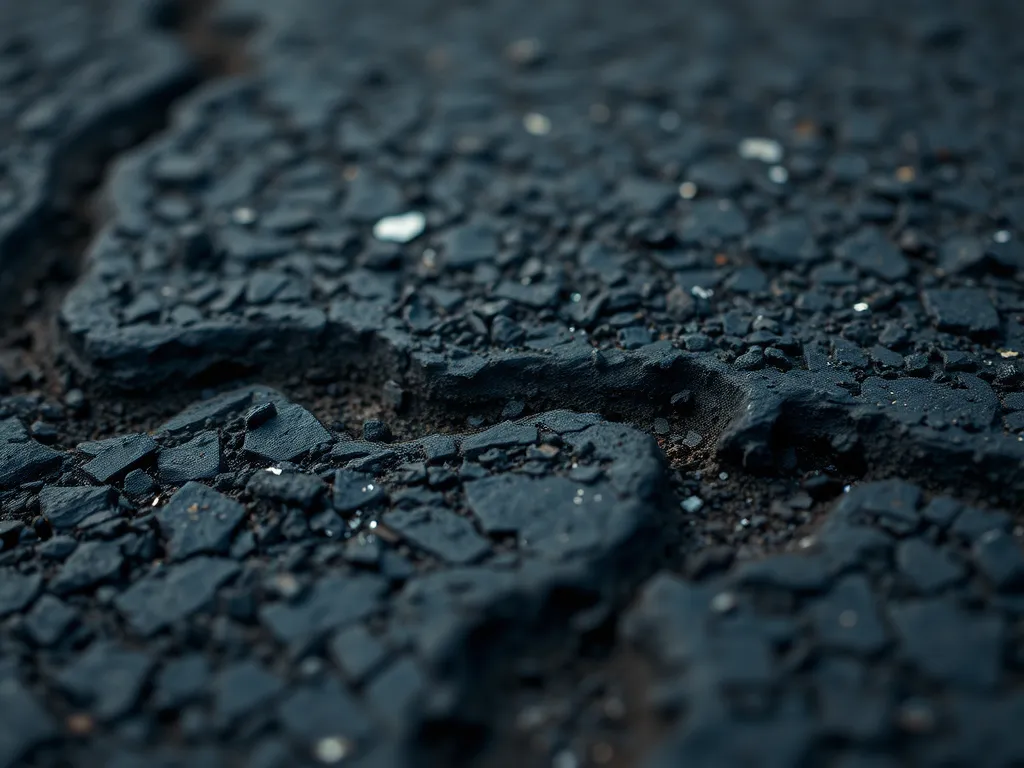
Rushed asphalt curing skips vital steps in the sequence of asphalt curing. Bitumen needs 24-72 hours at 70°F to bond with aggregates. Cutting this asphalt time to cure weakens the mix. Roads may crack within months, not years. A 20% time cut can slash pavement life by half. Cold zones see more potholes when crews ignore asphalt curing time conditions.
Surface Defects and Aesthetic Degradation
Open roads too soon, and tires leave ruts. Rain on fresh asphalt washes out fines, causing raveling. These flaws cost $8-$12 per sq.ft. to fix. Sunlight fades poorly cured surfaces faster—uneven color sticks out. Traffic loads during asphalt setting time create hairline cracks. These grow into spider webs, needing sealcoating in 1-2 years instead of 3-5.
Reduced Load-bearing Capacity
Asphalt gains 90% of its strength in the first 7 days. Let heavy trucks roll early, and the base compresses. A 4-inch layer loses 15% load strength if used 48 hours too soon. Rut depths over 0.5 inches fail AASHTO standards. Bridges and lots need full asphalt cure time (up to 6 months in winter) to handle 10-ton axle loads without sinking.
Ignoring asphalt time limits leads to costly fixes. Next, let’s explore ways to nail the timing for lasting results.
Also See: Comparison Of Natural Vs Water Curing Methods
Optimizing Asphalt Curing Time Management
Managing asphalt curing timing directly impacts pavement quality. Missing critical asphalt time limits risks structural flaws, costly repairs, and shortens road lifespan. Proactive planning avoids such pitfalls.
Best Practices for Timing Asphalt Curing
Track asphalt curing time conditions through all phases. Factors like air humidity, ground warmth, and mix viscosity shape schedules. A 24-hour window typically allows initial curing, but full hardening may span weeks.
Preparing for Weather Variability
Thermal shifts alter asphalt curing timing drastically. Below 50°F slows curing; above 85°F risks surface cracks. Use thermal blankets in cold climates. For rain, install tarps or adjust work calendars. Always monitor 72-hour forecasts before paving.
Using Asphalt Calculators for Time Estimation
Asphalt calculators factor in layer thickness, mix type, and local climate to predict curing asphalt timelines. Input data like PG 64-22 binder grade or 3-inch depth yields precise curing hours. This avoids guesswork and optimizes labor coordination.
| Variable | Impact on Cure Time |
|---|---|
| Mix Temp (°F) | +15°F cuts time by 30% |
| Layer Thickness | 2” vs 4” adds 18 hours |
| Humidity >70% | Prolongs curing by 50% |
Tools to Monitor Curing Progress
Infrared tools track asphalt temperatures for curing without physical contact. Pair with digital data loggers to map thermal curves. Spotting cold zones early prevents partial curing, a common cause of potholes.
Temperature Gauges and Infrared Thermometers
Infrared guns give instant surface readings (±2°F accuracy). For subsurface data, insert probe gauges at 1-inch intervals. Aim for 275–300°F during compaction, cooling to 160°F before opening to traffic.
Tips to Accelerate Asphalt Curing Safely
Fast-tracking curing asphalt demands caution. Warm mix additives (WMA) lower required temps by 50°F, trimming 20% off curing asphalt timelines. Avoid over-thinning binders—this weakens load capacity.
Balancing Speed with Structural Integrity
Rushing risks surface voids and rutting. Limit additives to 3% by mass. Post-application, apply light traffic after 8 hours but delay heavy trucks for 48 hours. Test hardness with a penetrometer (target: 60–70 dmm).
Optimizing asphalt time management isn’t just about clocks—it’s about syncing with natural laws and material science. Next, we’ll look at how smart curing schedules support planetary health.
Environmental Considerations in Asphalt Curing
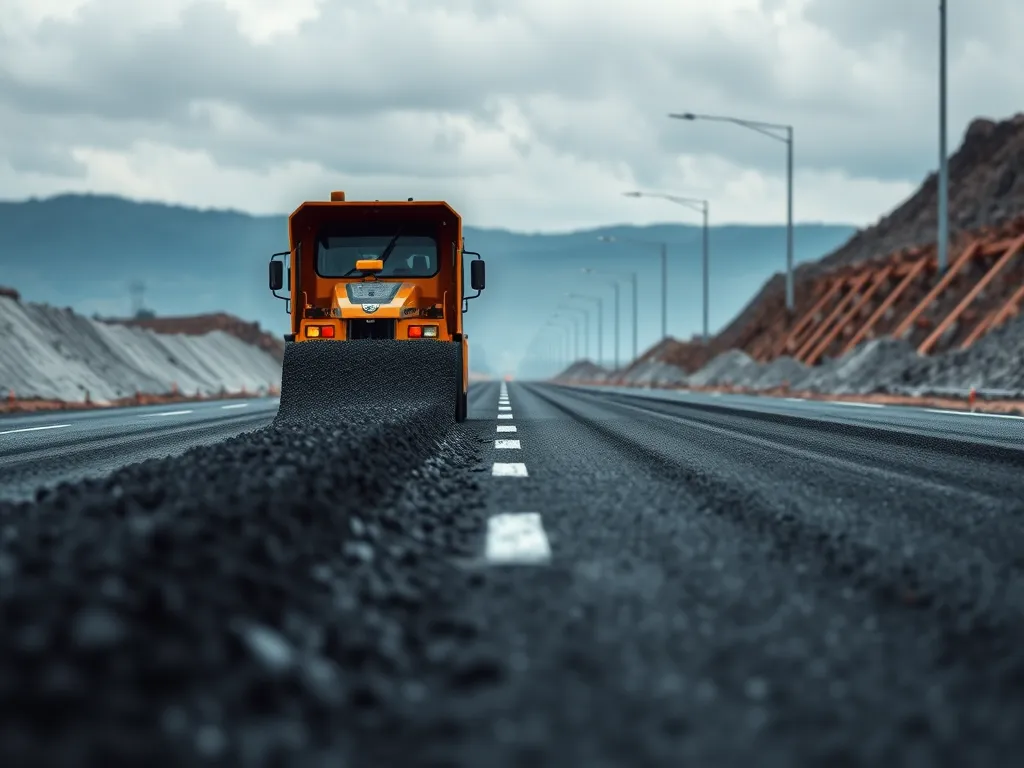
Proper asphalt time management extends beyond project deadlines. It directly impacts environmental outcomes. Aligning curing schedules with eco-friendly practices cuts emissions, conserves resources, and supports sustainable construction.
Minimizing Emissions Through Efficient Timing
Asphalt curing releases volatile organic compounds (VOCs) as bitumen bonds form. Extended curing phases increase VOC output by 18-22%. Timely compaction and temperature control lower emissions. For example, maintaining asphalt temperatures for curing between 275°F and 325°F optimizes binder hardening while reducing idle time for equipment.
- Warm-mix asphalt additives cut required heat by 50°F, slashing fuel use
- Infrared thermometers track surface temps, preventing over-curing
- Night paving in summer months avoids midday heat, lowering oxidization rates
Reducing Waste Via Precise Curing Schedules
Missed asphalt time limits force contractors to remove and replace poorly cured layers. A 2-inch overlay with precise timing uses 1.2 tons of material per square yard. Rushed jobs often require 15-20% more mix due to compaction failures. Automated asphalt calculators factor in thickness, ambient temps, and mix type to generate accurate curing timelines.
- Reclaimed asphalt pavement (RAP) reuse jumps to 30% with staged curing
- Real-time moisture sensors prevent premature sealing, saving 8 gallons of sealant per 1,000 sq ft
- Pre-cut control joints in 24-hour cycles minimize cracking-related repairs
Balancing speed and precision in curing asphalt creates surfaces that last longer while meeting EPA standards. Next, we’ll address common queries about asphalt cure time from contractors and property owners.
Frequently Asked Questions (FAQs)
Does Asphalt Need Time to Cure?
Yes, asphalt needs time to cure to achieve its optimal strength and durability. The curing process allows the binder to fully bond with the aggregates, preventing premature surface damage.
Why Does Asphalt Take So Long to Cure?
The curing time for asphalt can vary significantly based on factors like temperature, layer thickness, and mix composition. Each of these factors directly affects how quickly the chemical and physical changes can occur within the asphalt.
How Long Should New Asphalt Cure Before Sealing?
New asphalt typically needs to cure for about 30 days before sealing. This allows enough time for the asphalt to harden properly and prevents damage to the sealant application.
How Can I Speed Up My Asphalt Curing?
To speed up asphalt curing, you can use warm mix additives that lower the asphalt’s required temperature, or apply thermal insulation like blankets to retain heat during colder climates. However, it’s crucial to balance speed with structural integrity to avoid premature damage.
How Long for Asphalt to Cure in Cold Weather?
In cold weather, asphalt can take significantly longer to cure—sometimes 50-100% longer than in warmer temperatures. Appropriate insulating methods and additives should be used to mitigate these effects and ensure proper curing.
How Long Before Painting New Asphalt?
New asphalt should typically cure for a minimum of 30 days before painting. This curing period ensures that the surface is fully set and prevents the paint from peeling or failing prematurely.
Closing Thoughts
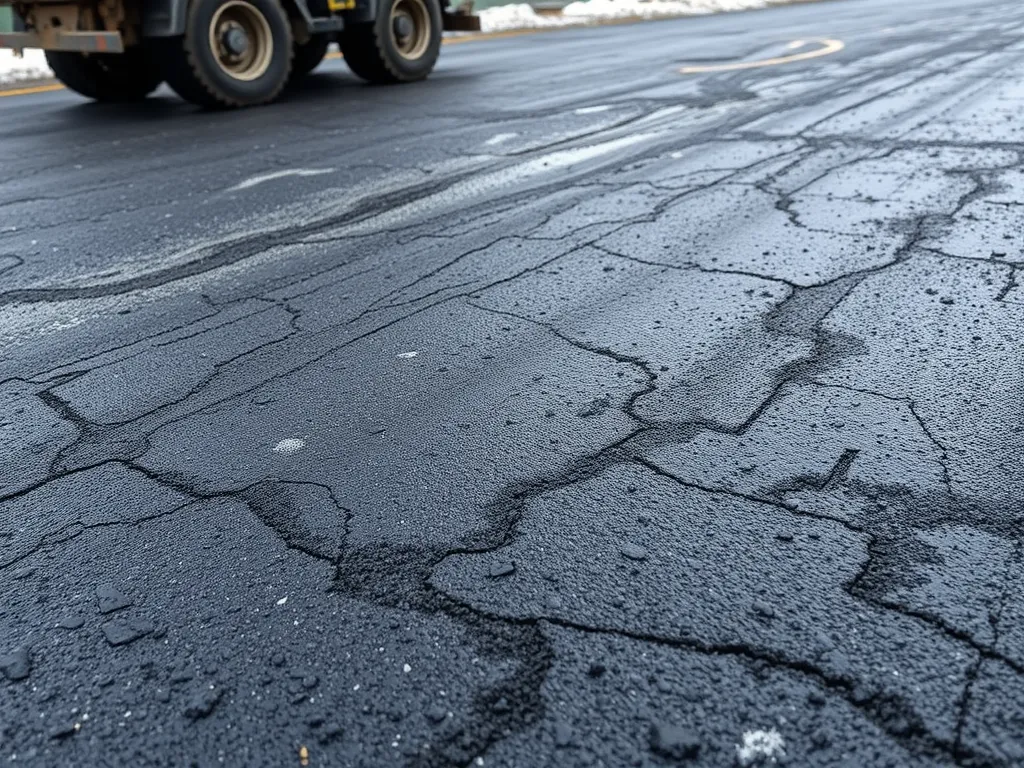
Effective time management in asphalt curing is crucial for achieving durable surfaces. Properly timed curing ensures optimal structural integrity, minimizes surface defects, and boosts load-bearing capacity. Each phase of curing, from initial setting to full hardening, requires precise attention to detail influenced by factors like temperature, mix composition, and layer thickness.
Ignoring time management can lead to significant issues, including premature failures and aesthetic degradation. By employing best practices and utilizing tools like asphalt calculators, professionals can streamline the curing process. Monitoring progress with temperature gauges further enhances precision, ensuring safety without compromising quality.
To learn more about asphalt curing and related tools, check out Asphalt Calculator USA for in-depth information and resources.
Useful References for You:
- Lavin, P. (2003). Asphalt Pavements: A Practical Guide to Design, Production, and Maintenance for Engineers and Architects. London: Taylor & Francis.
- 8 Crucial Tactics for Asphalt Pavement Protection
- Asphalt Drying Time vs. Curing Time | EastCoat Pavement Services
- How can I determine the appropriate curing time for asphalt pavements before opening them to traffic? Any relevant publications? | ResearchGate
- The Ultimate Guide to Asphalt Maintenance

