The Importance Of Sealcoating for Asphalt: Protect and Preserve Your Pavement
Published on: February 23, 2026 | Last Updated: April 14, 2025
Written By: George Voss
Sealcoating is a protective asphalt treatment that shields pavement from weather, chemicals, and wear. Made from asphalt emulsion blended with water, sand, and additives, it forms a barrier against UV rays, rain, oil spills, and de-icing salts. Applied every 2-3 years, sealcoating prevents cracks, slows oxidation, and can double your pavement’s lifespan while cutting repair costs by 30-50%.
This guide breaks down why sealcoating matters for driveways, parking lots, and roads. Explore how it works, key benefits like cost savings and safety improvements, and factors affecting results—from application methods to material choices. Get actionable tips to maintain your asphalt’s strength and appearance for decades.
Contents
- What is Sealcoating for Asphalt?
- Why Sealcoating Asphalt is Essential
- Key Benefits Of Sealcoating Asphalt
- Sealcoating Process for Asphalt Surfaces
- Factors Influencing Sealcoating Costs
- Choosing the Right Sealcoating Products
- Optimal Sealcoating Frequency for Asphalt
- Environmental and Supplementary Advantages
- FAQs About Asphalt Sealcoating
- Closing Thoughts
- Additional Resources for You:
What is Sealcoating for Asphalt?
Sealcoating shields asphalt with a thin, black layer. This mix uses coal tar or asphalt-based emulsions blended with sand, fillers, and additives. It acts like armor for your pavement.
Definition and Purpose Of Sealcoating
Sealcoating fills tiny cracks and blocks water, UV rays, and chemicals. It stops asphalt from drying out and losing its dark color. Think of it as sunscreen for your driveway or lot.
Role in Asphalt Maintenance
Regular sealcoating keeps asphalt strong for 15-30 years. Without it, surfaces crack 2-3x faster. Pair it with crack filling and cleaning to cut repair costs by 50% or more. A sealed lot needs fewer fixes over time.
Now let’s explore what happens when you skip this vital step.
Why Sealcoating Asphalt is Essential
Sealcoating acts as a shield for asphalt surfaces. Without this protective layer, pavements face accelerated wear from daily stressors like traffic, weather, and chemical exposure.
Consequences Of Skipping Sealcoating
Ignoring sealcoating invites rapid deterioration. Unprotected asphalt loses flexibility, making it prone to irreversible damage.
Cracking, Fading, and Structural Degradation
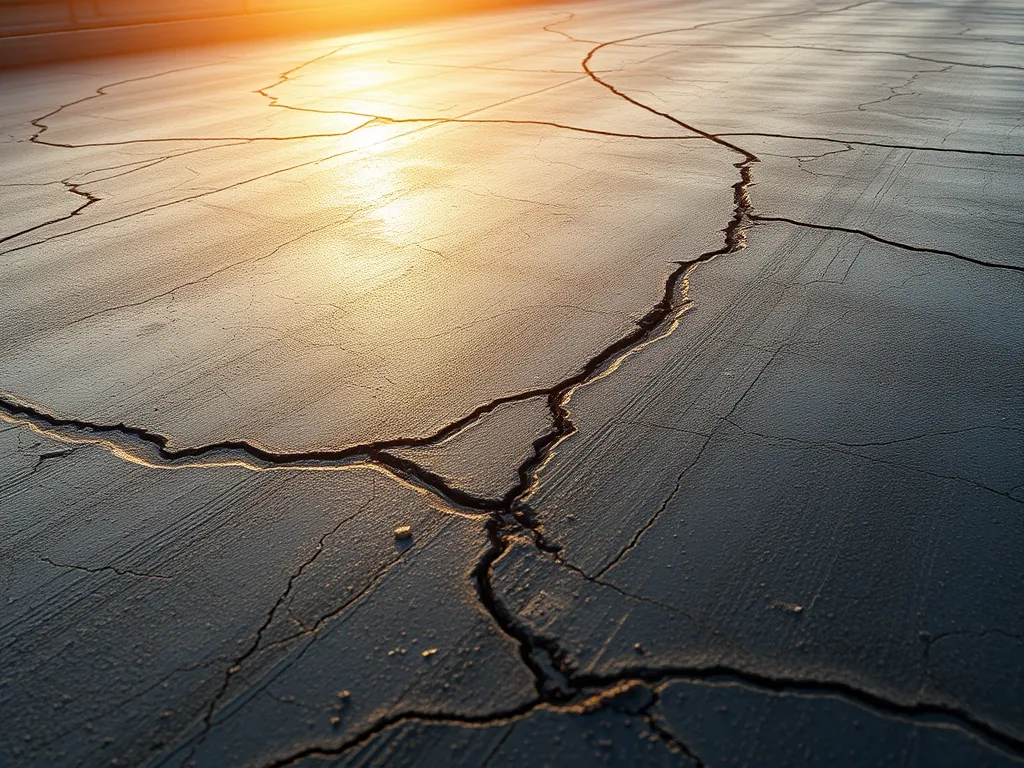
UV rays break down bitumen binders, causing oxidation within 6-12 months. Surface fading signals binder erosion, while cracks wider than ¼ inch let water penetrate the base layer. Freeze-thaw cycles expand these cracks, creating potholes. Unchecked, this weakens the aggregate structure, leading to costly full-depth repairs averaging $3-$7 per square foot.
Link Between Sealcoating and Asphalt Longevity
Regular sealcoating adds 5-10 years to pavement lifespan. It fills surface voids, blocks 95% of UV radiation, and slows oxidation rates by 70%. Protected asphalt retains flexibility, resisting cracks caused by temperature swings between -20°F and 120°F.
| Maintenance Approach | Average Lifespan | 10-Year Repair Costs |
|---|---|---|
| Sealed Asphalt | 15-25 years | $0.50-$1.20/sq ft |
| Unsealed Asphalt | 8-12 years | $2.80-$5.60/sq ft |
Sealcoating’s role in pavement preservation becomes clear when comparing these metrics. Next, we’ll break down how specific sealcoating benefits translate into measurable protection.
Key Benefits Of Sealcoating Asphalt
Sealcoating benefits go beyond basic maintenance – it’s a proactive shield against pavement’s worst enemies. Let’s break down why this process matters for asphalt preservation.
Extends Asphalt Lifespan
Properly sealed asphalt lasts 5-7 years longer than unsealed surfaces. The coating acts as a sacrificial layer, absorbing wear from traffic and environmental stressors. Unprotected asphalt deteriorates 2-3 times faster according to NAPA studies.
Prevents Chemical Breakdown and Weather Damage
Sealcoating blocks the chemical reaction that degrades asphalt binder when exposed to air. It reflects UV rays that fade surfaces and maintains pavement flexibility during temperature swings from -20°F to 120°F.
Protects Against Water Infiltration
Water intrusion causes 85% of asphalt failures. Sealcoating fills cracks up to 1/8″ wide and creates a hydrophobic barrier. This prevents freeze-thaw damage that creates potholes and reduces standing water by 70%.
Resists Oil, Gasoline, and Chemical Spills
Coal tar-based sealants block 90% of petroleum-based stains. The semi-flexible finish resists penetration from de-icing salts and automotive fluids. Immediate spill cleanup prevents permanent damage to sealed surfaces.
Enhances Curb Appeal With a Fresh, Uniform Finish
New sealcoating restores asphalt’s deep black color using premium carbon additives. This uniform appearance lasts 12-24 months and can increase property value by 3-5% according to real estate surveys.
Reduces Long-term Repair Costs
Sealcoating costs $0.15-$0.25 per square foot versus $3-$5 for pothole repairs. Proactive maintenance cuts crack-sealing frequency by 60% and delays costly overlays by 5-8 years.
Improves Surface Traction and Safety
Specialized sand additives boost skid resistance by 30-40%. This textured finish meets ADA requirements for slip resistance and proves critical during rain or snow events.
Proper application methods ensure these sealcoating benefits last. Next, we break down the professional process that maximizes protection.
Also See: Impact Of Asphalt on Traffic Safety: A Brief Overview
Sealcoating Process for Asphalt Surfaces
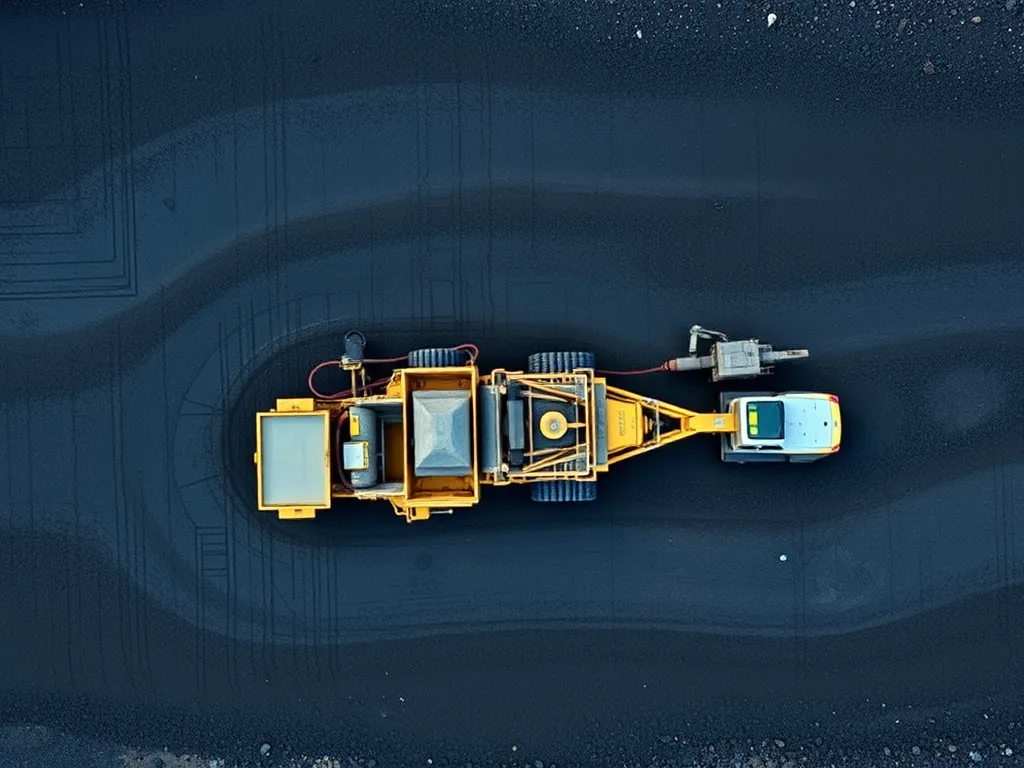
Sealcoating shields asphalt by sealing its pores and renewing its top layer. A proper process boosts the value of sealcoating, ensuring long-term defense against cracks, water, and UV rays. Let’s break down how pros apply it.
Steps in Professional Sealcoating
Experts follow strict steps to lock in the sealcoating benefits. Skipping any step risks weak spots or early wear.
Cleaning and Preparation
Teams start by clearing dirt, oil, and weeds. Pressure washing removes grit, while crack fillers patch gaps up to 1/4 inch wide. Dry surfaces bond best—damp asphalt causes sealant to peel. Prep work takes 2-4 hours for a standard drive.
Application Methods: Spray, Brush, or Squeegee
Spray rigs coat large lots fast, laying 1 gallon per 80 sq ft. Brushes handle edges; squeegees spread thick layers on rough spots. Most jobs use spray for speed, then touch-ups by hand. Two thin coats dry better than one thick layer—prevents cracks as temps shift.
Curing Time and Traffic Readiness
Fresh sealant needs 24-48 hours to harden. Heat or humidity slows drying. Park cars elsewhere for 2 days—tire marks dent soft coats. Foot traffic? Wait 4-6 hours. Rushing this step wastes the benefits of sealing asphalt, leaving weak spots for water to breach.
Nail the cure time, and your pavement gains 3-5 years of life. Up next: how costs shift based on materials, labor, and lot size.
Factors Influencing Sealcoating Costs
Investing in sealcoating benefits extend beyond protection—it’s fiscally smart. Costs depend on three core elements: surface needs, material choices, and workforce logistics.
Asphalt Surface Condition and Size
Damaged or weathered pavement requires more prep work. Cracks wider than ¼ inch need filling before sealing, boosting labor hours by 15-30%. Larger surfaces like parking lots (10,000+ sq.ft.) might cost $0.15-$0.30 per sq.ft., while driveways (500-1,500 sq.ft.) often run $0.30-$0.50 per sq.ft. due to fixed setup fees.
Type Of Sealcoating Material Used
Material selection impacts both performance and budget. Coal tar seals cost $0.15-$0.25 per sq.ft. but offer superior resistance to fuel spills. Asphalt-based emulsions range from $0.10-$0.20 per sq.ft., favored for eco-friendly properties. Refined blends with polymer additives can push prices up by 20% but extend service life by 2-3 years.
Coal Tar vs. Asphalt-Based Emulsions
Coal tar, derived from steel production, creates a glossy finish lasting 3-5 years. Asphalt-based options, made with water or solvents, cure faster (4-6 hours) but may need resealing every 2-3 years. Some regions restrict coal tar due to polycyclic aromatic hydrocarbon (PAH) concerns, shifting demand toward bio-based alternatives.
Labor and Equipment Expenses
Professional crews using spray systems ensure even coverage but charge $50-$75 per hour. Squeegee methods work better for porous surfaces but add 25% more time. DIY kits ($50-$100 per drum) seem cheaper but lack commercial-grade thickness (20-35 mils vs. 10-15 mils for DIY), risking premature wear.
Balancing these factors ensures your pavement gains maximum sealcoating benefits without overspending. Next, let’s explore how to pick materials that match your needs and budget.
Choosing the Right Sealcoating Products
Picking the best sealcoating mix boosts your asphalt’s defense. The right choice guards against wear, sun, and spills while keeping costs low.
Types Of Asphalt Sealcoating Materials
Three main types exist: coal tar, asphalt-based, and acrylic. Coal tar lasts 3-5 years, blocks oil well, but faces bans in some states due to high PAHs (toxic compounds). Asphalt-based emulsions (petroleum) resist salt, suit cold zones, and last 2-4 years. Acrylics cost more but add shine, ideal for stores or homes wanting curb appeal.
Environmental Considerations
Check labels for low-VOC (volatile organic compounds) or bio-based blends. Coal tar releases toxins into runoff; 14 states restrict its use. Asphalt-based options cut pollution by 40% vs coal tar. Some cities require eco-sealants for public jobs.
DIY Vs. Professional-grade Options
Store-bought kits ($0.10-$0.25 per sq ft) work for small fixes but lack thickness (3-5 mil vs pro 10-12 mil). Pro-grade sealants have more solids (30%-45%) for deeper cracks. Big lots or heavy traffic need spray rigs—rental gear often clogs, leaving weak spots. Contractors use industrial additives like sand for grip or polymers for flex in freeze-thaw cycles.
Ready to time your next coat? Let’s map out when to seal for max payoff.
Optimal Sealcoating Frequency for Asphalt
Maintaining a regular schedule maximizes sealcoating benefits while keeping costs manageable. Timing impacts how well the protective layer bonds with asphalt and combats daily wear.
Recommended Schedule for Driveways and Parking Lots
Apply fresh sealcoat every 2-3 years for driveways and 1-2 years for parking lots. High-traffic areas like gas stations or warehouses may need annual applications. Climate plays a role: regions with heavy snow or intense sun demand more frequent treatments. For example, asphalt in Arizona’s 110°F summers degrades faster than in mild coastal zones.
| Surface Type | Frequency | Key Factors |
|---|---|---|
| Residential Driveways | 2-3 Years | Vehicle weight, UV exposure |
| Commercial Parking Lots | 1-2 Years | Daily traffic, oil spills |
Signs Your Asphalt Needs Resealing
Watch for fading color – fresh asphalt starts jet-black but turns gray as oxidation breaks down binders. Hairline cracks (under ¼ inch wide) signal it’s time to act. Rough textures or aggregate exposure mean the existing sealant has worn thin. Oil spots that linger after cleaning also indicate compromised protection.
Delaying resealing lets water seep into sublayers, triggering potholes or base failures. A single winter freeze-thaw cycle can widen small cracks by 300% without sealcoating assistance.
Regular checks paired with proactive maintenance boost pavement resilience. Next, let’s explore how sealcoating benefits extend beyond surface protection to environmental stewardship.
Environmental and Supplementary Advantages
Sealcoating does more than shield asphalt from wear—it supports eco-friendly practices while boosting pavement performance. These hidden perks make sealcoating a smart choice for both property protection and environmental care.
Reducing Waste Through Preventative Maintenance
Regular sealcoating slashes repair needs by up to 50%, delaying full replacements. Every year of extended pavement life prevents 3-5 tons of asphalt debris per 1,000 sq ft from entering landfills. Quality sealants like asphalt-based emulsions (water-resistant formulas with recycled materials) allow existing pavement layers to stay functional longer. This cuts demand for virgin aggregates and bitumen—key components in new asphalt production.
Minimizing Weed Growth and Surface Staining
A properly sealed surface blocks moisture penetration that fuels weed roots in cracks. It also resists petroleum-based spills from vehicles, preventing deep-set stains. Property owners report 60-80% less herbicide use on sealed lots compared to untreated surfaces. Coal tar sealants (thicker, darker finishes) offer superior stain resistance but require careful disposal due to environmental regulations.
These secondary benefits reinforce the value of sealcoating for maintaining pavement integrity and surrounding ecosystems. Next, let’s break down the steps experts use to apply sealcoat for lasting results.
FAQs About Asphalt Sealcoating
What Are the Primary Benefits Of Sealcoating?
Sealcoating offers several primary benefits including extending the lifespan of asphalt, protecting against water infiltration, resisting stains from oil and chemicals, enhancing curb appeal, reducing long-term repair costs, and improving surface traction for safety.
Is Sealcoating Necessary for Residential Driveways?
Yes, sealcoating is essential for residential driveways as it protects against wear from weather, UV rays, and chemicals, ultimately extending the lifespan of the asphalt and reducing maintenance costs.
How Does Sealcoating Prevent Asphalt Damage?
Sealcoating creates a protective barrier that fills small cracks, blocks moisture, and shields the asphalt from harmful UV rays and chemical spills, which can otherwise lead to structural damage and degradation.
Which Sealcoating Products Are Best for Asphalt?
The best sealcoating products vary based on specific needs, but commonly used materials include coal tar and asphalt-based emulsions. Choosing environmentally friendly options with low VOCs is also recommended, especially in areas with restrictions on chemicals.
How Can Sealcoating Contribute to Environmental Sustainability?
Sealcoating contributes to environmental sustainability by extending the life of pavement, which reduces the need for new materials and minimizes waste. Properly maintained asphalt surfaces also reduce the use of herbicides and other chemicals to manage vegetation growth.
Closing Thoughts
Sealcoating is not just a cosmetic enhancement; it plays a vital role in extending the life of asphalt surfaces. By protecting against the elements, managing moisture, and resisting harmful chemicals, sealcoating ensures that your pavement remains durable and aesthetically pleasing. Regular application can prevent costly repairs and maintain structural integrity, making it a smart investment for homeowners and property managers alike.
Remember, the importance of sealcoating goes beyond immediate benefits. The right sealcoat can significantly increase the longevity of your asphalt, minimizing waste and maintenance needs. As such, it’s essential to consider optimal sealing schedules and choose quality products tailored to your specific asphalt conditions.
For more detailed insights and tools related to asphalt maintenance, visit Asphalt Calculator USA. Your pavement deserves the best care possible!