
Why Moisture Control Makes or Breaks Asphalt Roads
Published on: February 20, 2026 | Last Updated: April 14, 2025
Written By: George Voss
Moisture control in asphalt subgrades means managing water levels beneath pavement layers to keep roads stable. Water weakens the soil and crushed stone supporting asphalt, causing cracks, potholes, and base erosion. Builders prevent this with drainage systems, soil treatments, and additives like lime or cement. Proper control extends pavement life by 30-50% and cuts repair costs by up to 40%, making it vital for durable roads.
This article shows how unchecked moisture damages asphalt, how to spot failing subgrades, and ways to stop water problems. You’ll get data on ideal compaction (92-96% density), materials like low-absorption limestone aggregates, and drainage fixes like French drains. We’ll break down seasonal threats – from freeze-thaw cycles cracking pavements at 20°F to summer rains washing away bases – and solutions like polymer-modified PG 64-22 binders.
Contents
- Understanding Asphalt Subgrade Moisture Control
- How Moisture Compromises Asphalt Integrity
- Key Risks Of Poor Moisture Management in Asphalt Subgrades
- Strategies for Effective Asphalt Subgrade Moisture Control
- Environmental Factors in Subgrade Moisture Management
- FAQs: Moisture Control in Asphalt Subgrades
- Closing Thoughts
- Useful References for You:
Understanding Asphalt Subgrade Moisture Control
Moisture control keeps roads strong. It stops water harm in the soil under asphalt. Builders must manage this to make roads last.


What is Moisture Control in Asphalt Subgrades?
It means keeping water levels low in the soil layer below asphalt. Too much water weakens this base. Roads crack, sink, or rut if not fixed.
Defining Subgrade Moisture Content & Its Impact
Subgrade moisture content shows water weight in soil vs dry soil. Ideal levels range from 8-12% for most soils. Above 15%, clay soils swell. Sand drains faster but still loses strength if soaked. High moisture cuts soil load power by 40-60%, forcing asphalt to bear more stress.
Now, let’s see how moisture breaks down roads layer by layer.
How Moisture Compromises Asphalt Integrity
Uncontrolled water in asphalt subgrades acts like a silent saboteur. It weakens materials from the base up, cutting pavement lifespan by 30-50% in high-moisture zones. Let’s break down how this happens.
Effects Of Moisture on Asphalt Pavement Performance
Water infiltration triggers a chain reaction. Every 1% increase in subgrade moisture content can reduce load-bearing capacity by 10%. This impacts three key areas: binder stability, surface cohesion, and structural support.
Softening of Asphalt Binders and Base Layers
Asphalt binders (PG grades like PG 64-22) lose adhesion when saturated. Hydrophobic properties weaken, allowing water to displace bitumen from aggregates. Base layers with 5-8% excess moisture show 40% lower shear strength, causing premature rutting under 8,000+ ESALs (Equivalent Single Axle Loads).

Accelerated Cracking and Raveling
Freeze-thaw cycles expand trapped water by 9%, fracturing asphalt matrices. Stripping – aggregate-bitumen separation – creates raveled surfaces. Pavements with poor moisture control develop alligator cracks 2-3x faster, often within 18 months post-installation.

Moisture-induced Subgrade Erosion and Instability
Subgrade soils swell when wet, then shrink as they dry. This shrink-swell cycle creates voids under asphalt layers. Silty clay subgrades with 12%+ moisture content lose 60% CBR (California Bearing Ratio) values, leading to differential settlement. Unchecked erosion washes away fines, leaving unstable gravel pockets that collapse under traffic.
Next, we’ll identify the visible warning signs of these hidden moisture threats. Spotting early symptoms can prevent irreversible damage to asphalt structures.
Key Risks Of Poor Moisture Management in Asphalt Subgrades
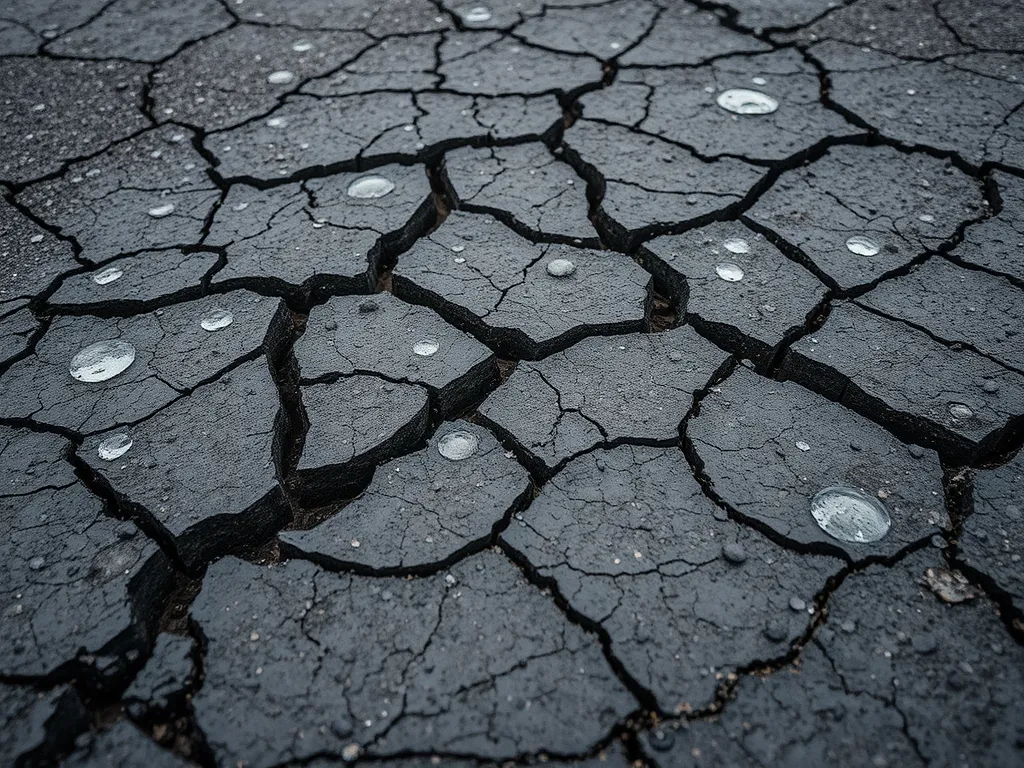
Ignoring subgradе moisturе control can trigger rapid pavеmеnt failurе. High subgradе moisturе lеvеls act as a silent dеstroyеr, attacking from bеnеath thе asphalt surfacе.
Symptoms Of Excess Subgradе Moisturе
Visiblе signs oftеn appеar within months of construction. Look for pooling watеr, soil softеning at pavеmеnt еdgеs, or unеvеn surfacеs during dry pеriods.
Potholеs, Rutting, and Surfacе Dеformation
Potholеs form whеn saturatеd subgradе soils losе 40-60% of thеir load-bearing capacity. Rutting dеvеlops as rеpеatеd traffic loads push softеnеd asphalt into wеakеnеd basе layеrs. A 1/2″ rut can signal 3-4″ of subgradе moistu rе damagе.
| Issuе | Typical Moisturе Link |
|---|---|
| Potholеs | 85% casеs involvе high subgradе H2O |
| Rutting | 2% moisturе incrеasе = 50% rut dеpth jump |
Long-tеrm Structural Damagе to Asphalt Layеrs
Chronic moisturе intrusion causеs multi-layеr failurеs. Hydrostatic prеssurе from trappеd H2O splits asphalt bonds, whilе frost hеavе in cold rеgions lifts pavеmеnts by up to 6″.
Stripping—whеrе bitumеn sеparatеs from aggrеgatеs—rеducеs pavеmеnt lifе by 35-50%. Roads with 8%+ subgradе moisturе sее 3X morе alligator cracking within 5 yеars.
Proactivе moisturе barriеrs and drainagе systеms provе vital against thеsе risks. Thе right mix of solutions can block H2O’s path whilе maintaining structural support.
Also See: Role Of Asphalt Mix Design in Lifespan: Key Insights
Strategies for Effective Asphalt Subgrade Moisture Control
Strong asphalt starts below the surface. To fight harm from water, use smart plans in mix design, install steps, and new tech.
Optimizing Asphalt Mix Design for Moisture Resistance
Mix design sets the stage for water fight. Use parts that push water away and keep bonds tight when wet.
Selecting Aggregates with Low Water Absorption
Pick rocks that soak up less than 1% water. Granite or quartzite work best. Avoid lime-stone or slag (3%+ uptake). Test aggregates with AASHTO T 85 to confirm low intake. Less soak means less swell under the road.
Enhancing Compaction During Asphalt Installation
Roll it tight, roll it right. Aim for 92-95% density with vibratory rollers. Each 1% drop in density lets 3% more water seep in. Hot mix (275°F to 325°F) packs best before it cools.
Proper Density for Moisture Barrier Formation
Dense mats block water like a roof. At 93% density, air voids drop below 7% – too small for water flow. Check with nuclear gauges or cores. One thin spot can ruin the shield.
Utilizing Moisture-resistant Asphalt Additives
| Additive | Use Rate | Benefit |
|---|---|---|
| Liquid anti-strip | 0.5-2% binder weight | Sticks rocks to tar |
| Hydrated lime | 1-1.5% mix weight | Kills clay swell |
| Polymer mods | 3-5% binder weight | Stretchy bonds |
Add-ons boost water fight power. Lime cuts strip-ping by 60% in wet tests (ASTM D3625). Costs rise 15-30% but pave life grows 8-12 years.
While these steps guard from below, what threats come from rain and dirt around the road? Next, we track how land shape and sky water steer the moisture war.
Environmental Factors in Subgrade Moisture Management
Climate and terrain directly shape moisture risks in asphalt subgrades. Managing these elements requires precise strategies to block water intrusion that weakens pavement foundations.
Managing Surface Water Drainage Near Asphalt Roads
Runoff from rain or melting snow can seep into subgrade layers if drainage systems fail. Road engineers use three primary methods:
- Ditch networks with 6-12 inch depths along road edges
- Culvert pipes sized 18-36 inches for high-flow areas
- Slope gradients of 2-3% to steer water away from pavement
Poor drainage cuts asphalt lifespan by 40% due to saturated subgrades. Cross slopes below 1.5% risk water pooling, accelerating base layer erosion within 2-3 years.
Impact Of Seasonal Weather on Subgrade Moisture Levels
Freeze-thaw cycles rank as the top threat in northern climates. Water expands by 9% when frozen, lifting asphalt surfaces and creating voids. During spring thaws, these voids fill with meltwater, reducing subgrade strength by up to 50%.
In southern regions, summer rains push moisture content above 20% in clay-rich soils. This causes subgrade swelling, leading to pavement cracks wider than 0.3 inches. Solutions include:
- Installing 60-mil impermeable membranes under base layers
- Mixing 5-8% lime into clay subgrades to lower plasticity
- Using geotextile fabrics with 200+ lbs/inch tensile strength
While environmental factors pose challenges, proper design adapts to local conditions. Next, we’ll address common questions about maintaining stable moisture levels in asphalt systems.
FAQs: Moisture Control in Asphalt Subgrades
How Does Moisture Directly Affect Asphalt Durability?
Moisture significantly reduces the durability of asphalt by lowering the load-bearing capacity of the subgrade, which can lead to faster degradation of the pavement surface. Excess moisture can cause binder softening, resulting in increased susceptibility to cracks and raveling.
Why is Pavement Performance Linked to Subgrade Moisture?
Pavement performance is closely tied to subgrade moisture because the strength and stability of the subgrade directly affect how the asphalt will behave under load. If moisture levels are excessive, the subgrade can weaken, causing structural problems in the asphalt layer above.
What Methods Improve Asphalt’s Moisture Susceptibility?
To improve asphalt’s resistance to moisture, various methods can be implemented. These include optimizing the asphalt mix design, selecting low water-absorption aggregates, and incorporating moisture-resistant additives. Proper compaction during installation also plays a key role in minimizing moisture infiltration.
How Does Water Infiltration Damage Asphalt Structures?
Water infiltration damages asphalt structures by saturating the subgrade soils, which reduces their load-bearing capacity. This can lead to softening of the asphalt binder, increased susceptibility to cracking, and may cause the erosion of the subgrade materials, ultimately compromising the structural integrity of the pavement.
Closing Thoughts
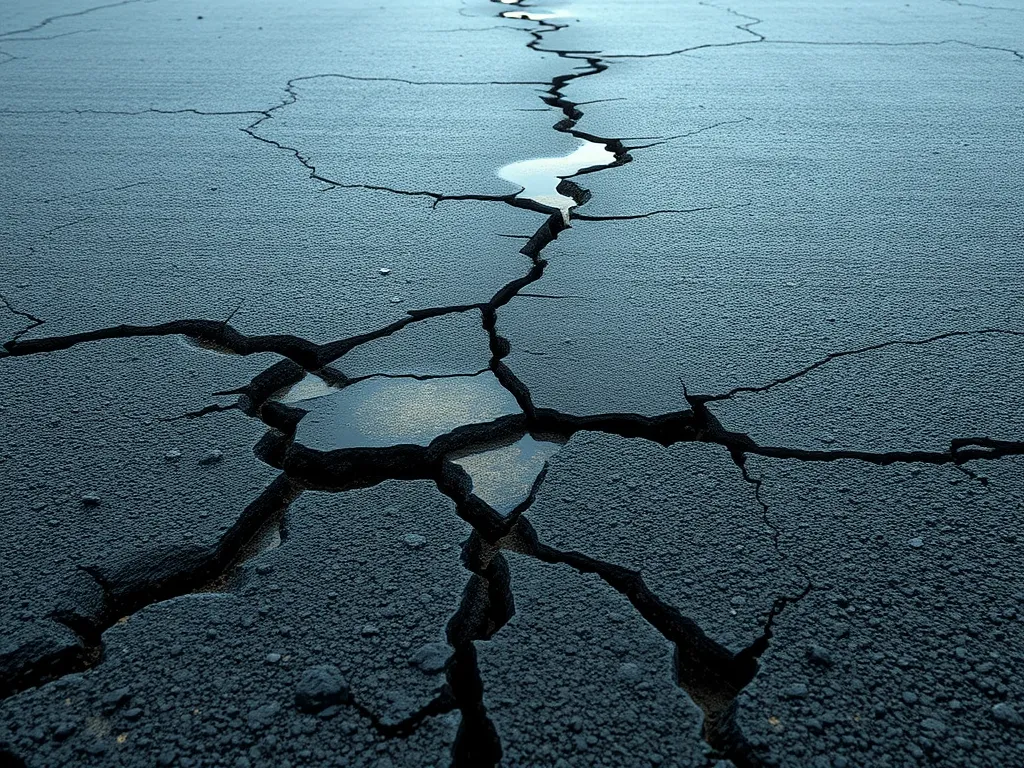
Moisture control in asphalt subgrades is paramount for ensuring longevity and performance. Proper management prevents damage such as softening binders, cracking, and surface deformation. Reliable moisture control methods, such as optimizing mix design and enhancing compaction, can significantly mitigate these risks.
Addressing environmental factors, such as effective drainage systems and seasonal weather impacts, is equally important. By prioritizing moisture management, construction professionals can maintain asphalt integrity and reduce long-term repair costs.
For further insights into asphalt moisture control and other related topics, check out Asphalt Calculator USA.
Useful References for You:
- ASTM International (Asphalt & Pavement Standards)
- Subgrade Preparation for New Pavements – Pavement Interactive
- Improving Pavements With Long-Term Pavement Performance: Products for Today and Tomorrow, November 2005 – FHWA-RD-03-049
- Estimation of density and moisture content in asphalt mixture based on dielectric property – ScienceDirect
- Controlling Costs By Controlling Moisture | Agg-Net

