Why Your Asphalt Needs Drainage Care Right Now
Published on: February 21, 2026 | Last Updated: April 14, 2025
Written By: George Voss
Proper drainage maintenance stops water from destroying asphalt by steering runoff away from weak spots. When drainage fails, water enters cracks, erodes base layers, and triggers potholes within months. Regular cleaning of drains and 2% slope grading block these issues, cutting repair costs by up to 60% compared to unmaintained surfaces.
This article shows how drainage systems protect parking lots, driveways, and roads. You’ll see how clogged drains cause rutting and hydroplaning risks. We’ll break down fixes like catch basin cleaning, permeable asphalt installation, and regrading techniques. Get step-by-step strategies to boost pavement durability and avoid $8-$12 per square foot replacement costs.
Contents
- Why Proper Drainage is Critical for Asphalt Surfaces
- Risks Of Poor Drainage Systems for Asphalt
- Key Benefits Of Asphalt-focused Drainage Maintenance
- Sustainable Drainage Solutions for Asphalt Areas
- Environmental Protection Through Asphalt Drainage Management
- Asphalt Drainage Maintenance Checklist
- FAQs: Asphalt Drainage Systems
- Closing Thoughts
- Useful References for You:
Why Proper Drainage is Critical for Asphalt Surfaces
Water ruins asphalt fast. Drainage systems guide water away from roads and lots. Without them, surfaces crack, sink, or break apart. Fixing these issues costs 3-5 times more than routine drain care.


Preventing Structural Damage to Asphalt
Pooled water eats into asphalt layers. Over time, this weakens the whole structure. A strong drainage plan stops damage before repairs become urgent.
Avoiding Cracks and Potholes from Water Infiltration
Water seeps into tiny cracks. When temps drop, it freezes and expands. This forces cracks wider, creating potholes. Just 1 inch of standing water can trigger damage in 5 freeze-thaw cycles.
Protecting Asphalt Base Layers from Erosion
The base layer—crushed stone mixed with binder—holds asphalt up. Poor drainage washes away fines (small particles) in this layer. Loss of 15% fines cuts base strength by half. Sloped drains keep the base dry and intact.
Extending Pavement Lifespan
Good drainage adds 7-12 years to asphalt life. It slows wear from weather and use. For every $1 spent on drain care, you save $4 in resurfacing costs.
Reducing Freeze-Thaw Cycle Impacts
Water in pavement pores freezes at 32°F, expanding by 9%. Drains remove this water, preventing surface lifts and cracks. Sites with slope grades below 2% see 40% more winter damage.
Minimizing Oxidation and Surface Degradation
Standing water speeds binder breakdown. This causes raveling—loose stones on the surface. Drains lower oxidation rates by keeping asphalt dry. Tests show dry surfaces last 2.3 times longer than water-logged ones.
Next, we’ll explore how broken drains lead to safety risks and budget drains.
Risks Of Poor Drainage Systems for Asphalt
Failing to prioritize drainage maintenance creates costly, unsafe conditions for paved surfaces. Water trapped beneath or pooling on asphalt triggers structural issues requiring immediate intervention.

Common Asphalt Damage From Inadequate Drainage
Neglected drain systems directly correlate with three types of pavement failure. Each requires distinct repair methods costing $3-$7 per square foot depending on severity.
Rutting and Surface Deformation
Subsurface erosion from standing water weakens base layers, causing visible depressions under vehicle weight. Rut depths exceeding 0.5 inches compromise tire traction while allowing more water infiltration.
Pooling Water and Hydroplaning Hazards
Standing water deeper than 0.25 inches elevates hydroplaning risks by 35% at speeds above 35 mph. Pooling also accelerates binder stripping, exposing aggregates to further wear.
Increased Maintenance Costs
Reactive fixes for drainage-related damage cost 4x more than scheduled upkeep. Budgets stretch thinner when addressing cascading issues beyond the pavement itself.
Emergency Repairs vs. Preventative Maintenance
Patching potholes costs $50-$300 per incident versus $0.15-$0.30 per square foot for yearly crack sealing. Unplanned regrading projects due to eroded subsoil run $1,200-$5,000 for mid-sized lots.
Impact on Adjacent Landscaping and Hardscapes
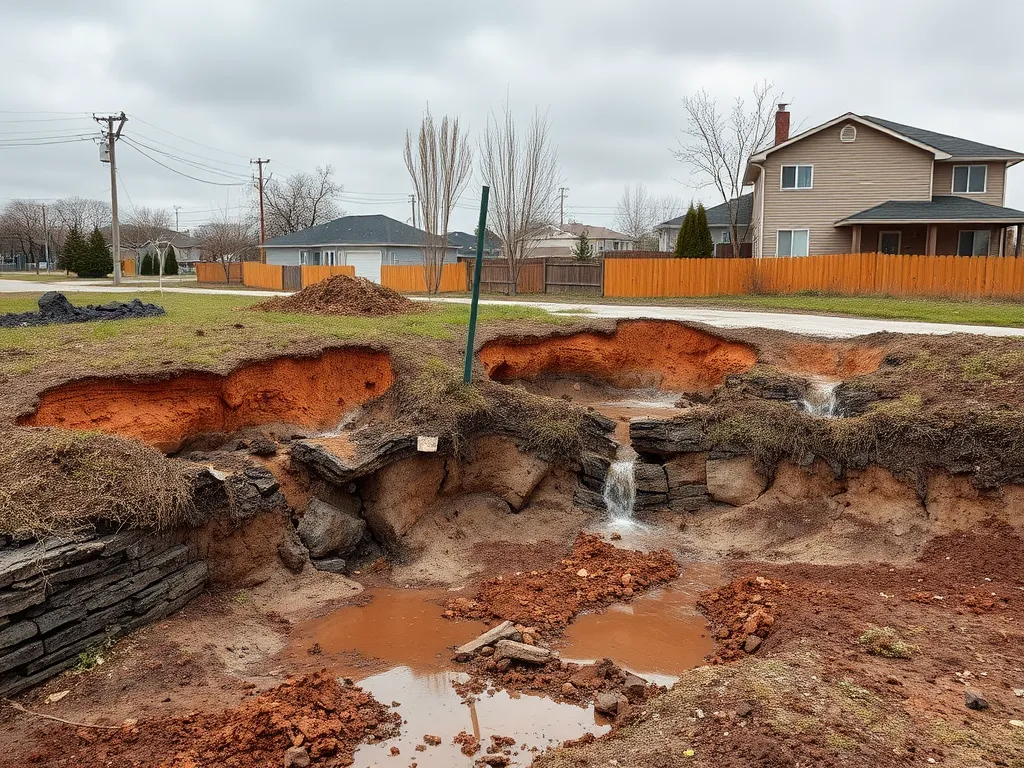
Overflow from clogged drains washes away mulch, soils, or decorative rocks. Uncontrolled runoff stains concrete curbs while eroding retaining walls – adding $500-$2,000 in collateral repairs per event.
Proactive drainage system checks curb these expenses. Next, let’s examine methods to preserve pavement through targeted upkeep routines.
Key Benefits Of Asphalt-focused Drainage Maintenance
Proactive care for drainage systems around asphalt areas stops small issues from becoming costly repairs. Targeted strategies protect both pavement structure and user safety.
Preserving Pavement Integrity
Water trapped beneath asphalt layers weakens the foundation. A drainage maintenance plan prioritizes these core defenses:
Channeling Water Away from Critical Areas
Sloped trenches and catch basins direct stormwater flow. Systems like French drains with 4-6% slope grades prevent saturation near joints or edges. Regular drain system maintenance clears debris blocking pipes over 12″ in diameter.
Maintaining Proper Surface Grading
Asphalt surfaces need 1.5-2% cross-slope for runoff. Laser grading during repairs ensures water flows toward drains instead of pooling. Annual yard drainage maintenance checks catch settling issues early – just 1/2″ standing water can start base erosion.
Safety Enhancements
Effective drainage systems do more than protect pavement – they keep surfaces drivable year-round.
Preventing Ice Formation in Cold Climates
Standing water freezes at 32°F, creating black ice on asphalt. Drainage maintenance tips like installing heated trench drains along parking spots stop frost heave damage. Sites with active systems report 40% fewer slip claims.
Reducing Slippery Surface Conditions
Oil and water mix creates slick spots. Permeable asphalt sections with 16-20% void spaces let stormwater filter through, cutting skid risks. Combined with monthly drains home maintenance like sweeping, friction coefficients stay above 0.5 for safe braking.
These strategies show why proper drainage maintenance matters. Next, we’ll explore sustainable methods that boost performance while protecting ecosystems.
Also See: Comparison Of Paver Types for Different Projects
Sustainable Drainage Solutions for Asphalt Areas
Innovative drainage systems blend pavement performance with ecological benefits. These methods protect surfaces while managing stormwater responsibly.
Permeable Asphalt Applications
Permeable pavement lets water pass through its structure into underlying soil. Unlike traditional mixes, it uses open-graded aggregates mixed with polymer-modified binders. This design combats pooling while supporting vehicle loads up to 5,000 psi.
Stormwater Management Benefits
Each square foot of permeable asphalt can process 3-5 gallons of water per minute. Municipalities report 40-60% reductions in storm sewer loads. This lessens strain on pipes during heavy rains, cutting flood risks.
Combining with Subsurface Drains
Pair permeable layers with perforated PVC pipes beneath. These systems collect excess water, directing it to retention zones. Regular drain system maintenance keeps flow rates optimal—clear debris quarterly using hydrojetting at 3,000 PSI.
Swales and Retention Basins
Vegetated channels slow runoff while filtering pollutants. Bioswales with native grasses process 70% more water than concrete ditches. Ideal slopes range from 1-4% for controlled flow without erosion.
Integration with Parking Lot Design
Strategically place swales between parking rows or along perimeters. This captures oil drips from vehicles before reaching storm drains. Use check dams every 20 feet to spread flow evenly across the vegetation.
Filtering Contaminants from Runoff
Engineered soil mixes in swales remove 80-90% of heavy metals. Plants like switchgrass absorb hydrocarbons, while mycorrhizal fungi break down toxins. Test soil pH yearly—maintain levels between 6.0-7.5 for peak microbial activity.
These green solutions not only shield pavement but set the stage for broader ecological benefits. Next, we’ll explore how drainage management protects surrounding ecosystems.
Environmental Protection Through Asphalt Drainage Management
Effective drainage systems do more than protect pavement—they safeguard local ecosystems. Strategic water management around asphalt areas prevents environmental harm while meeting infrastructure needs.
Reducing Polluted Runoff
Every square foot of asphalt collects 5-7 gallons of stormwater per inch of rain. Without proper drainage, this runoff carries toxins into natural waterways.
Capturing Oil and Heavy Metals
Permeable asphalt mixes trap 80-90% of hydrocarbons from vehicles. Catch basins with filter inserts remove zinc, copper, and lead particles smaller than 2.5 microns. This process keeps 300+ pounds of metals per acre annually out of streams.
Protecting Watersheds from Pavement Contaminants
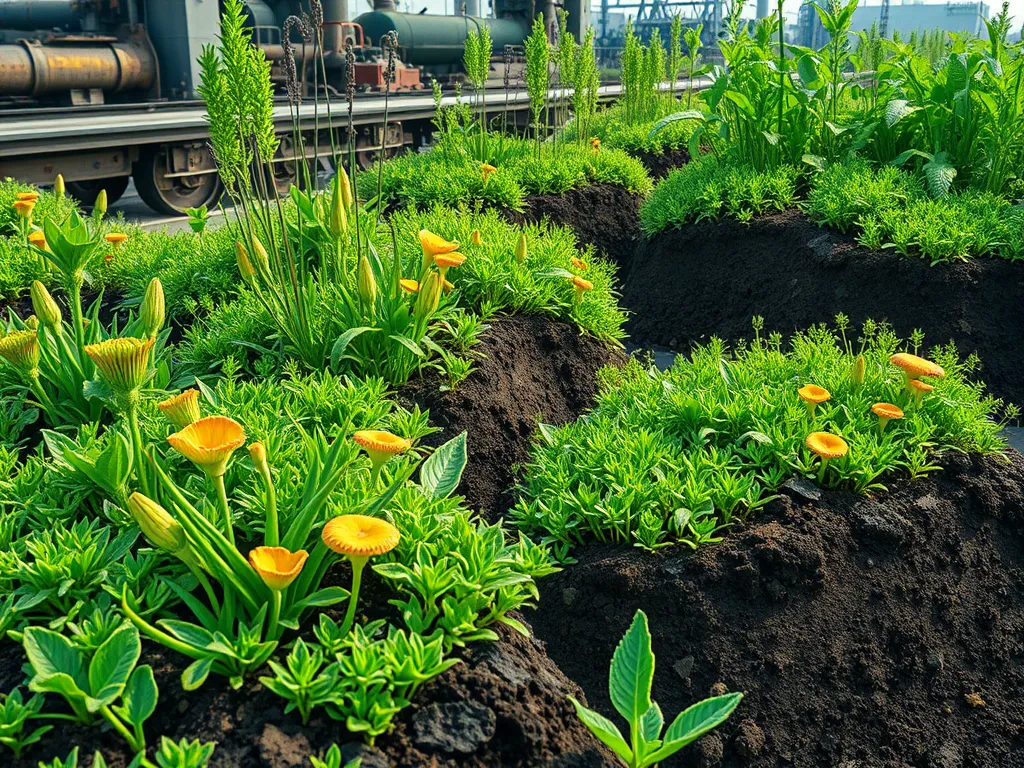
Sloped asphalt surfaces direct water through grassy swales before reaching storm drains. These vegetated strips reduce nitrogen levels by 45% and phosphorus by 60%, protecting aquatic life downstream.
Supporting Urban Ecosystems
Modern drainage designs integrate ecological functions into paved spaces. A 10,000 sq ft parking lot with smart drainage can support 15-20 urban trees through root-friendly water flow.
Groundwater Recharge Strategies
Permeable pavements allow 4-6 inches of water per hour to infiltrate soil—40x more than traditional asphalt. This replenishes local aquifers at rates matching natural landscapes.
Mitigating Urban Heat Island Effects
Drainage systems paired with vegetation lower surface temps by 15-20°F. Tree trenches along asphalt edges provide shade while processing 500+ gallons of stormwater daily through evapotranspiration.
These ecological safeguards work best when paired with consistent care. Next, we’ll outline actionable steps to keep drainage systems performing at peak capacity.
Asphalt Drainage Maintenance Checklist
A strong drainage maintenance plan stops asphalt breakdown. Follow this action list to guard against common issues linked to poor water control.
Seasonal Maintenance Tasks
Twice-yearly work keeps systems flowing. Tackle these jobs during spring thaw and fall leaf drop.
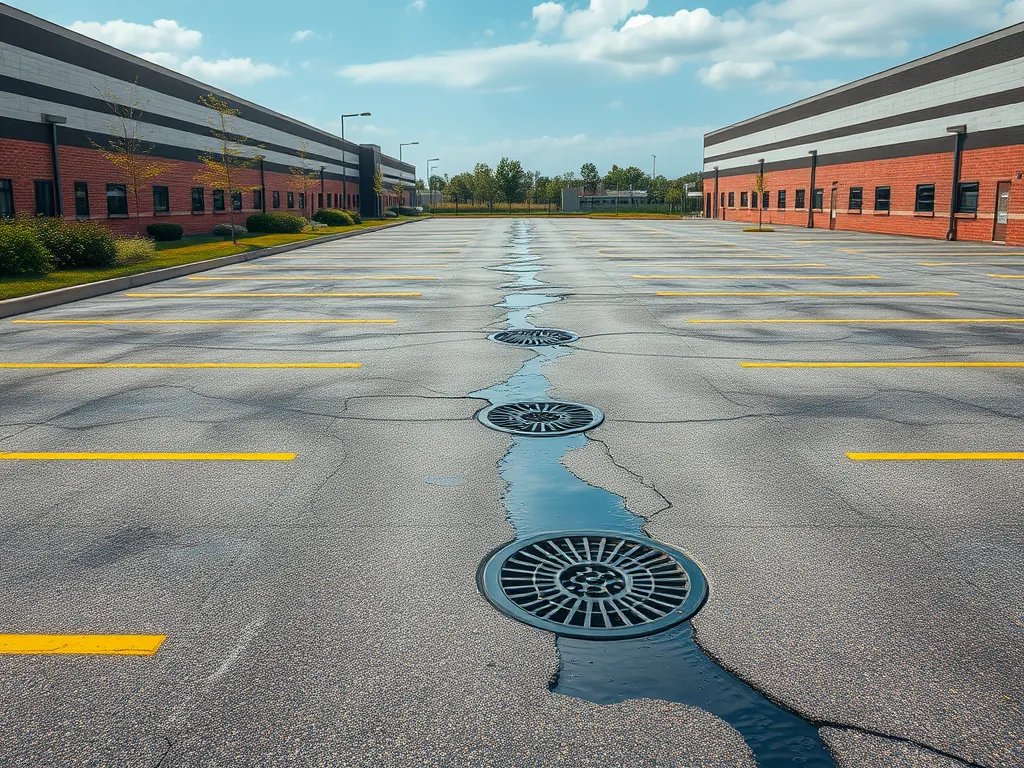
Cleaning Catch Basins and Grates
Clear solid buildup from all drain openings. Remove sand, sticks, and trash using vacuum trucks or hand tools. Clogged basins hold 30-50% less water, forcing runoff onto pavement. Aim for 6” minimum clearance below grate lips.
Inspecting Downspout Redirects
Confirm roof runoff flows 5-10’ away from asphalt through plastic or metal pipes. Fix splits in connectors and clear blockages with plumbing snakes. Redirect failure causes soil saturation near pavement, risking base layer washouts.
Long-term Preservation Steps
Multi-year projects boost drainage function. Budget for these upgrades during major asphalt work.
Resealing Expansion Joints
Apply fresh silicone or polyurethane sealant to joints every 3-5 years. Cracked joints let 200-400 gallons of water per day slip into sublayers. Hot-pour rubberized asphalt filler works for gaps up to 4” wide.
Regrading Surface Slopes
Fix low spots holding ponds with infrared patching or mill-and-fill. Maintain 1-2% slope toward drains – 1/4” drop per foot. Laser grading tools spot areas needing adjustment. Improper grading accounts for 60% of parking lot drainage complaints.
Solid drainage system upkeep avoids costly asphalt fixes. For answers to common water control questions, our next section breaks down key facts property owners ask about.
FAQs: Asphalt Drainage Systems
Why Does Asphalt Require Special Drainage Attention?
Asphalt surfaces are susceptible to water damage, which can lead to structural failures like cracks and potholes. Proper drainage systems are essential to guide water away and protect the pavement, ensuring longevity and safety.
How Often Should Parking Lot Drains Be Cleaned?
Parking lot drains should ideally be cleaned at least twice a year, with additional checks after heavy rainstorms. Regular maintenance helps prevent clogs that can lead to water pooling and subsequent asphalt damage.
Can Existing Asphalt Surfaces Be Retrofitted for Better Drainage?
Yes, existing asphalt can often be retrofitted with improved drainage solutions. This may include installing permeable pavement, adding catch basins, or regrading the surface to enhance water flow toward drains.
Closing Thoughts
Maintaining proper drainage is vital for preserving the integrity of asphalt surfaces. Without it, your investments can suffer severe damage, leading to costly repairs and reduced lifespan. Effective drainage systems help minimize water infiltration, extending the life of your asphalt by protecting it from cracks, potholes, and erosion.
Neglecting drainage maintenance can result in hazardous situations, such as pooling water and slippery surfaces. By implementing sustainable solutions like permeable asphalt and swales, you can ensure effective stormwater management while contributing to environmental protection. Regular upkeep, including seasonal checks and long-term preservation steps, can mitigate many of these risks.
Prioritize proper drainage to protect your asphalt investment and enhance roadway safety. For more insights and tools, visit Asphalt Calculator USA.
Useful References for You:
- The Asphalt Institute. (2007). MS-4: The Asphalt Handbook. Lexington, KY: Asphalt Institute.
- The importance of maintaining a good drainage system | Thermatic Tech FM
- Understanding the critical role of proper drainage
- Can you explain the importance of proper drainage systems in preventing water damage to a property? – Quora
- Maintenance of Drainage Features for Safety – Safety | Federal Highway Administration