Why Proper Drainage is Key to Long-lasting Asphalt
Published on: February 20, 2026 | Last Updated: April 14, 2025
Written By: George Voss
Proper drainage protects asphalt pavement by quickly removing water that causes cracks, potholes, and base failures. Without effective drainage, water pools on surfaces or seeps into layers, weakening the asphalt and subgrade (the soil beneath). Proactive drainage maintenance – like grading slopes, installing drains, and clearing debris – reduces repair costs by up to 40% over 10 years while doubling pavement lifespan.
This article explains how drainage impacts asphalt durability. Learn to spot early signs of water damage, maintain drainage systems, and design pavements that shed moisture. Topics include preventing potholes through slope adjustments, maintaining edge drains, using permeable asphalt mixes, and managing stormwater runoff sustainably.
Contents
- Why Drainage is Critical for Asphalt Pavement Longevity
- Impacts Of Poor Drainage on Asphalt Surfaces
- Essential Components Of Asphalt Drainage Systems
- Best Practices for Asphalt Drainage Maintenance
- Design Strategies for Effective Asphalt Drainage
- Environmental Considerations in Asphalt Drainage
- FAQ: Asphalt Drainage Maintenance
- Closing Thoughts
- Additional Resources for You:
Why Drainage is Critical for Asphalt Pavement Longevity
Water acts as asphalt’s silent enemy. Without proper drainage systems, even minor pooling accelerates pavement breakdown. Effective drainage asphalt maintenance preserves structural integrity by directing water away from vulnerable layers.


Preventing Water Damage to Asphalt Layers and Subgrade
Asphalt pavement consists of three layers: surface course, base layer, and subgrade. Water infiltration weakens the bond between aggregates and bitumen in the surface course. Over time, this leads to raveling – loose stones breaking free. Saturated subgrades lose 40-60% of their load-bearing capacity, causing depressions. Freeze-thaw cycles expand trapped moisture, creating internal pressure cracks. Proper drainage in asphalt maintenance uses slopes (1-2% minimum) and subsurface pipes to divert water before penetration occurs.

Minimizing Repair Costs Through Proactive Drainage Maintenance
Clearing clogged catch basins costs $75-$150 per unit. Replacing eroded subgrades averages $8-$12 per square foot. Compare this to $0.25-$0.50 per linear foot for routine drain cleaning. Scheduling biannual inspections of edge drains and French drains prevents 80% of water-related asphalt failures. Installing permeable asphalt pavements can reduce stormwater management costs by 50% over 20 years through built-in filtration systems.
Neglecting drainage systems for asphalt leads directly to the next challenge: visible surface damage. Let’s examine how poor water management creates costly pavement defects.
Impacts Of Poor Drainage on Asphalt Surfaces
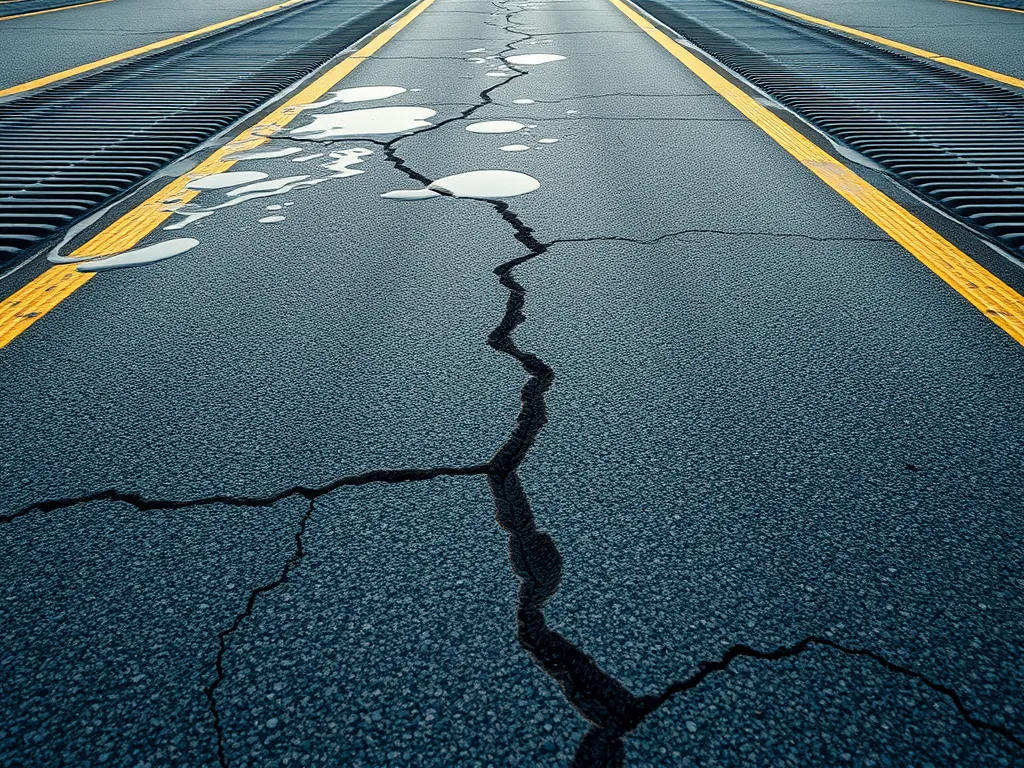
Faulty drainage systems in asphalt pavement trigger chain reactions that accelerate wear. Water infiltration creates structural weaknesses visible through three primary failure modes.
Pothole Formation From Trapped Moisture in Asphalt
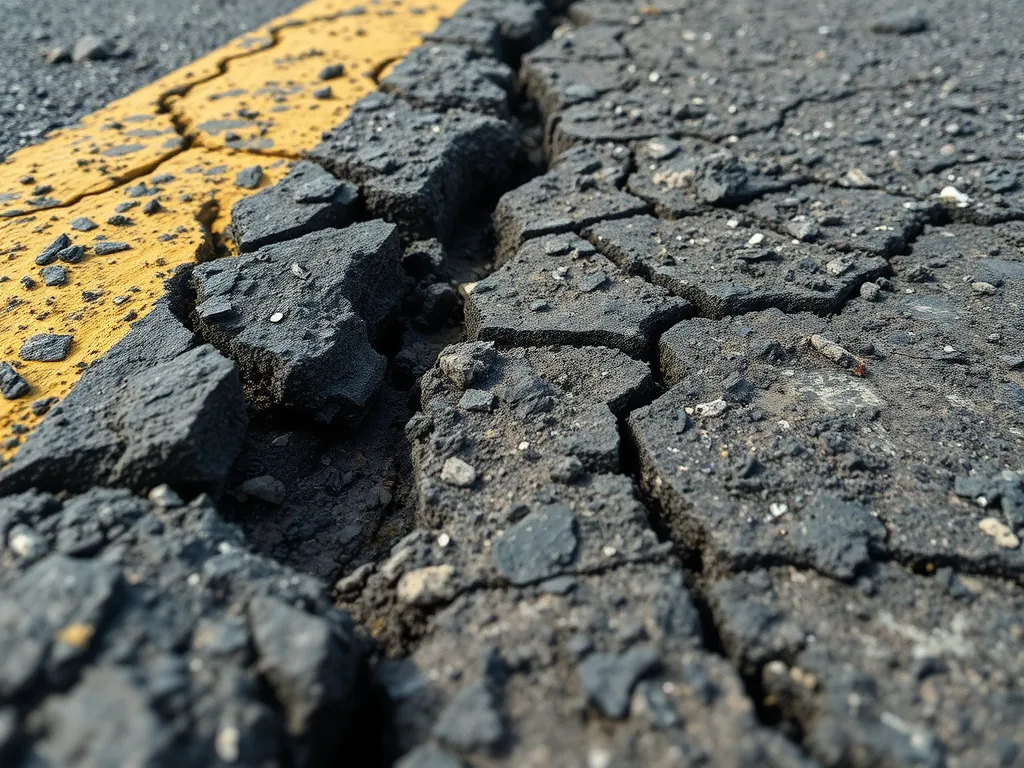
Water penetrates surface cracks and settles in asphalt’s base layers. During freeze-thaw cycles, trapped moisture expands by 9%, fracturing the binder-aggregate matrix. This process:
- Separates aggregates from bitumen binder
- Creates voids under the surface layer
- Causes pavement collapse under vehicle loads (1,200+ PSI per tire)
Unaddressed, these voids evolve into potholes requiring $3-$5 per square foot for repairs. High-traffic roads can develop 15-20 potholes per mile within two winters of poor drainage.
Cracking and Raveling Due to Subgrade Erosion
Persistent water flow erodes the subgrade—the soil layer supporting asphalt. A saturated subgrade loses 40-60% of its load-bearing strength, causing:
- Alligator cracks from uneven settling
- Edge cracks as pavement sections sag
- Raveling (surface aggregate disintegration)
Each 1% increase in subgrade moisture reduces asphalt lifespan by 10%. Heavy trucks amplify damage, with 80,000-pound vehicles exerting 20x more stress than passenger cars.
Reduced Load-bearing Capacity Of Waterlogged Asphalt
Saturated asphalt loses 30-50% of its stiffness. Hydrostatic pressure lifts pavement layers, creating voids that collapse under loads. Critical issues include:
- Rutting depths exceeding 1.5” in high-traffic zones
- Base course contamination from upward-moving silt
- Premature fatigue failure (3-7 years early)
Proper drainage maintains pavement’s critical air void content (3-5%) for optimal compaction and load distribution.
These failure patterns underscore why drainage systems for asphalt pavement aren’t optional—they’re preservation tools. Up next: key components that keep water moving away from your asphalt investment.
Essential Components Of Asphalt Drainage Systems
Strong drainage systems keep asphalt safe from water harm. They move water away from roads and lots. Three key parts work to stop damage: surface slopes, hidden pipes, and water traps.
Surface Drainage: Slopes and Grading for Asphalt Pavements
Pavements need a 2% slope at least. This tilt guides water to edges. Builders shape the ground with tools like motor graders. Cross-slopes help too—they push rain to gutters or ditches. Without slopes, pools form. These pools crack asphalt fast in freeze-thaw cycles.
Subsurface Drains: Protecting Asphalt Foundations
Perforated pipes sit below asphalt layers. Made of PVC or corrugated metal, they pull water from the base. Gravel wraps these pipes for better flow. Subdrains stop soft spots by drying soil under pavement. They cut hydrostatic pressure by 40-60%, saving the road base.
Catch Basins and French Drains in Asphalt Installations
Catch basins collect runoff at low spots. Grates filter leaves and trash. Pipes then send water to storm sewers. French drains use gravel trenches with slotted pipes. Placed near edges, they grab seepage before it soaks the subgrade. Both systems cost $15-$30 per foot but prevent $10k+ in repairs.
Solid drainage needs all three parts. Next, learn how to keep these systems working year-round.
Also See: Can You Heat Cold Patch Asphalt? Get Better Results
Best Practices for Asphalt Drainage Maintenance
Proper care keeps drainage systems working well. Focus on edge drains, gutters, and clear channels. These steps stop water harm and boost pavement life.
Routine Check Of Asphalt Edge Drains and Gutters
Check edge drains (pipes near pavement edges) every 3-6 months. Look for blockages, cracks, or soil buildup. Fix tilted gutters fast—they push water the wrong way. Use a laser level to check slope grades stay at 2% or more.
Clearing Waste From Asphalt Drainage Paths
Remove leaves, dirt, and trash from drains each season. Clogged paths cause floods that weaken asphalt bases. Use pressure jets or vacuum trucks for deep cleans. Add gravel filters to catch silt before it plugs pipes.
Quick Fix Of Asphalt Cracks to Block Water
Seal cracks within 48 hours after spotting them. Water seeps through gaps, softens subgrade soil, and leads to potholes. Use rubberized crack fillers or cold mix for holes under 1/4 inch. For bigger splits, cut out bad spots and patch with hot asphalt.
Solid drainage care saves up to 40% on repair bills over 10 years. Now let’s explore how smart design choices boost water flow in asphalt systems.
Design Strategies for Effective Asphalt Drainage
Proper drainage design prevents water from compromising asphalt surfaces. Strategic planning during installation reduces long-term maintenance needs while protecting pavement integrity.
Optimizing Pavement Cross-slopes During Asphalt Installation
Pavement cross-slopes direct water toward drainage systems. A 1.5%-3% slope—1/4″ to 1/2″ per linear foot—ensures efficient runoff without compromising vehicle stability. Steeper slopes risk hydroplaning; flatter grades let water pool. Laser-guided grading equipment achieves precise slopes meeting ASTM E2835 standards. Contractors verify slopes using digital inclinometers before final compaction.
Integrating Permeable Asphalt for Enhanced Drainage
Permeable asphalt mixes contain 16%-20% void space, allowing 0.5-5 gallons per minute per square foot of water infiltration. This porous material reduces stormwater runoff by 50%-75% compared to traditional pavements. While initial costs run 15%-30% higher, permeable layers cut long-term drainage maintenance expenses. Freeze-thaw resistance comes from PG 58-28 or PG 64-22 polymer-modified binders in cold climates.
| Type | Void Space | Flow Rate | Cost/SF |
|---|---|---|---|
| Traditional Asphalt | 3%-5% | 0 gal/min | $2.50-$4.00 |
| Permeable Asphalt | 16%-20% | 0.5-5 gal/min | $3.50-$5.20 |
Coordinating Landscaping With Asphalt Drainage Needs
Landscaping elements must complement drainage systems. Tree roots planted within 15 feet of asphalt edges can disrupt subsurface drains. Use French drains lined with geotextile fabric near planting beds to redirect water. Swales with 6%-10% slopes channel runoff away from pavement edges. Gravel trenches beneath downspouts prevent erosion at asphalt joints. Always position irrigation sprinklers to avoid saturating subgrade soils.
These design choices directly influence how drainage systems manage water flow across asphalt surfaces. Next, we’ll examine how environmental factors shape drainage requirements.
Environmental Considerations in Asphalt Drainage
Good drainage does more than guard asphalt. It shields soil, streams, and groundwater. Smart water flow plans cut harm to nature while keeping roads strong.
Managing Stormwater Runoff Through Asphalt Drain Systems
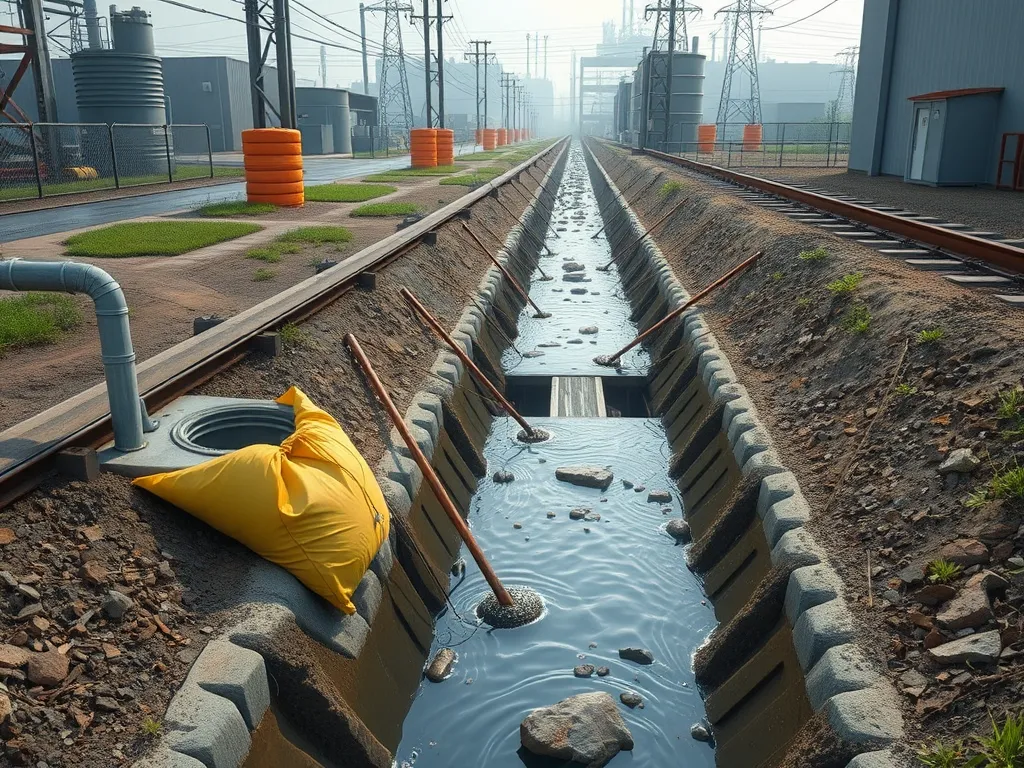
Permeable asphalt slashes runoff by 50-80% vs solid pavements. This porous mix lets rain seep through tiny gaps into stone beds below. Added drains like bioswales (grassy ditches) or retention ponds handle heavy storms. These tools curb peak flow rates, stop stream erosion, and recharge groundwater.
Preventing Contaminant Spread Via Proper Drainage Design
Asphalt traps oil, metals, and road salts. Drain systems with filters block these toxins. Catch basins with silt sacks or french drains packed with sand catch 80% of pollutants. Proper slopes steer dirty water to treatment zones, not ditches or wells.
These green drainage methods not only protect roads but also pave the way for cost-effective care. Up next: common questions on keeping asphalt drain systems in top shape.
FAQ: Asphalt Drainage Maintenance
What Are the Signs Of Inadequate Drainage in Asphalt Surfaces?
Signs of inadequate drainage include visible pooling of water on the surface, increased occurrence of potholes, cracking, and areas of subsidence. Regular inspections can help identify these issues early, preventing more extensive damage.
How Often Should I Inspect My Asphalt Drainage Systems?
It is recommended to inspect your asphalt drainage systems every 3 to 6 months and after significant rainfall. Regular inspections help ensure that drains are clear and functioning optimally, preventing water accumulation and potential damage.
Can I Perform Drainage Maintenance Myself, or Should I Hire a Professional?
While some basic maintenance tasks like clearing debris from drains can be performed by property owners, it is advisable to hire professionals for more complex assessments and repairs. Professionals have the tools and expertise to identify and address underlying drainage issues effectively.
How Do Environmental Conditions Affect Asphalt Drainage Maintenance?
Environmental conditions such as heavy rainfall, freeze-thaw cycles, and soil type can significantly impact the performance and maintenance needs of drainage systems. Adapting maintenance practices to local climate and soil conditions is crucial for maximizing effectiveness.
What Materials Are Best for Enhancing Asphalt Drainage Systems?
Materials such as perforated pipes for subsurface drainage, gravel for downspouts and French drains, and permeable asphalt can significantly enhance drainage systems. Each material plays a unique role in efficiently managing water flow and reducing the risk of pavement damage.
How Does Stormwater Management Tie Into Asphalt Drainage Systems?
Stormwater management is integral to asphalt drainage systems as it addresses how water is collected, redirected, and treated. Effective designs help manage runoff during heavy rain, prevent erosion, and minimize pollution, preserving both the asphalt and the surrounding environment.
Closing Thoughts
Effective drainage is vital for the long-term health of asphalt pavements. By maintaining proper drainage, you prevent water-related damage that can lead to costly repairs. Regular inspections and the right design strategies play a pivotal role in managing water effectively.
Ignoring drainage needs can result in serious issues like potholes, cracking, and reduced load-bearing capacity. These problems not only compromise the quality of the pavement but can also escalate maintenance costs significantly.
For more information on asphalt maintenance and drainage solutions, check out Asphalt Calculator USA.
Additional Resources for You:
- Lavin, P. (2003). Asphalt Pavements: A Practical Guide to Design, Production, and Maintenance for Engineers and Architects. London: Taylor & Francis.
- » Pavement Drainage
- Why Is Drainage Important for Asphalt Pavements? | Bituminous Roadways Blog
- The Importance of Proper Drainage for Your Asphalt
- Why Proper Drainage Matters in Asphalt Paving – Bennett Paving