The Importance Of Aggregate Shape and Texture in Asphalt Performance
Published on: February 19, 2026 | Last Updated: April 14, 2025
Written By: George Voss
Aggregate shape and texture determine how well asphalt pavements withstand traffic, weather, and time. Shape refers to the physical form of crushed stone, gravel, or sand particles—angular, rounded, or flaky. Texture describes surface roughness, from smooth to jagged. Angular aggregates lock together tightly, boosting stability. Rough textures grip asphalt binder better than smooth surfaces, reducing cracks. These traits directly impact rutting resistance, load distribution, and skid safety in pavements.
This article explains how angularity and surface roughness affect asphalt durability, workability, and safety. We’ll break down types of shapes and textures, their role in Hot Mix Asphalt Concrete (HMAC) design, and how they differ from concrete (PCC) needs. You’ll learn why choosing the right aggregates can lower maintenance costs by 15-30% and extend pavement life beyond 20 years.
Contents
- Understanding Aggregate Shape and Texture Basics
- Impact Of Aggregate Shape and Texture on Asphalt Performance
- Role in HMAC Mix Design and Construction
- Comparing Aggregate Effects in HMAC Vs. PCC
- Environmental and Economic Considerations
- FAQs: Aggregate Shape and Texture in Asphalt
- Closing Thoughts
- Additional Resources for You:
Understanding Aggregate Shape and Texture Basics
Aggregate shape and texture form the backbone of asphalt performance. These physical traits dictate load distribution, binder adhesion, and long-term pavement resilience. Contractors and engineers prioritize these properties to meet project specifications and ensure structural integrity.


What is Aggregate Shape?
Aggregate shape refers to the geometric form of crushed stone, gravel, or sand particles. It directly influences interlocking ability and mix stability. Particles are categorized by their length-to-width ratios and surface contours.
Angular vs. Rounded vs. Flaky Shapes
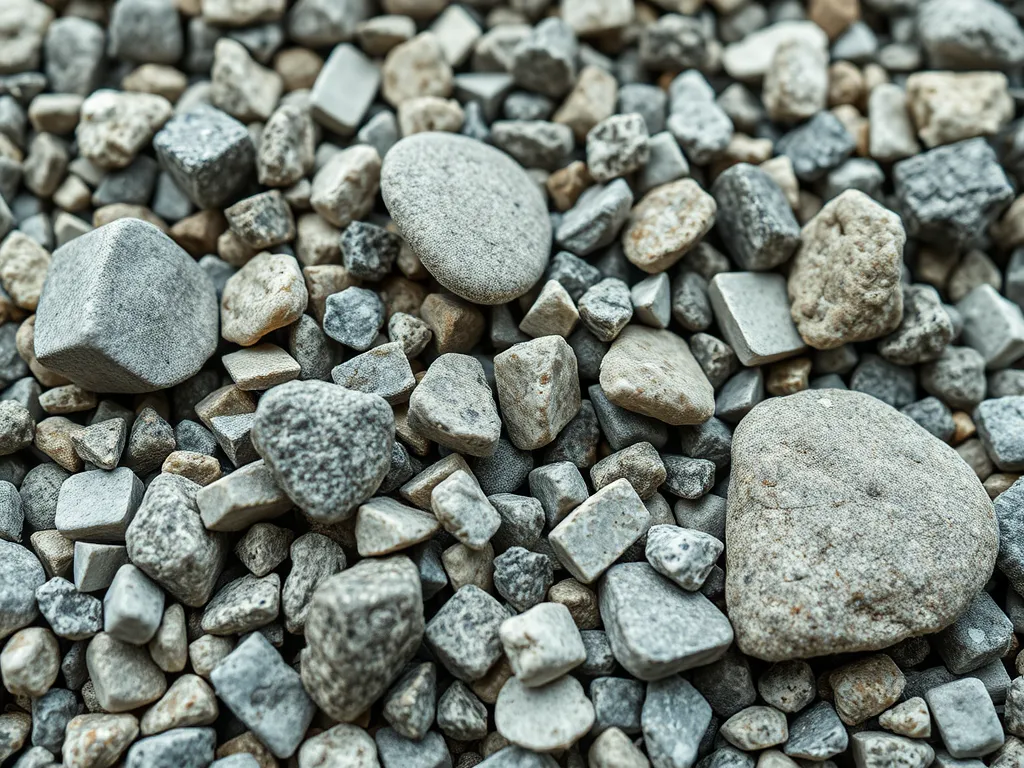
Angular aggregates feature sharp edges and fractured faces, creating mechanical interlock in asphalt mixes. Rounded aggregates—common in river gravel—roll under pressure, reducing stability. Flaky particles have a thickness less than 60% of their width, increasing vulnerability to cracking. For high-stress pavements, angularity above 75% is typically specified.
Cubical and Elongated Particle Characteristics
Cubical aggregates (length-to-width ratio ≤ 3:1) balance workability and strength. Elongated particles (ratio > 3:1) reduce compaction efficiency and increase air voids. Ideal asphalt mixes limit elongated aggregates to under 10% to prevent premature rutting.
What is Aggregate Texture?
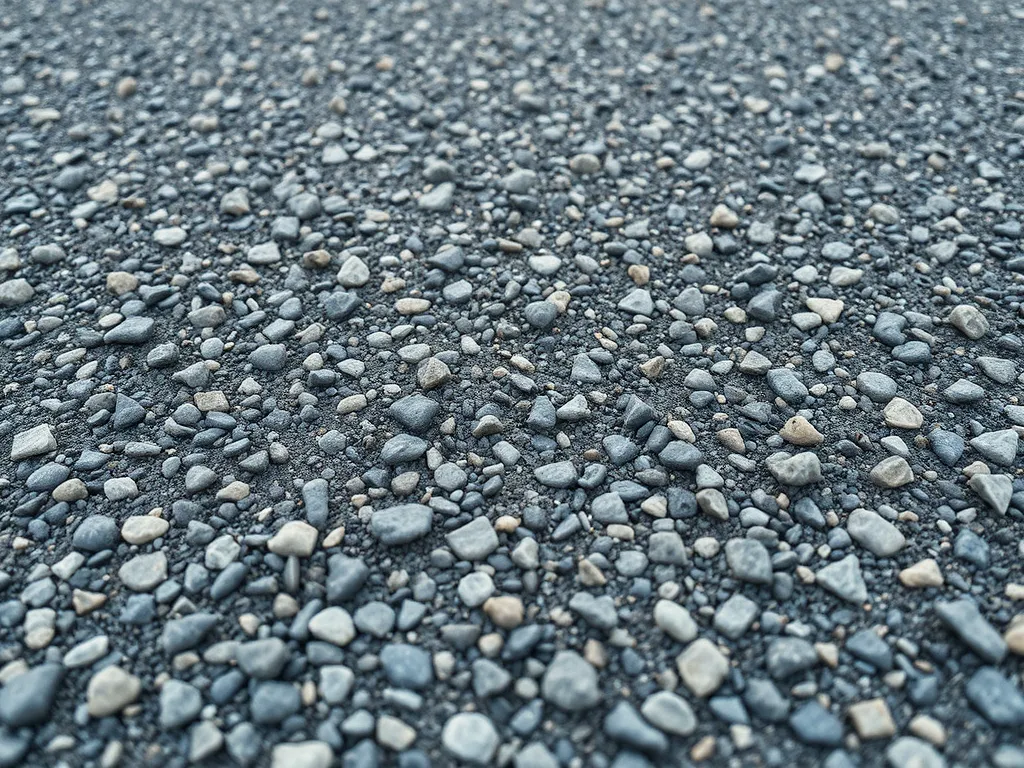
Aggregate texture describes surface roughness at macro and micro scales. It affects skid resistance, binder bonding, and water drainage. Rough textures create more contact points with bitumen, improving adhesion by up to 40% compared to smooth surfaces.
Smooth vs. Rough Surface Properties
Smooth-textured aggregates like polished limestone reduce mix friction, leading to potential slippage during placement. Rough-textured materials like crushed granite enhance grip between particles, boosting rut resistance. Pavements in wet climates often require aggregates with a minimum texture depth of 0.5mm for safety.
Microscopic Texture Variations
Even seemingly smooth aggregates have microscopic ridges and pores. Laser profilometry measurements show these micro-features (0.001-0.1mm depth) increase surface area by 15-30%, strengthening binder bonds. Materials like quartzite excel here, maintaining friction as pavements age.
These foundational properties set the stage for examining how shape and texture drive real-world pavement behavior. Next, we analyze their direct impact on asphalt strength, safety, and lifespan.
Impact Of Aggregate Shape and Texture on Asphalt Performance
Aggregate shape and texture drive how asphalt behaves under stress, during paving, and over time. These traits affect strength, work, and safety in ways that define pavement life.
Strength and Durability Of Asphalt Mixes
Angular, rough aggregates form mixes that last. Their sharp edges and rough faces bond better, resist wear, and hold shape under heavy loads.
Interlock Mechanisms in Angular Aggregates
Angular stones lock like puzzle pieces. This tight fit stops shifting. Tests show angular mixes boost strength by 15-20% vs. rounded ones.
Resistance to Deformation and Rutting
Rough textures grip binder, cutting rut depth by up to 30%. Trucks pressing on soft asphalt? Angular stones push back, keeping roads flat.
Workability and Compactability
Shape and texture change how asphalt moves and packs. Smooth, round stones flow fast but leave gaps. Rough, angular ones need more force to settle right.
Effects on Asphalt Mix Flow During Placement
Round aggregates slide past each other. This speeds paving but risks poor density. Angular types slow trucks and rollers but form tight bonds.
Optimizing Void Spaces for Density
Air voids matter. Too many (over 5%) let water in. Angular stones cut voids to 3-4%, making dense, waterproof layers.
Skid Resistance and Surface Safety
Your tires grip the top stones. Rough textures grab rubber, while flat shapes let water escape. Both cut crash risks in rain.
Role of Texture in Tire-Pavement Friction
Coarse textures add grip. A 1.5 mm surface roughness boosts friction by 40%, per Texas DOT studies. Smooth stones? They skid more, fast.
Long-Term Surface Wear Characteristics
Hard, angular stones wear slow. After 5 years, pavements with high-polish stones lose 50% grip. Rough types keep 80% grip, cutting resurfacing costs.
Shape and texture choices ripple through mix design, cost, and road life. Next, we explore how these traits shape HMAC plans and build steps.
Role in HMAC Mix Design and Construction
Aggregate shape and texture steer hot mix asphalt concrete (HMAC) performance from the lab to the road. These traits guide both mix formulas and build methods.
Design Considerations for Hot Mix Asphalt Concrete (HMAC)
Engineers weigh shape and texture when crafting HMAC blends. The right balance boosts strength while cutting build risks.
Balancing Angularity for Stability
Angular chunks lock like puzzle pieces, creating rigid frames that bear heavy loads. But too many sharp edges demand extra binder – aim for 60-70% angular bits in base layers. Rounded stones slip under stress, causing ruts.
Texture’s Influence on Binder Adhesion
Rough surfaces grip binder films up to 40% tighter than smooth faces. This bond stops water from peeling layers apart. Tests show textured aggregates cut stripping by half in wet zones.
Construction Challenges and Solutions
Field crews face real-world hurdles tied to stone forms. Smart fixes keep projects on track.
Segregation Risks with Irregular Shapes
Mixed stone sizes with jagged edges tend to split during truck dumps. Fixes include: – Layered stockpiles – Slower paver speeds (under 10 ft/min) – Adding 5% sand to fill gaps
Compaction Efficiency Based on Particle Form
Rounded stones settle fast under rollers but shift over time. Angular mixes need 2-3 extra roller passes but hold shape. Target 92% density for traffic lanes – miss by 1%, and pavement life drops 10%.
While shape and texture rule HMAC success, their role shifts in other materials like concrete. Up next: how stone traits play in asphalt vs. cement builds.
Also See: Asphalt Surface Texture and Road Safety: Key Insights
Comparing Aggregate Effects in HMAC Vs. PCC
Aggregate shape and texture importance varies dramatically between Hot Mix Asphalt Concrete (HMAC) and Portland Cement Concrete (PCC). Each material demands distinct physical traits from aggregates to meet structural needs and performance goals.
Key Differences in Asphalt Vs. Concrete Applications
HMAC relies on bitumen binder to glue aggregates, while PCC uses cement paste. This fundamental contrast drives unique requirements for surface texture and particle geometry. Angularity and roughness play different roles across these two pavement types.
Texture Requirements for Binder vs. Cement Bonding
Rough-textured aggregates boost asphalt performance by enhancing bitumen adhesion. PG (Performance-Graded) binders bond better to pitted surfaces, reducing stripping risks. Concrete prioritizes smoother textures for cement paste to flow around particles, creating uniform hydration. Superpave mixes specify minimum texture depths of 0.5-1.0 mm for asphalt aggregates versus PCC’s typical 0.2-0.5 mm range.
Shape Priorities for Flexible vs. Rigid Pavements
HMAC needs 90-95% cubical or angular shapes to create stone-on-stone contact in flexible pavements. This interlock resists shear forces from traffic loads. PCC tolerates up to 15% elongated particles since rigid slabs distribute stress through mass. Flaky aggregates above 10% content can slash asphalt stability by 30% but only reduce concrete strength by 8-12%.
- Asphalt: Angularity Index ≥ 80% per ASTM D5821
- Concrete: Maximum elongation ratio 3:1 per ASTM D4791
Next, we’ll explore how these material contrasts influence environmental impacts and project budgets.
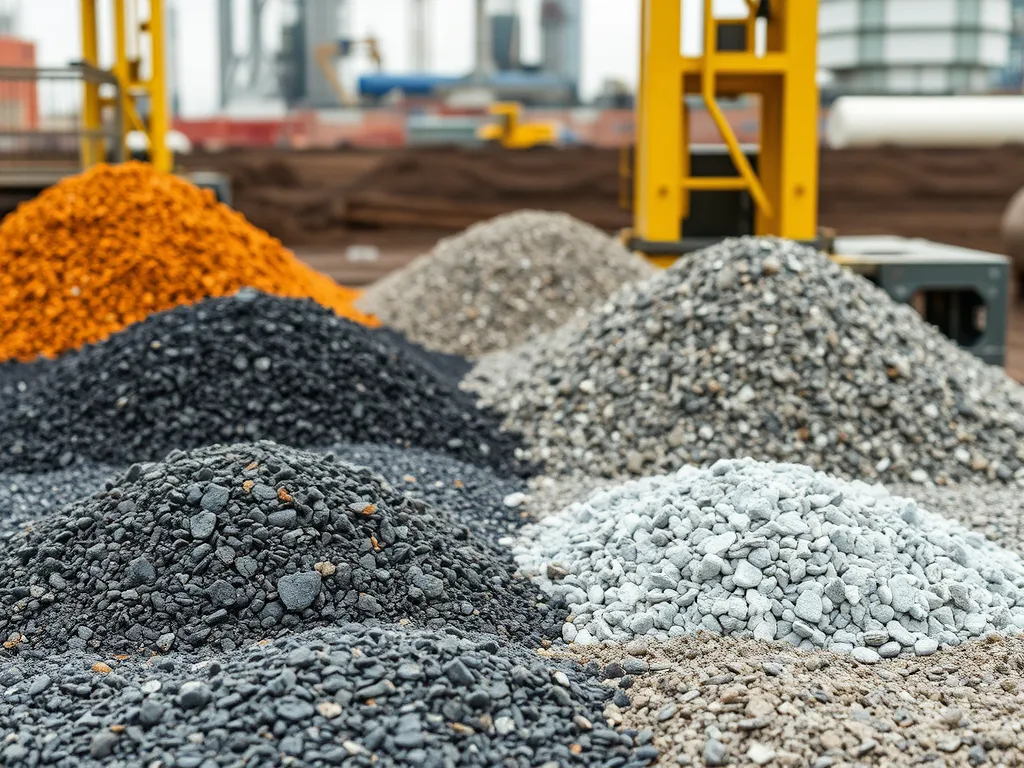
Environmental and Economic Considerations
Shape and texture choices impact both planet health and project budgets. Smart picks cut waste, boost recycling, and balance costs over time.
Sustainability in Aggregate Selection
Rough, angular aggregates work well with recycled binders. They lock into place, letting crews reuse up to 30% reclaimed asphalt pavement (RAP) without losing strength.
Recycled Materials and Texture Compatibility
Crushed concrete or glass must match the surface grip of natural stone. Smooth recycled grains reduce skid resistance by 15-20% if not blended with textured aggregates.
Reducing Waste Through Optimal Grading
Proper size sorting fills voids tightly. A 0.45 power curve gradation cuts leftover mix by 12%, lowering landfill needs.
Cost Implications Of Shape/texture Optimization
Angular stone costs $2-3 more per ton than rounded gravel. But it lasts 40% longer, slashing repair bills post-install.
| Factor | Initial Cost | 20-Year Cost |
|---|---|---|
| Rounded Aggregates | $85/ton | $142/ton |
| Angular Aggregates | $88/ton | $98/ton |
Long-Term Maintenance Savings
Rough textures resist rutting for 8-10 years vs. 5-7 years for smooth types. Fewer pothole fixes mean 30% lower upkeep costs.
Initial vs. Lifecycle Investment Balance
Spending 5% extra upfront on cubical aggregates prevents $12,000 in resurfacing per mile over a decade.
These factors set the stage for comparing asphalt and concrete pavement needs. Next, we explore how shape and texture demands shift between HMAC and PCC mixes.
FAQs: Aggregate Shape and Texture in Asphalt
Why Are Shape and Texture Critical for Asphalt Longevity?
Shape and texture are crucial for asphalt longevity because they directly influence the mechanical interlock of particles and the bond with the binder. Angular and rough-textured aggregates enhance stability and resistance to wear, preventing premature damage and extending service life under traffic loads.
How Does Angularity Prevent Pavement Rutting?
Angular aggregates create strong interlocking mechanisms that help resist deformation under the weight of vehicles. This shape prevents the lateral movement of particles, minimizing the risk of ruts forming in the pavement surface, especially in high-traffic areas.
Can Smooth-textured Aggregates Provide Adequate Skid Resistance?
While smooth-textured aggregates can be used in certain applications, they often provide less effective skid resistance compared to rough-textured aggregates. The lack of surface roughness reduces the friction between tires and the pavement, increasing the risk of slipping, particularly in wet conditions.
Closing Thoughts
The shape and texture of aggregates play a pivotal role in the performance of asphalt. Angular aggregates enhance interlock, providing strength and durability. Conversely, the right texture ensures optimal skid resistance and surface safety, crucial for driver safety.
Moreover, these characteristics directly impact workability and compactability during installation. Correct aggregate choices lead to efficient asphalt mixes that are both cost-effective and sustainable.
As the industry evolves, understanding the intricacies of aggregate properties remains vital for achieving high-quality asphalt. For more insights on this topic and others related to asphalt performance, visit Asphalt Calculator USA.
Additional Resources for You:
- American Association of State Highway and Transportation Officials (AASHTO). (2008). Mechanistic-Empirical Pavement Design Guide (MEPDG). Washington, DC: AASHTO.
- Texture Of Aggregate | Why Is Knowing Smooth Or Rough Surfaces Important? – Civil Giant
- How Aggregate Shape and Size Affect Their Quality
- Aggregate Texture and Shape, What You Should Know – Gilson Co.
- Section 2: Particle Size, Shape and Texture