The Impact Of Weather on Asphalt Durability
Published on: February 18, 2026 | Last Updated: April 14, 2025
Written By: George Voss
Weather directly determines how long asphalt pavement lasts by attacking it with temperature swings, moisture damage, and UV radiation. Hot summers soften asphalt above 140°F, causing ruts under heavy traffic. Winter freezes below 20°F make it brittle, leading to cracks during freeze-thaw cycles. UV rays break down surface binders through oxidation, while rainwater seeps into cracks and erodes the base layer. Properly installed asphalt typically lasts 20 years, but harsh weather can slash this to 12-15 years without maintenance like crack sealing or sealcoating.
This article breaks down how specific weather elements damage asphalt and how to fight back. Learn how temperature extremes affect pavement from installation to failure points. Explore why Superpave mix designs (advanced asphalt formulas) and PG binders (performance-graded asphalt) matter in different climates. Get actionable strategies: slope designs that shed water faster, compaction methods adjusted for weather, and sealants that block UV damage. The article also examines how combining traffic stress with weather accelerates wear-and solutions that add 5-7 years to pavement life.
Contents
How Weather Conditions Affect Asphalt Road Durability
Weather hits asphalt roads hard. Heat, cold, rain, and sun all wear down pavements over time. Let’s break down how each factor works.


Temperature Extremes and Asphalt Performance
Heat waves and cold snaps test asphalt’s limits. The right mix can handle these swings, but poor mixes fail fast.
High Heat Effects on Asphalt Softening
Asphalt softens when heat tops 140°F. Heavy trucks leave ruts in gooey pavements. PG binders (asphalt made for specific heat ranges) help roads hold shape in hot zones.

Low Cold Effects on Asphalt Brittleness
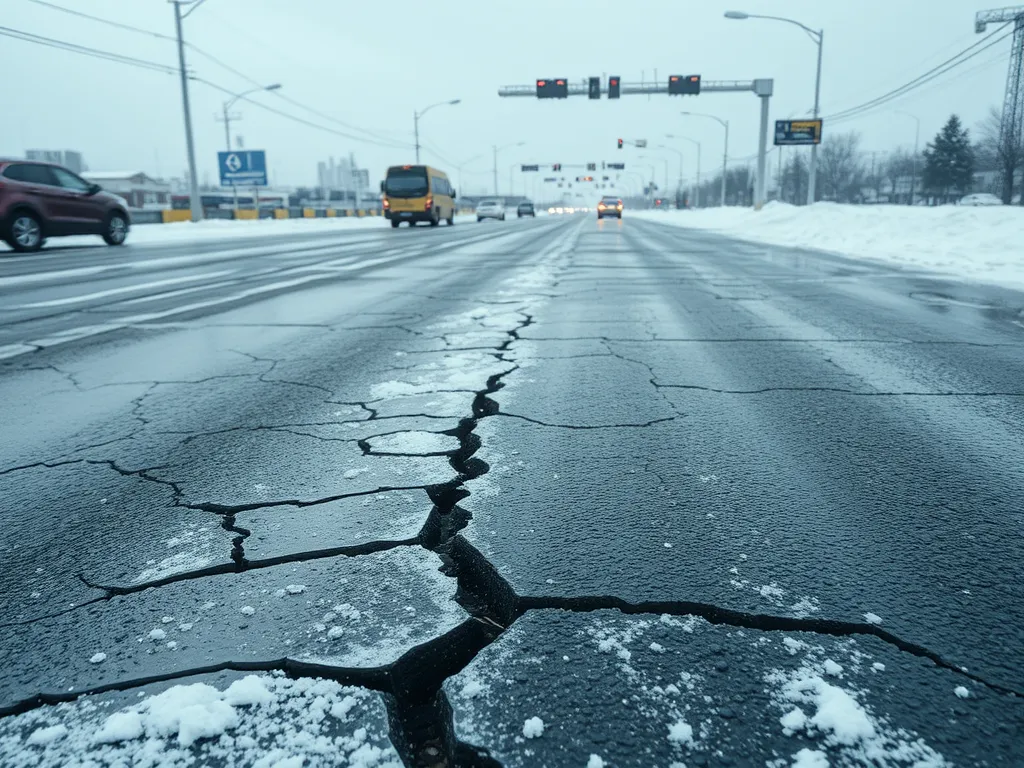
Below 32°F, asphalt gets stiff. Frozen pavements crack under car weight. Winter cracks often start at joints where cold air seeps in.
Mild Weather Ranges and Steady Base
Between 50-85°F, asphalt stays firm. This range lets pavements bear loads without bending or breaking. Spring and fall are best for road work.
Rain and Wet Damage
Water is asphalt’s hidden foe. It works through tiny gaps to wreck roads from below.
Rain Seep and Base Wash
Rain seeps into unsealed cracks. Over time, it washes away the gravel base. This leaves voids that collapse under weight, creating potholes.
Snow Pack and Freeze Swell
Snow melt soaks into asphalt, then refreezes. Ice takes up 9% more space than water, pushing pavement apart. Repeat cycles cause alligator cracks.
Sun Rays and Heat Stress
Daily sun beats down on roads year-round. Two main threats emerge from this constant exposure.
UV Rays and Top Layer Wear
Sun rays break down asphalt’s top layer. In 2-5 years, unsealed surfaces fade from black to gray, losing flexibility. Brittle asphalt chips under tires.
Heat Swell and Shrink Cracks
Day-night heat swings make pavements expand and contract. This stress builds until cracks form. Bridges and overpasses show these cracks first.
Air Moisture and Pavement Risks
Humid or dry air both harm roads in different ways. Binder quality dictates how well asphalt copes.
Damp Air and Binder Breakdown
High humidity (over 70%) makes binders tacky. Water sticks to sticky surfaces, speeding wear. Coastal roads face this issue often.
Dry Air and Pavement Shrink
Low humidity (under 30%) dries out asphalt. Shrinking pavements form web-like cracks. Desert roads need special mixes to stay intact.
While weather plays a key role, road life also depends on build quality and upkeep. Next, we’ll explore how material choices and traffic loads team up with climate to test asphalt limits.
Primary Factors Weakening Asphalt Durability
Weather effects on asphalt durability amplify when combined with these three core vulnerabilities. Each factor interacts with environmental conditions to accelerate pavement breakdown.
Material Composition and Quality Deficiencies
Asphalt mixes using subpar aggregates or inadequate PG-graded binders fail faster under weather stress. The Federal Highway Administration specifies aggregates must constitute 90-95% of mix volume, with 5-10% asphalt binder (PG 64-22 for moderate climates). Low-quality materials oxidize quicker when exposed to UV radiation and temperature swings. Recycled asphalt pavement (RAP) exceeding 25% in mixes without rejuvenators increases cracking risks by 18% in freeze-thaw zones.
Subgrade Conditions and Drainage Limitations
Poorly compacted subgrades with less than 95% Proctor density allow water infiltration during storms. This weakens foundational support – a 1-inch water pocket under asphalt reduces load-bearing capacity by 33%. Drainage systems needing 2% minimum slope prevent moisture buildup. AASHTO soil classification A-6/A-7 subgrades expand up to 10% when wet, creating cracks that let frost penetrate 6-12 inches deeper annually.
Combined Stress From Traffic and Weather
Heavy truck traffic (10,000 lb axle loads) on 90°F asphalt causes 0.15-inch rutting per 1,000 vehicles. Cold snaps below 40°F make pavements 3x more susceptible to cracking under loading. Thermal fatigue from daily 30°F+ temperature swings generates 1/8-inch cracks yearly. States like Minnesota report 42% faster asphalt aging where winter salt use overlaps high commercial traffic.
These intersecting factors create predictable failure patterns – but targeted strategies can counteract them. Let’s examine engineering solutions that strengthen asphalt against environmental and operational challenges.
Best Practices for Weather-resistant Asphalt
Smart methods help fight the impact of weather on asphalt durability. These steps keep roads strong against heat, cold, rain, and sun.
Climate-adapted Installation Techniques
How you build roads matters as much as what you build them with. Tailor methods to local weather patterns for best results.
Temperature-Specific Compaction Methods
Roll asphalt at 275-300°F in hot zones to lock in density. In cold areas, compact above 50°F to prevent voids. Proper compaction cuts rutting by 40% and stops water seepage.
Slope Design for Effective Water Runoff
Build roads with 1-2% slope (1/4″ drop per foot). This sheds water fast, reducing freeze-thaw harm. Pair with open-graded mixes that drain 500 gallons per hour per lane.
Proactive Maintenance Approaches
Fix small flaws before weather makes them big problems. Time repairs with seasonal shifts.
Crack Sealing Before Seasonal Changes
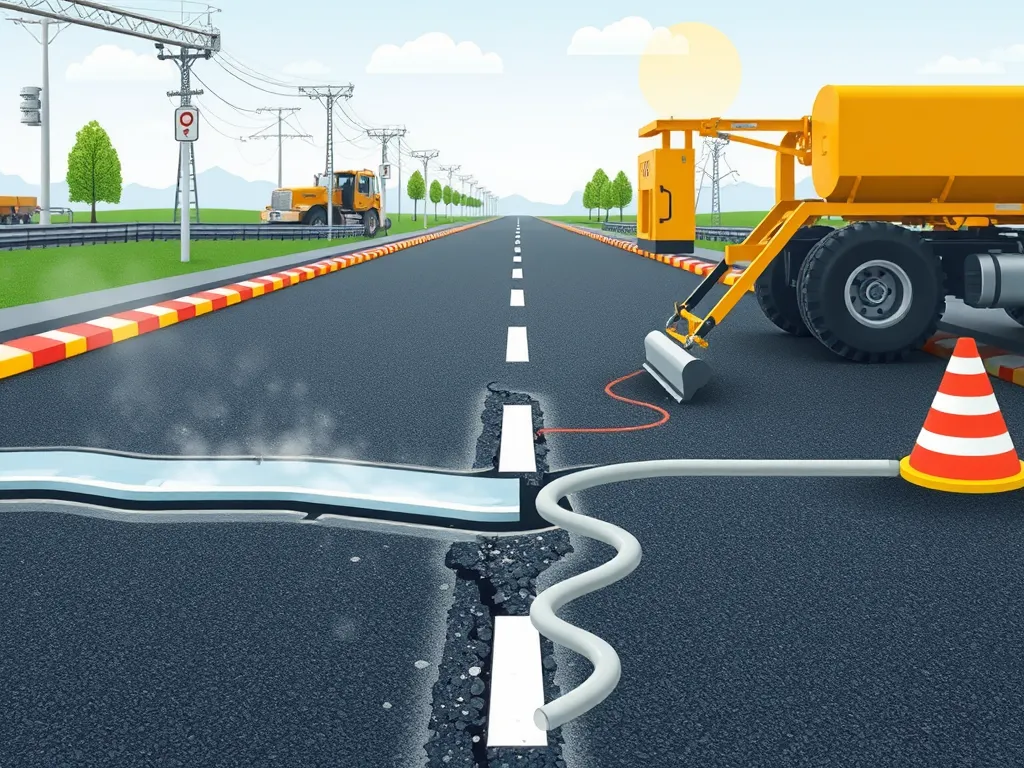
Fill cracks 1/8″ or wider 6 weeks before winter. Use rubberized sealants that stretch 300% in cold. Block 90% of moisture entry for 3-5 years.
Pothole Repair Protocols for Moisture Prevention
Cut clean edges, add tack coat, then compact patching mix at 250°F. Proper fixes last 2x longer than throw-and-go methods. Stops base washouts under heavy rain.
Protective Surface Treatments
Armor asphalt against daily weather attacks. Choose shields that match local threats.
UV-Blocking Sealcoating Applications
Coal tar seals block 99% of UV rays. Apply every 3 years in sunny zones. Adds 5-7 years to surface life by slowing oxidation that makes asphalt brittle.
Climate-Specific Binder Formulations
Use PG 76-22 binders in hot south, PG 58-28 in cold north. These Superpave grades handle local temps without cracking or rutting. Polymer-modified mixes last 50% longer than basic asphalt.
While weather plays a key role, other forces also shape asphalt road durability. Let’s examine hidden threats lurking below the surface.
Also See: Common Asphalt Maintenance Mistakes
Environmental Contributors to Asphalt Degradation
While temperature shifts and moisture dominate discussions about asphalt road durability, environmental factors create silent yet severe threats. Chemical agents and biological forces work with weather patterns to accelerate pavement breakdown.
Chemical Exposure From Road Salts/pollutants
Winter maintenance spreads 20 million tons of road salts annually across U.S. highways. Sodium chloride and calcium chloride seep into asphalt pores, weakening PG (Performance Grade) binders that glue aggregates. Repeated freeze-thaw cycles amplify salt penetration, causing surface pitting and base layer erosion. Urban areas face dual assaults: acid rain with pH levels below 4.3 carries sulfuric/nitric acids that dissolve limestone aggregates. This chemical erosion increases raveling rates by 40% compared to rural roads.
Vegetative Intrusion and Root Damage
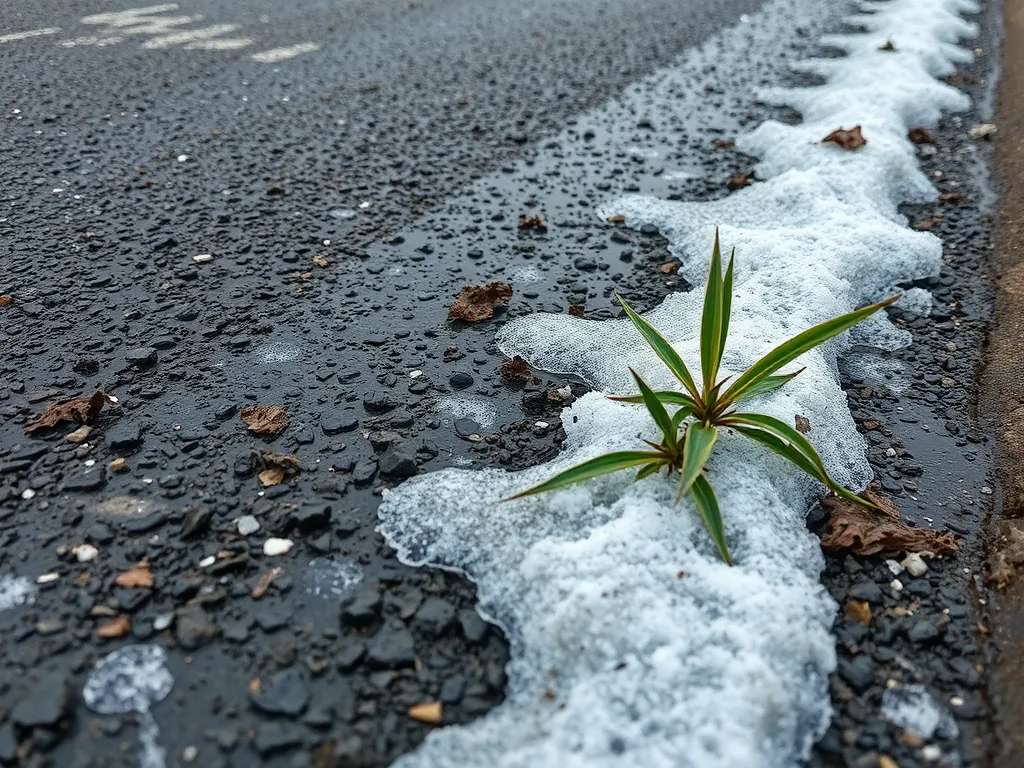
Plants exploit cracks formed by thermal stress or moisture. Dandelion roots exert 145 PSI pressure as they grow, widening fissures in asphalt affected by weather. In regions with 30+ inches of annual rainfall, invasive species like tree-of-heaven create drainage blockages. Their root systems trap moisture against pavement layers, accelerating base saturation. Combined with temperature swings, this biological activity can reduce asphalt lifespan by 3-5 years in vegetated zones.
These environmental forces interact with climate affect on asphalt—salt effectiveness drops below -9°C, while plant growth surges during wet springs. Addressing these challenges requires tailored strategies, as explored in methods to strengthen pavement systems against combined stressors.
While environmental factors pose unique risks, targeted maintenance can counteract their asphalt durability issues—a topic we’ll explore through common user questions.
FAQs: Weather’s Impact on Asphalt Durability
How Does Temperature Fluctuation Cause Asphalt Damage?
Temperature fluctuations can lead to softening in high heat and brittleness in low temperatures. When temperatures drop significantly, asphalt can lose its flexibility and become prone to cracking. Conversely, extreme heat can soften the material, making it susceptible to deformation under heavy loads.
At What Temperature Does Asphalt Begin to Deform?
Asphalt typically begins to deform at temperatures above 140°F. At this temperature, the material softens, leading to potential ruts and surface failures under heavy traffic conditions.
What Environmental Factors Most Accelerate Asphalt Aging?
Several environmental factors accelerate asphalt aging, including exposure to UV radiation, moisture intrusion, and traffic stress. UV rays can degrade the binder, while moisture can weaken the base layer, leading to premature failures. Additionally, heavy traffic combined with environmental conditions can significantly reduce the lifespan of asphalt pavements.
Can Maintenance Offset Weather-related Wear?
Yes, regular maintenance can significantly offset weather-related wear on asphalt. Proactive measures such as crack sealing, proper drainage, and surface treatments can help protect asphalt from the damaging effects of moisture, temperature extremes, and UV exposure, thereby extending its lifespan and performance.
Closing Thoughts
Weather significantly influences the durability of asphalt. Temperature extremes can cause softening or brittleness, while moisture from rain and snow can erode the base and create cracks. Additionally, UV radiation can degrade surfaces, making them more vulnerable to damage. Understanding these factors allows for better planning and maintenance to extend the life of asphalt.
Implementing best practices is key. Using climate-specific materials and techniques, performing regular maintenance, and applying protective treatments can make a big difference. These measures not only enhance performance but also save on costly repairs in the long run.
For more comprehensive information on asphalt and its durability against weather, visit Asphalt Calculator USA.
Useful References for You:
- Yoder, E. J., & Witczak, M. W. (1975). Principles of Pavement Design (2nd ed.). New York, NY: Wiley.
- The Impact Of Weather On Asphalt Paving | Toronto
- Weather’s Impact on Asphalt: Proactive Maintenance – DRYCO
- 5 Ways That Weather Affects Asphalt Pavement – Danny’s Asphalt Paving Inc.
- How Weather Can Affect Asphalt – ACPLM – 888-959-9637