Why Temperature Dictates Success in Asphalt Mixing
Published on: February 17, 2026 | Last Updated: April 14, 2025
Written By: George Voss
Temperature determines how asphalt behaves during production, placement, and its decades-long lifespan. Hot mix asphalt (HMA) requires precise heat levels—usually 275°F to 325°F—to properly coat aggregates with viscous binder. Too cold (below 250°F), and the mix won’t compact evenly. Too hot (above 350°F), and the binder degrades, causing cracks within years. Modern plants use infrared sensors and drum heaters to maintain ±15°F tolerance, ensuring roads survive 15+ years of traffic.
This guide explains temperature’s make-or-break role in asphalt quality. You’ll get specific heat ranges for HMA and warm mix asphalt (WMA), see how weather and materials affect mixing, and learn field-tested methods to avoid temperature-related failures. We’ll also cover real-world fixes contractors use when paving in freezing conditions or extreme heat.
Contents
- Fundamentals Of Temperature in Asphalt Mixing
- Effects Of High Vs. Low Temperasts Mixing
- Optimal Temperature Ranges for Asphalt Mixing
- Factors Influencing Asphalt Mixing Temperature
- Quality Control Measures for Temperature Management
- Environmental Considerations in Temperature Management
- Frequently Asked Questions (FAQs)
- Closing Thoughts
- Additional Resources for You:
Fundamentals Of Temperature in Asphalt Mixing
Temperature serves as the backbone of successful asphalt production. It directly dictates binder viscosity, aggregate coating quality, and final pavement performance. Even minor deviations from target ranges can trigger cascading defects in the finished product.
Role Of Temperature in Asphalt Binder Performance
Bitumen, the glue binding aggregates, transforms from solid to viscous liquid when heated. Optimal viscosity (typically between 150-190°C for hot mix) ensures proper flow around stone particles. PG (Performance Grade) binders—classified by climate tolerance—require precise heating to meet specified stiffness targets. For example, PG 64-22 performs best when mixed at 160-165°C to balance workability with rut resistance.
Key Phases Affected by Mixing Temperature
Three critical stages rely on strict thermal control during asphalt manufacturing. Deviations in any phase compromise structural integrity or longevity.
Initial Mixing & Coating
Hot bitumen must fully envelop aggregates during drum mixing. Temperatures below 140°C leave uncoated “bald spots,” creating weak zones. Excess heat above 200°C thins the binder, causing drainage from larger stones. Both scenarios reduce load-bearing capacity by 15-30% in lab tests.
Workability & Compaction
Proper thermal levels keep mixes pliable during paving. Ideal compaction occurs when material stays between 135-150°C. Cooler mixes resist roller efforts, trapping 2-5% excess voids. These voids let water infiltrate, accelerating raveling or freeze-thaw damage.
Curing & Long-Term Durability
Post-compaction cooling rates shape internal stress patterns. Rapid temperature drops below 90°C before full curing create microcracks. Conversely, slow cooling lets binders polymerize evenly, boosting fatigue life by up to 40% in controlled studies.
Precision in thermal management sets the stage for pavement success. Next, we examine how extreme highs or lows during mixing trigger specific failure modes.
Effects Of High Vs. Low Temperasts Mixing
Heat levels shape how asphalt behaves during mixing. Too hot or too cold, and the mix fails to perform. Let’s break down what goes wrong at both extremes.
High-temp Impacts
Excess heat changes asphalt’s core traits. Binder and rocks react poorly, leading to weak roads.
Binder Oxidation & Premature Aging
Hot temps trigger binder oxidation. Air reacts with bitumen, making it stiff and brittle. This speeds up aging. Roads crack 30% faster in such cases. PG 64-22 binders lose flexibility above 325°F, cutting pavement life by 2-5 years.
Risk of Segregatsion
High heat thins the binder too much. Rocks sink, fines rise. The mix splits apart. This causes uneven roads with weak spots prone to rutting. Plant operators see 15% more waste when temps spike past 350°F.
Low-temp Challenges
Cold mixing brings its own headaches. Stiff binder resists proper blending and packing.
Incomplete Rock Coating
Bitumen thickens below 250°F. It can’t coat rocks fully. Bare spots form weak bonds. Tests show 20% less grip in mixes made under 225°F. These roads ravel faster under traffic.
Poor Compress Rates
Cold asphalt won’t compact well. Rollers can’t squeeze out air gaps. Every 25°F drop below 275°F adds 3% air voids. That leads to water seepage and freeze-thaw damage.
Getting temps right matters for road strength. Next, we’ll map out the ideal heat zones for hot and warm mixes.
Optimal Temperature Ranges for Asphalt Mixing
Precise thermal control defines successful pavement production. Deviations from ideal mixing temperatures compromise structural integrity, workability, and lifespan. Let’s examine industry-standard benchmarks for different mix types.
Hot Mix Asphalt (HMA) Temperature Guidelines
HMA requires 280°F to 330°F during mixing. These ranges ensure proper binder viscosity (typically PG 64-22 or PG 76-22) for coating aggregates. Below 275°F, bitumen struggles to envelop stone particles fully. Exceeding 340°F accelerates binder oxidation, increasing brittleness by 15-20% over the pavement’s service life.
| Mix Type | Mixing Temp | Placement Temp |
|---|---|---|
| HMA | 280-330°F | 255-300°F |
| WMA | 212-284°F | 175-250°F |
Warm Mix Asphalt (WMA) Temperature Adjustments
WMA technologies like Evotherm or Sasobit enable mixing at 212°F to 284°F – 50°F lower than HMA. Chemical additives reduce bitumen’s viscosity without sacrificing coating quality. Lower temps cut fuel costs by 30% and curb CO₂ emissions by 35%, per National Asphalt Pavement Association data.
Critical Thresholds for Mixing &Amp; Placement
Three pivotal points govern thermal tolerances:
- Mixing Floor: Never drop below 250°F for HMA (200°F for WMA) – incomplete coating occurs
- Oxidation Ceiling: 340°F triggers rapid binder hardening
- Placement Minimums: 185°F for HMA; below this, rollers cannot achieve 92% density
Monitoring these thresholds prevents thermal segregation – when mix portions cool unevenly, creating weak zones prone to rutting or cracking within 2-3 years.
Next, we’ll explore how external variables like weather or material properties disrupt these thermal targets.
Also See: Recap Of Best Compaction Practices
Factors Influencing Asphalt Mixing Temperature
Three key factors shape how heat affects asphalt mix quality. Each plays a role in hitting target temps for strong, long-lasting roads.
Ambient Weather Conditions
Air temp, wind speed, and sun exposure change how fast mix loses heat. Cold days (below 50°F) force plants to raise temps by 25°F to offset heat loss. High winds strip heat from trucks, needing hotter loads. Humid air slows drying, risking steam pockets that weaken pavement.
Aggregate Moisture Content &Amp; Gradation
Wet stone or sand demands more heat to dry. Each 1% moisture in rock adds 25°F to mix temps. Graded stone sizes matter too:
- Fine sand packs tight, needing lower heat (275-300°F)
- Coarse gravel (1” size) needs high heat (325-350°F) for full coat
- Rounded stone heats faster than jagged rock
Binder Type and Additive Selection
PG binders (like PG 64-22) set base temps. Polymer-modified binders need 15-30°F higher heat than plain ones. WMA tech (warm mix asphalt) cuts temps by 50°F using wax or foam. Reclaimed asphalt pavement (RAP) lowers fresh mix heat needs by 10% per 15% RAP added.
Getting these factors right keeps mix temps in the 275-350°F sweet spot. Next, we’ll show how crews track and fix heat issues during paving jobs.
Quality Control Measures for Temperature Management
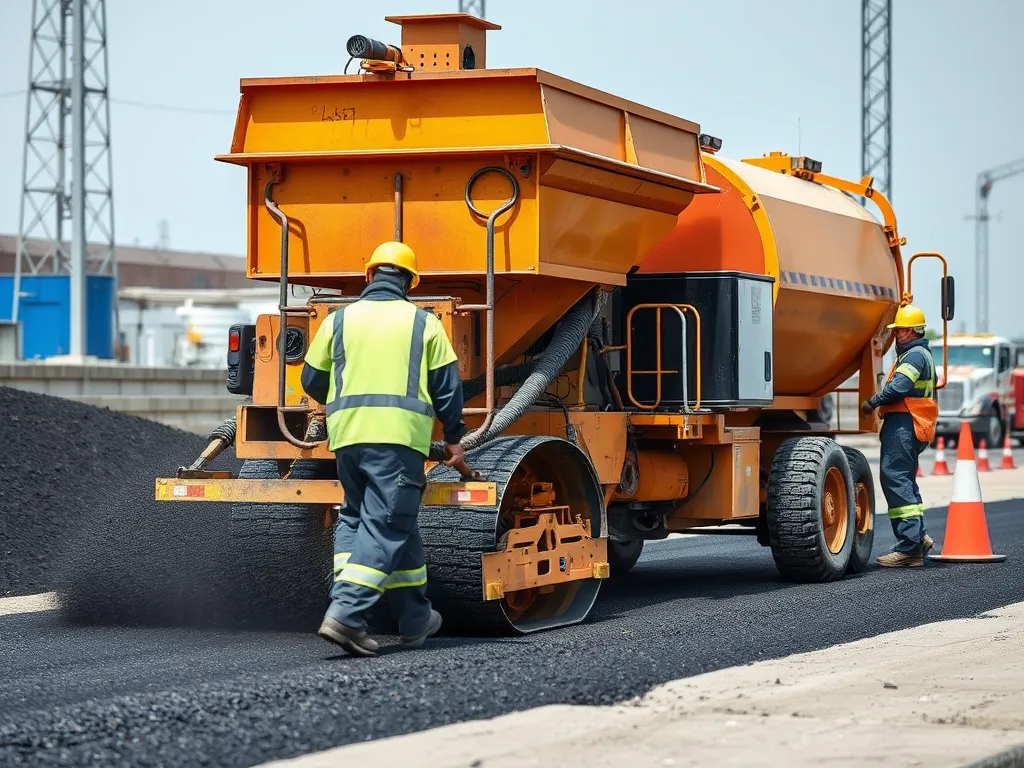
Maintaining precise asphalt mixing temperatures requires rigorous protocols. Proper oversight ensures mix consistency, prevents material waste, and extends pavement lifespan. Below are key strategies used across the industry.
Real-time Temperature Monitoring Systems
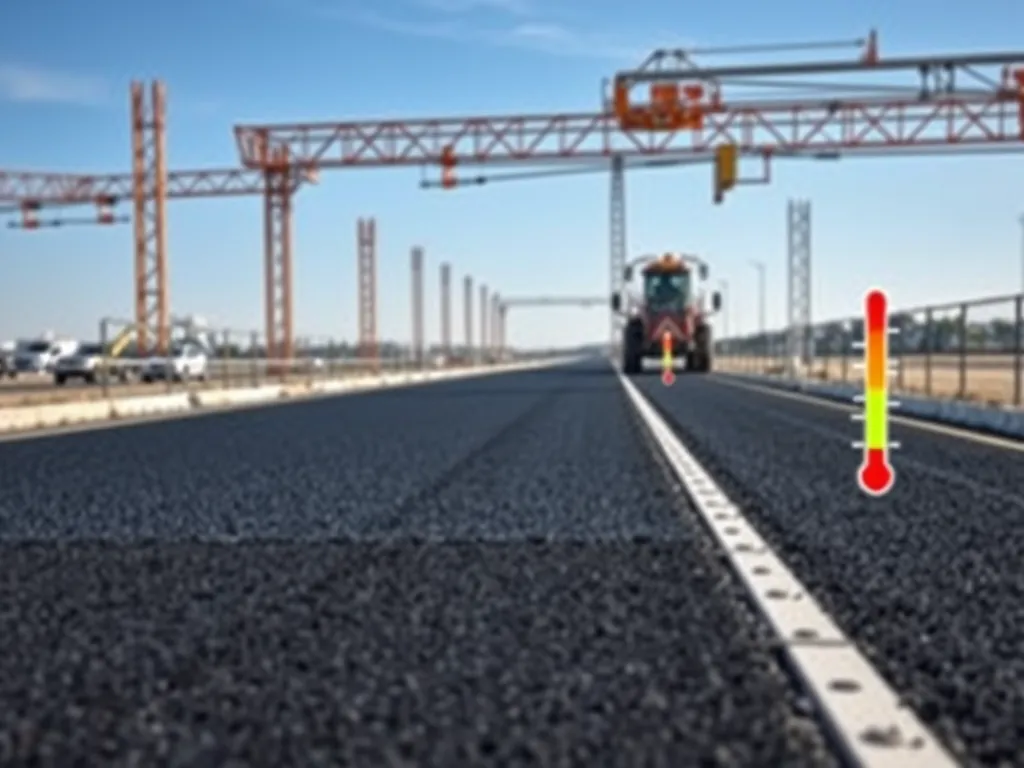
Modern plants deploy infrared sensors and thermal cameras to track mix temperatures at multiple stages. These tools provide instant data on drum discharge temps (typically 275-325°F for HMA) and truck bed heat retention. Deviations beyond ±15°F trigger alerts, allowing operators to adjust burner settings or mixing times. Systems like Paver-mounted IR thermometers also verify mat temperatures during placement, ensuring adherence to PG binder specifications.
Calibration Of Mixing Equipment
Daily checks on plant thermocouples and probes prevent false readings that risk cold spots or overheating. Technicians use NIST-traceable devices to verify sensor accuracy within ±5°F. Drum mixers undergo monthly thermal mapping to identify heat zones prone to aggregate scorching (above 350°F) or inadequate coating (below 250°F). Proper calibration cuts RAP rejection rates by up to 18% during recycling operations.
Best Practices for Cold Weather Mixing
When ambient temps drop below 50°F, plants implement cold-weather protocols:
- Pre-heat aggregates to 220-250°F to offset moisture-induced cooling
- Use warm mix additives (e.g., Sasobit® or Evotherm®) to lower mixing temps by 30-50°F
- Deploy insulated trucks with double-layer tarps, maintaining mix above 250°F during transport
Paving crews work in windbreaks and schedule pours during midday warmth. Compaction must finish before mix temps fall below 185°F to prevent voids exceeding 7% air content.
These temperature management strategies directly shape energy use and emissions during production—factors explored next.
Environmental Considerations in Temperature Management
Balancing asphalt mixing temperatures with ecological responsibility requires addressing energy use and thermal efficiency. Production methods directly affect emissions, material waste, and long-term sustainability goals.
Energy Consumption &Amp; Emissions
Heating asphalt to 300-350°F for hot mix asphalt (HMA) demands 3.5-4 million BTU per ton of mix. Combusting fuels like diesel or natural gas releases 18-22 pounds of CO₂ per ton produced. Warm mix asphalt (WMA) technologies slash temps by 30-100°F, cutting fuel use by 20-35% and lowering emissions by 15-50% (EPA 2022 data). High mixing temperatures also increase volatile organic compounds (VOCs) and nitrogen oxides (NOx), linked to smog formation.
- WMA additives: Synthetic zeolites, organic waxes
- Emission reducers: Baghouse filters, burner optimizers
- Alternative fuels: Bio-oils, reclaimed engine oils
Mitigating Thermal Loss During Transport
Asphalt cools 5-25°F per hour during hauling, risking suboptimal compaction. Insulated trucks with double-wall steel trailers retain heat 50% longer than standard models. Temperature-controlled discharge systems maintain target temps within ±5°F, ensuring mixes stay above 275°F for proper placement.
- Thermal blankets: Reduce heat loss by 30% on >30-minute hauls
- Reusable insulating tarps: Cut fuel use for reheating by 25%
- Phase-change materials: Paraffin additives extend workability by 45+ minutes
Proper thermal management prevents 3-5% material waste per project from cooled batches. Contractors report 25-40% fewer reheating cycles when using advanced transport solutions, lowering annual fuel costs by $12,000-$18,000 per paver fleet.
Managing heat from plant to pavement not only preserves mix quality but also shapes how crews handle field challenges during placement.
Frequently Asked Questions (FAQs)
Does Temperature Affect Asphalt?
Yes, temperature significantly affects the performance and properties of asphalt. Variations in mixing and placement temperatures can lead to issues such as poor coating of aggregates, inadequate compaction, or accelerated aging of the asphalt binder, ultimately affecting the lifespan and durability of the pavement.
What is the Mixing Temperature for Asphalt?
The mixing temperature for Hot Mix Asphalt (HMA) typically ranges from 280°F to 330°F. For Warm Mix Asphalt (WMA), the temperature can be lower, usually between 212°F and 284°F. Maintaining the appropriate mixing temperature is crucial for ensuring optimal performance and longevity of the asphalt.
What Temperature is Too Cold to Pave Asphalt?
Generally, temperatures below 50°F are considered too cold for paving asphalt. At these temperatures, the binder may not flow correctly, leading to inadequate coating and compaction. For optimal results, it is recommended that the asphalt mix be placed when ambient temperatures are above 50°F when possible.
What Temperature is Too Cold for a Blacktop?
A temperature below 40°F can be deemed too cold for laying down blacktop. This low temperature can hinder the proper setting and bonding of the asphalt mix, risking the quality and durability of the newly paved surface.
Closing Thoughts
The temperature at which asphalt is mixed plays a vital role in determining the performance, durability, and longevity of paved surfaces. The effects of both high and low temperatures can lead to significant challenges, from binder oxidation to reduced compaction. Maintaining optimal temperature ranges is essential for quality production and placement.
While ambient conditions and mix design influence these temperatures, effective quality control measures, such as real-time monitoring systems and equipment calibration, are key to achieving the best results. Environmental considerations also highlight the need for energy efficiency and emission reduction during asphalt mixing.
For more information about asphalt mixing and temperature management, check out Asphalt Calculator USA.
Additional Resources for You:
- The Asphalt Institute (Technical Resources & Standards)
- 1. Determination of mixing and compaction temperatures …
- Warm Mix Asphalt – EAPA
- (PDF) Impact of asphalt aging temperature on chemo-mechanics
- Impact of laboratory mixing procedure on the properties of reclaimed asphalt pavement mixtures – ScienceDirect