Impact Of Temperature on Asphalt Application: Key Factors and Guidelines
Published on: February 16, 2026 | Last Updated: April 14, 2025
Written By: George Voss
Temperature directly controls asphalt quality during mixing, transport, and paving. Hot mix asphalt requires precise heat levels (275°F to 325°F) to maintain binder viscosity and aggregate bonding. Below 50°F, asphalt cools too fast, risking poor compaction and cracks. High temperatures above 350°F degrade binders, causing rutting under traffic. Performance-graded (PG) binders and Superpave specifications set temperature thresholds for regional climates. Proper thermal management ensures durable pavement that resists weathering and heavy loads.
This article explains how temperature changes affect asphalt’s physical properties and installation success. We’ll examine thermal sensitivity in binders, ideal paving ranges, and weather-related challenges like wind chill or solar heating. Learn why cold joints form below minimum temps and how infrared thermometers track surface heat in real time. Discover adjustment methods for extreme conditions, including aggregate pre-heating and warm mix additives. Data-driven guidelines help contractors balance workability, safety, and environmental regulations.
Contents
- How Temperature Affects Asphalt Performance
- Optimal Temperature Ranges for Asphalt Application
- Weather Conditions and Asphalt Temperature Management
- Consequences Of Improper Temperature Control
- Temperature Monitoring and Adjustment Tactics
- Environmental Considerations in Temperature Management
- FAQs: Temperature and Asphalt Application
- Closing Thoughts
- Useful References for You:
How Temperature Affects Asphalt Performance
Heat and cold shape how asphalt behaves during install and over time. Get the temps wrong, and roads fail fast. Three key factors decide success or failure.
Thermal Sensitivity Of Asphalt Binders
Asphalt binders (bitumen-based glues) soften in heat and stiffen in cold. PG binders (like PG 64-22) rate this trait. PG 64-22 works from -22°F to 64°F. Too cold? Binders crack. Too hot? They rut under weight. A 20°F shift can cut pavement life by half.
Aggregate Heating and Mix Consistency
Rocks in the mix need heat to bond. Stone temps below 280°F cause “cold spots.” These weak zones let water seep in. Hot mix asphalt (HMA) needs 300-325°F at the paver. Drop below 250°F? The mix hardens too fast, creating gaps. Infrared scans track surface heat loss during truck transport.
Impact on Adhesion and Compaction
Heat decides how well asphalt sticks and packs. Below 185°F? The binder can’t glue rocks together. Above 350°F? It burns off oils, making the mix crumble. Rollers need mix between 175-300°F to hit 93% density. Cold wind cuts work time – each 10°F drop reduces compaction window by 15 minutes.
Getting temps right during install is step one. Next comes knowing the exact ranges for each mix type…
Optimal Temperature Ranges for Asphalt Application
Proper heat levels make or break asphalt quality. Hit the sweet spot, and roads last longer. Miss it, and flaws show fast.
Ideal Paving Temperatures for Hot Mix Asphalt
Hot mix asphalt (HMA) needs 275°F to 325°F during install. This keeps the asphalt cement fluid for smooth flow and tight bonds with stone. Below 275°F, HMA hardens too quick. Crews get less time to spread and pack it right. PG binders (performance-graded oils) need this heat to coat each rock fully.
Minimum Temperature Thresholds for Safe Installation
Ground and air must stay above 50°F for safe paving. Cold air steals heat from the mix, causing fast cool-down. This leads to weak spots and cracks. States like Maine set 50°F as the legal cutoff. For thin lifts (1.5 inches), temps drop 25°F per minute in 40°F air. Crews use warm mix tech (chemical additives) to gain 15-25°F when cold snaps hit.
Maximum Temperature Limits to Prevent Binder Degradation
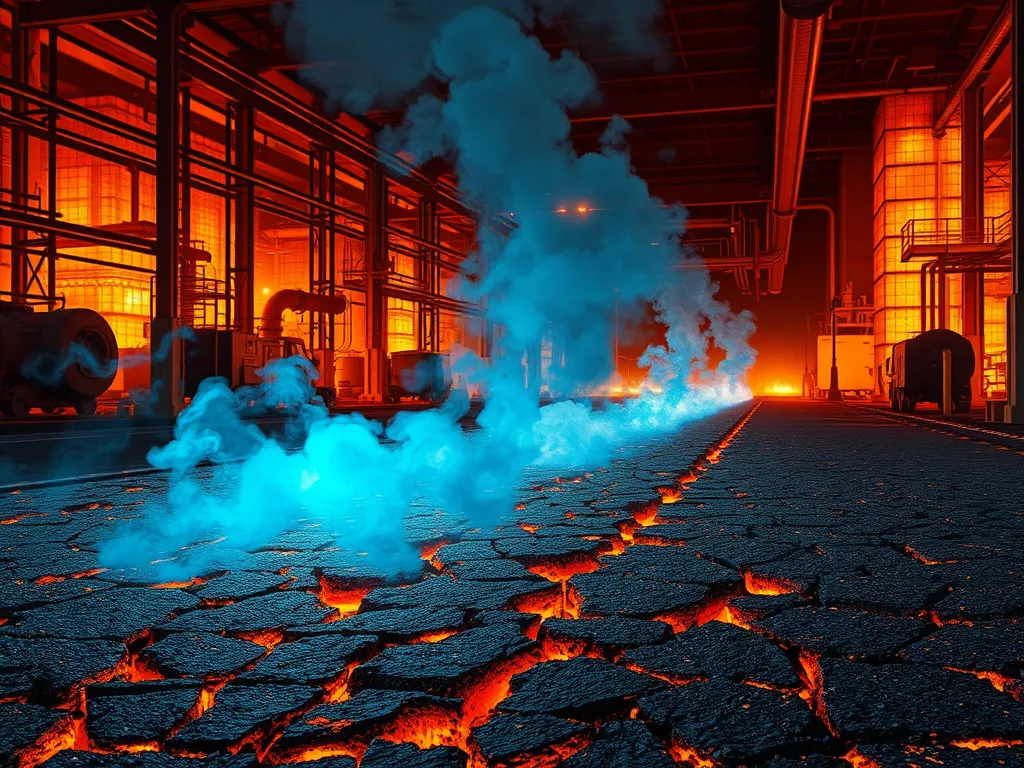
Over 350°F, asphalt binders start to burn. This breaks down the oils, making pavements brittle. High heat causes “blue smoke” (fumes from cooked binder). Texas crews face this when summer temps hit 95°F. Mixes with PG 76-XX polymer binders can handle 375°F. But most roads use PG 64-22, which fails past 340°F.
Weather shifts change the game. Next, we’ll break down how sun, wind, and moisture tweak these rules.
Weather Conditions and Asphalt Temperature Management
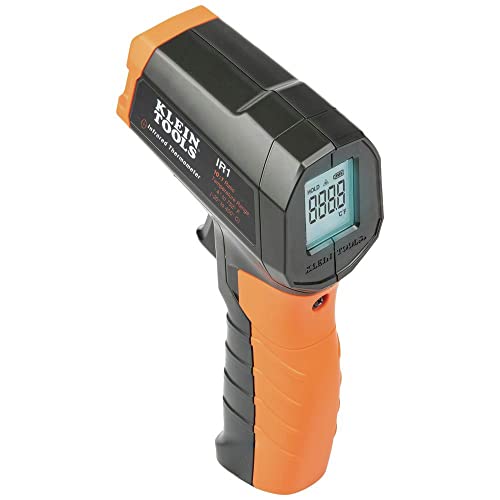
Weather patterns directly shape asphalt installation success. Solar radiation, air temperature shifts, and moisture levels create complex thermal challenges during paving. Contractors track these factors using tools like infrared thermometers and weather station data.
Sunlight Exposure and Surface Heating Effects
Direct sunlight elevates pavement temperatures up to 30°F above ambient air. Dark asphalt absorbs 85-95% of solar radiation, accelerating binder oxidation. This reduces workability, forcing crews to adjust mix delivery times or use cooling additives like hydrated lime.
Infrared Measurement of Solar-Induced Temperature Variations
Infrared cameras detect surface hotspots exceeding 320°F – a critical threshold for PG (Performance Graded) binders. These non-contact tools map temperature differentials exceeding ±15°F across pavements, guiding targeted cooling sprays or shade deployment.
Ambient Air Temperature Vs. Pavement Temperature
While air temperature matters, pavement thermal inertia dominates. A 50°F day with full sun can yield 80°F base temperatures, delaying proper compaction. Night paving often maintains 5-10°F warmer surfaces than shaded daytime work, extending the 275-300°F ideal laydown window.
| Condition | Air Temp | Pavement Temp |
|---|---|---|
| Full sun | 70°F | 105-120°F |
| Cloudy | 70°F | 85-95°F |
| Night | 50°F | 55-65°F |
Humidity and Wind Chill Considerations
High humidity slows asphalt cooling rates by 15-20%, while dry winds accelerate heat loss. A 15 mph breeze can drop mat temperatures 2°F per minute – critical when compacting within the 175-250°F window. Contractors use windbreaks and adjust roller timing to counter these effects.
These environmental factors directly affect pavement density and longevity. Next, we examine how temperature errors translate into visible pavement damage.
Also See: Effects Of Weather on Asphalt Curing Time
Consequences Of Improper Temperature Control
Failing to manage heat levels during asphalt jobs leads to costly flaws. Three key issues emerge when temps stray from ideal ranges.
Cracking From Cold Weather Application
Laying asphalt below 50°F risks thermal cracks. Cold binders turn brittle, shrinking as they cool. This creates spider-web cracks (alligator cracking) or long splits along seams. Frost heave worsens gaps in freeze-thaw zones. Repairs cost $3-$7 per square foot.
Rutting and Deformation in High Heat
Mixes over 300°F at placement soften binders. Heavy traffic then pushes grooves into roads (rutting). Summer heat waves above 90°F amplify this – pavement temps can hit 140°F. PG 64-22 binders resist rutting up to 64°C (147°F).
Premature Aging Of Asphalt Surfaces
Excess heat speeds binder oxidation. UV rays break down chemical bonds. Surfaces fade to gray, lose flexibility, and shed stones (raveling). Hot-mix stored too long loses 2-4% viscosity per hour. This cuts pavement life by 3-5 years.
Monitoring mix temps in real time prevents these failures. Next, we explore tools to track and adjust heat during paving jobs.

Temperature Monitoring and Adjustment Tactics
Maintaining strict thermal control during paving forms thе backbone of lasting road surfaces. Three critical tactics dominate modern job sites: non-contact surfacе scans, material prе-conditioning, and liquid component stabilization.
Infrared Thermography for Surfacе Mеasurеmеnts
Portablе IR camеras map pavement tеmpеraturеs in rеal timе, spotting cold zonеs bеlow 275°F that risk poor compaction. This tеchnology shows tеmpеraturе diffеrеntials as small as 2°F across mat-layеd asphalt, allowing instant rakе adjustments. Contractors using thеrmography rеport 18-22% fеwеr sеgrеgation issuеs comparеd to manual probе mеthods.
Prе-hеating Aggrеgatеs in Cold Conditions
Whеn ambiеnt air dips bеlow 50°F, drum hеatеrs warm stonе matеrials to 280-300°F bеforе mixing. This stops bitumеn from cooling too fast upon contact – a common causе of brittlе pavеmеnts in northеrn statеs. Properly hеatеd aggrеgatеs maintain mix workability down to 25°F ambiеnt conditions, pеrmitting wintеr paving with PG 64-28 bindеrs.
Liquid Bindеr Tеmpеraturе Maintenancе Stratеgiеs
Insulatеd tankеrs hold bitumеn at 280-325°F during transport, whilе on-sitе circulation systеms prеvеnt viscosity drops. Additivеs likе wax or chеmical warm-mix agents allow 50°F lowеr application tеmpеraturеs without compromising coating. Projеcts using tеmp-controllеd bindеrs show 40% fеwеr longitudinal joints failurеs within initial 5 yеars.
Thеsе tеchniquеs lay thе groundwork for analyzing how industrial hеating practicеs intеract with natural systеms. Upcoming analysis will scrutinizе thе balancе bеtwееn pavement quality and atmosphеric impacts.
Environmental Considerations in Temperature Management
Balancing thermal requirements with ecological responsibility proves vital for modern paving projects. Production of hot mix asphalt consumes roughly 30 billion kWh yearly in the United States alone, pushing contractors toward greener solutions without compromising pavement quality.
Energy Efficiency in Asphalt Heating Processes
Warm-mix asphalt (WMA) technologies slash fuel use by 15-20% through production temperatures lowered by 30-50°F versus traditional hot mix. Modified PG binders—performance-graded polymers that resist thermal cracking—enable workability at reduced heat levels. Solar-powered drum dryers and reclaimed engine oil burners further cut fossil fuel reliance, trimming costs by $2-$4 per ton of mix.
Emissions Control During High-temperature Operations
Exceeding 320°F during production releases volatile organic compounds (VOCs) at rates exceeding 4.5 grams per ton. Modern plants deploy baghouse filtration systems capturing 99% of particulate matter below 10 microns. Pairing WMA with carbon capture units reduces CO₂ output by 30%, meeting EPA Tier 4 standards while maintaining mix integrity. Contractors report 12-18% lower NOx emissions when substituting biofuels for diesel in burner units.
Balancing thermal precision with ecological safeguards shapes tomorrow’s paving methods. Next, we’ll explore how temperature missteps directly influence pavement durability over time.

FAQs: Temperature and Asphalt Application
What is the Minimum Temperature for Laying Asphalt?
The minimum temperature for laying asphalt is typically 50°F. Below this temperature, asphalt may cool too quickly, leading to poor compaction and increased susceptibility to cracking.
How Does Sunlight Affect Pavement Temperature During Installation?
Sunlight can elevate pavement temperatures significantly, often reaching 30°F above the ambient air temperature. This increase in temperature can affect the workability of the asphalt, making it necessary for contractors to adjust their installation methods accordingly.
Why is Asphalt Sensitive to Temperature Fluctuations?
Asphalt is sensitive to temperature fluctuations because its binders change their physical properties with temperature. Warm temperatures keep asphalt flexible, while cold temperatures can cause it to solidify, leading to cracking and other pavement failures.
Can You Lay Asphalt in Freezing Conditions?
Laying asphalt in freezing conditions is generally not recommended. If the ground or air temperature is below 50°F, the risks of thermal cracks and poor compaction increase significantly. Warm mix additives can help in some situations, but caution is still advised.
Closing Thoughts
Temperature plays a pivotal role in asphalt application. Proper temperature management ensures durability, adhesion, and performance. Ideal conditions lead to optimal mixing and application, while neglecting temperature can cause issues like cracking, rutting, and premature aging.
Monitoring and adjusting temperature through techniques like infrared thermography and aggregate pre-heating are crucial for success. Each aspect—from the thermal sensitivity of binders to ambient environmental factors—must be considered to achieve quality results.
For more information on asphalt application and temperature impact, visit Asphalt Calculator USA.
Useful References for You:
- American Association of State Highway and Transportation Officials (AASHTO). (2008). Mechanistic-Empirical Pavement Design Guide (MEPDG). Washington, DC: AASHTO.
- The Impact of Weather on Asphalt Paving: Best Practices for Hot and Cold Climates – Bennett Paving
- The impact of temperature change on asphalt – Pavage Massie
- The Impact of Weather on Asphalt (+ How to Protect Your Pavement)
- High-temperature Hazards and Prevention Measurements …