Impact Of Sealcoating on Asphalt Health
Published on: February 16, 2026 | Last Updated: April 14, 2025
Written By: George Voss
Sealcoating protects asphalt by applying a protective layer of coal tar or asphalt-based emulsion. This process shields pavement from weather damage, UV rays, and oil spills while extending surface life by 5-7 years. Regular applications fill small cracks, prevent water infiltration, and maintain the asphalt’s flexibility against temperature changes.
This article examines how sealcoating affects asphalt health. Learn about key components in sealants, proper application methods, and environmental impacts. Compare benefits like oxidation prevention with risks such as moisture trapping. Find out how climate, traffic, and material quality influence results. Get answers to common questions about curing times and long-term pavement performance.
Contents
- Understanding Sealcoating Basics
- Positive Effects Of Sealcoating on Asphalt Health
- Potential Negative Impacts Of Sealcoating
- Factors Affecting Sealcoating Effectiveness
- Sealcoating Process and Asphalt Health
- Sealcoating Impact on Asphalt Lifespan
- Environmental Considerations
- Frequently Asked Questions
- Closing Thoughts
- Additional Resources for You:
Understanding Sealcoating Basics
Sealcoating shields asphalt from harm. Let’s break down its core parts.
What is Sealcoating?
Sealcoating is a thin layer placed on asphalt. Made from tar, sand, and additives, it blocks water, fights UV rays, and stops oil leaks. Applied every 2-4 years, it fills small cracks before they grow. This keeps pavement smooth and cuts repair costs by up to 50%.
Key Components Of Asphalt Sealants
Sealants mix three main items: binder, filler, and additives. Coal tar (a thick black liquid) resists oil and lasts 3+ years. Asphalt emulsions (water-based tar) dry fast and smell less. Additives like clay boost thickness, while polymers add stretch to handle heat shifts. Silica sand adds grip for cars and people.
Now that we’ve seen what’s inside, let’s learn how these parts team up to guard your asphalt.
Positive Effects Of Sealcoating on Asphalt Health
Sealcoating boosts asphalt health by blocking harm from sun, rain, and daily wear. It acts like armor for roads, lots, and drives.
Protection Against Weather and Environmental Damage
Sealcoating stops nature’s wear on asphalt. Rain, sun, and ice break down the surface over time. A fresh seal coat fights these foes.
UV Radiation Resistance
Sun rays fade and dry out asphalt. Sealcoating blocks UV light, keeping the blacktop dark. Dark surfaces stay flexible and slow cracks.
Water Infiltration Prevention
Water seeps into tiny cracks, freezes, and splits asphalt open. Sealcoating fills these gaps. Less water in means fewer potholes—up to 70% less damage in wet zones.
Prevention Of Asphalt Oxidation
Air turns asphalt brittle. Sealcoating keeps oxygen out. Tests show sealed asphalt stays 40% softer than unsealed roads after 5 years. Soft asphalt bends under weight instead of cracking.
Resistance to Oil and Chemical Spills
Car fluids eat asphalt. A seal coat forms a shield. Gas, oil, and salt melt ice but hurt roads. Sealed lots handle spills better—stains wipe off before sinking in.
Enhancing Structural Integrity
Sealcoating glues loose stones back in place. It fills hairline cracks (under 1/8 inch) before they grow. Strong surfaces spread car weight evenly. This cuts rutting by 50% in high-traffic areas.
While sealcoating boosts asphalt health, poor methods can backfire. Next, we’ll explore risks if done wrong.
Potential Negative Impacts Of Sealcoating
While sealcoating shields asphalt from harm, it can bring risks if materials or methods fall short. Knowing these pitfalls aids in making smart choices for pavement care.
Toxic Materials in Traditional Sealants
Coal tar-based goods hold polycyclic aromatic hydrocarbons (PAHs) – compounds tied to soil contamination and aquatic harm. A typical gallon of coal tar sealant carries 50,000-100,000 parts per million PAHs. Petroleum-based options fare slightly better but still carry 5-10% PAH content. New bio-based or asphalt-based options now supply safer paths with under 1% VOC (volatile organic compound) levels.
Risks Of Improper Application
Skill matters as much as materials. Flaws during installation can undo a sealcoat’s advantages fast.
Premature Cracking from Over-Application
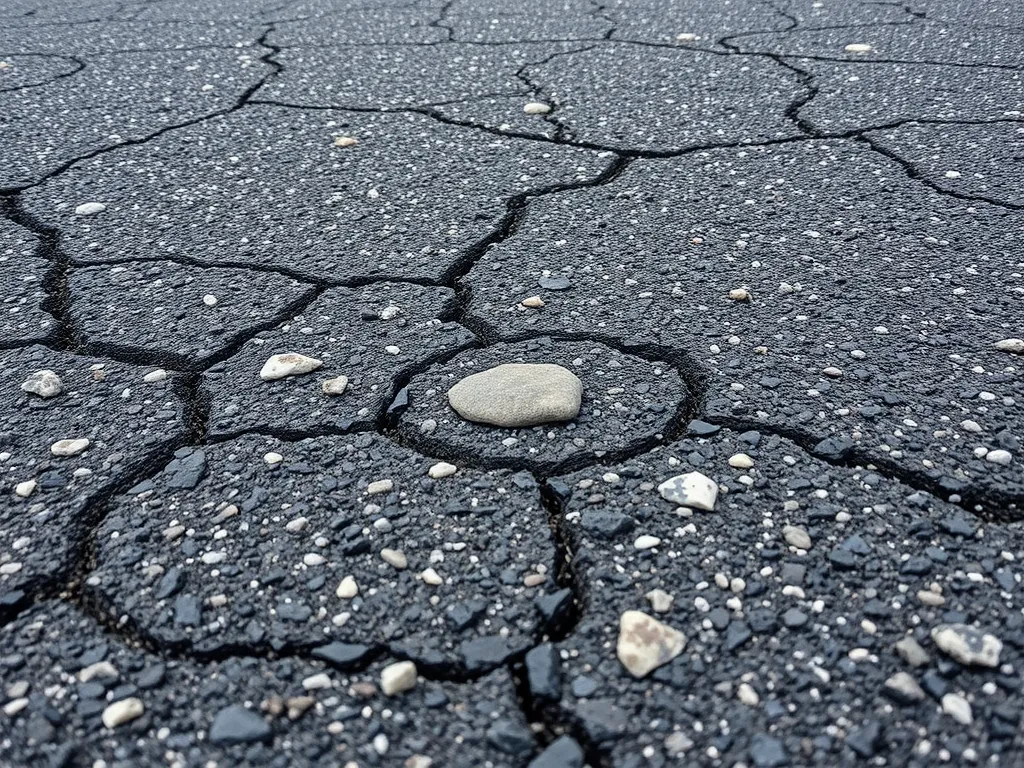
Spreading sealant thicker than 1/8 inch causes shrinkage splits as it dries. These fissures let water invade the base layer, speeding pavement breakdown. Pro teams use calibrated spray systems to hit 0.10-0.15 inch thickness – optimal for guarding without brittleness.
Trapping Moisture Beneath the Surface
Sealing atop uncleaned cracks or damp pavement locks moisture in. This leads to frost heave in cold zones or base layer washouts. ASTM D6433 standards call for crack filling and 24-hour dry periods before coating starts.
Long-term Weakening Of Asphalt Substrate
Annual recoating without milling can trap fine rock particles in the sealant matrix. This builds a stiff crust that blocks natural flexibility. Pavement modulus scores – measuring stress resistance – drop 15-20% after 10 years of unbroken sealcoating. Core sampling each 3-5 years spots this early.
How well sealcoating works hangs on multiple variables – from climate to product quality. Up next: key factors that sway outcomes.
Also See: How to Choose Asphalt Colors for Your Project
Factors Affecting Sealcoating Effectiveness
Sealcoating impact on asphalt pavement health depends on four critical variables. Ignoring these can turn a protective measure into a waste of resources—or worse, accelerate pavement decay.
Asphalt Age and Condition
New asphalt (0-6 months old) lacks the cured surface needed for sealant adhesion—applying too early causes peeling. Pavements older than 10 years with alligator cracks deeper than 1/4 inch require crack filling first. Unsealed potholes or raveling aggregate create weak zones where sealcoating asphalt effects diminish by up to 40%. A 2022 NAPA study found sealants last 35% longer on pavements with pre-treatment repairs.
Climate and Traffic Exposure
UV exposure in states like Arizona degrades standard sealants 2x faster than in temperate regions. Freeze-thaw cycles in Minnesota demand flexible sealcoating formulas with 15-20% polymer additives. High-traffic areas (1,000+ vehicles daily) need coal-tar blends—they withstand tire friction better than asphalt-based variants. Coastal zones require sealants with pH buffers to combat salt corrosion.
Sealant Material Quality
Low-grade sealants contain filler sands exceeding 35% weight—these crack within 12 months. Premium mixes use <4mm silica sand and refined coal-tar emulsions meeting ASTM D5727 standards. Testing shows high-quality acrylic latex additives improve crack resistance by 60% compared to clay-based thickeners. Always verify the product’s solids content—below 25% means diluted performance.
Application Frequency
Sealcoating every 2 years maximizes asphalt sealcoating health benefits—delaying to 3+ years raises oxidation risks by 28%. Over-application (more than 3 layers) traps heat, softening the asphalt binder below 140°F. Parking lots need reapplication every 18-24 months due to static vehicle loads, while driveways last 30-36 months with proper curing.
These variables set the stage—but flawless execution matters next. Up next: how application methods make or break sealcoating asphalt pavement effects.
Sealcoating Process and Asphalt Health
Proper execution of sealcoating steps directly determines how well pavement resists wear. Cutting corners during prep, application, or curing can negate benefits while increasing risks.
Surface Preparation Requirements
Thorough cleaning removes debris, oil spots, and loose aggregates that prevent sealant adhesion. Power washing at 3,000 PSI clears embedded grit. Filling cracks over ⅛ inch wide with rubberized filler stops water from breaching the base. Letting the surface dry 24 hours avoids trapping moisture – a leading cause of sealant failure. Skipping these steps reduces bond strength by 40%.
Optimal Application Techniques
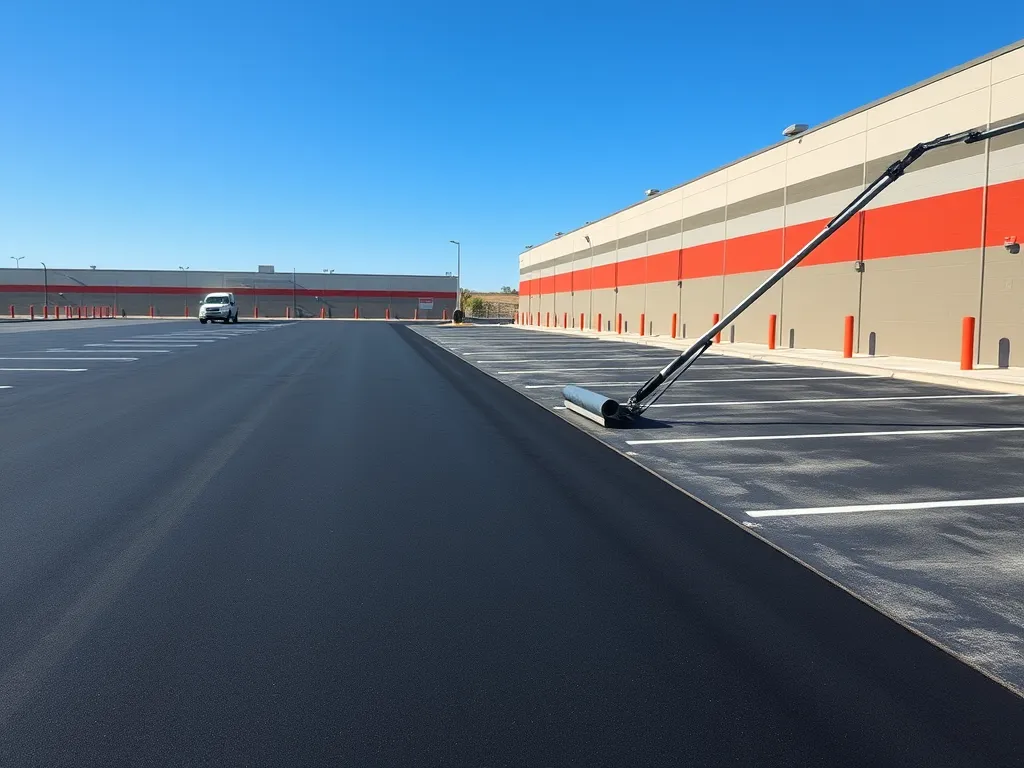
Spray systems deliver 0.10-0.15 gallons per square yard for uniform coverage without pooling. Squeegee methods work better for textured surfaces but require skilled labor to prevent streaks. Temperatures between 50°F and 90°F ensure proper viscosity. Applying two thin coats (6-8 hours apart) outperforms single thick layers, which take longer to cure and may crack under stress.
Curing Time Considerations
Fresh sealant needs 24-48 hours to form a cross-linked polymer film. High humidity or temps below 50°F extend curing to 72 hours. Foot traffic after 12-18 hours is safe, but vehicles should wait 48 hours. Premature loading tears the semi-cured layer, exposing asphalt to fuel spills and oxidation. Incomplete curing also reduces UV resistance by 30%.
How these steps align with pavement age, climate, and traffic patterns directly affects long-term outcomes. Next, we’ll examine how sealcoating timelines influence asphalt lifespan under varying conditions.
Sealcoating Impact on Asphalt Lifespan
Properly maintained sealcoating adds years to asphalt surfaces by creating a protective shield against daily wear. Let’s break down how this translates to pavement longevity and financial savings.
Extending Pavement Longevity
Sealcoating acts as a sacrificial layer, absorbing damage from traffic, weather, and chemicals. Unsealed asphalt loses 3-5% of its binder annually due to UV degradation. Sealcoating replenishes this binder, slowing oxidation and preserving flexibility. Key benefits include:
- UV Resistance: Blocks 90% of UV rays, preventing surface brittleness
- Waterproofing: Reduces water infiltration by 80% compared to untreated surfaces
- Traffic Protection: Withstands 500+ vehicle passes before showing wear
Pavements with biennial sealcoating last 15-25 years versus 8-12 years for untreated surfaces. The process maintains asphalt’s critical 4-7% air void ratio, preventing premature raveling or cracking.
Cost-benefit Analysis Of Regular Applications
Sealcoating costs $0.14-$0.25 per square foot versus $1.50-$3.00 for asphalt replacement. A 10,000 sq.ft. parking lot sees these cost patterns over 20 years:
| Maintenance Approach | Total Cost | Pavement Lifespan |
|---|---|---|
| No sealcoating | $45,000 | 12 years |
| Sealcoating every 3 years | $18,000 | 22 years |
Each $1 invested in sealcoating saves $3-5 in crack repairs, pothole fixes, and full-depth replacements. Commercial properties report 22% fewer insurance claims related to pavement deterioration when using scheduled sealcoating.
While the financial math favors sealcoating, material choices and application methods significantly influence environmental outcomes. Next, we’ll examine eco-friendly alternatives and regulatory standards shaping modern practices.
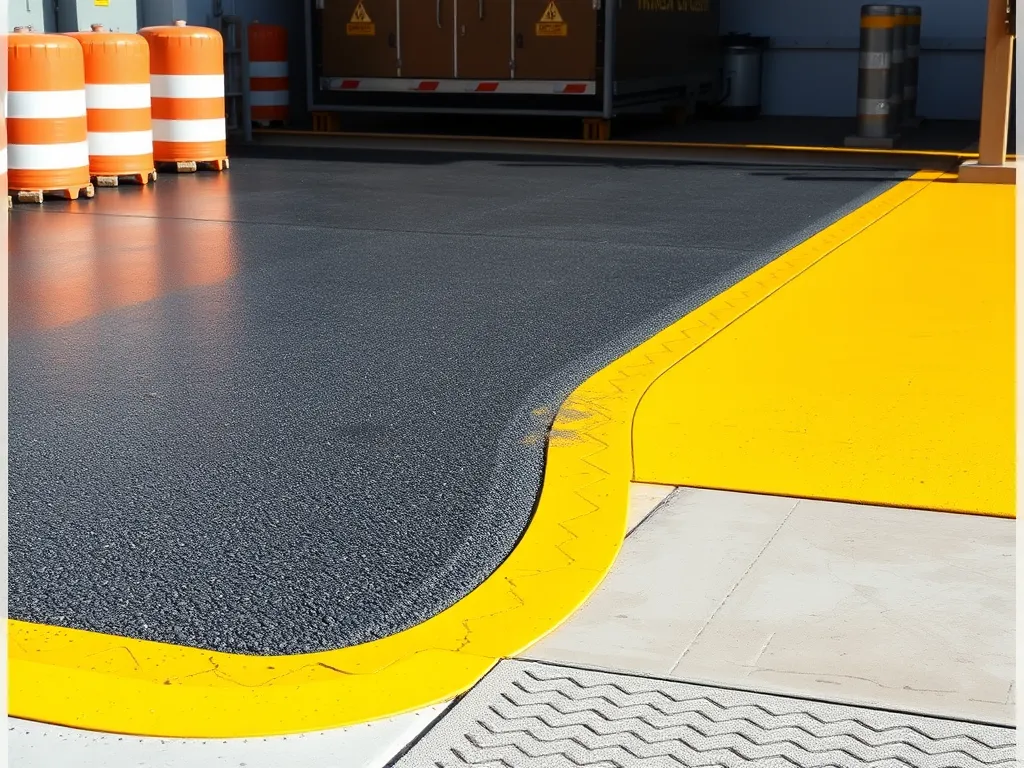
Environmental Considerations
Sealcoating plays a dual role in pavement management. While protecting asphalt surfaces, certain sealants pose environmental challenges. Selecting the right products and following local laws ensures both surface health and ecological safety.
Eco-friendly Sealcoating Alternatives
Traditional coal-tar sealants contain high levels of PAHs (polycyclic aromatic hydrocarbons) – toxic compounds linked to soil contamination and aquatic toxicity. Asphalt-based sealants cut PAH content by 90-95%, offering comparable protection with lower ecological risks. Bio-based options made from soybean oil or plant resins provide biodegradable alternatives, though they may cost 15-20% more than petroleum-based products.
| Sealant Type | PAH Content | VOC Levels | Cost per Sq Ft |
|---|---|---|---|
| Coal Tar | 50,000 ppm | 300 g/L | $0.15-$0.20 |
| Asphalt-Based | 50-100 ppm | 250 g/L | $0.18-$0.25 |
| Bio-Based | 0 ppm | 150 g/L | $0.28-$0.35 |
Regulatory Compliance Issues
Washington, Minnesota, and parts of Texas ban coal-tar sealants due to waterway contamination risks. The EPA’s SWPPP (Stormwater Pollution Prevention Plan) requires contractors to prevent sealant runoff during application. Fines for non-compliance reach $37,500 per day under the Clean Water Act. Using approved sealants not only avoids penalties but also maintains pavement permeability – a key factor in preventing subsurface water damage.
Balancing ecological responsibility with surface protection raises practical questions. Let’s address frequent concerns about sealcoat materials and best practices next.
Frequently Asked Questions
Is Asphalt Sealer Considered a Hazardous Material?
Yes, some asphalt sealers, particularly those that are coal tar-based, can be classified as hazardous due to the presence of polycyclic aromatic hydrocarbons (PAHs). These compounds can contaminate soil and waterways, leading to environmental concerns. It’s important to check the specific material safety data sheet (MSDS) for chemical products to understand their potential hazards.
How Long Should You Stay Off Sealed Asphalt?
Typically, it’s recommended to stay off newly sealed asphalt for at least 24-48 hours. This allows the sealant to cure properly and ensures that the materials bond effectively to the asphalt surface. Certain conditions such as humidity and temperature may extend this time, so it’s best to consult with the contractor or follow manufacturer guidelines for specific sealants used.
Does Sealcoating Weaken Asphalt Over Time?
Sealcoating, when applied correctly, does not weaken asphalt. However, if over-applied or improperly applied, it can create a stiff layer that may lead to premature cracking. Proper application and routine maintenance are crucial to ensure that sealcoating extends the life of asphalt rather than diminishing its integrity.
Can Sealcoating Damage Asphalt Pavement?
Yes, if sealcoating is applied incorrectly, it can cause damage to asphalt pavement. This includes issues such as trapping moisture underneath the sealant, which can lead to degradation of the underlying layers. Ensuring proper application techniques and following guidelines for surface preparation are essential for preventing any potential damage during the sealing process.
What Are the Benefits Of Using Eco-friendly Sealcoating Products?
Eco-friendly sealcoating products generally contain lower levels of harmful compounds, such as PAHs and volatile organic compounds (VOCs). These alternatives are better for the environment and pose fewer health risks. Using eco-friendly sealants can also help maintain compliance with increasingly strict regulations and contribute to sustainable construction and maintenance practices.
How Often Should Sealcoating Be Applied for Optimal Results?
For optimal results, sealcoating should be applied every 2 to 4 years, depending on the climate conditions and the amount of traffic the surface experiences. Regular applications help prevent oxidation, water infiltration, and surface wear, significantly extending the lifespan of the asphalt pavement.
What Are the Signs That Asphalt Needs Sealcoating?
Signs that asphalt may need sealcoating include the appearance of fading, brown or gray discoloration, small cracks, and surface wear. Additionally, water pooling or seeping into cracks after rain indicates that the asphalt may be losing its protective capabilities and could benefit from a sealcoating application.
Closing Thoughts
Sealcoating plays a pivotal role in maintaining asphalt health. It offers substantial benefits, such as protection from weather elements, reduced oxidation, and enhanced structural integrity. Regularly applying high-quality sealants can significantly extend the lifespan of your asphalt surfaces while also providing a polished appearance.
Yet, potential downsides exist. Risks from toxic materials and improper application can lead to more harm than good. It’s crucial to choose appropriate sealant types and ensure correct application techniques to maximize benefits.
Ultimately, informed choices about sealcoating can lead to a longer-lasting, healthier asphalt surface. For more information and resources, visit Asphalt Calculator USA.
Additional Resources for You:
- Roberts, F. L., Kandhal, P. S., Brown, E. R., Lee, D. Y., & Kennedy, T. W. (1996). Hot Mix Asphalt Materials, Mixture Design, and Construction (2nd ed.). National Asphalt Pavement Association (NAPA).
- What Is Sealcoating and Why Is it Important? MAC
- Understanding Asphalt Sealcoating in California | GPM