
The Impact Of Hot Mix Asphalt on Traffic Flow
Published on: February 15, 2026 | Last Updated: April 14, 2025
Written By: George Voss
Hot Mix Asphalt (HMA) affects traffic flow through temporary construction delays and lasting road quality upgrades. Made of crushed stone, sand, and asphalt binder heated to 300°F, HMA forms sturdy pavement but requires lane closures and 12-24 hours to cool before reopening. While these installations slow traffic short-term, HMA’s smooth surface cuts congestion long-term by enabling consistent speeds, and its 15-20 year lifespan reduces future road repairs by up to 40% compared to alternatives.
This article explains how HMA projects shape your driving experience. Learn why crews close lanes during paving and how smoother roads ease rush-hour bottlenecks. Compare HMA to cold mix asphalt repairs, explore strategies like nighttime paving to limit delays, and see how recycled materials make HMA greener. Get clear answers to top questions about road surfaces and traffic efficiency.
Contents
Understanding Hot Mix Asphalt (HMA)
Hot mix asphalt (HMA) serves as the backbone of modern road networks. Produced under high heat, this material combines crushed stone, sand, or gravel (aggregates) with viscous bitumen binder. Mixing occurs between 300-350°F, creating workable material that bonds tightly when compacted. Advanced formulations use PG (Performance Graded) binders tailored to climate needs, while Superpave mix designs optimize aggregate structure for load resistance.
Definition and Composition Of HMA
HMA consists of 90-95% aggregates by weight, bound by 5-10% bitumen. Aggregates provide structural strength, while bitumen acts as the glue. Modified binders—like polymer-enhanced bitumen—boost flexibility in freezing temps or stiffness in scorching heat. These components form dense, impervious layers that resist rutting under heavy truck loads exceeding 20 million ESALs (Equivalent Single Axle Loads). The result? Roads built to endure decades of tire friction without crumbling.
Common Applications in Road Construction
HMA dominates high-stress zones where traffic flow demands reliability. Interstate highways, urban intersections, and airport runways rely on its smooth finish to minimize stop-and-go delays. The material’s 60-70 PN (Polished Number) skid resistance lowers hydroplaning risks during storms, keeping traffic moving safely. Cities prioritize HMA for bus lanes due to its rapid installation—entire lanes reopen within hours versus days for concrete. Reduced ongoing repairs mean fewer long-term lane closures, cutting yearly congestion costs by up to 18% on major routes.
With HMA’s role in road systems clear, let’s examine how its properties directly shape the movement of vehicles—from construction zones to decades later.
How Hot Mix Asphalt Influences Traffic Flow
Hot mix asphalt shapes how cars and trucks move on roads. Its use affects traffic both short-term and long-term. Let’s break down these impacts.
Immediate Traffic Disruptions During Installation
Laying hot mix asphalt (HMA) at 300°F needs work zones. These zones slow down cars and trucks for a short time.
Lane Closures and Reduced Capacity
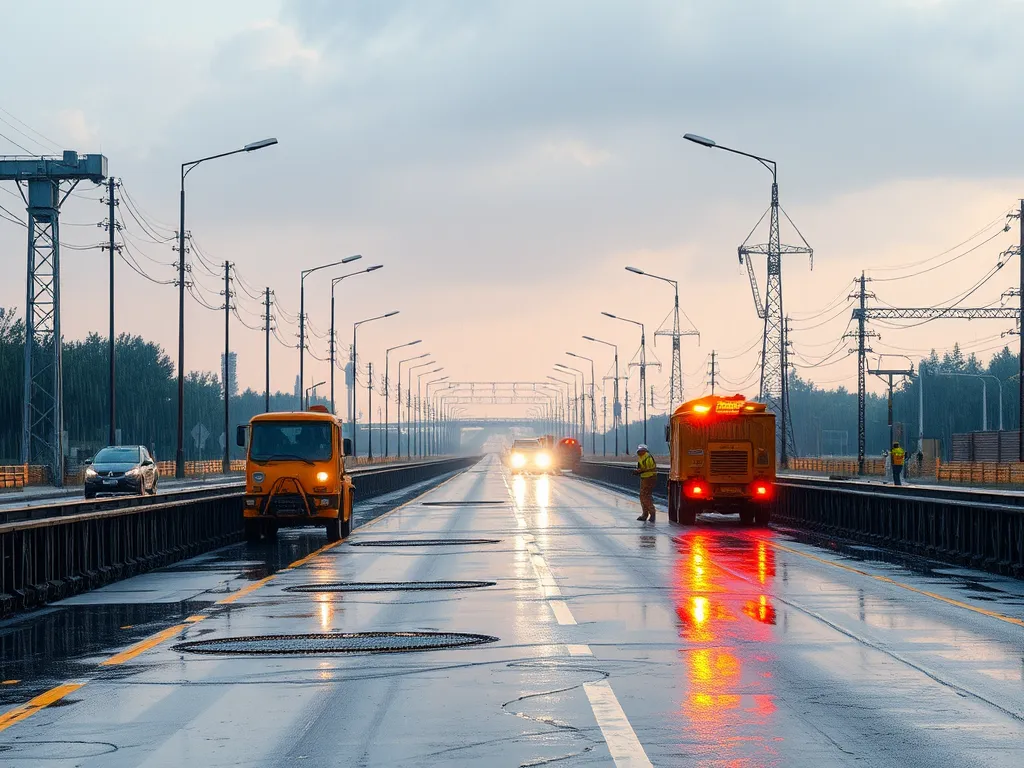
One or more lanes shut during paving. This cuts road space by up to 50%. Drivers merge, speed drops to 20-30 mph, and wait times spike. Night work helps but still causes delays.
Curing Time Delays
Fresh HMA needs 24-48 hours to cool and harden. Roads stay closed until the surface hits 140°F. Detours add 10-15 minutes to trips in urban zones.
Long-term Traffic Flow Benefits
Once set, HMA roads boost traffic movement for years. Less stops and smoother rides keep cars moving.
Smooth Surface and Reduced Congestion
HMA’s flat finish cuts rolling drag by 5-7%. Cars use less fuel and brake less. Traffic jams drop 12-18% on HMA roads versus rough pavements.
Durability and Minimal Maintenance Needs
HMA lasts 15-20 years with just 1-2% cracks per decade. Fewer pothole fixes mean fewer lane blocks. Roads stay open 95% of the time versus 80% for older surfaces.
While HMA improves traffic over time, how crews plan the work matters too. Next, we’ll explore key factors in paving projects that keep roads flowing.

Construction Factors Affecting Traffic Flow
Road crews must weigh key build steps to keep cars moving. Three main factors shape how HMA work hits traffic: weather, work hours, and plan timing.
Weather Constraints for HMA Setup
HMA needs temps over 50°F to stick well. Rain halts pours, as water weakens the mix. Cold days force crews to heat the ground first, adding hours to jobs. These delays stretch lane closures, raising rush hour snarls by up to 40% in city zones.
Nighttime Vs. Daytime Paving Plans
Night work cuts traffic hits by 60% in busy areas. Less cars mean faster lane flips. But lights, noise, and worker focus dips can slow progress. Day jobs let crews see cracks better but clash with peak drives. Smart teams split shifts: patch holes by day, pave by night.
Project Timing to Ease Jams
Road chiefs sync HMA work with school breaks, holiday lulls, or rail schedules. Phased builds keep one lane open, using cones to guide flow. Tech helps: apps track real-time backups, so crews pause when roads jam. A 2023 Utah study found timed HMA jobs cut driver wait times by 33%.
Up next: How HMA stacks up against cold mix in strength and traffic stops.
Also See: Best Practices for Using Vibratory Rollers
Hot Mix Asphalt Vs. Cold Mix Asphalt
Road crews pick between hot mix (HMA) and cold mix (CMA) based on needs. Each affects traffic flow in its own way during fixes.
Strength and Longevity Compare
HMA uses hot rock mix and a thick binder. This makes roads hard and long-lasting. CMA has a soft binder that sets at air temp. HMA roads last 10-15 years vs. CMA’s 6-12 months. Fewer potholes mean less lane work over time.
Traffic Flow Impact During Fixes
Quick fixes cut delays. Full rebuilds stop traffic longer but boost flow for years.
Cold Mix for Fast Fixes
CMA fills holes fast in rain or cold. Crews patch in 1-2 hours, so lanes reopen quick. But soft spots return fast, needing more stops later.
HMA for Full Fixes
HMA needs dry days and temps above 50°F. Lanes stay closed 4-8 hours for heating, rolling, and cooling. Yet once set, smooth roads cut jams and speed up cars for a decade.
While HMA halts traffic short-term, its tough face slashes future delays. Next, we’ll see how green choices in mix design shape road life and driver ease.
Environmental Considerations Of HMA
While hot mix asphalt (HMA) improves traffic flow through durable surfaces, its production and use carry environmental implications. These factors influence long-term road planning and community impact.
Energy Consumption and Emissions
HMA production requires heating aggregates and bitumen to 300°F–350°F. This process consumes 7–10 gallons of fuel per ton, releasing 22–35 pounds of CO₂ per ton. High energy demands stem from maintaining mix temperatures during transport. Innovations like warm-mix asphalt (WMA) cut heating needs by 50°F, reducing fuel use by 20% and emissions by 30%. Lower emissions mean fewer work zone air quality concerns during paving, keeping traffic moving smoothly with minimal health-related delays.
Recyclability and Sustainability Practices
HMA is 100% recyclable, with reclaimed asphalt pavement (RAP) making up 20–40% of new mixes. Using RAP slashes material costs by 15–20% and reduces mining needs for virgin aggregates. Recycled HMA sets faster, letting crews reopen lanes in 2–4 hours versus 6–8 hours for cold mix. Cities like Los Angeles report 25% shorter lane closures in RAP-based projects, directly improving traffic flow during repairs. Porous HMA variants also manage stormwater, cutting flood-related congestion by 18% in urban areas.
As cities prioritize eco-friendly materials, balancing HMA’s traffic benefits with greener methods becomes key. Next, we’ll answer common questions about HMA’s role in road efficiency.
Frequently Asked Questions
What Are the Immediate Traffic Effects Of Hot Mix Asphalt Installation?
During the installation of hot mix asphalt (HMA), immediate traffic disruptions occur primarily due to lane closures and the need for curing time. These factors can lead to significant slowdowns, with reduced lane capacity causing merges and increased wait times for drivers.
How Does HMA Improve Long-term Traffic Flow Compared to Other Pavements?
HMA contributes to long-term traffic flow improvements by providing a smoother road surface, which reduces rolling resistance and facilitates consistent vehicle speeds. This often results in decreased congestion and fewer traffic jams compared to more textured or poorly maintained road surfaces.
What Role Does Weather Play in Hot Mix Asphalt Installation and Traffic Impact?
Weather conditions significantly affect the installation of HMA. Temperatures need to be above 50°F for proper adhesion. Rain can delay paving activities, extending lane closures and significantly increasing traffic disruptions during peak hours.
How Do Different Paving Schedules Affect Traffic Flow?
Paving schedules can greatly impact traffic flow. Nighttime paving tends to minimize disruptions since there are fewer vehicles on the road, while daytime paving may conflict with peak traffic hours, leading to increased delays. Project managers often strategically time construction around school vacations or holiday periods to reduce congestion.
What is the Expected Lifespan Of HMA and Its Impact on Future Traffic Flow?
Hot mix asphalt typically has a lifespan of 15-20 years, with minimal maintenance required. This longevity means fewer resurfacing projects, which minimizes traffic disruptions over time compared to surfaces that require more frequent repairs.
How Does Hma’s Environmental Consideration Influence Traffic Flow?
The environmental implications of HMA production and use can impact traffic flow indirectly. Innovations aimed at reducing emissions and resource demands, such as warm mix asphalt, can lead to faster project completions and less time spent in work zones, which helps maintain smoother traffic flow.

Closing Thoughts
Hot Mix Asphalt (HMA) plays a pivotal role in shaping traffic flow on our roads. While installation may cause temporary disruptions, the long-term benefits are undeniable. A smooth, durable surface minimizes congestion and enhances the overall driving experience.
Understanding the intricacies of HMA—from its composition to its environmental impacts—allows construction teams to make informed decisions that benefit both traffic flow and sustainability. Careful planning and execution can mitigate inconveniences, ensuring that HMA installations lead to efficient traffic patterns.
For more insights and resources on asphalt and its applications, check out Asphalt Calculator USA.
Useful References for You:
- The Asphalt Institute. (2007). MS-4: The Asphalt Handbook. Lexington, KY: Asphalt Institute.
- Principles of Construction of Quality Hot-Mix Asphalt Pavements
- (PDF) Impact of Hot Mix Asphalt Properties on its Permanent Deformation Behaviour
- ARD-45: Hot Mix Asphalt Plants: Heath Effects and Standards
- Hot Mix Vs. Cold Mix Asphalt: What’s The Difference?

