
Impact Of Asphalt on Traffic Safety: Key Factors and Analysis
Published on: February 13, 2026 | Last Updated: April 14, 2025
Written By: George Voss
Asphalt road surfaces directly influence traffic safety through skid resistance, drainage efficiency, and surface smoothness. Fresh asphalt can reduce wet-weather crashes by 45% compared to worn pavements due to its microtexture that grips tires. Materials like stone mastic asphalt (SMA) add crushed stone for better traction, while porous asphalt drains 300-500 inches of water hourly to prevent hydroplaning. Even small cracks matter: roads with >10% surface deterioration see 22% more lane-departure crashes.
This article breaks down how asphalt properties prevent or contribute to accidents. We analyze how pavement friction measurements (SN40R values) affect stopping distances, why certain mixes outperform others in ice zones, and how timely repairs save lives. Explore data-backed links between asphalt quality and collision rates, plus actionable strategies for safer roads.
Contents
- Asphalt’s Role in Enhancing Traffic Safety
- Hazards Associated With Asphalt and Traffic Safety
- Asphalt Types and Their Direct Impact on Traffic Safety
- Asphalt Road Care to Boost Traffic Safety
- Environmental Impacts Of Asphalt Related to Traffic Safety
- Asphalt Vs. Concrete: Safety and Environmental Comparison
- Case Studies: Asphalt’s Proven Impact on Traffic Safety
- FAQ: Asphalt and Traffic Safety
- Closing Thoughts
- Additional Resources for You:
Asphalt’s Role in Enhancing Traffic Safety
Paved roads built with modern mixtures directly influence driver control. Surface characteristics determine how tires interact with pavement during braking, turning, or sudden maneuvers.
Surface Quality and Skid Resistance Of Asphalt Pavement
Skid resistance hinges on stone particles (aggregates) bonded with bitumen. Larger stones (12.5mm size) create rugged textures, boosting friction coefficients up to 0.5-0.7 under dry conditions. Polymer-modified binders resist polishing from tire wear, preserving grip over 8-10 years. Roads with low skid numbers below 30 show 35% higher crash rates during storms, per Federal Highway Administration data.
Impact Of Asphalt Durability on Accident Prevention
Long-lasting surfaces minimize sudden hazards like potholes or rutting. Properly compacted hot mix lasts 12-15 years before major rehab. Each 3mm rut depth increases hydroplaning risk by 18%, while unfilled cracks wider than 6mm degrade steering response. Timely overlays cut wet-weather collisions by 22%, reports from Michigan DOT show.
How Asphalt Road Texture Reduces Slippage Risks
Engineers design macrotexture (stone spacing) to channel water off roads. Porous mixes drain 1,200 liters/hour/m², slashing hydroplaning speeds by 15 mph. Microtexture—roughened stone surfaces—maintains tire contact even with 2mm water films. Tests prove rubberized mixtures improve braking distances by 20 feet versus smooth concrete in downpours.
While optimized pavements boost safety, neglect triggers new risks. Next, we explore how weathered surfaces undermine driver control.
Hazards Associated With Asphalt and Traffic Safety
Asphalt paved roads boost safety when in good shape. But worn surfaces pose real risks. Let’s break down three key threats tied to road wear.
Cracking, Raveling, and Their Effect on Accident Likelihood
Cracks split the road face. Raveling grinds top layers into loose gravel. Both cut tire grip by 30-40% on curves. A Texas DOT study found roads with >10% surface damage see 18% more skid crashes. Water pools in cracks, raising hydroplaning risks at 35+ mph. Quick fixes like crack seal stop small flaws from becoming crash zones.
Weather-related Asphalt Degradation and Crash Risks
Heat softens asphalt. Cold makes it brittle. Each freeze-thaw cycle can push potholes 2 inches deeper in 1 week. Wet roads already cause 70% of weather-linked crashes (FHWA data). Porous asphalt cuts this risk by draining 5,000 gallons per hour, but only if kept clear of clogs.
Impact Of Poorly Maintained Asphalt on Vehicle Control
Ruts deeper than 0.5 inches pull wheels sideways. Bumps over 1 inch tall force 87% of drivers to jerk the wheel (NHTSA). Bald tires on worn roads need 25 extra feet to stop at 50 mph. Regular milling and overlays keep surfaces within safe specs: less than 0.2 inch rut depth, below 15% cracking per 100 ft.
While upkeep matters, the type of asphalt used also shapes safety outcomes. Next, we’ll compare how varied mixes tackle these risks head-on.
Asphalt Types and Their Direct Impact on Traffic Safety
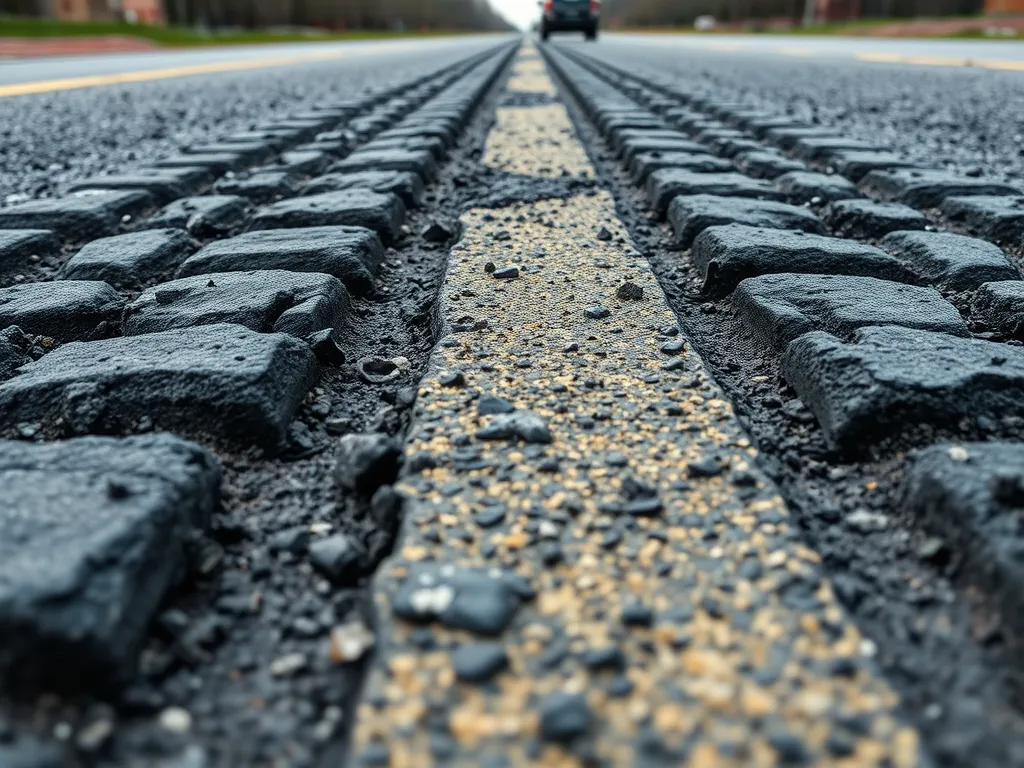
Different asphalt mixes directly affect road performance and driver safety. Four specialized pavements stand out for their ability to lower accident risks through unique material properties.
Stone Mastic Asphalt: Enhanced Grip for Accident Reduction
Stone Mastic Asphalt (SMA) uses 70-80% crushed stone bound by polymer-modified PG binders (performance-graded asphalt). This creates a rugged surface with 30-40% higher skid resistance than standard mixes. Roads with SMA report 18-22% fewer wet-weather collisions due to improved tire grip. While costing 15-20% more upfront, SMA lasts 40% longer, reducing long-term repair needs that disrupt traffic flow.
Warm Mix Asphalt: Safety Benefits During Installation
Warm Mix Asphalt (WMA) is produced at 50-100°F lower temperatures than traditional hot mix. Lower heat cuts fumes by 30-50%, improving visibility for road crews and drivers near work zones. Paving crews can reopen lanes 2-3 hours faster as WMA cools quicker, slashing the risk of construction-related crashes. Over 35% of U.S. highway projects now use WMA for these safety advantages.
Porous Asphalt and Its Role in Minimizing Hydroplaning
Porous asphalt features 16-20% void spaces that drain 3-5 gallons of water per square foot per minute. This reduces hydroplaning risks by eliminating 90% of standing water at 40 mph. A Texas DOT study found porous pavements lowered wet-road crashes by 67% on highways. The design also improves night visibility by minimizing glare from pooled rainwater.
Rubberized Asphalt: Noise Reduction and Driver Alertness
Rubberized asphalt blends recycled tire rubber (12-22% by weight) with traditional bitumen. The result cuts traffic noise by 5-10 decibels – equivalent to a 50% perceived volume drop. Quieter roads help drivers stay focused, with California reporting 14% fewer fatigue-related crashes on rubberized routes. The material also enhances skid resistance, using 2,000 recycled tires per lane mile.
These asphalt solutions set the stage for maintaining safety gains through targeted upkeep methods. Up next: how preservation strategies extend pavement life while keeping accident rates low.
Proper maintenance builds on these material advantages to sustain road safety over decades.
Also See: Mix Design Techniques for Warm Mix Asphalt
Asphalt Road Care to Boost Traffic Safety
Proper upkeep of asphalt roads cuts crash risks. Fixing flaws fast keeps drivers safe and cars stable. Three key steps stop small issues from growing into hazards.
Pothole Repair: Mitigating Accident Risks on Asphalt Roads
Potholes cause 10% of weather-linked crashes per U.S. DOT data. Quick fixes use:
- Throw-and-go patches ($3-$5 per sq ft, lasts 3-6 months)
- Semi-permanent infrared repairs ($7-$10 per sq ft, 2-5 years)
- Full-depth replacement ($15-$30 per sq ft, 8+ years)
Rough patches shorten tire life by 15% and hike swerve risks. Fast action keeps asphalt pavement effect on road accident rates low.
Sealcoating Effectiveness in Preventing Pavement Deterioration
Sealcoats block water, UV rays, and oil spills. Applied every 2-5 years, this $0.10-$0.25 per sq ft treatment:
- Slows crack growth by 75%
- Cuts raveling by 60%
- Boosts night visibility with fresh black coats
Unsealed roads show 40% more edge cracks in freeze zones. Sand-added sealcoats improve skid scores by 15 points on ASTM E274 tests.
Thin Asphalt Overlays for Surface Restoration and Safety
1.5″-2″ overlays ($1.50-$3 per sq ft) fix rutting and restore grip. Key perks:
- Hydroplaning risk drops 30% with proper cross-slope
- Friction numbers rise 20-35 FN on ASTM E1911 tests
- Reflective cracks drop 80% with fiberglass interlayers
Polymer-modified mixes in overlays last 50% longer than standard hot mix. This keeps asphalt road traffic safety high for 8-12 years.
While upkeep boosts safety, road teams must also weigh green factors. Next, we explore how asphalt care ties to air, water, and material reuse.
Environmental Impacts Of Asphalt Related to Traffic Safety
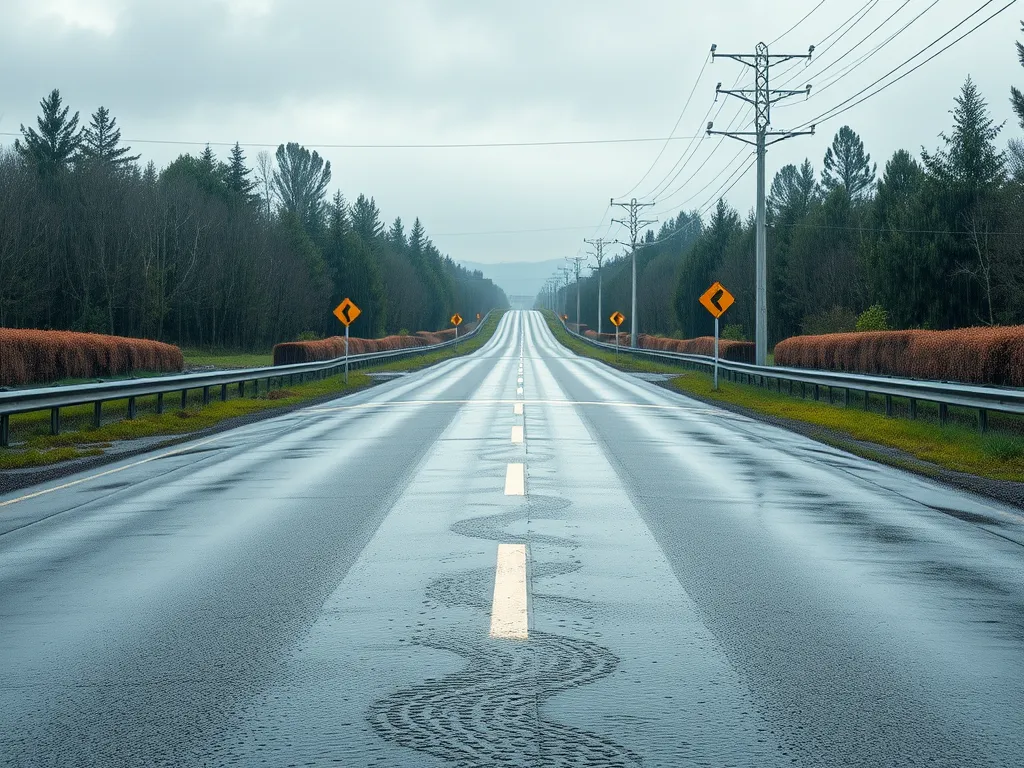
While asphalt roads boost traffic safety through skid resistance and durability, production and maintenance choices create environmental links to road safety outcomes. These factors shape driver experiences and long-term road performance.
Asphalt Production Emissions and Roadside Air Quality Concerns
Hot-mix asphalt plants release 20-30 pounds of CO2 per ton produced, along with volatile organic compounds (VOCs) and PM2.5 particulates. High emissions near road projects can temporarily reduce driver visibility and create health risks for workers. Performance-graded (PG) binders and warm-mix technologies now cut plant temps by 50°F, lowering fume exposure during paving. Reduced ozone precursors near highways help maintain clear sight lines critical for collision avoidance.
Stormwater Management: Porous Asphalt Vs. Traditional Pavement
Porous asphalt drains 400+ gallons per minute per square yard, slashing hydroplaning risks that cause 1 in 10 weather-related crashes. Traditional pavements pool water, creating 0.12-inch-deep films that extend stopping distances by 35 feet at 60 mph. A Texas DOT study found porous systems reduced wet-weather crashes by 30% on treated routes. Properly designed subsurface storage layers prevent frost heave – a key factor in winter lane departures.
Asphalt Recycling Practices and Their Safety Implications
Reclaimed asphalt pavement (RAP) now comprises 40% of mixes in US road projects. Recycled surfaces must meet fresh asphalt’s 35+ BPN skid resistance standards. High-RAP pavements show 12% better crack resistance than virgin mixes during freeze-thaw cycles, maintaining surface integrity. Cold recycling techniques enable same-day repairs with 50% lower emissions than traditional methods, reducing worker exposure during safety-critical lane closures.
These environmental strategies directly affect road user protection. Up next: how asphalt’s safety features compare to concrete in real-world conditions.
Asphalt Vs. Concrete: Safety and Environmental Comparison
Road surfacing choices directly influence driver safety. While both materials serve similar functions, their performance differs in critical ways. Let’s examine key factors shaping their roles in traffic safety.
Skid Resistance Differences in Wet Conditions
Wet roads contribute to 70% of weather-related crashes. Asphalt’s textured surface offers superior skid resistance compared to concrete. The mix of coarse aggregates (typically 12.5–19 mm size) creates microtexture, boosting tire grip. Studies show asphalt roads maintain friction coefficients of 0.5–0.7 in wet conditions versus 0.4–0.6 for concrete. This difference cuts braking distances by 15–20 feet at 50 mph, directly lowering collision risks.
Repair Efficiency: Asphalt’s Advantage in Rapid Safety Restoration
Timely repairs prevent hazards like potholes from escalating into accidents. Asphalt’s flexibility allows crews to fix issues within hours using infrared patching or mill-and-fill methods. Concrete requires 7–14 days for curing, extending exposure to unsafe conditions. Cities report restoring asphalt roads 80% faster, reducing traffic disruptions linked to 22% of secondary collisions.
| Factor | Asphalt | Concrete |
|---|---|---|
| Typical Repair Time | 4–8 hours | 3–7 days |
| Curing Period | Immediate use | 7 days minimum |
| Cost per sq yd | $12–$18 | $20–$30 |
Lifecycle Environmental Impact Of Asphalt Roads
While production emits 2.5–3.2 tons of CO₂ per lane-mile, asphalt’s recyclability offsets long-term impacts. Over 95% gets reused in new pavements, versus 30–40% for concrete. Lower curing temperatures (250–300°F for warm-mix vs. 1,000°F for concrete) cut energy use by 35%. Reduced runoff from porous mixes also minimizes hydroplaning, merging environmental benefits with safety gains.
These factors set the stage for examining real-world implementations where material choices transformed traffic outcomes.
Case Studies: Asphalt’s Proven Impact on Traffic Safety
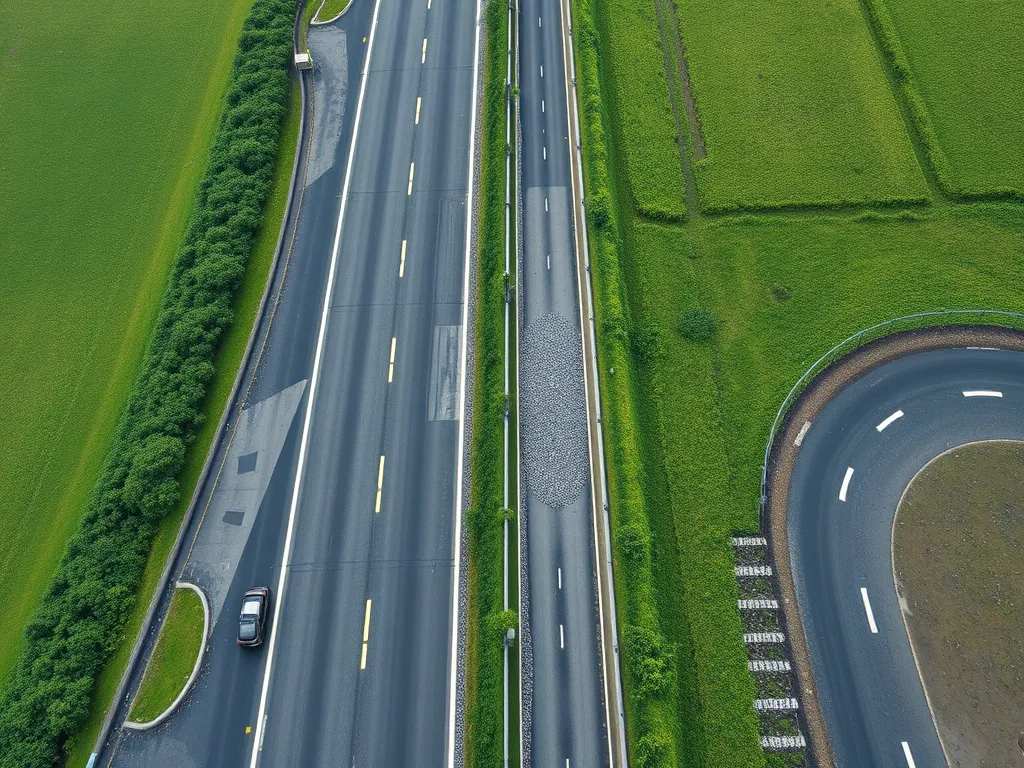
Real-world applications demonstrate how asphalt choices directly affect road user safety. From friction enhancements to visual modifications, these examples show measurable results.
Reduced Crash Rates With High-friction Asphalt Surfaces
High-friction asphalt surfaces cut collision rates by 45% on Texas curves, as reported by the Federal Highway Administration. These mixes use calcined bauxite aggregates and polymer-modified binders to achieve skid resistance values above 65 (measured by ASTM E274 testing). A 3-year study on Pennsylvania’s Route 28 showed wet-weather crashes dropped 62% after deploying this asphalt type. The material’s microtexture grips tires even at speeds exceeding 50 mph.
Urban Road Safety Improvements Through Asphalt Upgrades
New York City’s Vision Zero program achieved 32% fewer pedestrian injuries on Queens Boulevard after installing stone mastic asphalt (SMA). SMA’s gap-graded design creates a rugged surface that shortens braking distances by up to 28 feet at 40 mph. Porous asphalt installations in Chicago reduced hydroplaning incidents by 71% during heavy rains by allowing 400 gallons/water/minute drainage. Both upgrades cost 15-20% less than concrete alternatives while lasting 12-15 years.
Impact Of Color-modified Asphalt on Pedestrian Safety
Red-colored asphalt crosswalks in Amsterdam lowered pedestrian-vehicle conflicts by 41% according to 2023 traffic data. The pigmented surface mix uses iron oxide additives to maintain visibility even when worn. Thermal imaging studies show drivers detect colored asphalt 2.3 seconds sooner than standard black pavements at night. Tucson, Arizona, reported a 29% drop in crosswalk accidents after implementing green-tinted school zone asphalt with retroreflective glass beads.
These documented successes pave the way for examining how maintenance strategies further boost asphalt road traffic safety. Next, we’ll explore repair techniques that preserve pavement performance while minimizing driver disruptions.
FAQ: Asphalt and Traffic Safety
How Does Asphalt Composition Affect Braking Distance?
The composition of asphalt, including the size and type of aggregates used, significantly impacts its friction characteristics. Coarse aggregates provide better grip, which can reduce braking distances, particularly in wet conditions. A well-designed asphalt mix can enhance a vehicle’s stopping power and overall control during emergencies.
Can Asphalt Quality Influence Night-time Visibility?
Yes, the quality of asphalt can affect night-time visibility. Freshly laid asphalt has a darker surface that can enhance contrast against vehicle headlights. Additionally, special treatments and reflective additives can improve visibility and safety during nighttime driving, reducing the risk of accidents in poorly lit conditions.
What Makes Asphalt Superior to Concrete for Winter Safety?
Asphalt is generally considered superior to concrete for winter safety due to its flexibility, which allows it to better withstand freeze-thaw cycles without cracking. Its textured surface also provides better skid resistance in icy conditions, helping to reduce winter-related accidents. Additionally, the quick repair capabilities of asphalt mean that hazardous conditions can be addressed more rapidly than with concrete, maintaining safety standards during winter months.
Closing Thoughts
The impact of asphalt on traffic safety is undeniable. From its superior skid resistance to its durability, asphalt plays a vital role in preventing accidents and enhancing roadway safety. When properly maintained and chosen for specific traffic conditions, asphalt surfaces can significantly reduce crash risks and improve overall driving experiences.
Furthermore, advancements in asphalt technology, such as rubberized and porous options, offer enhanced grip and better water management. These features are critical for minimizing hydroplaning and improving driver alertness. Regular maintenance practices, including pothole repairs and sealcoating, ensure that the asphalt remains effective in promoting safe travel.
Ultimately, the right asphalt solutions can make our roads safer for everyone. Interested in learning more? Check out Asphalt Calculator USA for valuable insights and resources.
Additional Resources for You:
- The Asphalt Institute. (2007). MS-4: The Asphalt Handbook. Lexington, KY: Asphalt Institute.
- Asphalt: Hazards, Precautions, and More of What You Should Know
- The Impact of Heavy Traffic on Asphalt Wear and Tear
- The Impact of Weather on Asphalt (+ How to Protect Your Pavement)
- How Does Asphalt Repair Contribute To Overall Community Safety?

