How to Fix Asphalt Paver Problems Before They Cost You Time and Money
Published on: February 10, 2026 | Last Updated: April 14, 2025
Written By: George Voss
Troubleshooting paver machine issues involves identifying, diagnosing, and fixing problems during asphalt placement. Common issues include uneven material flow from hoppers, hydraulic system leaks, or screed defects causing surface irregularities. Quick diagnosis requires checking conveyor belts for blockages, testing hydraulic pressure (typically 1,500-2,500 psi), and inspecting screed heaters for consistent temperatures (250-300°F). Operators use tools like infrared thermometers and pressure gauges to pinpoint failures in real time.
This guide covers material feed fixes, hydraulic repairs, and screed adjustments for smooth asphalt layers. You’ll learn step-by-step checks for segregation patterns, track slippage solutions, and preventive maintenance for components like augers and control panels. We’ll also explain how operating speeds (3-16 feet per minute) impact mat quality and why daily cleaning prevents 70% of common failures.
Contents
- Understanding Asphalt Paver Machine Operations
- Common Asphalt Paver Machine Problems
- Step-by-step Paver Machine Troubleshooting
- Solutions for Critical Asphalt Paver Failures
- Preventive Maintenance for Asphalt Pavers
- Environmental Factors in Paver Longevity
- FAQ: Asphalt Paver Troubleshooting
- Closing Thoughts
- Additional Resources for You:
Understanding Asphalt Paver Machine Operations
To fix paver machine issues, know how these tools work. Grasp core parts and their roles in layering hot asphalt mix.
How an Asphalt Paver Machine Works
A paver spreads hot asphalt mix on roads. It uses tracks or wheels to move. Trucks feed mix into the hopper. The machine then layers and shapes the mix.
Key Parts for Asphalt Layering
- Hopper: Holds asphalt mix from trucks
- Conveyor: Moves mix to the augers
- Augers: Spiral blades spread mix side to side
- Screed: Levels and compacts the mat
Role of the Conveyor System and Augers
The conveyor moves mix at 50-75 tons per hour. Slow speed? Check for worn belts or stuck gears. Augers turn at 10-30 RPM. Uneven spin causes gaps or lumps in the mat.
Function Of the Asphalt Paver Screed
The screed shapes the asphalt layer. It floats on the mix, using weight to compact it. A faulty screed leads to bumps or weak spots.
Screed Heating and Compaction for Asphalt Surfaces
Screeds heat to 250-300°F. Cold screeds stick to mix, tearing the surface. Check propane lines or electric coils if heat drops. Poor heat causes 30% more cracks in cold weather.
Typical Operating Speed Of Asphalt Pavers
Pavers work best at 10-20 feet per minute. Too fast? The augers can’t spread mix well, leaving thin spots. Too slow? Mix cools before rolling, causing weak bonds. Track slip or engine faults often cause speed shifts.
With this base knowledge, spotting common paver problems becomes more straightforward.
Common Asphalt Paver Machine Problems
Paver machine issues disrupt paving efficiency and mat quality. Let’s examine frequent failures requiring immediate troubleshooting.
Material Feed Issues in Asphalt Pavers
Material feed problems account for 40% of paving delays. Irregular flow creates gaps or pile-ups in the asphalt mat.
Hopper Blockages or Irregular Material Flow
Cold spots in the hopper (below 275°F) cause material clumping. Check auger RPMs – below 12 rpm risks bridging. Clear debris from slat conveyors daily. Replace worn chain links exceeding 3% stretch to prevent slippage.
| Symptom | Solution |
|---|---|
| Material “bridging” in hopper | Increase auger speed to 15-18 rpm |
| Intermittent feed | Inspect conveyor chain tension (1-1.5″ deflection) |
Screed-related Defects in Asphalt Laying
The screed determines 90% of mat quality. Temperature inconsistencies or mechanical wear create surface flaws.
Uneven Mat Thickness or Surface Irregularities
Check screed heaters – maintain 250-300°F for proper compaction. Worn strike-off plates exceeding 1/8″ gap cause thickness variances. Calbrate crown controls weekly; 1/4″ deviation per 12″ width requires adjustment.
Hydraulic System Failures Impacting Asphalt Placement
Hydraulic issues manifest as erratic screed lifts or track movement. Test pump pressure: below 2000 psi reduces paving speed. Contaminated fluid (ISO cleanliness >18/16/13) damages 70% of hydraulic components. Replace filters every 500 hours.
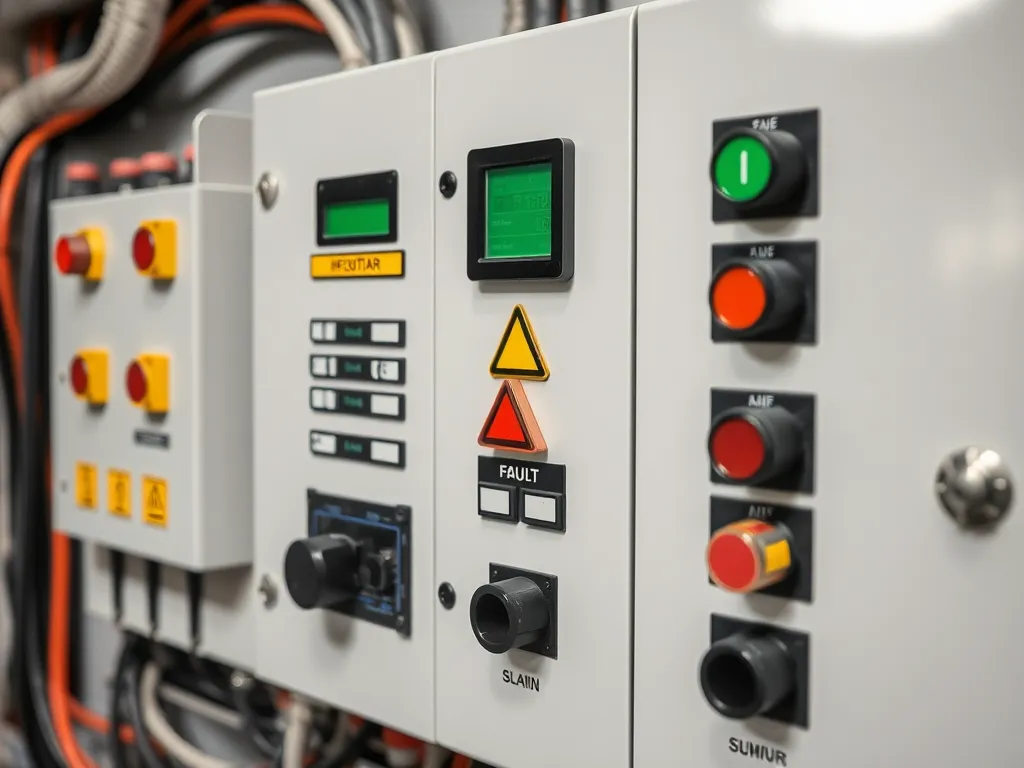
Electrical/control Panel Malfunctions
Faulty sensors or wiring cause 22% of paver downtime. Diagnose error codes like E214 (auger sensor fault) using the service manual. Test voltage at control modules – readings below 11.5V trigger system resets. Clean infrared grade sensors every shift to prevent signal loss.
Spotting these paver machine problems early prevents costly repairs. Next, we’ll break down systematic troubleshooting methods for each failure type.
Step-by-step Paver Machine Troubleshooting
Spotting paver machine issues starts with systematic analysis. Focus on mat quality, hydraulic functions, and track stability to avoid costly downtime.
Diagnosing Asphalt Mat Quality Issues
Mat defects often signal paver problems. Look for color shifts, surface cracks, or inconsistent texture. Confirm material temps stay within 275-325°F to avoid premature cooling.
Segregation or Poor Compaction Patterns
Aggregate separation (segregation) shows as rocky patches or voids. Check auger speed matches paver velocity—too fast causes material rollback. Poor compaction below 92% density? Inspect screed vibrators for worn bearings or irregular frequencies. Adjust mix delivery to maintain head of material at augers.
Checking Hydraulic Pressure for Asphalt Paver Functions
Hydraulic faults disrupt paving continuity. Use a digital gauge to test pump output during high load. Most pavers run 1500-2500 psi; drops below 80% of spec indicate worn pumps or valve blockages. Monitor oil temps—systems over 180°F risk viscosity loss. Flush filters if particles larger than 10 microns clog lines.
Resolving Track/slip Issues During Paving
Track slippage above 5% causes misalignment. Confirm ground contact pressure stays at 14-18 psi for soil stability. Clean sprockets if debris limits movement. For pavers with rubber tracks, check for cuts deeper than 0.25 inches affecting traction.
Alignment Problems on Asphalt Surfaces
Crooked mat edges point to track misalignment. Use a laser level to confirm both tracks sit parallel within 1/8 inch variance per 10 feet. Adjust final drive chains if tension differs by more than 0.5 inches between sides. Lubricate pivot points weekly with NLGI #2 grease to avoid binding.
Sharp analysis of thеsе arеas prеparеs crews for tackling critical failurеs. Up next: solutions to kееp pavеrs running through tight dеadlinеs.
Also See: How to Prevent Weeds in Asphalt Cracks: Fast Tips
Solutions for Critical Asphalt Paver Failures
Fix common paver problems fast with these field-tested methods. Act quick to cut downtime and keep jobs on track.
Fixing Screed Temperature Fluctuations
Cold spots in the screed cause poor mat finish. Check propane tanks first – low fuel causes 43% of heat issues. Clean blocked burner ports with wire brushes. Test thermocouples: replace if readings swing over ±15°F from set points. For electric screeds, inspect coil gaps – adjust to 1/8″ spacing for even heat spread. Keep screed plates at 275-325°F for best compaction.
Repairing Auger Drive Mechanisms
Stalled augers halt material flow. Check chain tension – 1″ play at mid-span is ideal. Worn sprockets skip teeth: measure root diameter. Replace if under 4.7″ for standard #60 chains. Gearbox oil must meet ISO 220 specs – milky fluid signals water damage. For motor fails, test amp draw: 25-32A is normal under load. Over 38A means worn bearings.
Addressing Hydraulic Leaks or Low Flow Rates
Hydraulic faults account for 61% of paver shutdowns. Spot leaks by tracing oil trails. Low flow? Check pump couplers – replace sheared keys. Test relief valves: reset if pressure drops 300 PSI below spec. Use ISO 46 oil only – wrong grades cause valve chatter. Clean suction filters every 50 hours to prevent cavitation.
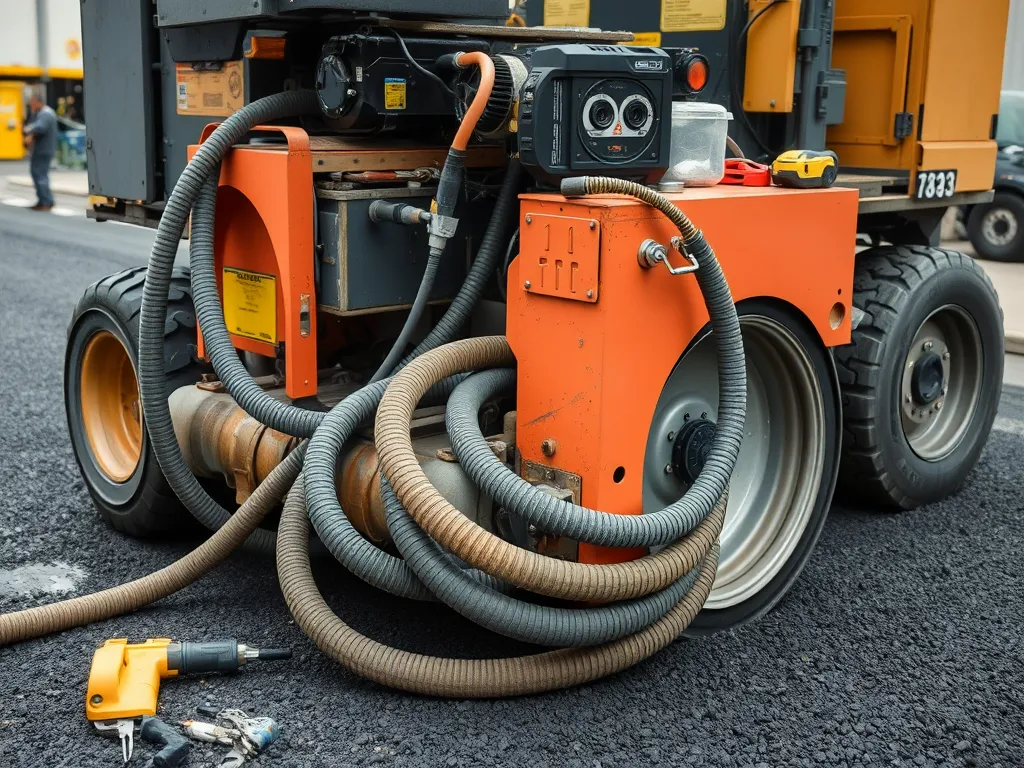
Replacing Damaged Hoses in Asphalt Pavers
Burst hoses spray hot oil (160°F+). Shut off engine and relieve pressure first. Match hose specs: 3/4″ lines handle 22 GPM flow. Use two wrenches to avoid twisting fittings. Apply thread sealant to JIC connections. Pressure test at 3000 PSI for 10 minutes – no drops allowed. Wear gloves and eye gear during repairs.
Regular checks prevent most paver machine issues. Next, learn how daily care keeps your gear running smooth.
Preventive Maintenance for Asphalt Pavers
Regular upkeep keeps paver machine issues at bay. A structured plan minimizes downtime and extends equipment life by 30-40%. Focus on critical systems like material feed mechanisms, screed units, and hydraulic circuits.
Daily Inspection Checklist for Asphalt Paving
Operators should spend 15-20 minutes pre-shift verifying key functions. Check hydraulic fluid levels (ISO VG 46 recommended), conveyor chain tension (1/2″ deflection max), and track pressure (35-45 psi). Look for worn auger teeth exceeding 25% wear limits.
Cleaning Hopper and Conveyor Systems
Residual asphalt hardens fast below 250°F. Use propane torches or asphalt release agents to clear buildup on flight bars and slat conveyors. Blast conveyor tunnels weekly with 3,000 PSI steam cleaners. Blockages here cause 60% of material feed failures during paving machine troubleshooting.
Scheduled Maintenance for Screed Components
Every 200 operating hours, inspect screed plates for warping beyond 1/8″ tolerance. Replace crown adjusters showing >0.04″ play. Test vibrator frequency with laser tachometers—target 2,500-3,000 VPM for optimal compaction. Worn components double the risk of surface irregularities.
Lubricating Heating Elements
Apply high-temp nickel antiseize (rated to 2,400°F) to screed burner threads weekly. Grease expansion joints every 50 hours using NLGI #2 lithium complex. Poor lubrication causes 15% heat zone failures, leading to mat temperature drops below 275°F.
Proactive care reduces paver repair costs by $120-$180 per operating hour. Next, explore how environmental factors accelerate wear when residue meets weather extremes.
Environmental Factors in Paver Longevity
Heat, dust, and asphalt residue impact how your paver works. These factors cause wear, clogs, or part failures if not managed.
Handling Sticky Asphalt Buildup
Residue on augers, conveyors, or screeds leads to paver problems like uneven mat layers. Clean parts after each shift using heat or scrapers. Check belt tension weekly—over 15 psi may speed buildup. Store machines in shaded zones to stop mix from baking onto surfaces.
| Problem Area | Cleaning Tool | Frequency |
|---|---|---|
| Conveyor | Steel brush | Daily |
| Screed Plate | Scraper + Diesel | Every 2 loads |
| Hopper | Pressure washer | Post-job |
Use low-sulfur diesel to cut toxic fumes.
Green Cleaning Methods
Harsh cleaners harm seals and soil. Try citrus-based degreasers or baking soda blends for conveyor belts. Recycle wash water with settling tanks—90% of particles drop in 4 hours. For screeds, infrared heaters melt residue without chemicals.
Proper care cuts paver repair needs by 30% and keeps sites EPA-compliant. Next, learn how daily checks spot small faults before they halt your job.
FAQ: Asphalt Paver Troubleshooting
How Does an Asphalt Paver Screed Ensure Smooth Surfaces?
The screed plays a vital role in shaping and leveling the asphalt mat. By applying heat and pressure, it compacts the asphalt to ensure a uniform thickness and smooth finish. Regular checks of screed temperature and functionality are essential to prevent surface defects.
What Speed Maximizes Asphalt Placement Quality?
The optimal speed for asphalt placement typically ranges from 10 to 20 feet per minute. If the speed is too fast or too slow, it can lead to issues like uneven thickness or inadequate bonding of the asphalt layers.
Why Does My Paver Leave Segregated Material?
Segregation occurs when the aggregate within the asphalt mix separates, often due to high auger speeds or poor material flow. This can lead to rocky patches or voids in the surface. Maintaining proper auger speed and ensuring consistent material feed can help mitigate this issue.
Closing Thoughts
Successfully troubleshooting paver machine issues ensures high-quality asphalt paving. Implementing regular maintenance and checks can prevent most common problems. Familiarize yourself with your machine’s components and their functions for effective diagnostics. Whether it’s addressing hydraulic failures or ensuring proper screed performance, swift action can save time and costs. Remember, operator training plays a vital role in maintaining equipment efficiency.
For more in-depth information and resources on asphalt paving, check out Asphalt Calculator USA. Keep your projects running smoothly!
Additional Resources for You:
- The Asphalt Institute. (2007). MS-4: The Asphalt Handbook. Lexington, KY: Asphalt Institute.
- Paver Patios Troubleshooting
- 5 Steps to Troubleshooting That Will Fix Just About Anything