How to Repair Cracks and Holes in Asphalt Driveways
Published on: February 10, 2026 | Last Updated: April 14, 2025
Written By: George Voss
Repair cracks and holes in asphalt driveways by filling them with rubberized crack sealant or cold patch asphalt using tools like wire brushes, caulk guns, and hand tampers. Small cracks under ¼ inch wide need liquid filler, while holes deeper than 2 inches require compacted asphalt patches. Immediate repairs prevent water damage and extend pavement life by 3-5 years.
This guide shows exactly how to fix asphalt damage yourself. We’ll break down crack types, material choices (like cold mix vs hot mix), and step-by-step methods for both minor cracks and large potholes. Learn which repairs cost $10-$50 DIY versus $300+ for professional fixes, plus maintenance tips to avoid future issues.
Contents
- Assessing Driveway Damage
- Tools and Materials for Asphalt Driveway Repair
- Step-by-step Asphalt Crack Repair
- Repairing Potholes in Asphalt Driveways
- Preventive Asphalt Driveway Maintenance
- DIY Vs Professional Asphalt Repairs
- Environmental Considerations for Asphalt Repair
- FAQs: Repairing Asphalt Driveway Cracks and Holes
- Closing Thoughts
- Additional Resources for You:
Assessing Driveway Damage
Identifying specific issues early prevents minor problems from becoming costly repairs. Start by walking the surface under good lighting. Look for variations in texture, pooling water, or visible gaps.
Types Of Surface Damage
Three primary defects require different repair strategies. Each signals distinct underlying issues.
Surface Cracks
Thin lines under 1/4″ wide form due to UV exposure or temperature shifts. These cosmetic flaws rarely impact structure but let moisture seep in. Use flexible sealants like rubberized emulsion for how to fill driveway cracks under 1/2″.
Alligator Cracks
Interconnected web-like patterns signal compromised base layers. Often caused by heavy vehicles or eroded subsoil. Sections with alligatoring exceeding 2 sq.ft. typically need removal and patching rather than simple filling.
Potholes and Structural Gaps
Bowl-shaped depressions deeper than 2″ result from expanding ice or trapped water. Unrepaired potholes grow rapidly—fix within 48 hours using cold mix for holes under 4″ wide. Larger voids might require hot mix layered in lifts.
Determining Repair Severity
Not all damage demands the same solution. Match methods to the issue’s scope.
Minor vs. Major Cracks
Hairline fractures under 1/2″ wide qualify as minor. Clean with wire brushes, then apply pourable fillers. Major splits exceeding 1″ depth or width suggest base failure. Excavate 3-4″ down, compact gravel, then overlay with fresh mix.
When to Consider Replacement
If over 25% of the surface shows alligatoring or multiple potholes recur yearly, resurfacing might cost more than full-depth reclamation. Replacement runs $3-$7 per sq.ft., while crack filling costs $0.10-$1 per linear foot.
Once you’ve pinpointed the damage type and severity, focus shifts to selecting the right tools for lasting results.
Tools and Materials for Asphalt Driveway Repair
Selecting proper tools determines repair longevity. Quality materials prevent future damage while saving time. Focus on products designed for residential use with temperature ratings matching your climate.
Essential Asphalt Repair Supplies
Stock your toolkit with crack fillers, patching compounds, and compaction equipment. Include cleaning tools like stiff brooms, leaf blowers, or pressure washers under 1500 PSI. Measure crack widths to choose suitable products.
Asphalt Crack Filler and Rubberized Emulsion
Use pourable crack filler for gaps under ½ inch. Opt for rubberized emulsion on wider cracks needing flexibility. Products like Latex-ite or Red Devil withstand freeze-thaw cycles better than standard fillers. Sealants with 65% solids content offer superior bonding.
Cold Patch vs. Hot Mix Asphalt
Cold mix works for holes up to 6 inches deep without heating. Ideal for temps below 50°F. Hot mix requires heating to 300°F but bonds tighter for high-traffic zones. Purchase hot mix in bulk from local plants for large repairs exceeding 10 sq ft.
Compaction Tools and Safety Gear
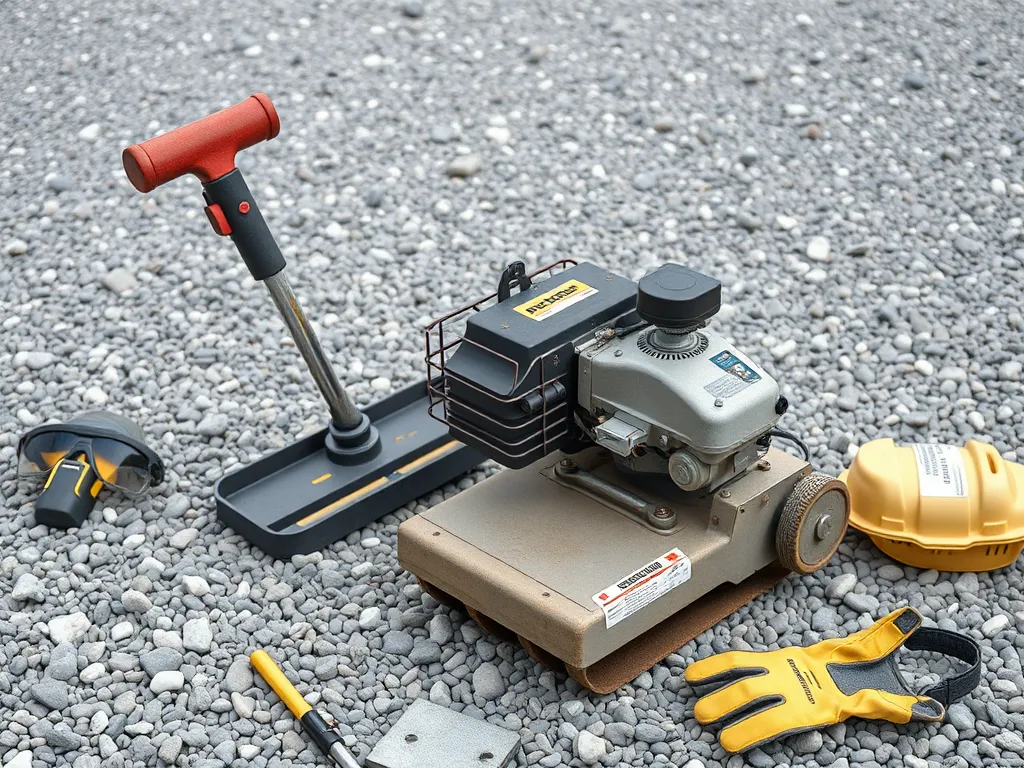
Compact patches using hand tampers (under 15 lbs) or plate compactors (over 90 lbs force). Wear nitrile gloves meeting ANSI standards and wraparound goggles. Use N95 masks when cutting or grinding to avoid inhaling silica dust.
Proper tool selection sets the stage for effective repairs. Next, let’s break down the process of restoring your driveway’s smooth surface.
Step-by-step Asphalt Crack Repair
Fix asphalt cracks fast with the right tools and steps. Proper prep and fill methods keep driveways strong for 3-5 years.
Preparing the Surface
Clean cracks well before filling. Dirt or leaves stop sealant from sticking.
Cleaning Cracks and Removing Debris
Use a stiff broom to sweep loose grit. Blow out dust with a leaf blower or garden hose. Let dry 2-4 hours. For cracks deeper than 1/4 inch, dig out old bits with a screwdriver.
Using Crack Chasers or Wire Brushes
Scrape crack walls with a crack chaser (a hooked blade tool) or steel brush. This roughs the surface so filler bonds better. Wear gloves to guard against sharp edges.
Filling Techniques
Pick rubberized emulsion for cracks up to 1 inch wide. Use hot-pour sealant for gaps over 1 inch.
Applying Asphalt Crack Sealant
Pour sealant straight from the can or use a caulk gun for control. Fill cracks 1/8 inch below the driveway surface to leave room for sand. Avoid overfill—it causes bumps when cars drive over.
Smoothing and Leveling Methods
Drag a trowel over filled cracks to flatten. Spread sand on wet sealant to blend with existing pavement. Compact with a hand tamper for a smooth finish.
Once cracks are sealed, focus shifts to fixing holes. The next steps show how to patch small and large gaps for lasting results.
Also See: How Asphalt is Evolving to Combat Climate Change
Repairing Potholes in Asphalt Driveways
Fix small and large holes to stop more damage. Use the right mix and tools for each job.
Small Hole Repair Process
Holes under 2 inches wide need quick fixes. Clean first, fill tight, then press down hard.
Using Cold Mix Asphalt Patches
Cold mix works in all temps. Pour it in the hole until ½ inch above the drive. Cut bags cost $8-$15 each.
Compaction and Finishing
Pack layers with a hand tamper (20 lbs). Drive over it with your car tires for extra press. Smooth top with a shovel.
Large Pothole Solutions
Holes deeper than 4 inches need hot mix. Heat bonds old and new asphalt for a firm hold.
Layering Hot Mix Asphalt
Heat mix to 300°F. Fill hole in 2-inch layers. Spray tack coat between layers. Rent a plate compactor ($75/day).
Edge Sealing for Durability
Seal edges with rubberized emulsion. This stops water from getting under the patch. One gallon covers 50 feet.
Once holes are sealed, focus shifts to stopping new cracks from forming. Next up: ways to keep your drive strong year-round.
Preventive Asphalt Driveway Maintenance
Proactive care stops minor issues from becoming costly repairs. Follow these strategies to extend your driveway’s lifespan.
Sealing Cracks Early
Address cracks under 1/4 inch immediately using rubberized emulsion or asphalt crack filler. These materials flex with temperature changes, preventing water infiltration. For hairline cracks, squeeze-bottle applicators work best. Larger fissures need pourable fillers from asphalt crack repair kits. Apply sealant when temperatures stay above 50°F for 24 hours. Seal new driveways 12-24 months after installation.
Proper Drainage Management
Water causes 85% of asphalt damage. Ensure a 2% slope away from structures. Clean gutters biweekly to prevent overflow. Install trench drains or French drains if pooling persists. Standing water erodes base layers, creating voids that lead to potholes. Use a garden hose to test drainage speed—water should clear within 10 minutes.
Regular Surface Inspections
Walk your driveway every 3 months. Look for new cracks, uneven areas, or debris blocking drainage. Mark trouble spots with chalk for tracking. Check edges for crumbling—a sign of base failure. After winter, inspect for freeze-thaw damage. Probe cracks with a screwdriver: if deeper than 1 inch, structural repairs might be needed.
While preventive care reduces damage, some issues need expert attention. Let’s explore when DIY fixes work—and when to call pros.
DIY Vs Professional Asphalt Repairs
Choosing between self-repair work or hiring pros depends on damage severity, budget, and long-term goals. Let’s break down where your project might fit.
When to Tackle Repairs Yourself
Narrow surface cracks under 1/4 inch wide or minor potholes under 4 inches deep often work for DIY fixes. Use rubberized emulsion for thin splits or cold mix patches for small depressions. Projects needing basic tools like tampers, squeegees, or crack filler guns typically cost $0.50-$2 per square foot versus $3-$7 for professional services.
Self-repair kits handle localized issues without requiring heavy equipment. For instance, filling cracks in driveways with pourable sealants takes under two hours. Just ensure the surface stays dry during application, with temps above 50°F for proper curing.
Signs You Need Expert Help
Call contractors if you spot interconnected “spiderweb” cracks, sinking sections, or holes deeper than 3 inches. These signal base failures needing infrared heaters, milling machines, or hot mix applied at 300°F. Professionals use PG (Performance Graded) binders matching regional climate specs—like PG 64-22 for colder zones.
| Problem | DIY Fix? | Pro Solution |
|---|---|---|
| Single 1/8″ crack | Rubberized sealant | N/A |
| 12″ pothole | No | Hot mix + compactor |
| Alligator cracking | No | Full-depth replacement |
Steer clear of overlaying new asphalt on compromised bases—it wastes money. Contractors perform core tests measuring subsurface density (usually 95% compaction required) before recommending repairs.
Smart maintenance balances effort and expertise. Now let’s explore how material choices impact local ecosystems during repair work.
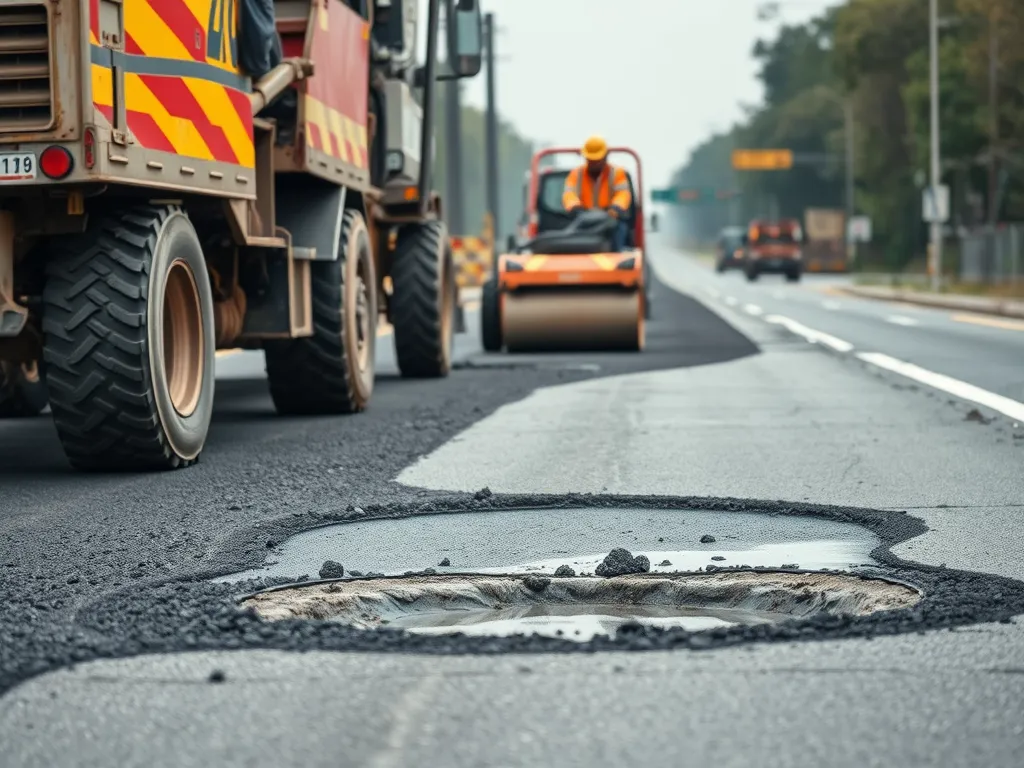
Environmental Considerations for Asphalt Repair
Repairing cracks or holes in your driveway impacts more than just curb appeal. Sustainable choices during repairs protect local ecosystems while maintaining pavement performance.
Eco-friendly Filler Options
Opt for fillers containing recycled rubber or plant-based binders. Rubberized emulsion, made from 15-30% recycled tires, bonds better to existing pavement than traditional petroleum-based products. Bio-based sealants derived from soy or pine resin emit 50% fewer volatile organic compounds (VOCs). For larger holes, select cold mix labeled “PG binder” (performance-graded for climate resilience) or “Superpave” mixes designed to reduce material waste by 22%.
| Material | Recycled Content | Best For |
|---|---|---|
| Rubberized Crack Filler | 20-40% | Gaps up to 1″ wide |
| Bio-Based Sealant | 100% renewable | Surface cracks under 0.5″ |
| Reclaimed Asphalt Pavement (RAP) | 95% | Potholes over 3″ deep |
Proper Disposal Of Repair Waste
Leftover filler, used tools, or excavated debris require careful handling. Petroleum-based products must go to designated facilities—mixing them with household trash risks soil contamination. Many municipalities accept unused cold mix for recycling if kept separate from other waste. Check local rules: some regions charge $25-$75 per ton for processing, while others offer free drop-offs. Rinse brushes or trowels over gravel, not storm drains, to prevent bitumen particles from entering waterways.
While sustainable practices improve repair quality, knowing when to handle projects yourself versus hiring experts ensures long-term results.
FAQs: Repairing Asphalt Driveway Cracks and Holes
Can You Overlay New Asphalt Over Old Cracks?
No, overlaying new asphalt directly over old cracks can lead to further cracking and damage. It’s essential to repair existing cracks and holes properly before considering an overlay to ensure a smooth and durable surface.
Best Fillers for Different Crack Types
For hairline cracks (up to 1/4 inch), it’s best to use a liquid filler or rubberized emulsion. For larger cracks (1/2 to 1 inch), opt for hot-pour asphalt crack sealants. Deep cracks over 1 inch may require a more robust approach, such as infilling with a combination of gravel and asphalt patch material.
Rubberized Asphalt-emulsion Benefits
Rubberized asphalt-emulsion offers several advantages, including superior flexibility, adhesion, and resistance to temperature changes. It expands and contracts with temperature fluctuations, providing a durable seal that effectively prevents moisture infiltration and enhances longevity.
Closing Thoughts
Repairing cracks and holes in asphalt driveways can enhance both the appearance and lifespan of your pavement. By assessing the damage effectively, using the right tools, and applying proper techniques, you can tackle minor repairs yourself or know when to call in the pros.
Regular maintenance is key. Seal cracks early, manage drainage well, and conduct inspections to prevent further deterioration. With a proactive approach, your asphalt driveway will remain durable and visually appealing.
For more information on asphalt repair and maintenance, check out Asphalt Calculator USA.
Additional Resources for You:
- The Asphalt Institute. (2007). MS-4: The Asphalt Handbook. Lexington, KY: Asphalt Institute.
- Asphalt Patching and Crack Repair (DIY) | Family Handyman
- DIY asphalt repair products – pothole repair, crack repair & sealing – Pavemade.com