
How to Remove Tree Sap From Asphalt Without Damaging Your Driveway
Published on: February 10, 2026 | Last Updated: April 14, 2025
Written By: George Voss
Tree sap can be removed from asphalt using household cleaners like dish soap or specialized products, depending on whether the sap is fresh or hardened. Fresh sap responds best to warm water mixed with Dawn dish soap (1 cup soap per gallon), while dried sap may require acetone-based removers applied in small doses. Avoid pressure washers over 1,200 PSI and harsh chemicals like bleach, which can strip asphalt’s protective binder. Key steps include scraping excess sap with a plastic putty knife, treating stains within 48 hours, and rinsing thoroughly to prevent chemical residue buildup.
This guide explains how tree sap bonds with asphalt pores, which removal methods work for different stain types, and how to protect your driveway long-term. You’ll learn five proven DIY techniques using baking soda scrubs, white vinegar solutions, and commercial asphalt-safe products like Goo Gone. We’ll also cover common errors like using wire brushes (which create surface pits) and share strategies to prevent sap accumulation through smart parking habits and sealant applications.
Contents
- Understanding Tree Sap and Asphalt Damage
- Essential Tools &Amp; Materials for Sap Removal
- Step-by-step DIY Removal Methods
- Common Mistakes to Avoid When Removing Sap
- Preventing Tree Sap Buildup on Asphalt Surfaces
- Eco-friendly Practices for Sap Removal
- Frequently Asked Questions
- Closing Thoughts
- Useful References for You:
Understanding Tree Sap and Asphalt Damage
Tree sap poses unique challenges for asphalt surfaces. This sticky substance bonds tightly with pavement materials, creating stubborn stains and potential structural harm. Let’s break down the science behind sap adhesion and its lasting impacts.
How Tree Sap Adheres to Asphalt Surfaces
Fresh tree sap contains resins and terpenes that act as natural adhesives. When temperatures rise above 70°F, these compounds liquefy and seep into asphalt’s porous surface. The binder (bitumen) in asphalt shares chemical similarities with sap, allowing molecular-level bonding. Once cooled, sap solidifies into a glass-like layer that resists water and standard cleaners.
| Sap Type | Adhesion Strength | Penetration Depth |
|---|---|---|
| Pine | High | 0.5-1.2 mm |
| Maple | Medium | 0.3-0.8 mm |
| Oak | Low | 0.1-0.4 mm |
Long-term Effects Of Sap on Asphalt Driveways
Left untreated, sap accelerates asphalt degradation through three primary mechanisms:
1. Binder Breakdown: Sap’s acidic pH (3.5-4.2) reacts with bitumen, reducing flexibility by 15-20% within six months. This leads to surface raveling and aggregate loss.
2. Thermal Stress: Sap’s dark color absorbs 40% more solar radiation than clean asphalt, creating localized hot spots that expand and contract pavement layers.
3. Moisture Trapping: Sap deposits trap water beneath their edges, increasing freeze-thaw damage risks by 3x in colder climates.
After five years of sap exposure, asphalt may develop spider cracks within a 12-inch radius of each deposit, requiring patching costs averaging $8-$12 per square foot.
With these risks clear, let’s examine the tools needed to tackle sap before it causes permanent harm.
Essential Tools &Amp; Materials for Sap Removal
Successful sap removal starts with gathering the right supplies. Use materials that break down sticky residue without damaging asphalt’s aggregate structure or protective sealants.
Household Items Safe for Asphalt
Common products tackle fresh or hardened sap without harming asphalt surfaces:
- Dawn dish soap (phosphate-free): Mix 3 tbsp per gallon of warm water to emulsify fresh sap
- Baking soda paste: Combine 1/4 cup soda with water to scrub stubborn spots
- White vinegar: Apply 50/50 vinegar-water solution to dissolve small sap deposits
- Rubbing alcohol (70% isopropyl): Effective for spot-cleaning without bleaching asphalt
- Plastic putty knife: Safely lifts hardened blobs without surface gouging
Avoid bleach-based cleaners – they strip asphalt’s binding agents and fade color over time.
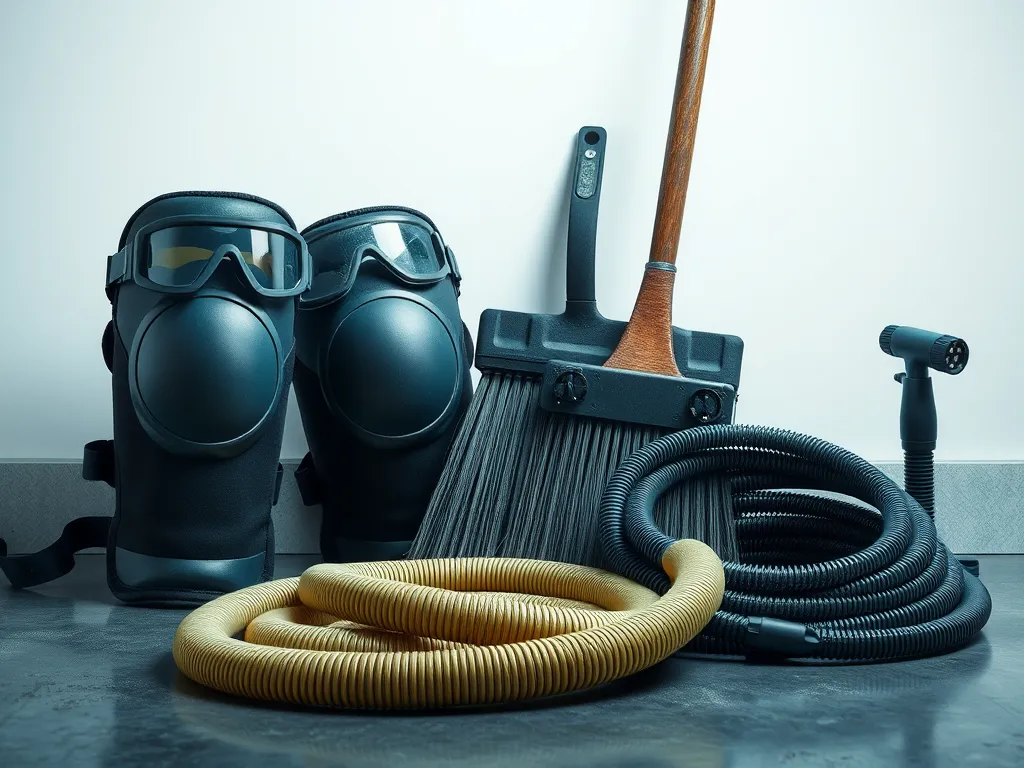
Protective Gear for Effective Cleaning
Safety measures prevent chemical exposure and ensure thorough cleanup:
- Nitrile gloves (chemical-resistant for acetone use)
- Knee pads for ground-level scrubbing
- Safety goggles when using pressurized sprays
- Stiff-bristle broom for post-treatment sweeping
- Garden hose with adjustable nozzle (800-1200 PSI max)
Wear closed-toe shoes with slip-resistant soles – sap creates slick surfaces during removal.
With your toolkit prepped, let’s break down proven techniques for lifting sap from asphalt driveways and pavements.
Step-by-step DIY Removal Methods
Act fast to fight sap stains on asphalt. Pick tools that lift gum without harming pavement. Follow tactics for varying sap hardness and spot sizes.
Method 1: Dish Soap Solution for Fresh Sap
Mix ¼ cup Dawn Ultra (pH 7-8) with 1 gallon warm water. Pour on sap within 48 hours. Scrub with soft nylon brush in circular motions. Rinse with garden hose at 40 PSI. Dawn cuts through sap’s sticky oils without stripping asphalt’s top coat.
Mistake to Avoid: Using Harsh Detergents on Asphalt
Avoid alkaline soaps (pH 9+) like degreasers. High pH breaks down bitumen bonds, causing raveling. Test cleaners on hidden pavement spots first.
Method 2: Baking Soda Scrub for Stubborn Residue
Blend 3 parts baking soda with 1 part water for thick paste. Apply to dry sap. Let sit 15 minutes. Scrub with stiff-bristle brush (not wire). Rinsing with cool water stops friction heat from softening asphalt.
Method 3: White Vinegar Treatment for Small Spots
Soak cloth in 5% acidity white vinegar. Press on sap spots under 2” wide. Wait 20 minutes. Sap dissolves without harming mineral aggregates. Blot with paper towels—no rubbing. Repeat for full sap lift.
Method 4: Acetone for Hardened Sap Removal
Apply 2-3 drops of 100% acetone to crystallized sap. Wait 90 seconds. Scrape with plastic putty knife at 45° angle. Asphalt’s voids absorb liquid fast—limit applications to 3 per spot.
Mistake to Avoid: Over-Saturating Asphalt with Chemicals
Too much solvent softens binder between stones. Work in 1 sq ft sections. Blot spills instantly. Never pour acetone directly—use cotton swabs.
Method 5: Commercial Asphalt-safe Sap Removers
Pick products with citrus d-limonene or soy solvents. Look for “low-VOC” labels (under 100 g/L). Apply Goo Gone Asphalt Formula ($18/qt) with pump sprayer. Agitate with broom. Rinsing stops chemical dwell time at 5 minutes max.
Having right tactics is half the battle—common slip-ups can still ruin your asphalt. Upcoming tips show what not to do during sap cleanup.
Also See: Asphalt Maintenance Schedules for Longevity: Key Tips
Common Mistakes to Avoid When Removing Sap
Fixing sap stains needs care to guard your asphalt. Skip these errors to keep your drive smooth and safe.
Using Abrasive Tools on Asphalt Surfaces
Steel brushes or scrapers scratch asphalt. Rough tools strip the top layer, exposing the rock mix below. This weakens the pave and lets water seep in. Use soft cloths or plastic scrapers instead. For stuck spots, try a stiff nylon brush with mild soap.
Ignoring Proper Rinsing Techniques
Leftover sap or cleaners eat into asphalt pores. Always flush the area with a hose after scrubbing. Missed rinsing leaves sticky marks or chemical burns. Work in small zones to control runoff. Blot dry with old towels to stop new sap from sticking to wet spots.
Stop sap stains before they form. Learn smart ways to shield your drive in the next steps.
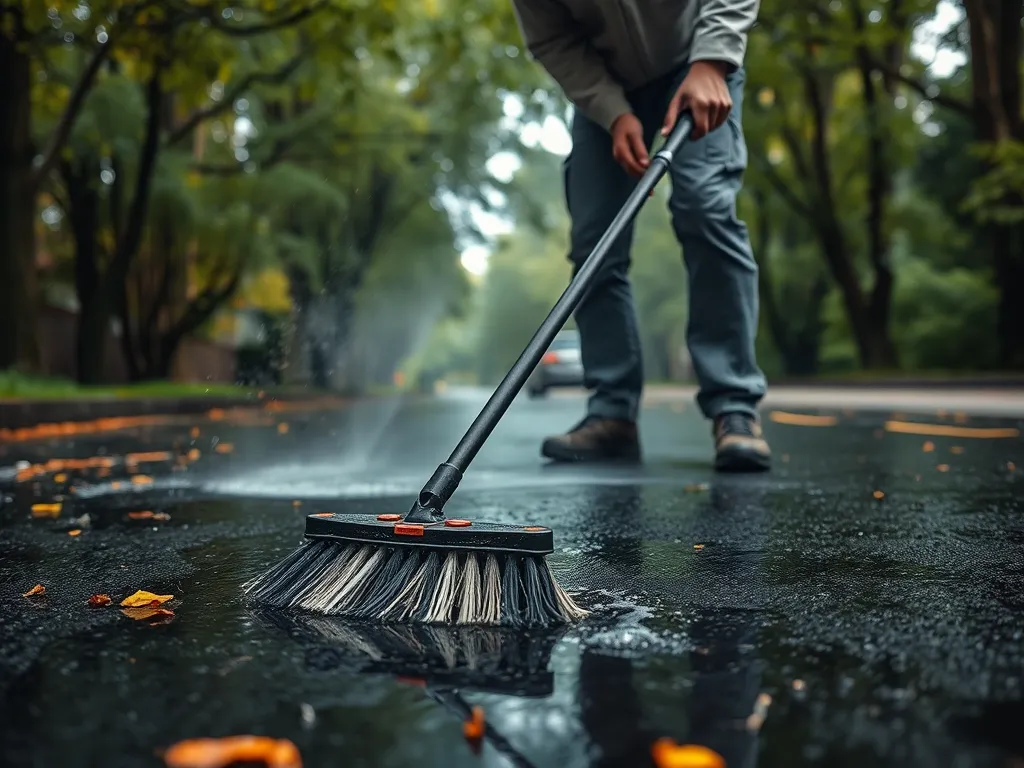
Preventing Tree Sap Buildup on Asphalt Surfaces
Proactive measures reduce sap accumulation and protect asphalt integrity. Focus shifts from cleanup to creating barriers between trees and pavement.
Parking Strategies to Minimize Sap Exposure
Vehicle placement directly impacts sap deposits. Follow these tactics:
- Park vehicles at least 10 feet from maple, pine, or sweetgum trees during peak sap seasons (spring/early summer)
- Use portable car covers rated for UV/sap protection when parking near trees
- Trim overhanging branches within 15 feet of asphalt surfaces
Tree sap drip patterns vary: maples release 3-5 gallons annually, while pines excrete resin year-round. Adjust parking habits based on local tree species.
Applying Asphalt Sealant for Protection
Quality sealcoats create chemical-resistant barriers. Use coal-tar or asphalt-based sealants with 20-35% solids content for optimal performance. Proper application involves:
- Cleaning surfaces thoroughly (PSI ≤2500 pressure washing)
- Filling cracks >1/8″ wide before sealing
- Applying two coats at 0.15-0.25 gallons per square yard
Sealed asphalt resists sap penetration for 2-3 years. Reapply when water stops beading on the surface. Avoid low-grade sealers – they degrade faster under UV/sap exposure.
While prevention reduces sap issues, choosing eco-conscious cleaning methods matters when removal becomes necessary. Next: sustainable approaches for maintaining sap-free driveways.
Eco-friendly Practices for Sap Removal
Green methods keep your asphalt clean while shielding plants, soil, and water from harsh effects. Use these earth-safe steps to clear sap without harm.
Biodegradable Cleaners for Asphalt Driveways
Pick plant-based cleaners with citrus or soy parts. Brands like Simple Green or Zep Citrus cut through sap with d-limonene (a natural oil). Spray mix on spots, wait 10 minutes, then scrub with stiff brushes. Rinse with a hose set to low flow. These cleaners cost $5-$15 per bottle and skip toxic stuff like sodium hydroxide or bleach.
Proper Disposal Of Sap-contaminated Materials
Never wash sap-filled rags, scrub pads, or dirty water down drains. Sap can clog pipes or hurt water life. Let used items dry in sun until sap hardens. Scrape solids into sealed bins for trash pickup. Check local rules—some areas treat sap waste as yard debris. For big cleanups, drop waste at sites marked for asphalt care products.
Once you’ve cleared the sap, focus shifts to stopping new drops from trees. Smart steps can shield your pavement for years.
Frequently Asked Questions
Does Dawn Dish Soap Remove Tree Sap From Asphalt?
Yes, Dawn dish soap is effective for removing fresh tree sap from asphalt. It emulsifies the sap, making it easier to scrub away without damaging the surface of your driveway.
Can Vinegar Safely Clean Sap From Asphalt Driveways?
Yes, white vinegar can be safely used to clean sap from asphalt surfaces. It helps dissolve small sap deposits without harming the asphalt’s integrity.
Will Acetone Damage Asphalt During Sap Removal?
While acetone is effective for removing hardened sap, it should be used with caution. Over-saturating the asphalt with acetone can soften the binder and damage the surface. Always apply it in small amounts and limit the application to avoid damage.
How Does Baking Soda Affect Asphalt When Removing Sap?
Baking soda is a gentle abrasive that can effectively clean sap without harming asphalt. It works well when combined with water to create a paste that can scrub away stubborn residue.
Closing Thoughts
Removing tree sap from asphalt doesn’t have to be a daunting task. With the right methods and tools, you can restore your driveway or pathway to its former glory. Start with fresh sap using gentle solutions like dish soap or white vinegar. For stubborn spots, baking soda or acetone can provide effective results when used carefully.
Preventing sap buildup begins with smart parking choices and applyinga sealer for added protection. Regular maintenance is key to keeping your asphalt surfaces in top shape. Always remember to avoid harsh chemicals and abrasive tools, as they can cause more harm than good.
For a wealth of information on asphalt care, including expert tips and tools, check out Asphalt Calculator USA. Your asphalt deserves the best treatment!

