How to Remove Chewing Gum From Asphalt: Quick Fixes & Pro Tips
Published on: February 9, 2026 | Last Updated: April 14, 2025
Written By: George Voss
Removing chewing gum from asphalt requires breaking its sticky bond without damaging the surface. Effective methods include freezing gum with ice for brittle removal, applying heat up to 200°F to soften it, using solvents like WD-40 or vinegar, or blasting it with a pressure washer at 1,500-3,000 PSI. Choose your approach based on gum age, asphalt condition, and available tools—older stains may need multiple treatments.
This guide explains why gum clings to asphalt and walks through manual scraping, heat guns, eco-friendly cleaners, and mechanical options. You’ll learn safety measures to protect surfaces, compare costs (DIY methods start at $5 vs. professional services averaging $75-$150), and discover prevention strategies. We’ll also cover eco-safe disposal practices for removed gum and cleaning residues.
Contents
- Understanding the Challenge Of Chewing Gum on Asphalt
- Effective Methods to Remove Gum From Asphalt
- Essential Tools for Asphalt Gum Removal
- Safety Precautions During Gum Removal
- Preventing Gum Buildup on Asphalt Surfaces
- Environmental Considerations
- FAQs: Removing Chewing Gum From Asphalt
- Closing Thoughts
- Additional Resources for You:
Understanding the Challenge Of Chewing Gum on Asphalt
Surfaces made of asphalt pose unique problems when gum bonds to them. The rough texture creates micro-pockets where gum gets trapped. Bitumen—the sticky binder holding asphalt together—forms stronger bonds with gum over time. Hot summer days soften both materials, merging them into one mass.
Why Chewing Gum Adheres to Asphalt Surfaces
Gum sticks due to three factors: texture, chemistry, plus temperature. Asphalt’s aggregate composition offers grooves for gum to grip. Gum’s synthetic polymers bond with bitumen at microscopic levels. Temperature shifts lock gum deeper into the surface—summer heat softens it for penetration, while winter cold hardens it into place. Fresh gum bonds within 30 minutes but takes weeks to fully oxidize, making prompt removal critical.
Common Scenarios for Gum on Asphalt (Driveways, Roads, Patios)
Residential driveways see gum from foot traffic or play zones. Municipal roads collect gum from pedestrians, requiring frequent removal to prevent buildup. Patios host social events where gum gets stepped into surfaces. Studies show urban roads need gum cleaning every 3-6 months to maintain appearance. Cracks in older asphalt make removal tougher, since gum sinks below the surface layer. For tarmac driveways, gum near oil stains complicates cleaning due to mixed residues.
Knowing why gum sticks plus where it’s found sets the stage for choosing the right removal strategy. Next, let’s explore proven techniques to eliminate gum without harming your pavement.
Effective Methods to Remove Gum From Asphalt
Choose the right approach based on gum quantity, asphalt condition, and available tools. Tackle fresh stains quickly to prevent bonding with aggregate surfaces.
Manual Removal Techniques
Physical methods work best for small-scale gum removal without chemicals or machinery. Wear gloves to protect hands during the process.
Scraping Gum Off Asphalt with Hard-Edged Tools
Use a putty knife or ice scraper angled at 45 degrees to peel gum from asphalt. Apply firm, controlled pressure to avoid gouging the surface. For older gum deposits, pre-treat with a tar and gum cleaner to loosen bonds.
Freezing Gum with Ice for Easier Removal
Place ice cubes in a plastic bag over gum for 10-15 minutes. Brittle gum becomes easier to fracture with a stiff brush or scraper. This method works well for porous asphalt driveways where heat might push gum deeper.
Heat-based Solutions
Thermal methods break down gum’s polymer structure. Monitor temperatures carefully – asphalt softens at 140°F (60°C), so avoid prolonged heat exposure.
Using a Heat Gun or Hairdryer to Soften Gum
Direct heat at gum from 6-8 inches away for 30-second intervals. Scrape melted residue immediately using a metal spatula. Never use open flames, which can damage asphalt’s bitumen binder.
Hot Water Extraction for Stubborn Gum Stains
Pour boiling water over gum-covered areas of roads or patios. Let sit for 2 minutes, then scrub with a stiff-bristle broom. Combine with biodegradable detergent for enhanced results on chewing gum on tarmac.
Chemical and Solvent Approaches
Select products compatible with asphalt’s petroleum-based composition. Test solvents on small areas first to check for surface discoloration.
Commercial Gum Removal Solvents for Asphalt
Apply specialized formulas like Goo Gone Asphalt Formula or RADO gum remover. These citrus-based solutions dissolve gum polymers without harming sealcoated surfaces. Allow 5-7 minutes dwell time before pressure washing.
Eco-Friendly Options: Vinegar or Cooking Oil
White vinegar breaks down gum’s adhesive properties through acidity. For oil-based removal, rub coconut or vegetable oil onto gum for 10 minutes before scrubbing. Both methods work for removing gum from tarmac without environmental harm.
Mechanical Cleaning Methods
Power equipment efficiently handles large-scale gum removal on roads or parking lots. Adjust settings to match asphalt’s PSI tolerance – typically 1,500-3,000 PSI for aged surfaces.
Pressure Washing Gum Off Asphalt Surfaces
Use a 25-degree nozzle at 12-inch distance to blast gum from driveways. Combine with hot water (180°F) for better results. Avoid concentrated streams that might erode aggregate from the pavement matrix.
Steam Cleaning for Deep Asphalt Gum Removal
Professional steam cleaners penetrate asphalt pores at 300°F, liquefying gum residues. This method removes 98% of stains without chemicals, making it ideal for public spaces needing frequent chewing gum on tarmac cleanup.
Proper technique and tool selection make gum removal manageable. Up next: Essential tools for tackling asphalt gum stains effectively.
Essential Tools for Asphalt Gum Removal
Picking the right gear makes gum removal faster and safer. Match tools to the gum’s age, weather, and asphalt condition.
Scrapers and Putty Knives
Stiff metal scrapers work best for fresh gum. Slide a 2-inch putty knife under wads at a 30-degree angle to lift without gouging. For older gum, warm the spot first with sun or a hairdryer to soften grip. Keep edges sharp but avoid deep scrapes that harm asphalt seal coats.
Pressure Washers and Steam Cleaners
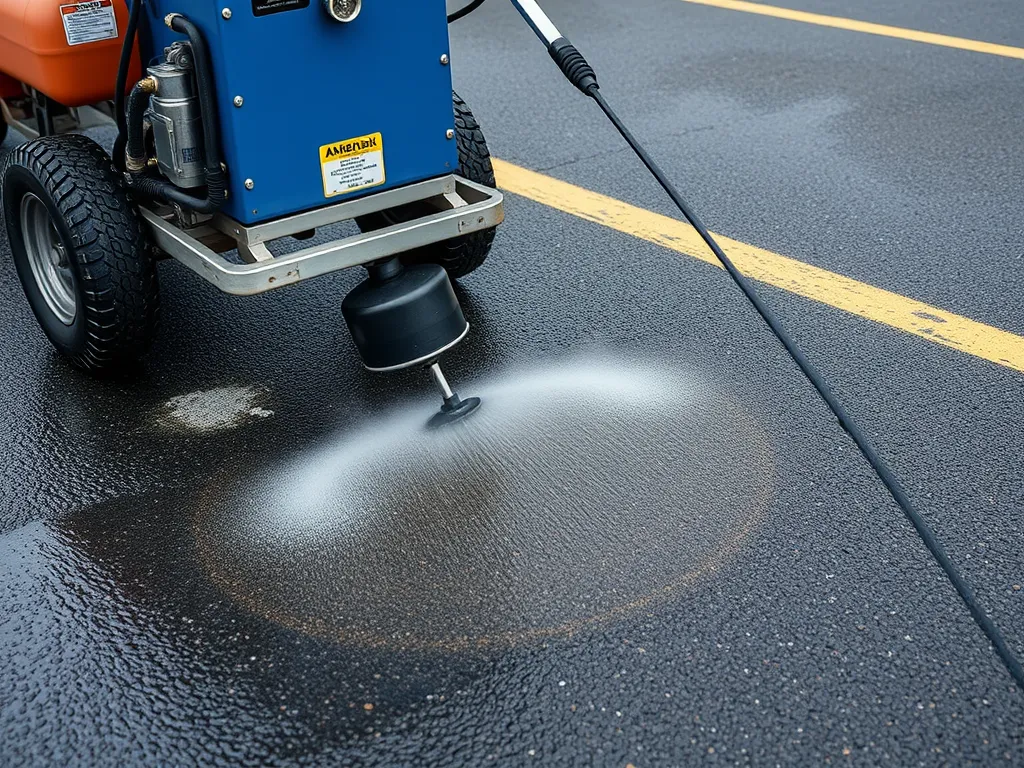
A 1500-3000 PSI pressure washer blasts gum bits from cracks. Use a 25-degree nozzle 6 inches from the surface. Steam cleaners melt gum at 300°F for roads with heavy buildup. Both methods strip dirt, so re-seal asphalt after use to prevent water damage.
Specialized Solvents and Household Alternatives
Apply tar and gum cleaner (like Goo Gone) to break down sticky bits. Citrus-based sprays cut through gum base polymers. For eco fixes, rub peanut butter or cooking oil on spots. Let sit 10 minutes, then wipe. Test small areas first—some solvents may fade asphalt color.
Equipped with these tools? Safety steps come next. Let’s cover gear and care to protect both you and the pavement.
Also See: Asphalt Applications in Renewable Energy Projects
Safety Precautions During Gum Removal
Removing gum from asphalt demands more than elbow grease—it requires smart safety practices. Protect yourself and your pavement by following these critical guidelines.
Protective Gear for Handling Chemicals/heat
Wear nitrile gloves when using solvents like benzene-based cleaners or citrus degreasers. Heat guns require heat-resistant gloves to prevent burns at 200-300°F operating temperatures. Safety goggles shield eyes from splashes during pressure washing (1,200-1,500 PSI) or steam cleaning. For chemical-intensive jobs, use N95 respirators to avoid inhaling fumes from tar and gum cleaners.
Avoiding Damage to Asphalt During Cleaning
Set heat guns to low settings to prevent melting asphalt binder. Test scrapers on hidden areas first—plastic blades work better than metal for delicate surfaces. Limit pressure washers to 1,500 PSI max; higher settings erode aggregate. Rinse solvents quickly—products containing acetone can degrade asphalt if left more than 10 minutes. Blot eco-friendly options like cooking oil instead of scrubbing to preserve sealant layers.
Ready to tackle prevention? Let’s explore how regular care keeps asphalt gum-free long-term.
Preventing Gum Buildup on Asphalt Surfaces
Proactive measures save time and money compared to reactive gum removal. Focus on two key strategies: surface care and community action.
Regular Maintenance Tips for Asphalt
Keep surfaces less gum-friendly through these steps:
- Schedule weekly sweeping with stiff-bristle brooms to dislodge fresh gum before hardening
- Apply coal-tar-based sealcoating every 2-3 years – creates slicker surface (85% harder for gum to bond)
- Repair cracks >1/4″ wide promptly using rubberized asphalt filler ($18-$30 per 10 lb pail)
Sealed asphalt requires 60% less effort for gum removal compared to untreated surfaces. Use infrared thermometers to monitor surface temps – gum adheres strongest above 50°F.
Educating Communities to Reduce Littering
Phoenix reduced gum litter by 30% through targeted campaigns:
- Install disposal bins with heat-resistant liners near high-traffic zones (every 50 ft in malls, bus stops)
- Run school programs showing gum removal costs: $3 per piece vs $0.02 for proper disposal
- Enforce littering fines up to $500 in problem areas like stadium parking lots
Pair signage with visual reminders – stamped asphalt messages near entrances work best. Cities like Tampa use engraved “No Gum Here” markers at crosswalks.
With surfaces protected and habits changed, focus shifts to environmentally sound cleanup methods. Next: Balancing effective gum removal with ecological responsibility.
Environmental Considerations
Gum removal impacts both your asphalt and the earth. Smart choices cut harm while keeping surfaces clean.
Eco-friendly Gum Removal Practices
Green methods work well for gum on asphalt. Steam cleaners use less water than pressure washers. Hot water mixed with plant-based soap breaks down gum without harsh chems. Try a citrus degreaser or white vinegar—safe for drains and soil. Avoid oil-based solvents. They can seep into ground or harm plants.
Proper Disposal Of Gum and Cleaning Residue
Gum sticks around for years if tossed wrong. Scrape used gum into a bag. Seal it before trash pickup. For cleaning waste: collect solvent runoff with rags. Let dry, then toss. Never rinse chems down storm drains. Check local rules for toxic waste drop-off sites.
Ready to fix gum stains? Next, we tackle top questions about asphalt care.
FAQs: Removing Chewing Gum From Asphalt
How Do I Remove Old Gum From an Asphalt Driveway?
Old gum can be effectively removed by applying heat or using solvents. For instance, a heat gun can soften the gum, making it easier to scrape off. Alternatively, commercial gum removal products or even vinegar can be applied to the affected area to help dissolve the gum before scraping it away.
Can WD-40 Safely Remove Gum Without Damaging Asphalt?
Yes, WD-40 is a popular solvent that can be used to remove gum from asphalt. It works by breaking down the adhesive properties of the gum. However, it’s important to test it on a small, inconspicuous area first to ensure it does not discolor or damage the asphalt surface.
Will a Pressure Washer Eliminate Gum From Asphalt?
A pressure washer can be an effective method for removing gum, especially when combined with hot water. It is advisable to use a nozzle with appropriate pressure settings, typically 1,500-3,000 PSI, to avoid damaging the asphalt surface. Be sure to keep a safe distance from the surface to prevent erosion.
What Household Items Work for Gum on Asphalt Patios?
Household items like vinegar and cooking oil are effective in removing gum from asphalt patios. Vinegar can break down the adhesive properties of the gum, while cooking oil can help to loosen it. Applying these substances, letting them sit for a few minutes, and then scrubbing or scraping the area can yield good results.
Is RADO Gum Remover Suitable for Asphalt Surfaces?
RADO gum remover is considered suitable for use on asphalt. Its formulation is designed to dissolve gum without harming asphalt surfaces. However, it’s wise to perform a patch test beforehand to ensure that it does not cause any discoloration or damage.
Closing Thoughts
Removing chewing gum from asphalt surfaces can be challenging but is definitely manageable with the right methods. Whether you opt for manual scraping, heat application, or chemical solutions, always prioritize the safety of both yourself and the asphalt. Effective removal not only keeps your surfaces clean but also contributes to the longevity of your asphalt.
Regular maintenance and educating your community can significantly reduce gum buildup and improve the overall appearance of asphalt areas. For even more tips and information related to asphalt care, check out Asphalt Calculator USA.
Additional Resources for You:
- Federal Highway Administration (FHWA) – Asphalt Pavement Technologies
- How to get gum off of concrete? What chemicals do you use – Quora
- How To Remove Old Gum from Concrete (2025) | Today’s Homeowner
- r/powerwashingporn on Reddit: Gum removal from sidewalk
- BLOG: Removing Chewing Gum From Different Surfaces