Step-by-step Guide to Removing Asphalt Sealer From Concrete
Published on: February 9, 2026 | Last Updated: April 14, 2025
Written By: George Voss
Removing asphalt sealer from concrete requires specific techniques to avoid surface damage. Asphalt sealer—a protective coating made from coal-tar or asphalt-based compounds—is designed for driveways but often spills onto adjacent concrete. Unlike asphalt, concrete’s porous surface traps sealer, creating stubborn stains. Effective removal methods include commercial concrete cleaners, paint strippers, hot water pressure washing (up to 3000 PSI), and natural solutions like citric acid. Always test products first and wear gloves, goggles, and masks during cleanup.
This guide covers DIY removal strategies for various surfaces. Find which tools work best on concrete slabs versus pavers, how to adjust pressure washer settings safely, and when to call professionals ($150-$500 depending on square footage). Get details on eco-friendly disposal practices for chemical residues and tips to prevent future spills during sealer application.
Contents
- Understanding Asphalt Sealer and Its Impact on Concrete
- Preparing for Asphalt Sealer Removal
- Primary Methods to Remove Asphalt Sealer From Concrete
- Removing Asphalt Sealer From Specific Concrete Surfaces
- Ensuring Safe and Damage-free Removal
- Cost Considerations for Asphalt Sealer Removal
- Preventing Future Asphalt Sealer Spills on Concrete
- Environmental Impact Of Asphalt Sealer Removal
- FAQs: Removing Asphalt Sealer From Concrete
- Final Words
- Useful References for You:
Understanding Asphalt Sealer and Its Impact on Concrete
What is Asphalt Sealer?
Asphalt sealer is a thick, black mix used to coat driveways. It has coal tar or asphalt base plus sand, clay, and polymers. This blend shields asphalt from rain, sun, and car fluids. But when it spills on concrete, it sticks fast. This makes asphalt sealant removal a must for clean surfaces.
Why Asphalt Sealer is Used for Driveways
Homeowners pick asphalt sealer to block cracks and fade. It blocks water seepage, stops oil stains, and boosts curb appeal. Driveways last 3-5 years longer with fresh coats. But these perks work only on asphalt—not concrete. Using it on concrete leads to asphalt sealer on concrete issues that need quick fixes.
What Happens if You Use Asphalt Sealer on Concrete?
Concrete soaks up sealer fast, leaving dark stains. The sealant bonds to pores, making remove asphalt sealer from concrete tough. Over time, trapped moisture weakens the slab. Peeling starts in weeks, and texture turns rough. Left unaddressed, you risk cracks or mold growth under the layer.
Ready to tackle the mess? Next, learn how to prep your space for safe asphalt sealant removal without harm.
Preparing for Asphalt Sealer Removal
Proper prep work cuts cleanup time by 40% and prevents permanent concrete damage. Gather materials based on your chosen removal method—chemical strippers need different tools than pressure washing.
Essential Tools and Safety Gear
Start with these items:
- Pressure washer: Electric models (1,500-3,000 PSI) work for light sealant layers; gas-powered (3,500+ PSI) tackle thick buildup
- Stiff-bristle brush: Brass bristles avoid spark risks near flammable solvents
- Concrete-safe cleaners: Look for pH-neutral formulas labeled for cement surfaces
- Safety gear: Nitrile gloves, ANSI-rated goggles, N95 respirator for chemical fumes
Sealant strippers like xylene or acetone require ventilated spaces—open garage doors or work outdoors.
Testing Products on Small Concrete Areas
Always test cleaners on a 12×12 inch section first. Apply stripper as directed, wait 15 minutes, then rinse. Check for:
- Surface etching (rough patches)
- Discoloration (bleached spots)
- Residue (sticky film)
If issues arise, dilute the product or switch methods. For example, switch from methylene chloride-based strippers to citrus-based gels if etching occurs.
With tools ready and products tested, you’re set to tackle full-scale asphalt sealant removal. Next, we’ll break down the four most effective techniques for different scenarios.
Primary Methods to Remove Asphalt Sealer From Concrete
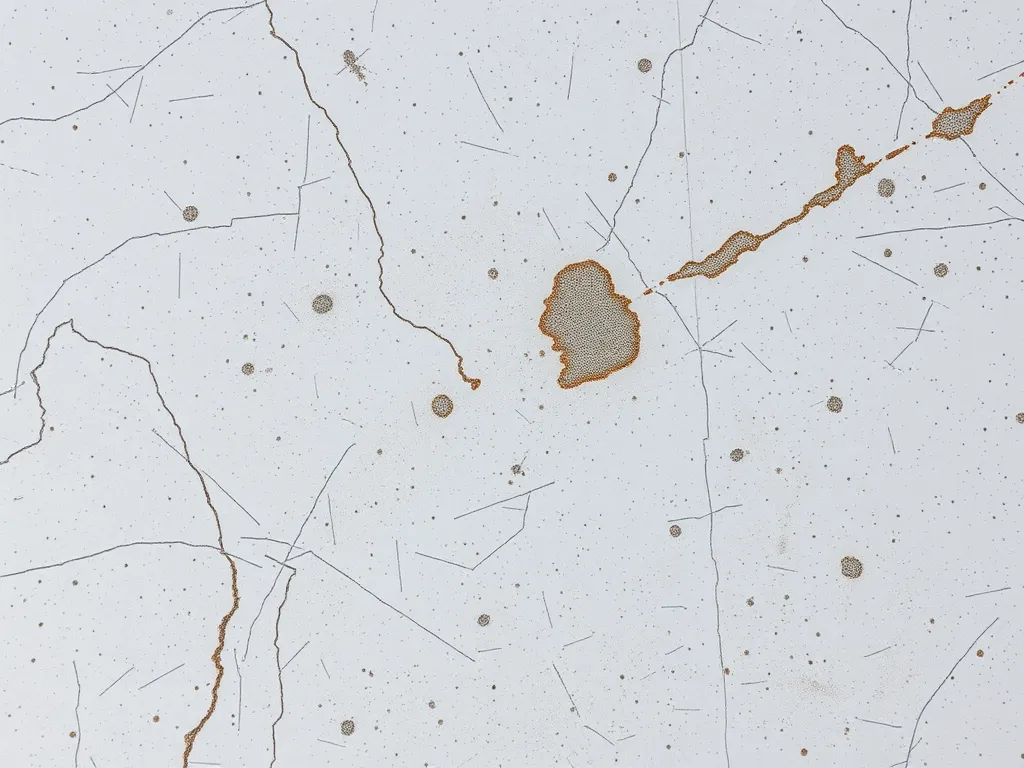
Four proven approaches eliminate asphalt sealer from concrete surfaces. Select based on stain severity, surface type, and available tools.
Method 1: Commercial Concrete Cleaners
Alkaline-based cleaners like ACT Concrete Cleaner or Oil Eater break down coal-tar and asphalt-based sealers. These products work on cured or fresh spills without etching concrete.
Steps for Using Degreasers or Specialty Cleaners
- Apply cleaner full-strength to dry surfaces using a pump sprayer
- Allow 10-15 minutes dwell time (check product label)
- Scrub with stiff-bristle broom or deck brush
- Rinse with garden hose or pressure washer under 800 PSI
Wear nitrile gloves and safety goggles. Neutralize residue with water-vinegar mix (1:3 ratio).
Method 2: Paint Strippers and Solvents
Methylene chloride or NMP-based strippers dissolve polymer-modified sealers. Effective for thick, multiple layers bonded to concrete pores.
Choosing Between DIY and Commercial Strippers
| Type | Cost per Sq Ft | Cure Time | Effectiveness |
|---|---|---|---|
| Citrus Solvent | $0.15 | 60+ mins | Light stains |
| Xylene-Based Stripper | $0.40 | 20 mins | Heavy buildup |
Peel Away 1 stripper removes 95% of sealer in one application but requires pH testing post-use.
Method 3: Hot Water Pressure Washing
Heated water (140-190°F) softens sealer for removal. Combines thermal energy and mechanical force without harsh chemicals.
Optimal PSI Settings to Avoid Concrete Damage
Use 1200-2000 PSI surface cleaners with 15° fan tip. Maintain 12″ nozzle distance. For stamped concrete, reduce to 800 PSI. Hot water units rent for $75-$150/day from equipment suppliers.
Method 4: Natural and Home Remedies
Non-toxic options work for small spills or eco-conscious projects. Limited to stains under 2mm thickness.
Using Dish Soap, Cola, or Citric Acid Solutions
- Mix Dawn Ultra (3 oz), baking soda (1 cup), and hot water (1 gallon)
- Soak stained area for 30 mins
- Scrub with nylon brush
- Rinse with cold water
Cola’s phosphoric acid breaks down sealer binders. Apply full-strength, let sit 2 hours, then power rinse.
Each technique requires post-cleaning inspection for residue. Check for slick spots using the “water bead test” – if water sheets evenly, removal succeeded. Uneven beading means repeat treatment.
Surface-specific challenges demand tailored approaches. Next, learn specialized tactics for concrete slabs, patios, and garage floors.
Also See: Enhancing Asphalt: Additives in Asphalt Mixtures
Removing Asphalt Sealer From Specific Concrete Surfaces
Different concrete surfaces demand tailored approaches for safe asphalt sealant removal. Surface texture, porosity, and exposure levels dictate which methods work best. Follow surface-specific guidelines to maintain structural integrity while eliminating sealer stains.
How to Remove Asphalt Sealer From a Concrete Slab
For driveways or industrial slabs, start with a hot water pressure washer set to 1,200-1,500 PSI. Hold the nozzle 12 inches from the surface to prevent pitting. Stubborn spots may need a biodegradable concrete cleaner like ACT Eco-Friendly Concrete Cleaner. Apply with a stiff-bristle brush, scrub in circular motions, then rinse. Repeat until residue lifts without etching the slab.
How to Remove Asphalt Sealer From a Concrete Patio
Patios often feature decorative finishes vulnerable to high-pressure damage. Opt for a citrus-based solvent like Goo Gone Concrete Cleaner. Spread evenly using a foam roller, wait 15 minutes, then gently agitate with a nylon brush. Rinse with a garden hose fitted with a fan-spray nozzle. For textured surfaces, substitute scrubbing with a microfiber mop to preserve patterns.
How to Remove Asphalt Sealer From a Garage Floor or Door
Garage floors coated with epoxy or sealants require non-abrasive methods. Mix 1 cup trisodium phosphate (TSP) with 1 gallon warm water. Apply with a pump sprayer, let sit 10 minutes, then scrub with a polypropylene brush. For garage doors, use a plastic putty knife to lift softened sealer after applying Krud Kutter Concrete & Driveway Cleaner. Avoid metal tools to prevent paint scratches.
How to Remove Asphalt Sealer From Pavers
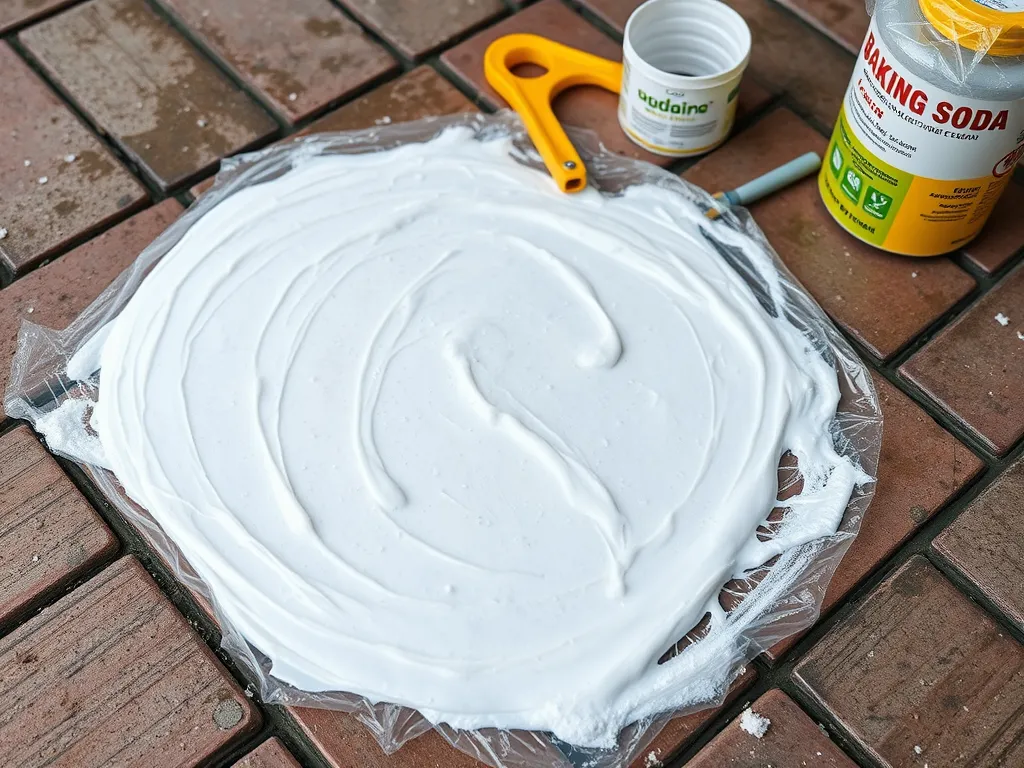
Pavers demand low-pressure techniques (800 PSI max) to prevent sand base erosion. Saturate sealer stains with a baking soda paste (3:1 water to soda ratio). Cover with plastic wrap for 24 hours to activate lifting. Sweep off dried paste, then rinse with a mist setting. Replenish joint sand afterward to stabilize paver alignment.
With these surface-specific strategies, you can tackle asphalt sealant removal efficiently. Next, learn how to safeguard your concrete during the process and verify complete stain eradication.
Ensuring Safe and Damage-free Removal
Preserving your concrete’s structural integrity during asphalt sealant removal requires precision. Mistakes during this phase can lead to costly repairs or permanent surface flaws.
Avoiding Scraping and Harsh Chemicals
Metal scrapers or stiff-bristle brushes create microtears in concrete, exposing pores to future stains. For bonded asphalt sealer on concrete, opt for gentler methods. Cleaners with corrosive ingredients like hydrochloric compounds degrade surface binders, increasing cracking risks. Instead, use pH-neutral cleaners or citrus-based strippers tested on small patches first. For stubborn residue, solvent-free emulsifiers break down coal-tar polymers without harming cured concrete.
Post-removal Cleaning and Inspection
Once the bulk of the asphalt sealant is gone, flush the area with water mixed with trisodium phosphate (TSP) to neutralize residues. Pressure wash at 500–800 PSI, keeping the nozzle 12 inches from the surface to prevent pitting. Inspect for lingering discoloration or etching—common signs of incomplete removing asphalt sealer from concrete. If found, reapply your chosen method in targeted zones. For etched spots, use polymer-modified concrete resurfacer to restore texture.
With the surface fully restored, you’ll next weigh the financial implications of different removal strategies.
Cost Considerations for Asphalt Sealer Removal
Budgeting for asphalt sealant removal requires weighing labor, materials, and equipment. Costs swing based on method choice, surface size, and sealer age.
DIY Vs Professional Removal Costs
DIY removal averages $0.50-$3 per square foot. Concrete cleaners like ACT Concrete Cleaner cost $20-$40 per gallon. Solvents such as CitriStrip run $25-$60 for 1-gallon containers. Renting a 3000-4000 PSI pressure washer adds $75-$150 daily. Professional services range from $2-$7 per square foot, with full driveway cleaning hitting $400-$1,500. Labor accounts for 60%-70% of pro fees.
Factors Influencing Total Expenses
Surface area directly impacts material and time costs. Multi-layer sealant or aged coatings require repeated treatments. Aggressive methods like methylene chloride strippers ($45-$90 per gallon) demand protective gear and disposal fees. Geographic location affects chemical pricing and equipment rental rates. Post-removal neutralization with trisodium phosphate (TSP) adds $15-$30 per 5-pound bucket.
With cost variables mapped, the next step focuses on preventing accidental spills during future sealing projects.
Preventing Future Asphalt Sealer Spills on Concrete
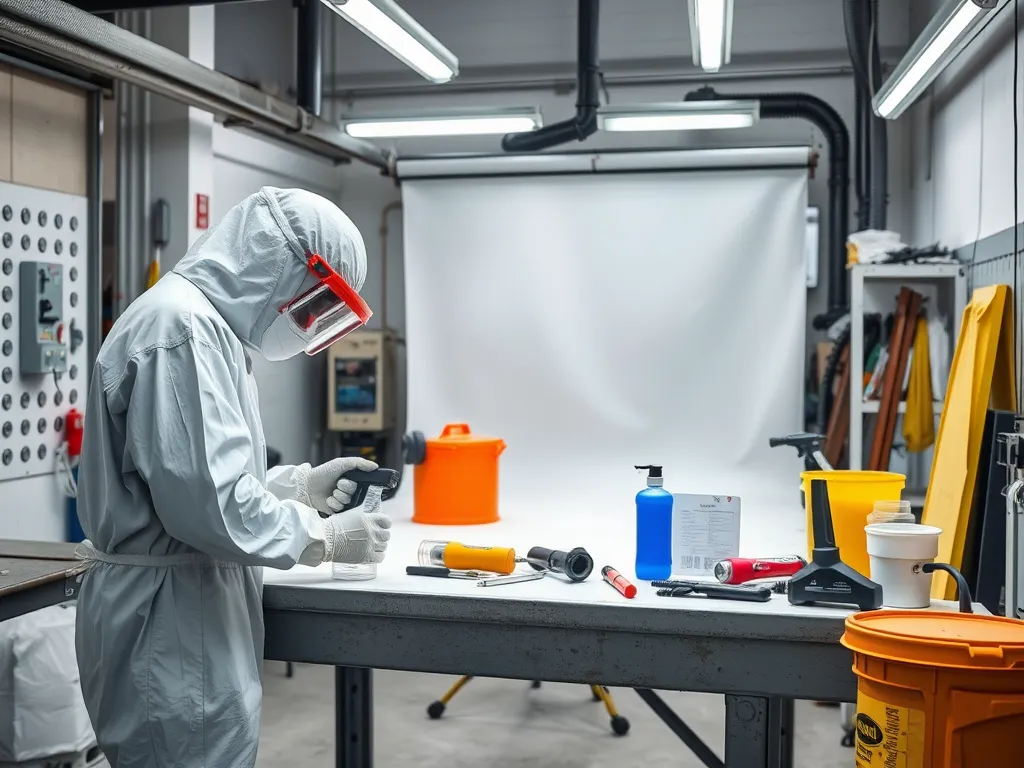
Stopping spills before they happen cuts cleanup work. Follow these strategies during asphalt sealant application to keep concrete surfaces spotless.
Best Practices for Applying Asphalt Sealer
Apply sealer at 50-85°F with dry conditions. Cold or wet weather slows curing, increasing drip risks. Use a squeegee or spray system with a 12-18 inch fan tip for precise control. Maintain a ¼ inch gap between the spray nozzle and pavement to prevent overspray. Mix coal tar or asphalt emulsion sealers per manufacturer ratios—thick mixtures clump, while thin ones spread unevenly. Work in 10-foot sections, moving backward to avoid stepping on fresh coats.
Using Protective Barriers During Application
Cover adjacent concrete with 6-mil plastic sheeting or canvas drop cloths. Secure edges with duct tape or weighted objects. For curbs or garage floors, apply painter’s tape ½ inch above the concrete-asphalt border. Install temporary barriers like plywood boards along driveways near patios. These steps block stray sealant splatters, reducing the need to remove asphalt sealer from concrete later. Clean tools immediately with mineral spirits to avoid dried residue transfer.
With spills managed, let’s examine eco-safe ways to handle chemical waste during asphalt sealant removal.
Environmental Impact Of Asphalt Sealer Removal
Handling asphalt sealant removal impacts surroundings if not done right. From chemical disposal to controlling runoff, following protocols cuts harm to local habitats and water systems.
Eco-friendly Disposal Of Chemical Residues
When removing asphalt sealer, chemical residues demand careful handling. Follow Material Safety Data Sheets (MSDS) for all products, as they outline safe disposal steps. Collect liquid waste with absorbents like clay-based cat litter before scooping into sealed containers. Many towns have spots for dropping off harmful materials—call your local waste authority to confirm locations. Never pour leftover strippers or solvents down drains; this can harm plumbing and local water systems.
Minimizing Runoff Pollution
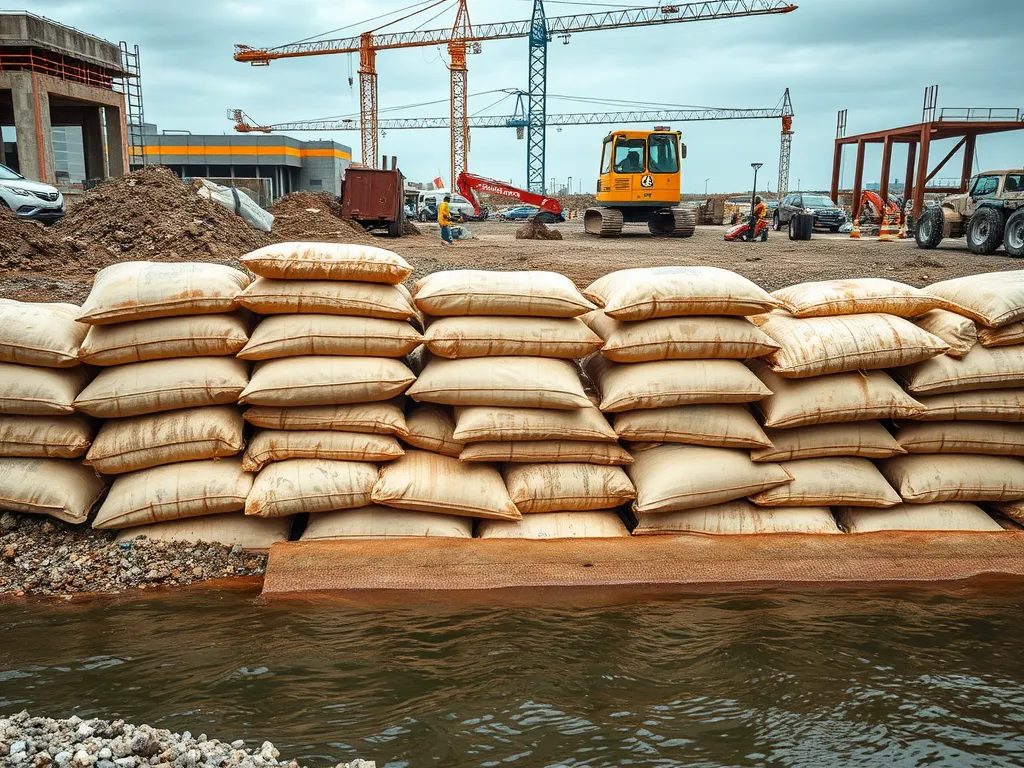
Stop runoff during asphalt sealant removal by laying plastic tarps around work zones. Build berms with sandbags to block stray drips from hitting soil or pavements. If using pressure washing, work in parts to control water flow and apply neutralizers like baking soda to balance PH levels in wash water. Biodegradable cleaners cut risks if liquid hits grass or gardens. Always check storm drain covers to block accidental spills from flowing into streams or lakes.
Handling these factors right leads to common questions about best practices for various surfaces.
FAQs: Removing Asphalt Sealer From Concrete
How Do You Remove Asphalt Sealer Without Damaging Concrete?
The best way to remove asphalt sealer without damaging concrete is to use gentle methods such as commercial concrete cleaners or natural solutions. Always test any product on a small, inconspicuous area first. Avoid using metal scrapers or harsh chemicals which can etch and damage the concrete surface.
Can You Use a Pressure Washer on a Concrete Garage Floor?
Yes, you can use a pressure washer on a concrete garage floor. However, make sure to set the pressure to a safe level, typically between 1200-2000 PSI, to avoid damaging the surface. Maintain a distance of at least 12 inches from the surface to prevent pitting.
What’s the Fastest Way to Remove Driveway Sealer From Pavers?
The fastest way to remove driveway sealer from pavers is to use a baking soda paste (3:1 water to soda ratio) and allow it to sit covered for 24 hours. This can help lift the sealant without damaging the pavers, followed by rinsing with a gentle mist.
How Do You Neutralize Chemicals After Removal?
To neutralize chemicals after removing asphalt sealer, flush the area with a mixture of water and trisodium phosphate (TSP). A typical ratio is one cup of TSP to one gallon of water. This will help eliminate any remaining chemical residue.
Final Words
Removing asphalt sealer from concrete can seem daunting, but with the right methods and tools, it’s entirely achievable. Start by selecting the appropriate removal technique for your specific surface, whether it’s a garage floor, patio, or pavers. Always prioritize safety by wearing the necessary protective gear and using eco-friendly materials when possible.
Efficient removal not only restores your concrete’s appearance but also prevents further damage. Maintaining best practices during asphalt sealer application and using protective barriers can significantly reduce the chances of future spills.
For more detailed guidance and resources, visit Asphalt Calculator USA. We provide comprehensive information and calculators to aid in your asphalt and concrete projects.
Useful References for You:
- The Asphalt Institute. (2007). MS-4: The Asphalt Handbook. Lexington, KY: Asphalt Institute.
- 7 Best Asphalt Sealer Removal Products
- how to get asphalt sealer off my car? | Ars OpenForum
- How To Remove Asphalt or Tar From Concrete (any asphalt-based products)
- How To Remove Tar From Concrete – Blacktop Sealcoating …