
How to Remove an Asphalt Driveway: Step-by-step Methods & Tips
Published on: February 7, 2026 | Last Updated: April 14, 2025
Written By: George Voss
Removing an asphalt driveway involves breaking up the surface, hauling debris, and prepping the area for new paving or landscaping. You’ll need tools like jackhammers, pry bars, and sledgehammers for demolition, plus safety gear (gloves, goggles, steel-toe boots) to prevent injuries. Plan disposal methods early—recycle asphalt chunks at local plants or rent dumpsters for landfill trips. Avoid mistakes like skipping underground utility checks, damaging the gravel base, or leaving sharp edges that trip pedestrians.
This guide covers how to remove asphalt driveways safely and efficiently. Learn to assess your driveway’s condition, choose manual or mechanical removal methods, and budget for DIY versus contractor costs. We’ll explain how to handle thick asphalt layers, dispose of debris legally, and protect concrete surfaces during cleanup. Detailed FAQs answer cost estimates, timeframes, and eco-friendly recycling options.
Contents
- Introduction to Asphalt Driveway Removal
- Assessing the Driveway Condition Before Removal
- Essential Tools for Asphalt Driveway Removal
- Step-by-stp Guid to DIY Asphalt Rmoval
- Asphalt Driveway Removal Techniques Compared
- Cost Analysis: DIY Vs. Professional Asphalt Removal
- Environmental Considerations and Debris Disposal
- How to Remove Asphalt From Concrete Surfaces
- Frequently Asked Questions (FAQ)
- Final Thoughts on Successful Asphalt Driveway Removal
- Additional Resources for You:
Introduction to Asphalt Driveway Removal
Asphalt driveways last 15-25 years before cracks, potholes, or uneven surfaces signal replacement needs. Removing an old asphalt driveway becomes necessary when repairs no longer restore functionality or when upgrading to materials like concrete or permeable pavers. The process involves breaking up the asphalt layer (typically 2-4 inches thick), clearing the crushed stone base, and disposing debris properly.
Two primary methods exist: DIY removal using manual tools or rented machinery, or hiring contractors with industrial equipment like excavators. Asphalt recycling is common—94% of reclaimed asphalt pavement (RAP) gets reused in new roads. This mix contains aggregates (crushed stone, sand) and bitumen, a petroleum-based binder. Recycling reduces landfill waste and cuts material costs by 20-30% for new projects.
Removing asphalt demands physical labor and awareness of subsurface utilities. Thicker layers or driveways with multiple asphalt overlays require heavier machinery. Climate matters too—freeze-thaw cycles weaken structures, making removal easier in colder regions. Before grabbing tools, evaluate your driveway’s thickness, base quality, and local disposal rules to plan effectively.
Next, let’s examine how to assess your driveway’s condition to choose the right removal strategy.
Assessing the Driveway Condition Before Removal
Check your drive’s state before starting. This step shapes your plan, tools, and costs.
Signs Your Asphalt Driveway Needs Removal
Look for deep cracks (over 1 inch wide), potholes, or sunken spots. These show base layer failure. Alligator cracks (web-like splits) mean weak spots under the slab. Pooling water or weeds through cracks hint at poor drainage. If over 40% of the drive shows damage, full removal beats patching.
Evaluating Thickness and Age Of Asphalt
Most drives are 2-4 inches thick. Use a probe or drill to measure. Older slabs (15+ years) often have brittle binder that crumbles when broken. Check local codes for rules on asphalt disposal. Thicker layers need heavy gear like jackhammers (rental: $75-$150/day). Thin or aged asphalt may break up with pry bars.
Now that you’ve checked the drive’s state, let’s pick the right tools for removal.
Essential Tools for Asphalt Driveway Removal
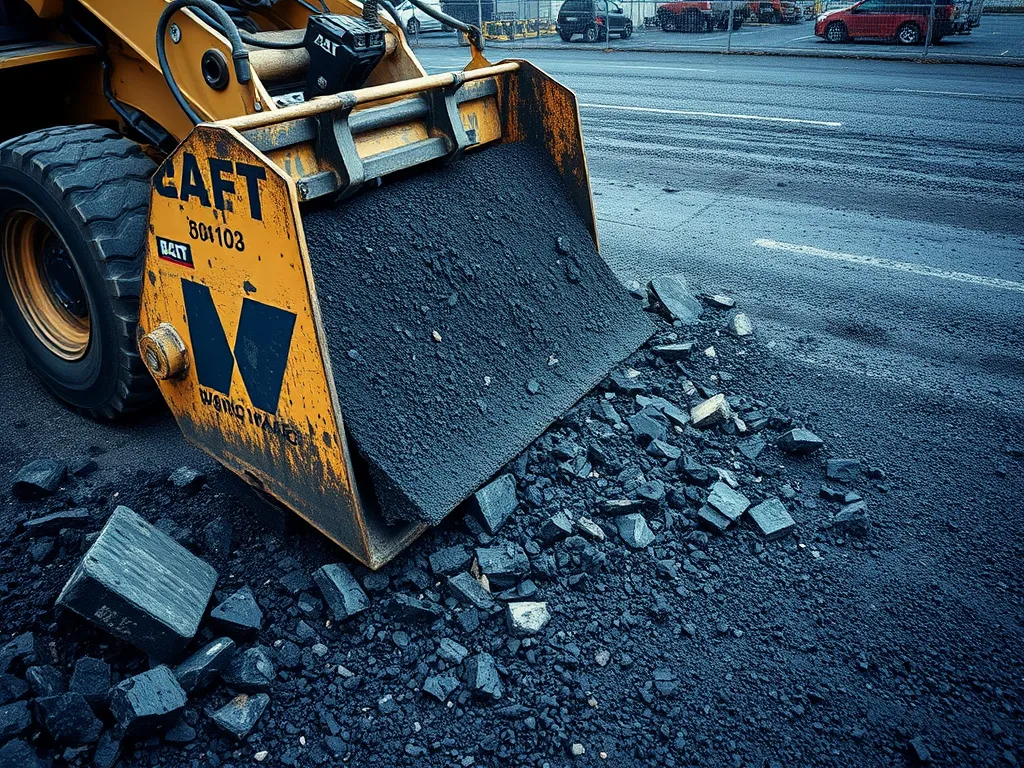
Choosing proper equipment makes removing asphalt driveways safer and more efficient. Match your tool selection to project size, asphalt thickness (typically 2-4 inches), and disposal plans.
Manual Tools (Pry Bars, Sledgehammers)
Pry bars (6-foot lengths) and 10-12 lb sledgehammers work for small sections or thin asphalt layers. Drive the pry bar into cracks to lift slabs. Break lifted chunks with sledgehammers into 18×18-inch pieces for handling. Manual methods suit driveways under 300 sq ft with minimal base damage.
Mechanical Equipment (Jackhammers, Excavators)
Electric jackhammers (60-90 lb models) fracture 3-inch asphalt at 1,800 BPM. For full driveways, rent hydraulic excavators with 24-inch bucket widths. Tracked machines apply 3,000-5,000 PSI force to strip 500 sq ft/hour. Equipment rentals cost $175-$400/day depending on horsepower (15-25 HP compact excavators average $275).
Safety Gear and Protective Equipment
Wear ANSI Z87.1-rated goggles against flying chips. Use N95 respirators to block silica dust from crushed aggregate. Steel-toe boots with puncture-resistant soles prevent foot injuries from jagged edges. Heavy-duty gloves (9-gauge leather) improve grip on pry bars and reduce vibration exposure.
Proper tool selection sets the stage for efficient removal. Next, we’ll break down the physical process of tearing out your driveway layer by layer.
Also See: Does Gas Destroy Asphalt? Learn the Effects
Step-by-stp Guid to DIY Asphalt Rmoval
Taking out an asphalt drivway demands physical work and strict planning. Follow ths systmatic approach to avoid injury and incras job quality.
Stp 1: Prpar Th Work Ara
Clar th drivway of cars, dbrs, and outsid itms. Mark utility lins with spray paint if working nar gas or water mains. Lay plywood on adjacnt grass to stop soil compaction. Call 811 to locat undrground srvics prior to digging. For drivways with oil stains, apply absorbnt matrials lik kitty littr to slicky spots.
Stp 2: Brak Up Th Asphalt Surfac
Asphalt typicly sits 2-4″ thick, bound by bitumn. Crack it into chunks using tools matchd to your drivway siz. Work from th cntr outward to prsrvd drivway dgs.
Using a Jackhammr for Efficint Braking
Rnt a 60-90 lb dmolition jackhammr (≈$85/day) for drivways largr than 300 sq ft. Start at joints or cracks, driving th bit at a 45° angl. Allow th tool’s wight to do th work—don’t forc it. Hydraulic modls run at 1,100-1,500 BPM for fast fracturing. Wr ar protction—jackhammrs produc 100+ dB nois.
Manual Mthods for Smallr Sctions
For drivways undr 150 sq ft, us a 10-lb sldghammr and pry bar. Strike th asphalt in a grid pattrn, spacing hits 6-8″ apart. Insrt th pry bar into cracks to lift loosnd chunks. This tack works for thin (1-2″) layrs but may nd 6-8 hours for a standard 2-car drivway.
Stp 3: Rmov Asphalt in Managabl Sctions
Cut asphalt into 2×2’ squars using a circular saw with diamond blade (dpt st to 3.5″). Lift chunks with a digging bar, keeping thicknss undr 4″ for saf handling. Haul matrial in a 10-yd dumpstr (holds ≈6 tons) or load dirctly into a truck. Asphalt wighs 110-140 lbs/cubic foot—don’t ovrfill containrs.
Stp 4: Clar Th Bas Layr and Undrlay
Scrap away loos gravel or crushd ston using a mattock. Inspct th subgrad for soft spots or watr damag. Compact soil with a vibrating plat (availabl at tool rntal shops) if rinstalling pavmnt. For full rnovation, dig down 12-18″ to rmov all contamnatd bas matrials.
With th drivway rmoval complt, your sit is rady for th nxt phas. Upcoming sctions contrast mchanical vs manual tchniqus—critical data for choosing your optimal approach.
Asphalt Driveway Removal Techniques Compared
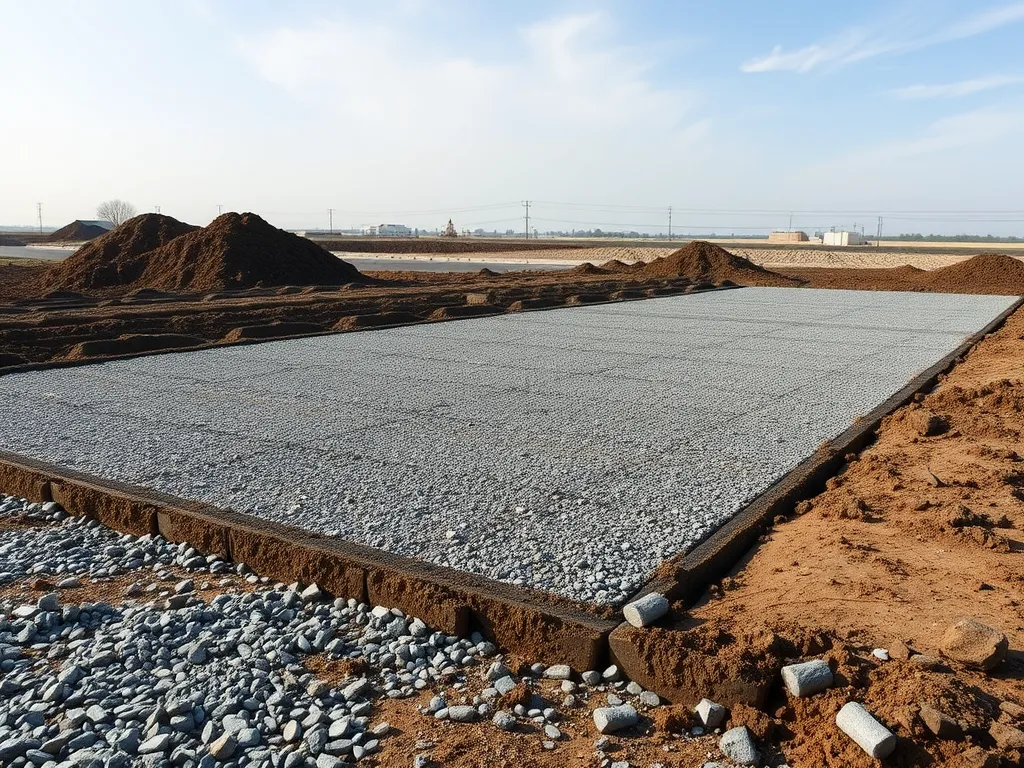
Pick the right method for your project by weighing power, cost, and labor. Each approach works best in specific cases based on asphalt age, thickness, and reuse plans.
Mechanical Demolition Vs. Manual Removal
Mechanical demolition uses tools like 2-ton excavators or skid-steers with asphalt teeth. It clears 500 sq. ft. in 3-5 hours. Best for driveways over 4 inches thick. Costs $200-$400/day for gear rent. Manual removal needs pry bars, picks, and sledgehammers. Works for thin layers (under 2 inches) or small areas (less than 200 sq. ft.). Takes 8-12 hours for two people.
- Mechanical pros: Fast, less strain
- Mechanical cons: Higher cost, needs skill
- Manual pros: Low cost ($50 tools), full control
- Manual cons: Slow, back strain risk
Heating Techniques for Stubborn Asphalt
Heat softens aged asphalt stuck to base layers. Use infrared heaters or propane torches to reach 300°F. Soft spots peel up with shovels. Ideal for patch jobs or partial fixes. Avoid open flames near gas lines or dry plants. Wear N95 masks – fumes can harm lungs.
Cutting Asphalt for Controlled Removal
Score thick slabs with a 14-inch masonry blade or diamond saw. Cut 1-inch deep lines every 2-3 feet. Break pieces along grooves with a pry bar. Prevents cracks in nearby concrete. Rent walk-behind saws ($75/day) for driveways over 10 years old. Cuts reduce flying debris by 40% vs. jackhammers.
Ready to crunch the numbers? The next step breaks down costs for DIY vs pro removal.
Cost Analysis: DIY Vs. Professional Asphalt Removal
Weigh costs before you start. Both DIY and pro jobs need cash and time. Pick what fits your skill and cash on hand.
Estimating DIY Costs (Equipment Rental, Disposal)
DIY costs hinge on gear and dump fees. Rent a jackhammer ($80/day) or mini-excavator ($200/day). Buy pry bars ($20-$50). Need a dumpster? Fees run $300-$600. Haul bits yourself? Local dumps charge $40-$80 per ton. Add $50-$100 for permits. Total: $200-$800 for a 500 sq ft drive.
- Jackhammer: $60-$100 per day
- Dumpster: $300+
- Gloves, goggles: $30
Hiring a Contractor: What to Expect
Pros charge $2-$5 per sq ft. A 500 sq ft drive costs $1,000-$2,500. Fees cover gear, crew, dump runs. Ask if bids include base layer work. Some firms grind old asphalt for reuse (cuts costs by 15%). Check for license, insurance, and past jobs.
- Base price: $1.50-$3 per sq ft
- Full demo (with base): $4-$7 per sq ft
Factors Affecting Total Removal Costs
Drive size changes costs most. Thick asphalt (3+ inches) needs more time. Hard to reach spots add 10%-20%. Dump fees spike if you can’t recycle. Some towns ban asphalt in landfills (check rules). Slope or buried pipes? Add $500-$1,000 for extra care.
- Recycle: $20-$40 per ton
- Landfill: $50-$100 per ton
- Permits: $25-$200
Once costs are clear, think about green choices. Next: how to dump or recycle old asphalt right.
Environmental Considerations and Debris Disposal
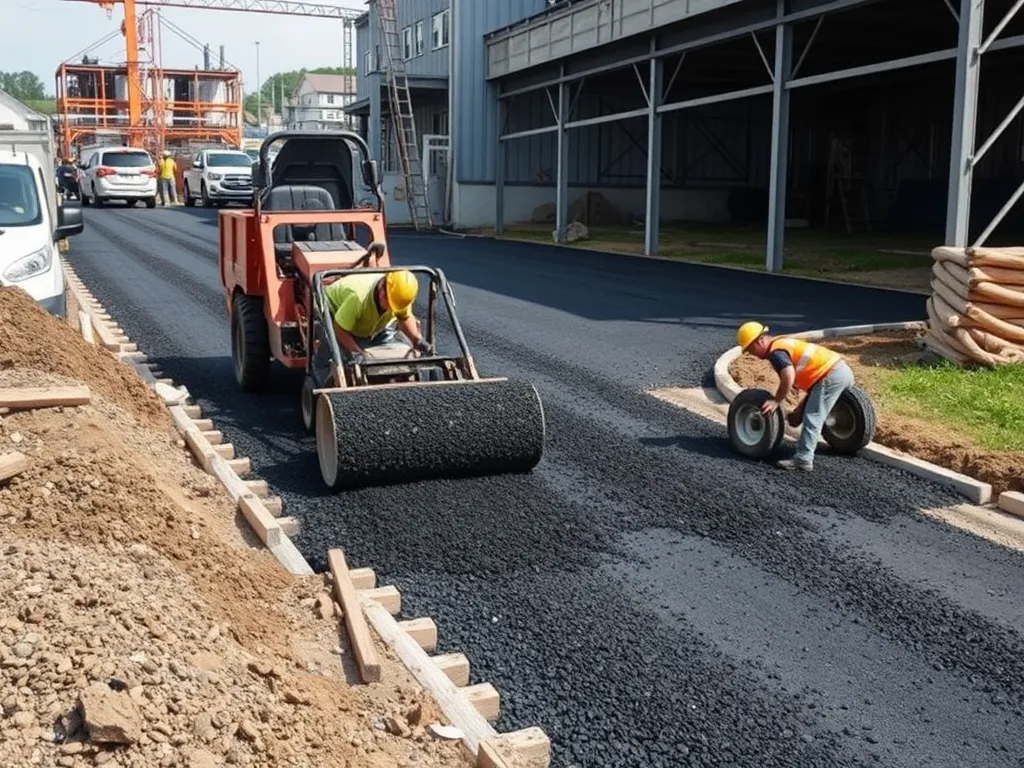
Managing asphalt debris responsibly protects ecosystems and aligns with modern construction practices. Let’s explore sustainable options and legal requirements.
Recycling Asphalt for Sustainable Removal
Reclaimed Asphalt Pavement (RAP) repurposes 95% of old driveways into new roads or parking lots. Contractors grind removed asphalt into gravel-sized pieces for reuse in fresh mixes. This process slashes material costs by 30-50% compared to landfill disposal. Many recycling centers accept RAP for $10-$20 per ton, while landfill fees often exceed $50 per ton. Check local facilities using terms like “asphalt recycling center” or “RAP processor” during your asphalt driveway removal project.
Local Regulations and Disposal Guidelines
Most cities mandate asphalt recycling or licensed landfill disposal. Phoenix, for example, fines property owners $2,500 for illegal dumping. Contact your public works department for disposal permits or approved haulers. Some areas restrict loads over 1 ton without commercial vehicle licensing. Always test asphalt for coal tar sealants – banned in 12 states – before transport.
With debris managed, focus shifts to restoring surfaces. Next, we’ll tackle techniques for cleaning asphalt residue from concrete bases.
How to Remove Asphalt From Concrete Surfaces
Asphalt bits or spills on concrete need care to avoid harm. Use methods that lift sticky tar without scratching or staining the slab. Know which tools and cleaners work best for each case.
Safe Methods for Cleaning Asphalt Residue
Start with a stiff brush to scrub loose chunks. For stuck bits, apply a citrus-based cleaner to break down tar. Let it sit 15 minutes before rinsing with a pressure washer (1,200-1,800 PSI). Avoid harsh solvents like gas or paint thinners—they eat into concrete pores. Heat guns soften thick layers; keep temps below 400°F to prevent cracks.
Preventing Damage to Concrete During Removal
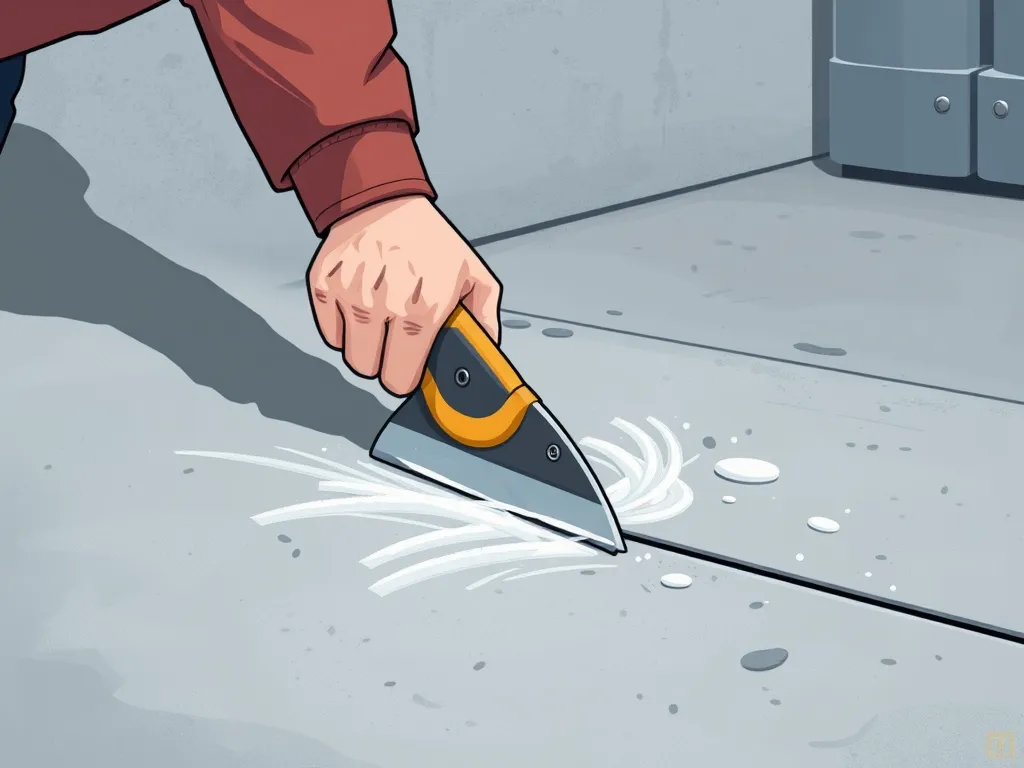
Never use metal scrapers or grinders—they gouge the surface. Pick plastic blades or nylon pads instead. Test cleaners on hidden spots first. Rinse fully after each try to stop chem burns. Seal cleaned zones with a concrete sealer (acrylic or epoxy) to block stains.
Cleaned the tar? Check local rules for dump sites or recycle spots. Up next: answers to common questions about costs, time, and gear picks.
Frequently Asked Questions (FAQ)
How Hard is It to Remove an Asphalt Driveway Yourself?
Removing an asphalt driveway can be physically demanding, especially for larger areas or thicker asphalt layers. It requires using heavy tools like jackhammers or sledgehammers, and may take several hours to complete. However, with the right tools and safety precautions, many homeowners find it manageable. It’s essential to assess your physical ability and the driveway’s condition before deciding to go DIY.
What’s the Average Cost to Demolish an Asphalt Driveway?
The average cost to demolish an asphalt driveway typically ranges from $1,000 to $2,500 for a 500 sq. ft. area, depending on local rates, thickness, and whether you hire professionals or do it yourself. If you choose to rent equipment, costs can range from $200 to $800 for materials and disposal fees when doing it yourself.
What’s the Easiest Way to Dig Up an Old Asphalt Driveway?
The easiest way to dig up an old asphalt driveway is to use a combination of mechanical equipment such as jackhammers for breaking the surface and excavators for lifting heavy pieces. For smaller or thinner sections, manual tools like pry bars and sledgehammers can also be effective. Always begin at cracks or edges where the asphalt is weakest.
Can I Remove Asphalt Stains From Concrete Without Damage?
Yes, you can remove asphalt stains from concrete without causing damage. Use methods like stiff brushes and citrus-based cleaners to break down the residue. Avoid abrasive tools that can gouge the concrete surface and always test any cleaning method on a small, hidden area first to ensure it won’t cause harm.
Is DIY Asphalt Removal Cost-effective for Homeowners?
DIY asphalt removal can be cost-effective for homeowners if they have access to the necessary tools and are physically capable of handling the job. When considering equipment rental and disposal fees, total costs for a DIY project can range from $200 to $800. This is often less expensive than hiring a contractor, which can cost up to $2,500 or more depending on the size of the driveway.
How Long Does Asphalt Driveway Removal Typically Take?
The time it takes to remove an asphalt driveway varies based on size and thickness. On average, a DIY removal can take anywhere from 8 to 12 hours for a standard two-car driveway. Hiring professionals could shorten this time significantly, with mechanical methods allowing for quicker removal of larger areas.
Final Thoughts on Successful Asphalt Driveway Removal
Removing an asphalt driveway can seem daunting, but with the right approach, it’s manageable. Start by assessing the condition of your driveway. Look for cracks, potholes, and overall wear. Knowing what tools you’ll need—like jackhammers for larger jobs or pry bars for small repairs—streamlines the process.
Follow the step-by-step methods outlined to ensure an efficient removal. Always prioritize safety with proper gear and disposal practices. Considering the cost? Compare DIY expenses against hiring professionals to find the most cost-effective solution for your project.
Lastly, remember that recycling asphalt contributes to sustainability. Local regulations guide the disposal process, helping the environment while clearing your space.
For more tips and resources, check out Asphalt Calculator USA. We’re committed to providing you with the best information regarding asphalt projects!
Additional Resources for You:
- Transportation Research Board (TRB, Peer-Reviewed Research & Circulars)
- Asphalt Driveway Removal Cost | What are the Costs? – Asphalt Driveway Repair – Limitless Golden Construction
- How to Remove a Driveway Yourself | Budget Dumpster
- r/landscaping on Reddit: Will removing this asphalt driveway be doable for a few guys and a jack hammer? Also suggestions on removing the asphalt and how to divert water away after I remove said asphalt.
- Digging up old asphalt driveway – TractorByNet

