
How to Protect Asphalt From UV Damage
Published on: February 7, 2026 | Last Updated: April 14, 2025
Written By: George Voss
Protect asphalt from UV damage by applying sealcoating with UV inhibitors, using shade solutions, and repairing cracks quickly. UV radiation breaks down the bitumen binder in asphalt, causing oxidation, surface cracks, and faded color. This chemical breakdown weakens pavement structure, making it brittle and prone to potholes. Effective protection combines sealants with UV blockers (like coal tar or asphalt-based formulas), physical shade structures, and light-reflective treatments to deflect heat.
This article explains proven techniques to block UV damage. Learn how UV rays degrade asphalt binders, compare high-performance sealcoats, and explore shade options like canopies or trees. Get step-by-step guidance on crack repairs, reflective aggregate mixes, and eco-friendly products. Discover how proper UV protection extends pavement life by 5-10 years and cuts maintenance costs by up to 30%. We’ll cover material calculators, application tools, and top-rated sealants like GuardTop or Jetcoat Blacktop for DIY or professional use.
Contents
- Understanding UV Damage to Asphalt
- Methods to Shield Asphalt From UV Damage
- Benefits Of Protecting Asphalt From UV Rays
- Tools and Planning for UV Protection
- Environmentally Friendly UV Protection Strategies
- Top Products for Asphalt Sun Protection
- FAQs: Protecting Asphalt From Sun Damage
- Closing Thoughts
- Additional Resources for You:
Understanding UV Damage to Asphalt
Sunlight doesn’t just warm pavement—it actively breaks down asphalt’s core components. Ultraviolet rays trigger chemical changes that weaken structural integrity over time.
What Happens to Asphalt in the Sun?
Asphalt’s binder—bitumen—softens at 140°F and hardens below 50°F. Daily temperature swings combined with UV exposure cause expansion and contraction. This stress leads to micro-cracks that widen with repeated cycles.
Effects of UV Radiation on Asphalt Binders
UV rays break bitumen’s molecular chains, reducing flexibility. PG 64-22 binders, common in temperate climates, lose 30% elasticity after 5 years of sun exposure. Polymer-modified binders resist better but still degrade at 1-2% annually without protection.
Does Asphalt Absorb UV Radiation?
Yes. Dark surfaces absorb 80-90% of UV radiation versus 20% for light-colored materials. This absorption converts to heat, raising asphalt temperatures to 160°F in summer. The trapped energy accelerates binder breakdown and aggregate separation.
Signs Of UV Damage on Asphalt Surfaces
Early detection prevents costly repairs. Look for these red flags before small issues become major defects.
Cracking, Fading, and Surface Degradation
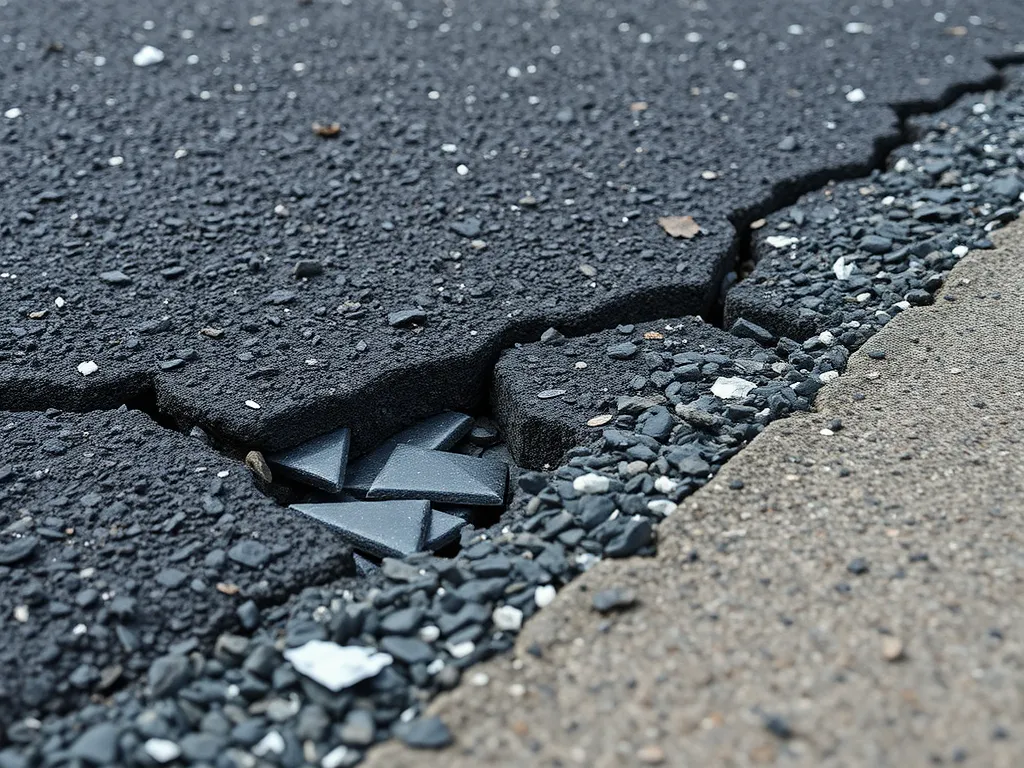
Alligator cracks (interconnected web-like patterns) signal advanced binder failure. Linear cracks longer than 1/4″ allow water infiltration. Fading from jet-black to gray indicates bitumen loss—typically 0.5-1mm per year in unshielded asphalt. Raveling—loose stones on the surface—shows aggregate detachment from degraded binders.
Spotting these warning signs early? Time to act. Next, we’ll break down practical strategies to block UV rays and maintain pavement strength.
Proactive measures can counteract sun damage. Let’s examine the most effective techniques for shielding asphalt surfaces.
Methods to Shield Asphalt From UV Damage
Preserving asphalt surfaces requires proactive defense against ultraviolet rays. These strategies slow binder breakdown, maintain structural integrity, and retain surface aesthetics.
Apply Asphalt Sealcoating With UV Protectants
Sealcoating creates a barrier between asphalt and sunlight. High-quality formulas with UV inhibitors block up to 80% of harmful rays. Apply every 2-3 years using spray systems or squeegees for full coverage.
Choosing the Right Sealcoat for UV Resistance
Coal tar-based sealants provide superior UV defense, lasting 30% longer than asphalt-emulsion types. Look for products meeting ASTM D-669 specifications with 35-45% solids content. Additives like titanium dioxide boost reflectivity, cutting surface temperatures by 10-15°F.
Use Protective Coverings and Shade Solutions
Physical barriers reduce direct sun exposure. Temporary options work for driveways, while permanent installations suit parking areas.
Installing Shade Sails or Canopies
UV-stable polyethylene fabrics block 90-95% of rays. Install tensioned sails 10-12 feet above pavement using galvanized steel posts. Position for maximum summer shade—angled 30° south in northern climates.
Planting Trees for Natural Shade Coverage
Deciduous trees like maple or oak planted 15-20 feet from edges provide cooling summer canopy. Evergreens work for year-round coverage. Maintain 6-foot clearance between trunks and pavement to prevent root damage.
Opt for Light-colored Surface Treatments
Light surfaces reflect 50-60% more sunlight than standard black asphalt. This lowers heat buildup that accelerates binder evaporation.
Reflective Aggregates to Reduce Heat Absorption
Mix limestone or quartz chips into surface layers during paving. These aggregates maintain 20-30°F cooler temps compared to traditional mixes. Use 3/8” size stones for optimal reflectivity without compromising compaction.
Repair Cracks Promptly to Prevent Further Damage
Unsealed cracks let UV rays penetrate subsurface layers. Immediate filling stops oxidation from spreading through the pavement structure.
Importance of Crack Filling in UV Protection
Use rubberized asphalt filler for cracks wider than 1/8”. Clean debris with compressed air before application. Properly sealed cracks reduce UV-induced raveling by 70% compared to untreated ones.
Implementing these measures creates layered defense against solar degradation. Next, explore how UV protection translates into extended pavement life and reduced repair needs.
Benefits Of Protecting Asphalt From UV Rays
Shielding asphalt from ultraviolet radiation delivers measurable advantages beyond surface-level preservation. Proactive strategies combat chemical breakdown while optimizing pavement performance over decades.
Extending Asphalt Lifespan and Durability
UV-blocking treatments slow oxidation – the process where sunlight degrades asphalt binders (bitumen). Unprotected surfaces lose 30-40% of binder elasticity within 5 years, causing cracks. Sealcoats with carbon black additives reflect 90% of UV rays, preserving binder integrity. This can extend pavement life from 12 to 25+ years in moderate climates.
High-performance PG binders (performance-graded asphalt) combined with reflective aggregates further boost UV resistance. Arizona DOT studies show these mixes reduce surface temperatures by 12°F, cutting thermal stress damage by 18%.
Reducing Long-term Maintenance Costs
Every $1 spent on UV protection saves $4-6 in future repairs. Here’s why:
- Sealcoating costs $0.15-$0.25/sq ft vs. $3.50/sq ft for asphalt replacement
- Crack filling frequency drops from annual to biennial with UV inhibitors
- Reflective coatings lower infrared absorption, reducing pothole formation by 65%
Commercial parking lots using acrylic-based sealants report 22% lower maintenance budgets over 10 years compared to unsealed surfaces.
With these benefits clear, proper tools and precise calculations become critical for maximizing UV defense strategies. Let’s examine the equipment and planning needed for effective implementation.
Also See: Impact Of Climate on Asphalt Performance
Tools and Planning for UV Protection
Proper tools paired with precise planning form the backbone of effective UV defense for asphalt surfaces. Skipping these steps risks uneven coverage or wasted materials.
Asphalt Calculator for Project Planning
Use specialized tools like the Asphalt Calculator to determine exact material needs. Enter your pavement’s dimensions to get instant estimates for sealcoat gallons, reflective coatings, or repair fillers. This prevents overbuying while ensuring full UV-resistant coverage.
Estimating Sealcoat and Material Quantities
Sealcoat coverage typically spans 50–75 sq ft per gallon depending on texture. For example, 1,000 sq ft requires 14–20 gallons. Pair this with crack fillers at 1 lb per 10 linear feet of cracks. Reference this table for common projects:
| Project Size (sq ft) | Sealcoat Needed (gallons) | Crack Filler (lbs) |
|---|---|---|
| 500 | 7–10 | 5 |
| 1,500 | 20–30 | 15 |
Essential Equipment for DIY UV Protection
Quality tools ensure smooth application of UV-blocking products. Without them, achieving uniform layers becomes difficult, leaving weak spots vulnerable to sun damage.
Sprayers, Squeegees, and Safety Gear
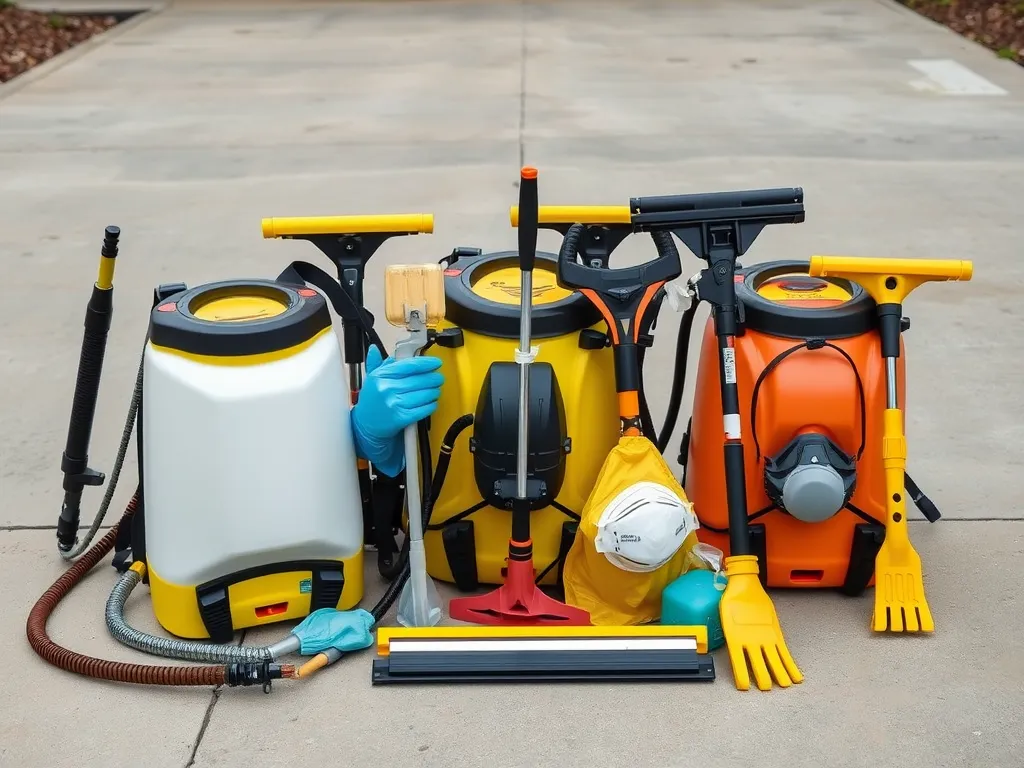
Use backpack sprayers for large driveways, delivering 2.5–3 gallons per minute. Opt for squeegees with ½” nap pads to spread sealcoat evenly. Protect skin with nitrile gloves, N95 respirators, and goggles. For reflective coatings, choose rollers with 3/8” sleeves to maintain 10–12 mil thickness.
With materials measured and tools ready, shifting focus toward sustainable methods elevates UV defense while supporting eco-goals.
Environmentally Friendly UV Protection Strategies
Green methods can shield asphalt from sun harm while caring for the planet. These steps mix smart tech with nature-based fixes.
Sustainable Sealcoat Options
Bio-based sealers made from soy or plants fight UV rays without harsh chems. These coatings block sun damage using natural oils and resins. Look for low-VOC blends (under 100g/L) certified by Green Seal or EcoLogo. They last 2-3 years and cost $0.15-$0.30 per sq ft.
Balancing Shade Solutions With Landscaping
Plant trees 15-20 feet from edges to cast shade without root harm. Choose native types like oak or maple with deep roots. Pair with gravel beds or porous pavers near trunks to stop asphalt cracks. Add shade sails on steel posts for spots where trees can’t grow.
Ready to explore top-rated products that block UV rays? The next section breaks down the best sealants and reflective coats for your needs.
Top Products for Asphalt Sun Protection
Selecting the right materials plays a critical role in blocking solar radiation and preserving pavement integrity. Here are top-performing solutions for defending against sun-induced wear.
High-quality Sealants With Solar Blockers
Premium sealcoats infused with solar-blocking additives form a shield against oxidation and fading. Coal tar-based sealants offer 85-90% UV resistance, while advanced asphalt-emulsion formulas like Gilsonite-based blends provide 75-80% protection. These products typically cover 90-120 sq. ft. per gallon and last 2-3 years before reapplication.
| Product Type | Coverage | Lifespan | Best For |
|---|---|---|---|
| Coal Tar Sealant | 100 sq. ft./gal | 3 years | High-traffic areas |
| Polymer-Modified | 120 sq. ft./gal | 2.5 years | Residential driveways |
Reflective Coatings for Driveways and Pavements
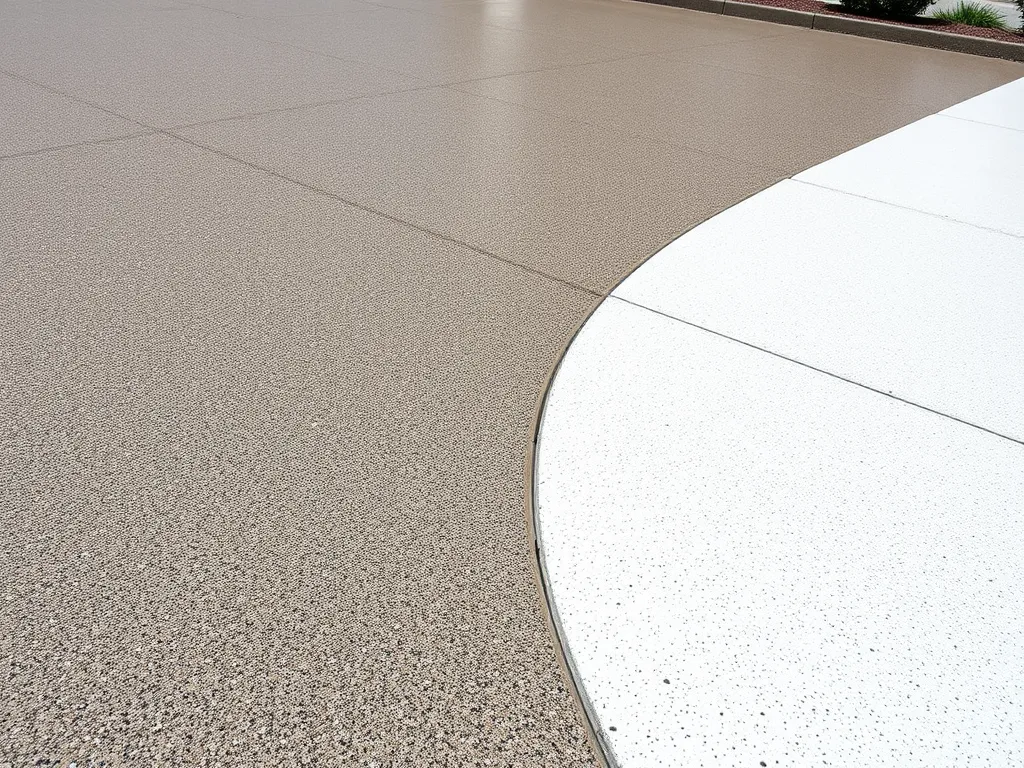
Light-reflective treatments slash surface temps by 20-35°F, minimizing thermal expansion. Acrylic-based coatings with ceramic microspheres achieve Solar Reflectance Index (SRI) values up to 35, outperforming standard asphalt’s SRI of 5. Products like SealMaster’s SolarFlex 500 reflect 30% more light than conventional sealants, with coverage rates of 50-70 sq. ft. per gallon.
- Reduce heat absorption by 40-60%
- Available in gray, tan, or white tints
- Lasts 4-5 years with proper maintenance
For optimal results, combine these products with regular crack repairs and cleaning. Let’s explore common questions about timing, reversal of existing damage, and maintenance schedules.
FAQs: Protecting Asphalt From Sun Damage
How Soon Should New Asphalt Be Sealed?
New asphalt should generally be sealed within 6 to 12 months of installation. This allows enough time for the asphalt to cure and harden, ensuring optimal adhesion of the sealcoat. Sealing too early can trap moisture within the asphalt, leading to future problems.
Can Existing UV Damage Be Reversed?
While existing UV damage cannot be fully reversed, its effects can be mitigated through proper repairs. Filling in cracks and applying a high-quality sealcoat can help restore some of the asphalt’s protective qualities and improve its overall appearance. In extreme cases, resurfacing may be necessary.
How Often Should Sealcoat Be Reapplied?
Sealcoat should typically be reapplied every 2 to 3 years for optimal UV protection. Regular inspections can help determine if earlier reapplication is needed, especially in high-traffic areas or regions with intense sun exposure. Monitoring the surface’s appearance and performance will ensure timely maintenance.
Closing Thoughts
Protecting asphalt from UV damage is vital for maintaining its integrity and extending its lifespan. Applying sealcoating, using protective coverings, and opting for light-colored treatments are effective strategies.
Regular maintenance, including prompt crack repairs, further safeguards your investment. By taking these steps, you can reduce long-term costs and ensure your asphalt remains resilient against the sun’s harsh rays.
For more detailed information and resources, visit Asphalt Calculator USA.
Additional Resources for You:
- ASTM International (Asphalt & Pavement Standards)
- Will Sealing a Parking Lot Protect it from UV Rays? – Asphalt Sealcoating
- A Brief Guide to UV Rays & Asphalt – Professional Asphalt Service, Inc.
- The Negative Effects of Sun & Heat on Asphalt – Johnson and Sons Paving
- UV Rays’ Affect on Asphalt Shingles – B&M Roofing of Colorado

