How to Properly Store Asphalt Tools: Expert Maintenance Guide
Published on: February 8, 2026 | Last Updated: April 14, 2025
Written By: George Voss
Properly storing asphalt tools requires cleaning off sticky bitumen residue, drying metal surfaces, and shielding equipment from moisture. This process differs from standard tool storage due to asphalt’s corrosive nature. Immediate removal of tar-like buildup prevents pitting in rakes, lutes, and tampers. Coat blades with rust inhibitors and hang tools vertically to avoid warping handles or blades.
This guide explains step-by-step methods to protect your equipment. Learn how to clean hardened asphalt from shovels, choose storage-friendly lubricants, and organize tools in garages or job sites. We’ll cover winterizing techniques for freezing temperatures, humidity control for metal parts, and cost-saving strategies to extend your tools’ lifespan by 5-10 years. Detailed FAQs answer common issues like preventing adhesion or handling concrete floor moisture.
Contents
- Importance Of Proper Asphalt Tool Storage
- Cleaning Asphalt Tools Before Storage
- Ideal Storage Environments for Asphalt Equipment
- Maintaining Asphalt Tools During Storage
- Winter Storage Tips for Asphalt Tools
- Garage Storage Best Practices for Asphalt Tools
- Preventing Damage &Amp; Corrosion in Asphalt Tools
- Asphalt Tool Storage FAQs
- Closing Thoughts
- Additional Resources for You:
Importance Of Proper Asphalt Tool Storage
Storing tools correctly ensures they stay functional through multiple projects. Neglecting this step leads to premature wear, safety risks, or complete failure during critical jobs.
Extending the Lifespan Of Asphalt Equipment
Proper storage practices keep tools functional for years. Steel rakes, lutes, or tampers left in wet conditions develop corrosion within weeks. Even PG (performance-graded) binders on equipment surfaces degrade when exposed to extreme heat or freezing temps. Storing tools in dry, climate-controlled spaces stops metal fatigue. It also prevents rubber handles from cracking due to UV exposure.
Preventing Costly Repairs and Replacements
Dirty tools cost money. Leftover mix hardens on vibratory rollers or screed plates. This forces motors to work harder, burning 15-20% more fuel during next use. Rusty mixer blades require replacement 3x faster than maintained ones. Investing in storage racks or sealed containers cuts repair bills by up to 35% annually.
Effective storage starts with removing contaminants. Next, let’s examine methods for cleaning tools before stowing them.
Cleaning Asphalt Tools Before Storage
Proper asphalt tools storage starts with eliminating sticky residue and moisture. Skipping this step risks permanent damage to blades, handles, and moving parts. Follow these steps to prep equipment for short-term or seasonal storage.
Removing Asphalt Residue Effectively
Fresh asphalt binds to metal surfaces within minutes. Act fast: scrape off excess material while warm using a hand scraper or stiff putty knife. For hardened build-up, apply controlled heat (under 300°F) with a propane torch to soften the asphalt. Avoid abrasive grinding wheels—they strip protective coatings from tools like asphalt rakes or lutes.
Recommended Cleaning Solutions for Asphalt-build-up
Diesel fuel dissolves bitumen but requires careful handling. Eco-friendly alternatives include citrus-based solvents like Goo Gone or commercial asphalt removers such as Rust-Oleum Krud Kutter. Spray solutions liberally, wait 5-7 minutes, then scrub with brass-bristle brushes. Always wear nitrile gloves and safety goggles during asphalt equipment storage prep.
Drying Techniques to Prevent Rust
Moisture triggers oxidation in steel tools. Blow compressed air (60-80 PSI) into joints and crevices. Wipe surfaces with microfiber cloths, then air-dry for 2-3 hours in low-humidity areas. For shovels or tampers, apply a thin layer of WD-40 Specialist Corrosion Inhibitor. Store silica gel packs near asphalt paving tools storage areas to absorb ambient moisture.
Once tools are clean and dry, focus shifts to creating optimal storage conditions. Temperature control and organization methods directly impact asphalt tool maintenance success.
Ideal Storage Environments for Asphalt Equipment
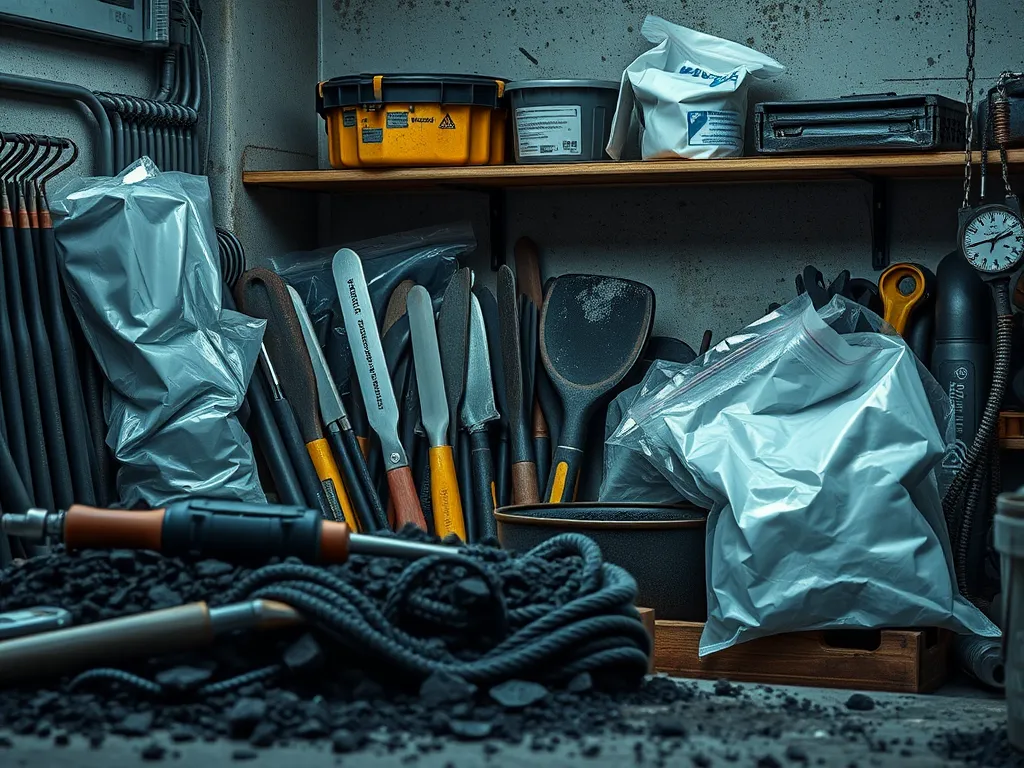
Proper asphalt tools storage starts with where you keep them. The right space stops rust, warping, and wear.
Temperature Control for Metal Tools
Store metal tools in spaces kept between 50-70°F. Big swings in heat make steel expand and shrink. This weakens edges on rakes, lutes, and shovels. Avoid spots near heaters or sun-facing walls. Use sheds with insulation for temp-sensitive gear like infrared heaters.
Humidity Management to Avoid Corrosion
Keep air moisture under 50% to stop rust. Damp air eats through blades on asphalt cutters or tampers. Add silica gel packs to toolboxes. For large gear, use dehumidifiers or sealed cabinets with rust-proof liners. Galvanized steel racks work better than wood in wet zones.
Clean &Amp; Organized Storage Spaces
Clear dirt, rocks, and old asphalt bits before storing. Leftover grit grinds down metal surfaces. Hang hand tools on PVC hooks or wall racks. Label shelves for pavers, brooms, and lutes. Use plastic bins with lids for small parts like bolts or nozzles. Neat spaces save time and cut injury risks.
Setting up smart asphalt equipment storage now makes upkeep easier later. Next, learn how to keep gear in top shape while it sits unused.
Also See: How to Extend the Life Of Your Asphalt Driveway
Maintaining Asphalt Tools During Storage
Proper care during storage preserves performance and prevents breakdowns. Follow these strategies to keep asphalt tools ready for action.
Regular Inspection Schedules
Check stored tools every 30 days. Use a flashlight to spot rust on rakes, cracks in tamper handles, or worn squeegee edges. Inspect hydraulic lines on pavers for dry rot. Record findings in a maintenance log – note issues like pitting on steel blades or loose bolts on asphalt saws.
Lubrication &Amp; Protective Coatings for Metal Parts
Apply WD-40 Specialist® Corrosion Inhibitor or fluid film lubricant to metal surfaces. Coat shovel blades, compactor plates, and trowel edges. For long-term asphalt equipment storage, use LPS 3 Heavy-Duty Rust Inhibitor. Wipe excess product with lint-free cloths to avoid attracting dust.
| Product | Use Case | Reapplication |
|---|---|---|
| Silicone spray | Rubber-tire rollers | Every 90 days |
| Boeshield T-9 | Steel screed bars | 6 months |
| Linseed oil | Wooden handles | Annual |
Addressing Minor Damage Early
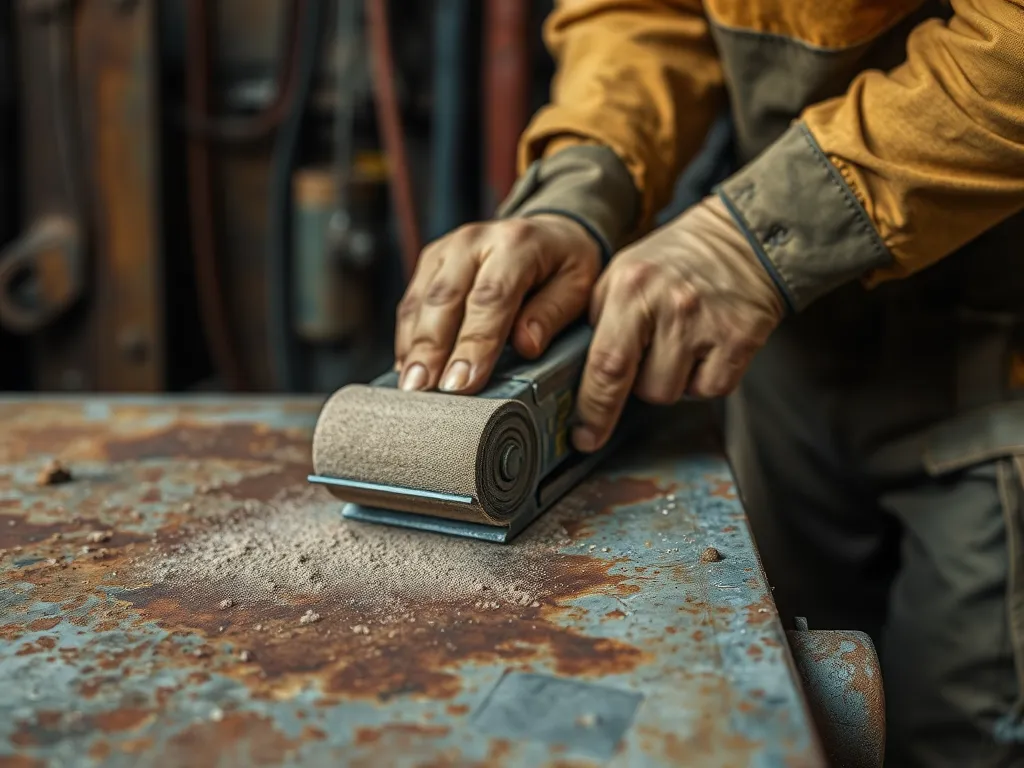
Fix surface rust immediately with 80-grit sandpaper – left untreated, it can reduce steel strength by 15% in humid conditions. Replace cracked leveler pads measuring over 1/8” deep. Tighten loose vibratory compactor bearings using ½” drive torque wrenches set to 75-110 ft-lbs specifications.
Preparing tools for winter demands extra precautions. Let’s explore cold-weather strategies that prevent freezing damage.
Winter Storage Tips for Asphalt Tools
Cold weather threatens asphalt tools with cracks, rust, and seized parts. Follow these steps to protect gear through frost, snow, and sub-zero temps.
Preventing Freezing Damage to Handles and Blades
Wood or fiberglass handles split when wet then frozen. Dry rags wipe off snow, while sealant sprays shield wood. Metal blades need oil to block ice buildup. Store tools in a shed or box, never left in open air. A 50/50 mix of white vinegar and water breaks up stuck asphalt before storage.
Winter-safe Lubricants for Asphalt Equipment
Standard oils thicken below 32°F, causing gears to stick. Use cold-grade sprays like WD-40 Specialist (-50°F rating) or LPS 3. Coat joints, blades, and moving parts. These formulas stay thin in frost, stopping rust without gumming up.
Insulated Storage Solutions for Extreme Cold
Foam-lined boxes or thermal wraps keep tools above 20°F. For sheds, add fiberglass batts to walls. In garages, set gear on racks away from doors. A small space heater (with auto-shutoff) maintains safe temps. Silica gel packs absorb damp air that leads to ice.
Proper winter prep sets the stage for smart garage storage. Next, learn how to arrange tools for easy access while fighting moisture and floor contact.
Garage Storage Best Practices for Asphalt Tools
Storing asphalt tools in a garage needs smart plans to block rust, save space, and keep gear ready for use. Follow these steps to guard your gear from harm.
Tool Racks &Amp; Hanging Systems for Accessibility
Wall racks or pegboards stop tools from piling on shelves. Hang long tools like lutes and rakes on wall hooks to keep them straight and stop bending. Use slots for hand tampers or chisels to grab them fast. Label each spot to save time. Metal hooks with rubber tips shield tools from scrapes.
- Mount racks 4-6 feet high for ease
- Leave 2-3 inches between tools to avoid dents
- Store heavy rollers on low, wide shelves
Moisture Barriers &Amp; Ventilation Strategies
Garages trap damp air that rusts metal blades and handles. Lay plastic sheets under racks to block floor moisture. Run a dehumidifier set to 40-50% RH. Place silica gel packs near steel edges. Add roof vents or fans to move stale air out. Check for leaks near doors or windows each month.
- Use foil-faced foam on walls to stop sweat
- Wipe tools with WD-40® before storage
- Open vents twice a week for 1-2 hours
Avoiding Direct Contact With Concrete Floors
Concrete holds moisture that eats through metal bases. Set pallets or rubber mats under gear to lift it 3-4 inches. For big tools like asphalt kettles, use wood blocks under legs. Wrap handles in wax paper to block floor damp. Never park gear on bare slabs more than 24 hours.
- Pick mats 1/4-inch thick or more
- Swap damp wood blocks every 3 months
- Spray metal legs with rust shield every 6 weeks
Smart garage storage sets up your gear for the next job. Now let’s tackle ways to stop rust and wear during long breaks.

Preventing Damage &Amp; Corrosion in Asphalt Tools
Metal tools face relentless threats from moisture, temperature shifts, and physical impacts during storage. Proper protection ensures your equipment stays battle-ready for the next asphalt job.
Rust Prevention Techniques for Prolonged Storage
Apply a thin coat of oil-based lubricant like WD-40 Specialist Long-Term Corrosion Inhibitor to metal surfaces. For tools stored over 30 days, use vapor corrosion inhibitor (VCI) paper wraps or silica gel packs in sealed containers. Electroplated steel tools benefit from paste wax applied every 90 days – melts at 150°F, bonds to metal pores. Avoid cloth rags; they trap moisture. Opt for rust-resistant storage racks with baked-on powder coatings.
Benefits Of Tool Storage Bags for Asphalt Equipment
Heavy-duty 1000D polyester bags with PVC liners block humidity and road salt. Look for models with welded seams and UV-resistant zippers (e.g., ToughBuilt 22″ Contractor Bags). Store vibratory plate compactor feet in separate compartments to prevent dents. Pro tip: Place desiccant packs inside bags for tools kept in unheated sheds. Reduces rust risk by 40% compared to open-air storage.
Applying Rubber or Foam Guards to Delicate Parts
Protect tamper handles and lute blade edges with 3/8″ closed-cell foam tubing ($2.50/ft at hardware stores). For screed plates, use 1/4″ neoprene sheets cut to size – withstands temperatures from -20°F to 180°F. Heat-shrink tubing works for exposed bolts on asphalt rakes: shrink at 300°F with a torch, creates watertight seals. Replace guards every 2-3 years as materials degrade.
With protective measures in place, seasonal changes demand specific adaptations. Let’s explore winter-proofing strategies for your asphalt gear.
Asphalt Tool Storage FAQs
How Do You Store Asphalt?
Asphalt should be stored in a climate-controlled environment away from extreme temperatures and moisture to maintain its integrity. Utilize sealed containers or insulated sheds to prevent hardening and contamination.
How Do You Keep Asphalt From Sticking to Tools?
To prevent asphalt from sticking, apply a lubricant such as a silicone spray or a specialized asphalt release agent on the tools before use. Regular cleaning after each job is also essential to minimize buildup.
How Do You Clean Asphalt Off Tools?
Clean asphalt off tools by scraping off excess with a putty knife while warm. Use polyester rags with degreasing solutions to remove residue. For tougher buildups, a combination of heat application and chemical solvents may be necessary.
How Long Can Asphalt Be Stored?
Asphalt can be stored for up to 6 months if kept at the right temperatures and conditions, but its quality diminishes with prolonged storage. Always check manufacturer guidelines for specific recommendations.
How Do You Properly Store Asphalt Tools in the Winter?
During winter, asphalt tools should be kept in a dry, insulated space. Utilize thermal wraps and prevent moisture buildup by applying winter-safe lubricants to protect against rust and freezing damage.
How Do You Properly Store Asphalt Tools in a Garage?
In a garage, use wall racks and moisture barriers to store asphalt tools. Ensure tools are elevated from concrete floors, and maintain proper ventilation to reduce humidity levels that promote rust.
Closing Thoughts
Properly storing asphalt tools is vital for prolonging their lifespan and maintaining efficiency. Cleaning, organizing, and protecting your equipment can save money and extend usability in your projects. Remember to consider environmental factors, including temperature and humidity, as these significantly impact your tool condition. Regular inspections and the right storage practices can help avoid costly damage.
Explore more about asphalt tool storage and other detailed guidelines at Asphalt Calculator USA. Ensuring you have reliable information will provide a solid foundation for maintaining your tools effectively.
Additional Resources for You:
- Roberts, F. L., Kandhal, P. S., Brown, E. R., Lee, D. Y., & Kennedy, T. W. (1996). Hot Mix Asphalt Materials, Mixture Design, and Construction (2nd ed.). National Asphalt Pavement Association (NAPA).
- How to Store Asphalt Sealer Properly to Preserve Your Purchase
- DIY Tips for Removing an Asphalt Driveway ♻
- Asphalt Tools and How to Use Them – Sunrise Asphalt
- AsphaltPro Magazine| AsphaltPro Magazine | Make A Safe Place to Store Tools