
How to Prevent Potholes in Asphalt: Road Care That Actually Works
Published on: February 6, 2026 | Last Updated: April 14, 2025
Written By: George Voss
Preventing potholes in asphalt starts with blocking water damage and fixing small cracks fast. Use crack sealants within 48 hours of spotting fractures, maintain a 2% drainage slope, and install asphalt with PG 64-22 binder (a weather-resistant glue for pavement). These steps stop the main culprits: freeze-thaw cycles that expand cracks, heavy trucks that stress weak spots, and poor drainage that washes away base layers. Proper care adds 10-15 years to pavement life while slashing repair costs by 50%.
This guide covers asphalt protection from driveway to highway. You’ll learn why potholes form, how sealcoating every 3-5 years blocks UV damage, and why infrared repairs last 7x longer than temporary cold patches. We break down weight limits for home driveways, show cities how to inspect roads using ASTM D6433 standards, and compare eco-friendly options like porous asphalt that absorbs 500 gallons of water per hour.
Contents
- Understanding Pothole Formation in Asphalt
- Essential Maintenance to Stop Potholes
- How to Prevent Potholes in Asphalt Driveways
- Preventing Potholes in Asphalt Roads
- Repairing Existing Asphalt Damage
- Eco-friendly Asphalt Preservation Methods
- FAQ: Preventing and Repairing Asphalt Potholes
- Closing Thoughts
- Additional Resources for You:
Understanding Pothole Formation in Asphalt
Potholes start small but grow fast when left unchecked. Knowing why they form lets you stop them before repairs become costly. Let’s break down the main culprits behind asphalt breakdown.
Primary Causes Of Asphalt Potholes
Four factors dominate pothole creation. Each weakens pavement layers until the surface fails. Tackling these cuts repair costs by 40-60% over a pavement’s lifespan.
Water Infiltration and Freeze-Thaw Cycles
Water is asphalt’s worst enemy. When cracks let water seep into base layers, trouble begins. During freeze-thaw cycles, trapped water expands by 9% as it turns to ice. This pressure cracks asphalt from below. One winter cycle can turn a hairline crack into a 3-inch pothole.
Heavy Traffic and Weight Stress
Roads handle 18-wheelers. Driveways face SUVs. Both suffer when loads exceed design limits. A single truck axle applies 10,000+ pounds of force – equal to 3,000 passenger cars. Repeated stress fatigues asphalt binders, creating alligator cracks that evolve into potholes.
Poor Asphalt Installation Techniques
Bad paving creates weak spots. Three installation errors trigger early potholes:
- Subbase compaction below 92% density
- Asphalt mix temperatures under 275°F during laydown
- Inadequate crown slope (less than 2% for roads)
These flaws let water pool and base layers shift, accelerating surface failure.
Lack of Routine Maintenance
Unsealed cracks cost 5x more to fix than sealed ones. Asphalt left unsealed for 3+ years loses 80% of its bitumen binder through oxidation. Without sealcoating every 24-36 months, surfaces become brittle and prone to raveling – the first step toward potholes.
Spotting these triggers early is key. Next, we’ll map out maintenance tactics that block potholes at each development stage.
Essential Maintenance to Stop Potholes
Proactive care extends pavement life by 15-25 years. Focus on these four methods to block pothole formation before subsurface damage occurs.
Regular Crack Sealing for Surfaces
Hairline cracks wider than 1/8″ need immediate sealing. Use rubberized polymer sealants rated for -20°F to 160°F temperature ranges. Proper routing creates reservoir space for sealant bonding. Unsealed cracks let 300+ gallons of water per day erode base materials.
| Crack Size | Repair Method |
|---|---|
| < 0.5" | Pour-grade sealant |
| 0.5″-1″ | Backer rod + hot-applied seal |
| >1″ | Full-depth patching required |
Proper Sealcoating Schedules
Apply coal tar or asphalt emulsion sealcoats every 36 months. New pavements need first treatment within 12-18 months. One gallon covers 80-100 sq ft. Sealcoating blocks UV oxidation and reduces water penetration by 70%.
| Traffic Type | Recoating Cycle |
|---|---|
| Residential | 3-4 years |
| Commercial | 2-3 years |
| Industrial | 1-2 years |
Effective Drainage Systems
Install 2% cross-slope to divert water. Use trench drains with 1/8″ per foot slope. Subsurface French drains with 4″ perforated PVC pipes move 25 gallons/minute. Poor drainage triples pothole risks by saturting base layers.
Timely Resurfacing Techniques
Mill existing surfaces when cracks exceed 25% coverage. Apply 1.5″ overlay using PG 64-22 binder mixes. Resurfacing costs $1.50-$3.00 per sq ft vs $6-$8 for full reconstruction. Delay leads to 40% higher repair costs within 5 years.
While these methods work for commercial pavements, residential surfaces require different strategies…
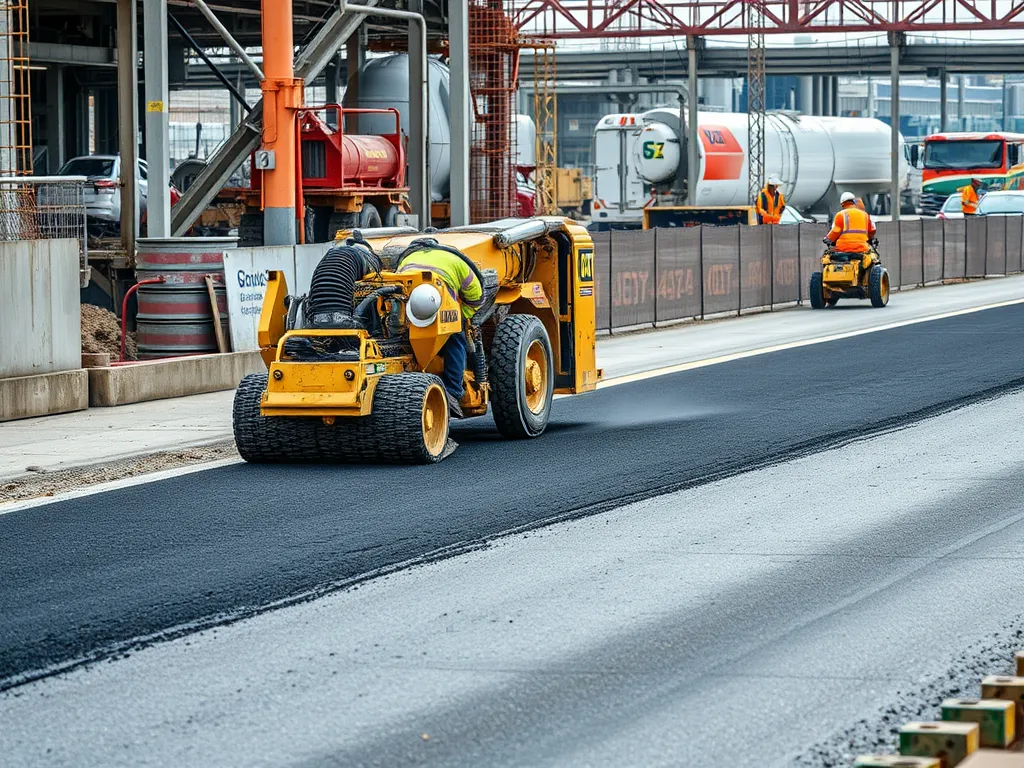
How to Prevent Potholes in Asphalt Driveways
Residential asphalt surfaces demand targeted protection strategies. Focused maintenance and smart design choices keep driveways functional for 15-25 years. Let’s explore homeowner-specific tactics.
Protecting Residential Asphalt Surfaces
Daily use exposes driveways to weather, chemicals, and structural stress. Proactive measures combat these threats at three critical points.
Immediate Repair of Driveway Cracks
Seal cracks within 48 hours using hot pour rubberized sealant ($1.50-$3 per linear foot). Thermal cracks (straight-line fractures) and alligator cracking (web-like patterns) indicate different issues. Unsealed cracks allow water to erode the base layer – 80% of potholes start this way.
Proper Edge Support Installation
Install 6-inch compacted aggregate borders or concrete curbs along driveway edges. Without support, asphalt edges crumble under vehicle overhang. This crumbling spreads inward, creating edge potholes within 2-3 winters.
Avoiding Chemical Damage on Asphalt
Gasoline, oil spills, and rock salt degrade asphalt binder. Use calcium chloride de-icers (-25°F effectiveness) instead of sodium chloride. Clean spills with pH-neutral detergents – acidic cleaners accelerate binder oxidation by 40%.
Weight Distribution Strategies for Driveways
Standard residential asphalt withstands 3,500-4,000 psi. Improper load distribution causes premature fatigue. Two techniques optimize weight management.
Using Wheel Stops and Parking Aids
Install recycled rubber wheel stops every 18 feet in parking areas. Positioned 30 inches from garage doors, they prevent concentrated rear-axle loads. Steel-reinforced stops handle 8,000 lb vehicle impacts without shifting.
Limiting Heavy Vehicle Access
Prohibit vehicles over 10,000 lbs GVWR (e.g., dump trucks, RVs). For essential deliveries, use 6-inch gravel transition pads at entry points. These distribute weight before tires contact asphalt, reducing point load stress by 55%.
While residential strategies focus on prevention, municipal roads face different challenges. Up next: techniques cities use to combat potholes on high-traffic asphalt surfaces.
Also See: How to Properly Pour Asphalt for Beginners
Preventing Potholes in Asphalt Roads
Road crews fight potholes with smart plans and tough fixes. Two key moves keep asphalt strong: regular care and built-to-last designs.
Municipal Asphalt Maintenance Best Practices
Cities cut potholes by 60% when using these proven steps:
Routine Road Inspections Protocols
Check roads every 3 months with PCI (Pavement Condition Index) scoring. Look for cracks over 1/4 inch, pooling water, or faded stripes. Fix small issues fast – a 1-inch crack can become a 10-inch hole in one freeze cycle.
High-Quality Pothole Patching Methods
Skip cold “throw-and-go” patches. Use infrared heaters to bond new hot mix asphalt (HMA) to old pavement. Proper HMA patches last 3-5 years vs 6 months for quick fixes. Add tack coat between layers for better grip.
Structural Enhancements for Road Longevity
Strong roads start below the surface. Build them right from the ground up.
Proper Road Crown Construction
Shape roads with 1.5-3% slope from center to edge. This crown pushes water off fast – 1 gallon flows 100 feet in 15 seconds. Flat roads hold water 8x longer, speeding asphalt breakdown.
Subbase Preparation Standards
Pack 12-18 inches of crushed stone under asphalt. Meet 95% Proctor density – test with nuclear gauges. A firm base stops 40% of potholes by bearing truck weights up to 80,000 lbs. Skip this step, and cracks form 3x faster.
While strong roads start with smart design, fixing current issues needs the right tools and methods. Next, we’ll show repair tactics that outlast weather and wear.
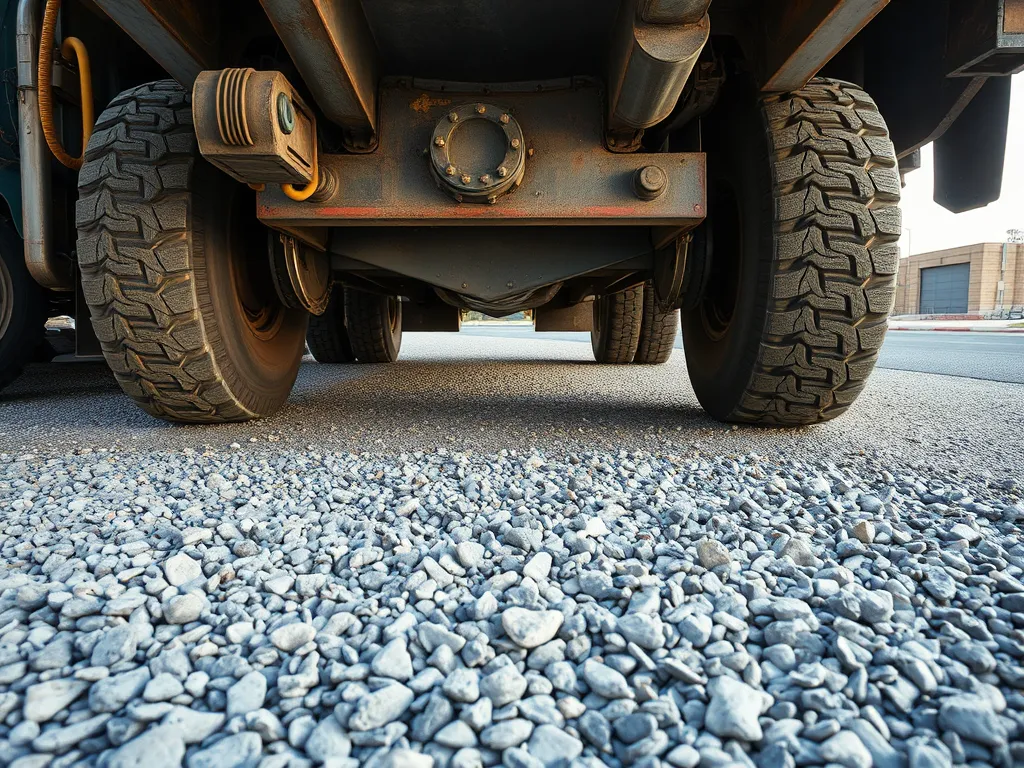
Repairing Existing Asphalt Damage
Addressing existing damage stops small issues from becoming major potholes. Choosing the right repair method depends on damage severity, traffic load, and budget.
Permanent Asphalt Pothole Repair Methods
Long-term fixes prevent recurring damage. These methods require specialized equipment but last 5-10+ years.
Infrared Asphalt Repair Technology
Infrared heaters soften damaged asphalt to 300°F, blending new and old material seamlessly. This eliminates cold joints – weak points where water enters. Costs $3-$7 per sq.ft. Ideal for repairs up to 2″ deep.
Full-Depth Asphalt Patching
Remove all damaged layers (surface, base, subbase). Replace with compacted hot mix asphalt (HMA) at 280-320°F. Use PG 64-22 binder for temperature resistance. Costs $8-$15 per sq.ft. Lasts 8-12 years with proper compaction.
Temporary Vs. Permanent Pothole Solutions
Quick fixes buy time. Permanent repairs prevent potholes long-term.
Cold Patch Asphalt Applications
- Bagged cold mix (RAP/recycled asphalt pavement) for DIY driveway repairs
- No heating required – apply at ambient temps above 40°F
- Lasts 6-18 months – temporary fix until proper repair
Hot Mix Asphalt Repairs
- Plant-mixed HMA delivered at 300°F for road repairs
- Requires tack coat (SS-1h emulsion) for bonding
- Compact with 10-ton rollers – 92% density minimum
While proper repairs extend pavement life, sustainable methods can further boost durability. [The next section explores eco-friendly asphalt preservation techniques.]
Eco-friendly Asphalt Preservation Methods
Green ways to care for asphalt save cash and cut harm to the earth. These steps fight potholes while meeting green goals.
Recycled Materials in Asphalt Maintenance
Old asphalt gets new life through RAP (Reclaimed Asphalt Pavement). Mixing 20-40% RAP with fresh binder makes roads last 15% longer. This blend costs $3-$5 less per ton than all-new mix. Ground tire rubber added to asphalt stops cracks from forming. Tests show rubber roads handle cold snaps down to -20°F without splits.
| Material | Use Rate | Pothole Drop |
|---|---|---|
| RAP | 30% mix | 22% fewer cracks |
| Rubber | 5-10% binder | 40% less rutting |
| Plastic | 8-10% weight | 50% less water harm |
Permeable Asphalt Solutions
Rain runs through porous asphalt, not under it. This blacktop has 16-22% open space vs 4-6% in regular roads. A 6-inch stone bed below stores 1,000+ gallons per hour. Fewer freeze-thaw cycles mean fewer potholes. Cities report 60% less road fixes in zones with drain roads.
| Feature | Permeable | Regular |
|---|---|---|
| Water flow rate | 300 in/hr | 0.1 in/hr |
| Ice spots | 3 per mile | 27 per mile |
| Life span | 20+ years | 12-15 years |
These green steps set up roads for less harm over time. Next, we’ll show how to fix existing flaws before they turn into holes.
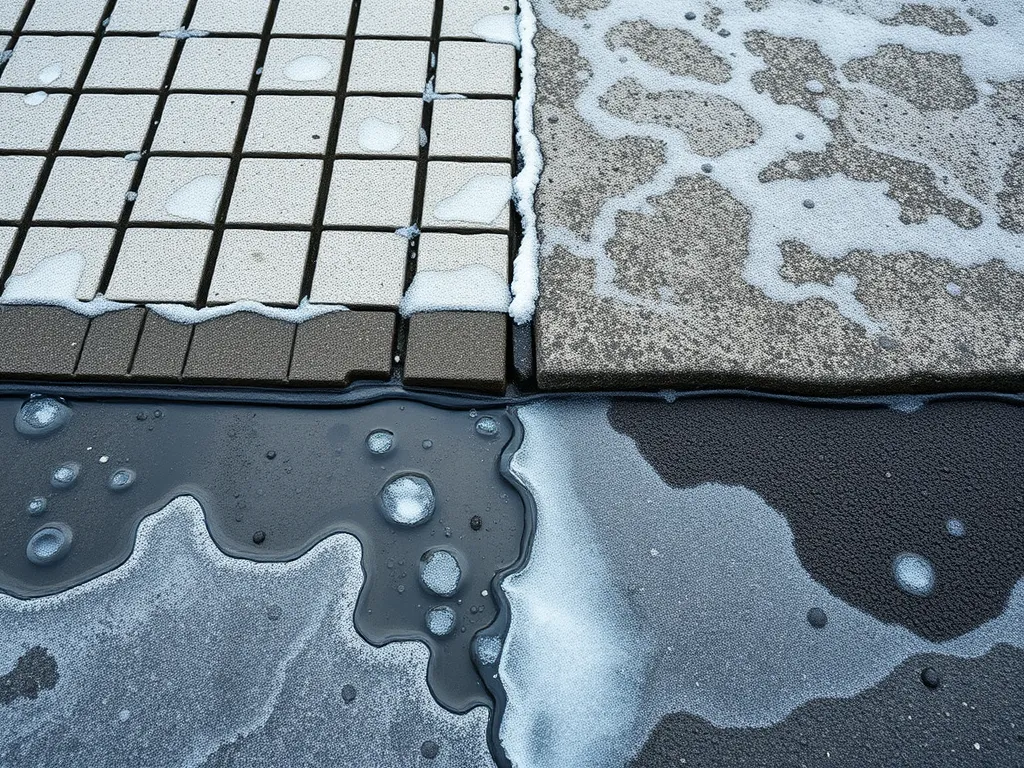
FAQ: Preventing and Repairing Asphalt Potholes
How Can Potholes Be Prevented in Asphalt Driveways?
To prevent potholes in asphalt driveways, maintain a consistent sealcoating schedule every 3-5 years, address cracks promptly with repairs, and ensure proper drainage is in place to direct water away from the surface. Additionally, consider edge support to prevent crumbling at the driveway’s borders.
What’s the Most Effective Way to Fill Asphalt Potholes?
The most effective way to fill asphalt potholes is through permanent repair methods such as hot mix asphalt repairs or infrared asphalt repair technology, which ensure better adhesion and longevity compared to temporary cold patches.
Why Does Asphalt Develop Potholes Over Time?
Asphalt develops potholes due to factors like water infiltration, freeze-thaw cycles, heavy traffic loads, poor installation techniques, and a lack of routine maintenance. Continuous exposure to these stresses causes the pavement to degrade and eventually crack.
Can Proper Drainage Prevent Asphalt Potholes?
Yes, proper drainage is crucial in preventing potholes. Effective drainage systems help direct water away from asphalt surfaces, minimizing water accumulation that can lead to freeze-thaw damage and weakening of the pavement structure.
How Often Should Asphalt Be Sealcoated?
Asphalt should be sealcoated every 3-5 years, depending on traffic conditions and environmental factors. New pavements typically require their first treatment within 12-18 months after installation to ensure optimal protection against wear and water damage.
What’s the Difference Between Crack Filling and Sealcoating?
Crack filling targets specific cracks in the asphalt to prevent water infiltration and the expansion of these cracks. In contrast, sealcoating involves applying a protective layer on the entire asphalt surface to safeguard it against UV damage, water, and wear from traffic. Crack filling is a repair method, while sealcoating is a preventative maintenance measure.
Closing Thoughts
Preventing potholes in asphalt requires proactive strategies and consistent maintenance. Understanding the factors that contribute to pothole formation, such as water infiltration and vehicle stress, is crucial. By implementing essential maintenance practices—like regular crack sealing and effective drainage systems—you can significantly extend the life of your pavement.
For homeowners, immediate repairs of driveway cracks and proper edge support are key in minimizing damage. For municipalities, routine inspections and high-quality patching methods play a vital role in road longevity. Embracing eco-friendly solutions, such as using recycled materials, further enhances asphalt preservation.
For more insights and tools to effectively manage your asphalt surfaces, visit Asphalt Calculator USA.
Additional Resources for You:
- Roberts, F. L., Kandhal, P. S., Brown, E. R., Lee, D. Y., & Kennedy, T. W. (1996). Hot Mix Asphalt Materials, Mixture Design, and Construction (2nd ed.). National Asphalt Pavement Association (NAPA).
- Potholes in Asphalt: What Causes Them and How are They Fixed?
- How to fill in potholes: everything you need to know
- How Can Potholes Be Prevented? – Keck & Wood Civil Engineers, Duluth, Fayetteville GA, Rock Hill, North Charleston SC
- Preventing and Repairing Potholes | Eugene, OR Website

