How to Plan and Design Asphalt Parking Lots That Last
Published on: February 7, 2026 | Last Updated: April 14, 2025
Written By: George Voss
Planning and designing asphalt parking lots requires evaluating soil stability, calculating traffic loads, and creating layouts that balance vehicle flow with durable surfaces. This process combines civil engineering principles with local building codes, using materials like hot-mix asphalt (HMA) and crushed stone base layers. Key factors include proper drainage slopes (1-5% gradients), ADA-compliant dimensions, and pavement thickness between 3-5 inches for standard vehicles.
This guide walks through every phase of parking lot creation. Learn how to analyze topography, choose between 90° and 45° parking angles, and meet AASHTO slope standards. We’ll cover material specs like 6-8 inch aggregate bases, discuss recycled asphalt content options (up to 30%), and share compaction tips for achieving 92% density. Avoid common errors like inadequate catch basins or undersized turning radii while keeping costs 15-25% below concrete alternatives.
Contents
Key Steps for Planning Asphalt Parking Lots
Proper planning sets the foundation for durable asphalt parking lots. Follow these critical steps to avoid costly redesigns and ensure code compliance.
Step 1: Site Assessment and Preparation
Begin with a geotechnical survey to assess soil bearing capacity. Weak soils may require stabilization with lime or cement to achieve a minimum California Bearing Ratio (CBR) of 20 for parking areas.
Evaluate soil conditions and drainage requirements
Test soil permeability using ASTM D5080 standards. Design drainage systems to handle a 10-year storm event (1.5-2.5 inches/hour rainfall). Include catch basins every 50-75 feet with 2% slope toward drains to prevent pooling.
Analyze existing topography and vegetation
Map elevation changes exceeding 8% grade that require terracing. Remove invasive root systems within 15 feet of planned pavement edges. Preserve natural drainage paths to reduce erosion risks.
Step 2: Regulatory Compliance Review
Over 80% of parking lot delays stem from permit issues. Verify requirements early to maintain project timelines.
Research local zoning laws and building codes
Check minimum parking space ratios (typically 1 space/300 sq ft commercial). Confirm fire lane widths (20-26 feet) and turning radii (25-50 feet). Obtain stormwater permits if disturbing over 1 acre of land.
Implement ADA accessibility standards
Include 8-foot-wide access aisles with 98-inch vertical clearance. Allocate 1 van-accessible space per 6 regular spaces. Use truncated dome detectable warnings at curb ramps meeting 1:12 max slope ratios.
With site analysis complete and permits secured, focus shifts to optimizing layouts and material selection for long-term performance.
Design Considerations for Asphalt Parking Lots
Smart design choices shape durable lots. Balance space use, weight needs, and water flow to meet user demands.
Parking Lot Layout Optimization
Space use drives layout plans. Pick angles and paths that fit vehicle types and user counts.
Determine parking angles (90°, 45°, or 60° configurations)
90° slots fit more cars per square foot but need wider aisles. 45° or 60° angles ease turn-ins for tight spots. Aim for 9’x18′ stalls for cars, 12’x24′ for trucks. Keep 1 in 6 spots ADA-compliant with 13′ width and van access.
Design efficient traffic flow patterns
Plan one-way lanes for fast flow in busy lots. Mark clear paths to exits. Add queuing space near stores or gates to cut gridlock. Use 24′ two-way aisles or 15′ one-way lanes for smooth moves.
Asphalt Thickness Requirements
Thickness depends on what rolls over it. Heavy loads need deeper bases to avoid cracks.
Calculate load-bearing needs based on vehicle types
Cars need 3″ asphalt over 6″ stone base. Delivery trucks need 4-6″ asphalt over 8″ base. Use AASHTO T-180 tests to check soil strength. Weak soils (CBR below 5) need geogrid layers.
Adjust thickness for commercial vs residential use
Malls need 5″ hot-mix over 8″ base. Homes need 2.5″ surface over 4″ base. Add 10-15% more depth for lots with plow trucks or salt use.
Slope and Drainage Design
Water must run off fast to stop potholes. Hit the sweet spot between grip and flow.
Apply AASHTO slope standards (1-5% gradients)
Keep slopes under 5% for safe walks. Use 2% cross-slope on paths. Steeper than 5% risks car slides in ice. Add 1% slope along curbs to guide water to drains.
Incorporate crown designs for water runoff
Build a center peak (parabolic crown) with 2% slope each side. Space catch basins every 150′ for lots under 1 acre. Use trench drains near exits to stop floods.
With the structural blueprint set, focus shifts to picking the right mix and layers for lasting pavement.

Asphalt Material Specs
Pick the best mix and layer build for long-term lot use. Get these choices right to boost life span and cut repair costs.
Picking the Asphalt Mix
Match mix type to site needs and local weather. Wrong picks lead to cracks or rutting in 1-2 years.
Hot-mix vs cold-mix
Hot-mix (HMA) works for most lots. Made at 300°F, it sets fast and handles heavy cars. Use cold-mix (CMA) for small fixes or cold weather jobs. CMA costs 15% less but wears 40% faster.
Aggregate size in top layers
Top layers need small stones for smooth rides. Use 1/2″ max stone size in surface courses. Bigger stones (3/4″) go under for strength. Check state DOT specs for exact grades.
Pavement Layer Build
Layer thickness stops cracks and potholes. Plan each part based on truck counts and soil tests.
Base layer (6-8″ packed stone)
Start with 6-8″ of crushed stone or gravel. Pack it to 95% density. This base spreads weight and stops dips. Add geo-grid for weak soils.
Top layer (2-3″ asphalt)
Pour 2-3″ of asphalt over the base. Use 3″ for stores with trucks, 2″ for car-only lots. Mix in PG 64-22 binder in hot zones, PG 58-28 in cold areas.
With specs set, focus shifts to putting plans into action during build phases.
Also See: Benefits Of Advanced Asphalt Pouring Techniques
Construction Implementation
Once plans meet code and design specs, crews start building. This phase turns blueprints into drivable surfaces. Focus on two core tasks: clear markings and strict quality checks.
Parking Lot Marking Strategies
Lines guide drivers and keep lots safe. Use layouts that match local codes and user needs.
ADA-compliant space dimensions and signage
ADA rules require 8′ wide spots with 5′ access aisles. One in six spots must be van-accessible. Signs must stand 60″-66″ high with the ISA symbol. Use blue paint for curb cuts.
| ADA Feature | Spec |
|---|---|
| Standard space width | 8 ft |
| Van space width | 11 ft |
| Sign height | 60-66 in |
Durable thermoplastic marking techniques
Thermoplastic strips last 5-8 years vs 1-2 years for paint. Crews heat the mix to 400°F, then apply 90-125 mils thick. Glass beads add reflectivity. Costs $2-$5 per linear foot.
Quality Control Measures
Test early, test often. Poor work now means cracks later.
Proper compaction density testing
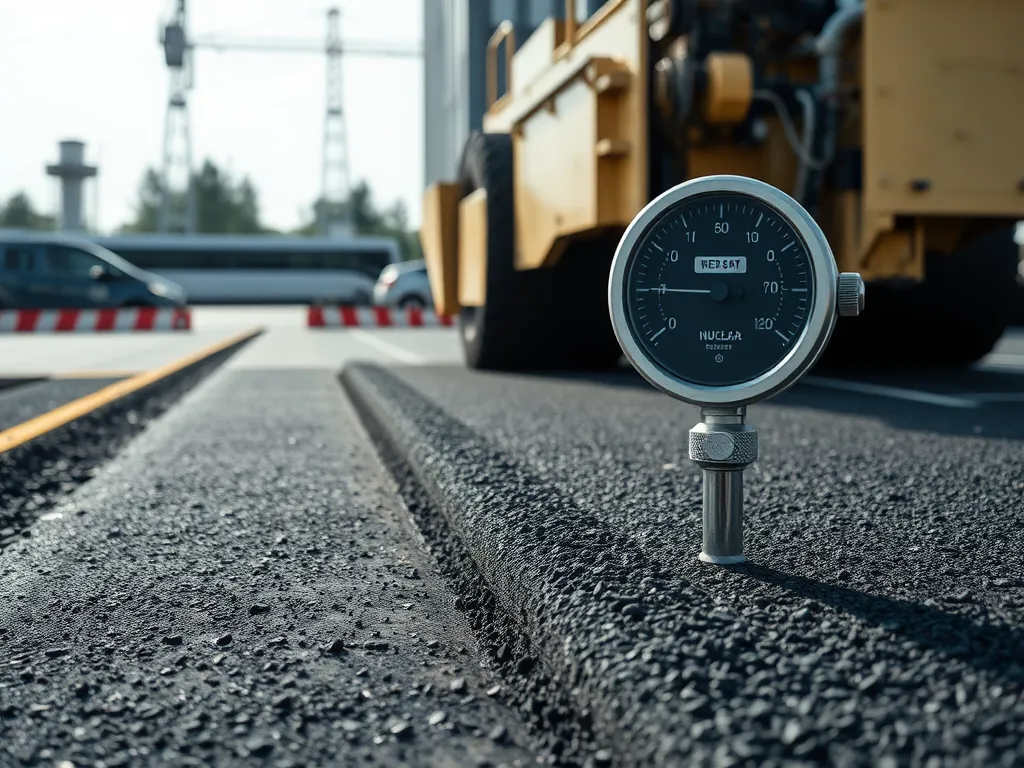
Aim for 92-96% density using nuclear gauges. Check every 1,500 sq ft. Low density? Rollers recompact while asphalt stays hot (>275°F).
Surface smoothness verification
Use a 10-foot straightedge. Gaps over 1/4″ fail. Fix bumps with planers before final roll. Smooth lots shed water faster, cutting pothole risks by 40%.
With markings set and quality confirmed, focus shifts to keeping the lot in top shape. Next: maintenance plans that stretch pavement life.
Maintenance Planning
Smart upkeep keeps lots safe and cuts long-term costs. Plan care steps early to boost pavement life. Use data from site checks to set clear care goals.
Preventative Maintenance Schedule
Fix small flaws before they grow. Track wear with yearly checks. Key tasks: crack fills, seal coats, patch work. Budget $0.15-$0.50 per sq ft yearly.
Crack sealing frequency guidelines
Seal cracks every 1-2 years. Check each spring after thaw. Use rubber-based fill for gaps up to 1 inch. Dry months (60°F+) boost bond strength.
Resurfacing timeline recommendations
Add fresh asphalt layer every 10-15 years. Heavy lots (trucks/buses) need work every 8 years. Plan 1.5-2 inch overlays. Costs drop 30% when timed with base repairs.
Smart upkeep choices lead to fewer flaws in later phases. Next, learn key errors to skip during design.
Common Design Mistakes to Avoid
Even seasoned contractors face challenges when planning asphalt parking lots. Three errors account for 65% of premature pavement failures – all preventable with proper design strategies.
Inadequate Drainage Solutions
Water pooling causes 80% of asphalt deterioration in parking areas. Designers often skip critical elements like catch basins, trench drains, or permeable asphalt zones. The Federal Highway Administration mandates 1.5-3 gallons per minute drainage capacity for commercial lots. Pair subsurface French drains with surface crowning (1/4″ per foot slope) to divert water efficiently. Ignoring this can spike repair costs by 40% within five years.
Improper Slope Calculations
AASHTO slope standards require 2% minimum gradients for pavement surfaces, yet 1 in 3 projects fail compliance checks. Over-sloping (beyond 5%) causes vehicle instability, while under-sloping leads to ponding. Use laser-guided grading equipment to maintain precise angles. For compact lots under 100 spaces, cross-slope designs work best – center the crown and slope 1-2% toward perimeter drains.
Underestimating Traffic Volume Needs
A 50-space lot handling 200 daily vehicles needs different specs than one with 50 cars. Overlook peak traffic projections, and you’ll get premature rutting. Commercial lots require 4-6″ base layers for heavy trucks, versus 3-4″ for passenger vehicles. Apply the Institute of Transportation Engineers’ trip generation rates during planning – retail spaces need 4-10 trips per 1,000 sq ft daily. Design entrances/exits to handle 85th percentile queue lengths.
These design elements directly impact pavement longevity. Next, we’ll explore eco-friendly innovations that boost sustainability while addressing these challenges.

Environmental Considerations
Modern parking lot design demands eco-conscious solutions that balance durability with environmental responsibility. Two strategies stand out for reducing ecological impact while maintaining pavement performance.
Permeable Asphalt Options
Permeable asphalt tackles stormwater management through a specialized open-graded mix. This porous surface allows 3-5 gallons of water per square foot to infiltrate hourly, meeting EPA National Pollutant Discharge Elimination System (NPDES) requirements. A typical cross-section combines: – 4″ permeable surface layer (19mm aggregate with PG 64-22 binder) – 12″ crushed stone reservoir base – Geotextile fabric subgrade separator This design cuts runoff by up to 75% compared to traditional lots while replenishing groundwater. Many municipalities offer stormwater fee credits for permeable installations, offsetting the 15-20% higher upfront costs.
Recycled Material Integration
Reclaimed Asphalt Pavement (RAP) reuse transforms waste into valuable pavement components. Modern plants can incorporate 20-30% RAP into new mixes without compromising quality when paired with rejuvenators like soybean-based additives. Performance-grade (PG) binders modified with recycled engine oil bottoms enhance recycled mix durability. Key benefits: – 25% reduction in material costs – 1.2 million tons of CO2 saved annually industry-wide – Improved rut resistance (1.5mm vs 3.2mm in virgin mixes) Always verify recycled content compatibility through Marshall stability tests and asphalt cement equivalence calculations during mix design.
These sustainable approaches set the stage for cost-effective maintenance strategies that extend pavement lifespan. Let’s examine how proper upkeep protects both your investment and local ecosystems.
Frequently Asked Questions (FAQs)
What Additional Factors Should Be Considered for Ensuring Adequate Drainage in Asphalt Parking Lot Design?
In addition to catch basins and trench drains, consider installing permeable pavement sections, creating swales, and utilizing bio-retention areas. These elements enhance water absorption and minimize runoff.
How Can Environmentally Friendly Materials Impact the Lifespan Of an Asphalt Parking Lot?
Using environmentally friendly materials like recycled asphalt pavement (RAP) can improve the durability and longevity of the pavement while also reducing overall costs. Proper integration of these materials can lead to better resistance to wear and environmental stresses.
What Resources Are Available for Understanding Local Zoning Laws and Building Codes?
Consult local government websites, municipal offices, or planning departments. Professional organizations and industry publications can also provide valuable insights into regional compliance requirements.
How Can Parking Lot Designs Accommodate Future Growth or Changes in Use?
Incorporate flexible design elements such as adjustable space markings and modular layouts. Planning extra capacity and wider lanes can accommodate future increases in traffic or changes in the type of vehicles expected.
What is the Best Way to Select a Contractor for Asphalt Parking Lot Construction?
Look for contractors with proven experience in asphalt paving, strong references, and relevant certifications. Request detailed quotes and review past project portfolios to assess their work quality and reliability.
Are There Best Practices to Enhance the Aesthetic Appeal Of Asphalt Parking Lots?
Incorporate landscaping elements, decorative paving designs, and clear signage. Using textured or colored asphalt can help with aesthetics while maintaining functionality and safety.
How Can I Effectively Budget for the Construction and Maintenance Of an Asphalt Parking Lot?
Develop a detailed budget that includes initial construction, materials, labor, and projected maintenance costs over time. Consider setting aside a reserve fund for unexpected repairs or upgrades, and conduct regular assessments to align expenses with usage patterns.
Closing Thoughts
Designing an asphalt parking lot involves careful planning and execution. From site assessment to material selection, each step influences the durability and functionality of the finished surface. Prioritizing proper drainage, understanding traffic patterns, and adhering to regulations ensure a well-optimized space for vehicles.
Avoid common pitfalls, such as poor drainage and insufficient load support, by following industry standards. Maintain the lot through regular inspections and timely repairs. Incorporating sustainable practices, like using recycled materials, can enhance environmental benefits and reduce costs.
For more detailed resources and tools related to asphalt parking lot design, check out Asphalt Calculator USA. Your project’s success starts with the right information. Happy paving!
Useful References for You:
- The Asphalt Institute. (2007). MS-4: The Asphalt Handbook. Lexington, KY: Asphalt Institute.
- How to Design a Commercial Parking Lot – USA Shade
- Chapter 5 Parking Lot Design
- 6 Steps for Asphalt Parking Lot Installation – Premium Asphalt Paving & Sealcoating
- How to Design a Parking Lot – Your Six-Step Guide