How to Level an Asphalt Driveway: Fix Uneven Surfaces in 6 Steps
Published on: February 4, 2026 | Last Updated: April 14, 2025
Written By: George Voss
Leveling an asphalt driveway fills low spots and compacts uneven surfaces using cold patch asphalt filler and tools like plate compactors or hand tampers. This differs from concrete leveling methods, requiring asphalt-specific materials and techniques that bond fresh mix with existing pavement. Follow these steps: identify depressions, clean the area, apply repair material, compact thoroughly, blend edges, and seal for protection.
This guide breaks down driveway leveling into manageable tasks. Get details on choosing between cold patch (ready-to-use) and hot mix (professional-grade) asphalt repairs. Learn proper compaction methods with steel tampers (small areas) or plate compactors (large zones). Discover maintenance practices to extend results, like crack sealing within 48 hours of repairs and using low-VOC sealants.
Contents
Essential Tools and Materials for Asphalt Driveway Leveling
Gather these items before starting your leveling project. The right gear makes the job faster and gives better results.
Core Leveling Tools
Fix dips and bumps with three key tools. Each serves a unique role in shaping the surface.
Steel tamping tool or plate compactor
Use a 10 lb steel tamper for small spots. Rent a 12-inch plate compactor ($60/day) for large zones. Both pack asphalt tight to stop future sinking.
Asphalt rake or lute
A lute’s flat head spreads mix smooth. Its teeth break clumps for even fills. Aim for 1/4-inch layers when leveling asphalt driveways.
Stiff-bristle broom
Sweep grit from cracks before filling. Clean surfaces help patch bind better. Push debris sideways – don’t scratch the asphalt.
Repair Materials
Pick fixes based on damage depth. Small holes need different care than deep ruts.
Cold patch asphalt filler
Bagged cold patch ($25/50 lbs) works for holes under 2 inches. No heating needed – just pour, pack, and drive in 24 hours.
Hot asphalt mix
For gaps deeper than 3 inches, hot mix bonds stronger. Heat to 300°F for best flow. Wear thick gloves when handling.
Asphalt sealant
Seal new patches with coal-tar emulsion. Brush on a thin coat to block water. Dries in 4-6 hours at 70°F.
Tools set? Materials ready? Next, we’ll walk through each step to flatten your drive.
Asphalt Driveway Leveling Process
Effective driveway leveling requires precision and the right approach. Follow these steps to restore your pavement’s smooth surface and structural integrity.
Surface Preparation Steps
Identify low spots and uneven areas
Start by marking problem zones. Apply a 4-ft straightedge across the surface—any gaps over ¼” indicate depressions needing attention. Spray water across the driveway to reveal pooling zones. Measure depth with a ruler for accurate repair planning.
Clean debris with pressure washer or stiff broom
Clear dirt and gravel using a 3000 PSI pressure washer (keep nozzle 12″ from surface) or heavy-duty broom. Remove vegetation growth with a scraper. Allow 24-hour drying time—moisture weakens bond strength by 40%.
Remove loose asphalt chunks
Chisel away fractured material with a masonry hammer and cold chisel. Wire-brush edges to create clean repair zones. Dispose of debris properly—1 ton of asphalt fills 6-8 cubic feet of landfill space.
Repair and Leveling Techniques
Filling depressions with cold patch asphalt
Fill holes in 2″ layers with QPR or EZ Street cold patch ($15-$25 per 50lb bag). Slope edges at 45-degree angles for better integration. Extend patches 2″ beyond damaged areas—this prevents edge raveling within 6-12 months.
Infrared asphalt repair for seamless blending
Professional crews use 500°F infrared heaters to soften existing asphalt. This allows reworking of 2-3″ depth without visible seams. Costs average $3-$5 per sq.ft but lasts 3x longer than cold patches.
Compaction methods for proper density
Compact repairs to 92-95% density for load-bearing capacity. Hand tampers work for small areas (50-75 lbs force per strike). Rent a 175-lb plate compactor ($75/day) for larger jobs—make 3-5 passes at 2 MPH.
With the surface prepped and leveled, the next phase focuses on advanced shaping methods. Specialized equipment and techniques create professional-grade results that stand up to heavy traffic and freeze-thaw cycles.
Specialized Leveling Methods
Professional asphalt contractors use advanced techniques to create smooth, durable surfaces. These methods combine manual skills with mechanical power for precise results across different driveway sizes.
Hand Tool Techniques
Smaller repairs demand hands-on approaches using specialized tools. Work during dry weather with temperatures above 50°F for optimal material bonding.
Spreading asphalt mix with lute rakes
Lute rakes distribute cold patch filler evenly across depressions. Drag the tool’s serrated edge sideways to feather edges into existing pavement. Apply 1/4″ layers maximum to prevent shifting, compacting each lift with a hand tamper.
Edge tamping for smooth transitions
Use steel-handled tampers along repaired edges to merge new and old asphalt. Strike surfaces at 45-degree angles with firm, overlapping blows. Check transitions with a 4-foot level – gaps exceeding 3/8″ require rework.
Mechanical Compaction
Large-scale leveling projects need powered equipment for proper density. Operate machinery on stable surfaces only to avoid cracking adjacent pavement.
Using plate compactors for large areas
Gas-powered plate compactors deliver 5,000+ lbs of force per square foot. Make three passes over fresh asphalt in alternating directions. Maintain 95% density by keeping the plate moving – prolonged vibration causes aggregate breakdown.
Roller application tips
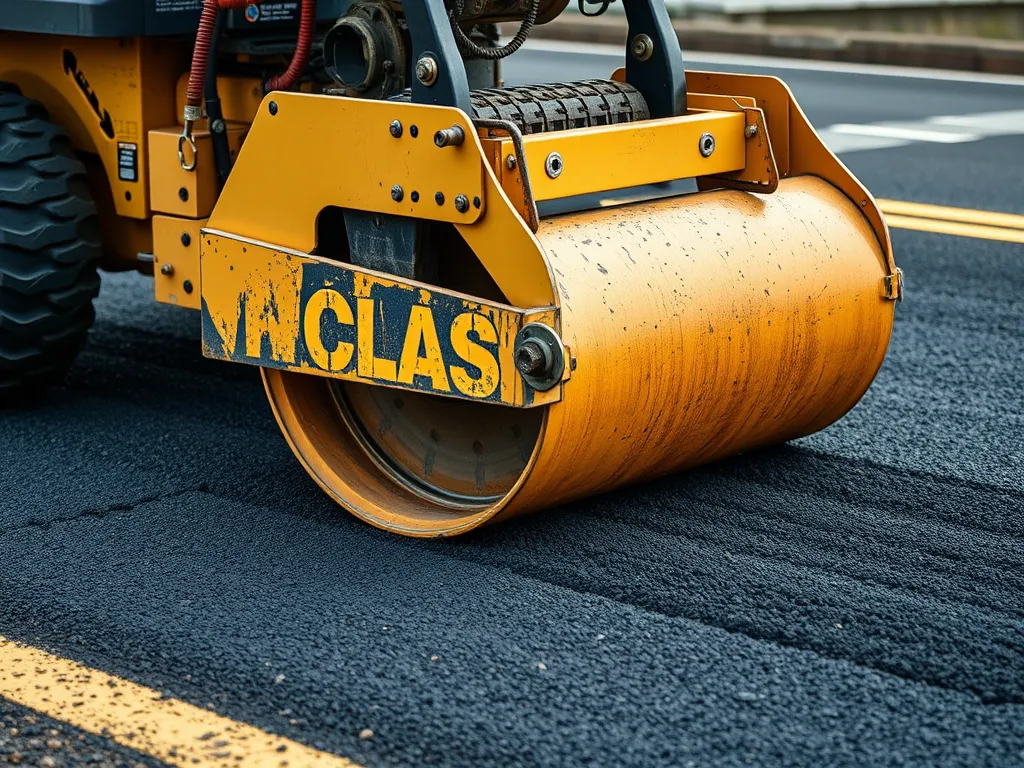
Drum rollers weighing 1-2 tons compact thick lifts efficiently. Start rolling from pavement edges toward the center, overlapping passes by 6″. Achieve final compaction within 30 minutes of material placement for best adhesion.
With the surface properly leveled, attention shifts to preserving your driveway’s renewed structure through targeted maintenance practices.
Also See: Is Asphalt Better Than Concrete? Key Differences
Asphalt Driveway Maintenance After Leveling
Freshly leveled asphalt needs strategic care to maintain its smooth surface and structural stability. Proper upkeep prevents rapid deterioration and extends pavement life by 8-12 years on average.
Preservation Strategies
Three core tactics protect your leveled driveway from common failure points. Focus on proactive measures rather than reactive repairs.
Seasonal crack sealing
Fill new cracks within 30 days using rubberized asphalt emulsion. Target early spring and late fall when temperature fluctuations cause material expansion/contraction. Cracks wider than 1/4″ demand immediate attention to prevent water infiltration.
Proper drainage maintenance
Clear debris from drainage edges monthly using a steel-tine rake. Ensure 2% slope away from structures (1/4″ per foot). Install channel drains near persistent puddles to redirect 5+ gallons per minute during storms.
Weight distribution guidelines
Limit concentrated loads exceeding 2,500 PSI (typical passenger vehicle tires exert 35 PSI). Use steel load spreaders under RV jacks or motorcycle stands. Avoid parking heavy equipment for more than 48 hours consecutively.
Surface Protection
Guard your leveled asphalt against surface degradation with these proven methods. A protected driveway resists weathering 3x longer than untreated surfaces.
Sealcoating schedule
Apply coal-tar or asphalt-based sealant every 36 months. For high-traffic areas (300+ vehicles weekly), reseal every 24 months. Optimal application occurs at 70°F with 48-hour dry time. Proper sealcoating reduces UV damage by 87%.
Oil stain prevention
Blot fresh oil spills within 15 minutes using oil-dry compounds. For set stains, apply a poultice of trisodium phosphate (1 cup TSP per gallon water). Pressure wash at 1,500 PSI after 24 hours. Regular degreasing prevents asphalt binder breakdown.
These maintenance practices work best when paired with eco-conscious material choices – a perfect lead-into to sustainable driveway care methods.
Environmental Considerations
Balancing driveway repairs with ecological responsibility improves outcomes while protecting local ecosystems. Sustainable methods minimize resource use without sacrificing performance.
Eco-friendly Practices
Modern leveling projects integrate green strategies that benefit both surfaces and surroundings. Two methods stand out for reducing environmental impact during repairs.
Recycling old asphalt materials
Reclaimed Asphalt Pavement (RAP) reuse cuts waste during driveway fixes. Milled material from removed sections gets mixed into new cold patch filler at 20-30% rates. This method lowers mining needs by 1.2 tons per 100 sq ft while maintaining 95% strength parity with virgin mix.
| Material | CO2 Reduction | Cost Savings |
|---|---|---|
| 100% New Mix | 0% | $0 |
| 25% RAP Blend | 18% | $1.50/sq ft |
| 50% RAP Blend | 32% | $2.80/sq ft |
Low-VOC sealant options
Volatile Organic Compounds (VOCs) in traditional sealcoats release harmful fumes during curing. Water-based alternatives with <300 g/L VOC content provide equal protection while improving air quality. Look for Green Seal GS-36 or EcoLogo CCD-110 certifications when selecting products.
| Sealant Type | VOC Content | Cure Time |
|---|---|---|
| Coal Tar | 550 g/L | 48 hrs |
| Low-VOC | 280 g/L | 36 hrs |
These material choices set the stage for durable repairs—next we’ll review maintenance techniques to keep your leveled driveway performing optimally for years.
Asphalt Driveway Leveling FAQ
Common Questions
How can I level an uneven asphalt driveway?
To level an uneven asphalt driveway, start by identifying the low spots and cleaning the surface thoroughly. Fill the depressions with cold patch asphalt or hot mix, compacting each layer effectively. Use tools like a plate compactor for large areas or hand tampers for smaller spots, and ensure the edges blend well with existing asphalt.
What tool is used to level asphalt?
Key tools for leveling asphalt include a plate compactor or steel tamping tool for compaction, an asphalt rake or lute for spreading materials, and a stiff-bristle broom for cleaning debris.
Can I pour self-leveling concrete over asphalt?
It is not advisable to pour self-leveling concrete directly over asphalt. The two materials have different properties, which can lead to issues with adhesion and long-term performance. It’s better to repair the asphalt surface to achieve a level finish before considering any concrete applications.
What is the easiest way to level a driveway?
The easiest way to level a driveway involves using cold patch asphalt filler for small repairs. Identify low spots, clean the area, apply the filler, and compact it well. This approach is straightforward and requires fewer tools compared to more extensive repair methods.
How long does it take for asphalt to cure after leveling?
Asphalt typically requires about 24 to 48 hours to cure enough for light traffic after leveling, but complete curing may take weeks depending on weather conditions. It’s advisable to avoid heavy vehicles during this period to ensure optimal compaction and bonding.
Can I level my driveway myself, or should I hire a professional?
Leveling your driveway can be done by homeowners with the right tools, materials, and a willingness to learn. However, for larger areas or more complex repairs, hiring a professional may yield better results and save time.
What should I do if the repaired area starts to crack again?
If cracks reappear shortly after repair, it may indicate inadequate compaction or improper materials used during the leveling process. In such cases, reassess the area, make necessary repairs, and consider applying a sealant to protect the surface.
Final Thoughts on Leveling Your Asphalt Driveway
Leveling an asphalt driveway not only enhances its appearance but also improves functionality. By following the outlined techniques, you can effectively address uneven surfaces. Remember, proper compaction is vital for durability. Timely repairs prevent further damage and save costs down the road. Regular maintenance, such as crack sealing and sealcoating, will prolong the life of your driveway.
Make sure to utilize eco-friendly practices by recycling old asphalt and opting for low-VOC products. This approach benefits the environment while maintaining quality.
For more information and tools to aid your asphalt projects, check out Asphalt Calculator USA. Happy leveling!
Additional Resources for You:
- American Association of State Highway and Transportation Officials (AASHTO). (2008). Mechanistic-Empirical Pavement Design Guide (MEPDG). Washington, DC: AASHTO.
- How to Level Out Low Spots in a Blacktop Driveway » The Money Pit
- r/HomeImprovement on Reddit: Short of repaving the whole driveway, how can I keep water from pooling along foundation?
- Raising level of asphalt driveway – Earthwork/grading engineering | Eng-Tips
- How to fix an uneven driveway without starting from scratch – Quora