
How to Spot Top-quality Asphalt Materials Every Time
Published on: February 1, 2026 | Last Updated: April 14, 2025
Written By: George Voss
Identifying quality asphalt materials requires checking technical specifications, physical properties, and supplier credentials. High-grade asphalt meets Performance Grade (PG) binder standards for temperature resistance (e.g., PG 64-22 withstands -22°F to 64°F), contains 95%+ pure bitumen, and uses angular aggregates for better compaction. These factors ensure durable pavements that resist cracking under heavy traffic and extreme weather while maintaining smooth surfaces for 15-20 years.
This guide covers visual inspection techniques, laboratory tests like Dynamic Shear Rheometer (DSR) evaluations, and how to verify material certifications. You’ll learn to assess aggregate gradation through sieve analysis, spot segregation in mixed batches, and interpret penetration test results (40-50 dmm for optimal hardness). We’ll also outline red flags in supplier documentation and sustainable practices like using 20-30% recycled asphalt pavement (RAP) in mixes.
Contents
- Understanding Quality Asphalt
- Key Indicators Of Quality Asphalt Materials
- Quality Control Testing Methods
- Evaluating Asphalt Paving Jobs
- Differentiating Low Vs. High-quality Asphalt
- Environmental Considerations in Asphalt Quality
- FAQ: Identifying Quality Asphalt Materials
- Closing Thoughts
- Useful References for You:
Understanding Quality Asphalt
Quality starts with knowing what separates premium materials from subpar options. Let’s break down the key factors.
Are There Different Qualities Of Asphalt?
Yes. Asphalt quality varies based on mix design, binder grade, and production standards. Performance Graded (PG) binders—like PG 64-22 for standard roads or PG 76-22 for high-traffic zones—dictate temperature resistance. Superpave mixes, engineered for specific climates, use angular aggregates and optimized binder ratios. Commercial-grade asphalt may contain 5-7% binder, while premium mixes use polymer-modified binders for heavy truck routes.
What Does Good Asphalt Look Like?
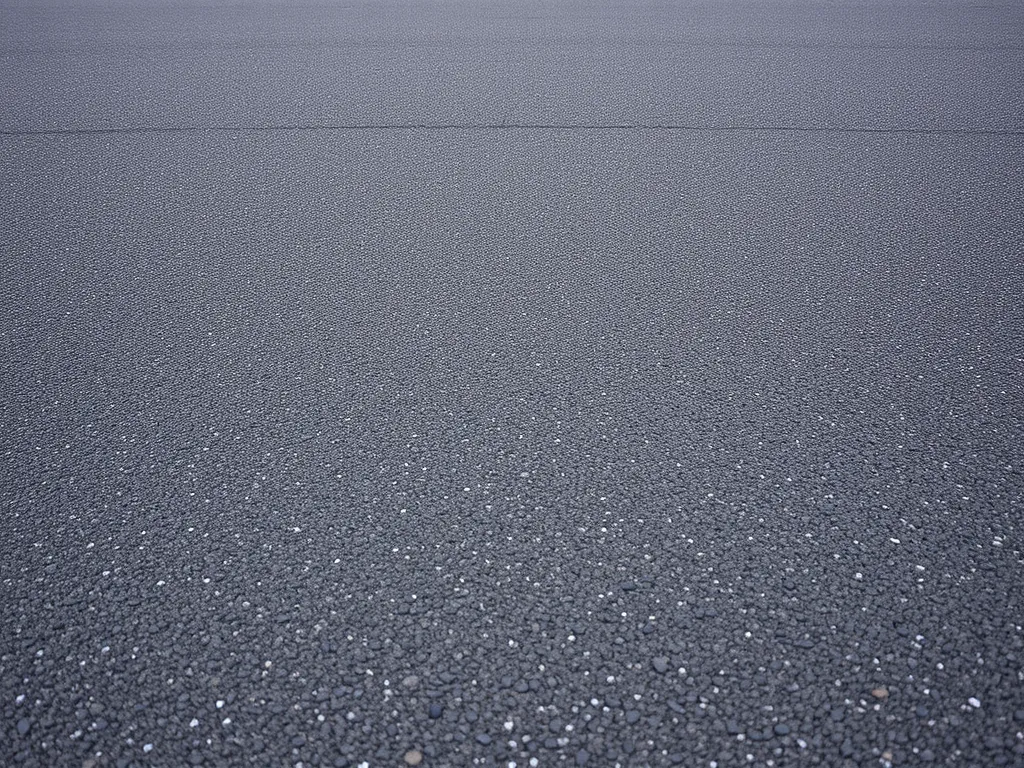
Fresh asphalt appears jet-black with a slight sheen. A smooth, uniform texture signals proper mixing—no visible clumps or gaps between aggregates. Run a hand over cooled samples: high-quality material feels dense, not crumbly. Check for tackiness in the binder; poor mixes separate into dry rocks and powdery residue. Avoid grayish hues or uneven surfaces—these hint at oxidation or segregation during transport.
Core Components Of Quality Asphalt Mixtures
Three elements define premium asphalt: aggregates, bitumen, and additives. Aggregates (95% crushed stone) must meet Los Angeles Abrasion values below 35% for wear resistance. Bitumen should meet viscosity benchmarks—3000 Poise at 60°C ensures heat tolerance. Additives like styrene-butadiene-styrene (SBS) polymers boost flexibility, while recycled asphalt pavement (RAP) up to 30% maintains strength if processed correctly. Properly graded materials prevent rutting under 10,000+ ESALs (Equivalent Single Axle Loads).
With these fundamentals clear, let’s examine measurable traits that separate durable pavements from failing ones.
Key Indicators Of Quality Asphalt Materials
Spotting premium asphalt requires checking multiple factors – from lab-tested specs to hands-on checks. Let’s break down the critical markers.
Physical and Mechanical Properties
Top-grade asphalt balances strength with flexibility. These traits determine how it handles traffic loads and weather shifts.
Flexural and Tensile Strength
High-quality mixes show flexural strength above 300 psi (pounds per square inch) and tensile strength exceeding 500 psi. These numbers prove the material resists bending under weight and snaps back after stress. Field tests use devices like the Indirect Tensile Strength Tester to verify these metrics.
Plant Modulus and Performance Grade
Plant modulus measures stiffness – ideal ranges fall between 150,000-300,000 psi for most pavements. Performance Grade (PG) binders like PG 64-22 indicate temperature tolerance. PG 64-22 withstands highs of 64°C and lows of -22°C, making it suitable for northern climates.
Technical Specifications
Lab tests reveal hidden flaws that visual checks miss. Always request certified test reports from suppliers.
Saturation Ratio and Binding Efficiency
Aim for 5-8% asphalt cement content in the saturation ratio. Binding efficiency above 90% ensures aggregates stay locked in place. The Cantabro test quantifies this – material loss under 20% after 300 drum rotations meets standards.
Aging and Hardening Resistance
Premium asphalt retains flexibility over time. Rolling Thin Film Oven (RTFO) tests simulate aging – viscosity increases under 2000% after short-term aging signal durable mixes. Pressure Aging Vessel (PAV) tests predict 7-10 year performance.
Visual and Tactile Inspection
Trust your senses alongside lab data. Quick field checks catch glaring issues before installation.
Surface Texture and Uniformity
Run your hand over freshly laid asphalt. Quality mixes feel smooth yet gritty, with aggregate sizes varying by layer – base courses use 1.5” stones, surface courses 0.5”. Check for consistent color without shiny spots indicating excess binder.
Absence of Cracking or Segregation
Reject loads showing hairline cracks or aggregate separation. Segregated mixes fail faster – ASTM D3515 allows maximum 0.3% air voids in surface layers. Use a straightedge: gaps over 3/16” per 10’ length signal poor compaction.
These checks set the stage for deeper analysis. Next, we’ll explore lab tests that separate adequate asphalt from exceptional pavement.
Quality Control Testing Methods
Test methods spot flaws in asphalt before paving starts. Labs use tools to check binder strength, mix purity, and heat resistance. These steps catch issues early.
Dynamic Shear Rheometer (DSR) Testing
DSR tests measure how binders handle heat and stress. It applies force to samples at temps from 46°F to 158°F. High PG grades (like PG 76-22) show strong rutting resistance. Low values signal weak binders prone to rutting or cracks.
Solubility Tests for Binder Purity
Solubility tests spot dirt in bitumen. Pure binder dissolves fully in trichloroethylene per ASTM D2042. Less than 99% solubility means poor mix bonds. Impure binders crack faster under load.
Penetration and Softening Point Tests
Pen tests gauge binder hardness. A needle sinks into samples under 100g loads for 5 sec. Roads need 40-50 pen grades. Soft points test melt resistance – good binders hold shape above 115°F.
Interpreting Penetration Test Results
High pen numbers mean soft binders (60+). These suit cold climates. Low pen (30-40) works for hot zones. Wrong grades lead to rutted roads or brittle surfaces.
Rolling Thin Film Oven (RTFO) Tests
RTFO mimics binder aging. Samples spin in 325°F ovens for 85 mins. Mass loss over 1% fails specs. Aged binders must keep 65% ductility to avoid cracks.
Assessing Aging Characteristics
Post-RTFO tests check stiffness changes. Binders that harden too much crack under cold. Good mixes lose under 20% flexibility after aging. This stops thermal cracks in winter.
Additional Quality Assessment Metrics
Check gradation tests for stone sizes. Over 15% dust hurts binding. Sand equivalency above 35% ensures grip. Core samples must hit 93% density after rolling. Air voids under 8% stop water damage.
Solid test data leads to smooth roads. Next, see how these lab specs translate to real-world paving jobs.
Also See: Asphalt Mixture Innovations You Need to Know
Evaluating Asphalt Paving Jobs
Check asphalt quality by looking at how crews lay the mix. A good pave job shows care in both prep and finish work.
How to Identify a High-quality Asphalt Installation
Top-grade work meets strict specs from start to end. Watch for three key signs during or after paving.
Surface Smoothness and Compaction
Quality asphalt lays flat with no bumps or dips. Run a hand over cooled pavement—it should feel even. Use a straightedge: gaps over 1/8 inch signal poor rolling. Check compaction hits 92-96% of max density. Low compaction leads to rutting in 2-3 years.
Proper Drainage and Edge Alignment
Good asphalt slopes 1-2% away from structures. Edges stay sharp, locking pavement in place. Look for water pooling within 24 hours—it hints at bad slope or mix voids over 7%. Crumbling edges mean poor joint work or weak base.
Common Signs Of Poor Asphalt Workmanship
Faults show up fast if crews cut corners. Track these red flags in the first year.
Cracking, Raveling, or Premature Wear
Alligator cracks in year one point to thin layers or weak binder. Raveling (loose stones) means low PG binder or bad plant mix. Wear patterns near curbs or drive lanes suggest poor aggregate strength below 90% crushed faces.
Next, spot the gap between cheap mixes and top-tier asphalt. Learn why material choice drives long-term costs.

Differentiating Low Vs. High-quality Asphalt
Spotting the difference between low and high-quality asphalt requires attention to composition, performance metrics, and supplier reliability. Let’s break down the critical factors.
Consequences Of Using Low-quality Materials
Substandard asphalt fails faster under stress, leading to costly repairs. Poor mixtures lack the structural integrity needed for long-term performance.
4 Problems Linked to Substandard Asphalt
Premature cracking: Weak binders crack within 1-2 years under traffic loads. Rutting: Soft asphalt deforms under heavy vehicles, creating dangerous ruts. Poor drainage: Uneven surfaces trap water, accelerating wear. Higher lifecycle costs: Repairs can cost 40-60% more than initial installation.
Red Flags in Asphalt Material Suppliers
Reliable suppliers provide test reports, certifications, and mix designs. Watch for gaps in documentation or vague answers about material sources.
Inconsistent Mixtures or Missing Certifications
Check for gradation reports verifying aggregate size (e.g., #67 stone at 3/4” max). Demand PG binder certifications (PG 64-22 or PG 76-28). Missing Superpave mix design sheets or AASHTO M 323 compliance are immediate warnings. Suppliers skipping solubility tests (minimum 99.5% pure bitumen) risk binder failures.
Quality asphalt starts with verified materials. Next, let’s explore how environmental practices further shape asphalt performance.
Environmental Considerations in Asphalt Quality
Green factors now shape how we gauge asphalt quality. Top-tier mixes blend strength with eco-smart features that cut harm to air, soil, and water.
Sustainable Practices in Material Production
Look for plants using warm-mix tech. This method slashes mixing heat from 300°F to 230°F, trimming fuel use by 20%. Plants with ISO 14001 certs prove they track and curb waste.
Recycled Content and Emission Controls
Check specs for RAP (Reclaimed Asphalt Pavement) levels. Quality mixes use 20-35% recycled content without losing strength. Ask for:
- PG binder grades (like PG 64-22) that work with recycled bits
- VOC emissions under 50 ppm during mixing
- Third-party proof of low-leach slag or fly ash in aggregates
Plants with baghouse filters capture 99% of dust. This keeps the blend’s grit-to-binder ratio tight – key for crack resistance.
These green factors tie into broader quality checks covered next.
FAQ: Identifying Quality Asphalt Materials
How Do Performance Grades Affect Asphalt Quality?
Performance grades (PG) indicate the temperature range in which the asphalt will perform optimally. Higher PG grades, such as PG 76-22, are suitable for high-traffic or extreme-weather areas because they offer greater resistance to rutting and deformation. Conversely, lower PG grades may not withstand heavy loads or temperature variations, leading to premature failures.
Can Visual Inspection Alone Determine Asphalt Quality?
While visual inspection is essential for identifying obvious defects such as segregation and surface cracks, it cannot fully determine asphalt quality. Laboratory testing is necessary to analyze physical and mechanical properties, ensuring that the mix meets necessary specifications for durability and performance.
What Tests Verify Asphalt Binder Durability?
Key tests for assessing asphalt binder durability include Dynamic Shear Rheometer (DSR) testing, which measures the binder’s response to stress and temperature changes, and Rolling Thin Film Oven (RTFO) tests that simulate aging and assess the binder’s ability to withstand environmental conditions over time. Additionally, penetration and softening point tests help evaluate binder hardness and thermal stability.
Closing Thoughts
Identifying quality asphalt materials is vital for ensuring the durability and performance of your paving projects. By understanding the core components, key indicators, and testing methods, you can make informed decisions when selecting asphalt. Always look for signs of quality during installation and keep an eye out for reputable suppliers.
Remember, investing in high-quality asphalt not only reduces maintenance costs but also enhances safety and longevity. Stay informed about the latest sustainable practices, as they play a crucial role in both performance and environmental impact.
For more detailed information on asphalt and how to ensure you’re using quality materials, visit Asphalt Calculator USA.
Useful References for You:
- American Association of State Highway and Transportation Officials (AASHTO). (2008). Mechanistic-Empirical Pavement Design Guide (MEPDG). Washington, DC: AASHTO.
- Asphalt Content – an overview | ScienceDirect Topics
- Uncovering What is Asphalt: Composition, Creation, and Quality Essenti – Asphalt Industrial
- What Is Asphalt and How Is It Made? | UNIQUE Paving Materials
- Seven things you should know about quality assurance – Asphalt magazine

