How to Identify Cracks in Asphalt: A Comprehensive Guide
Published on: February 1, 2026 | Last Updated: April 14, 2025
Written By: George Voss
Identifying cracks in asphalt involves examining surface patterns like alligator cracks (interconnected web-like fractures) or linear splits along edges. Spotting these defects early helps assess damage severity and prevent pavement failure. Look for variations in width (1/8” to 1”+), depth, and crack patterns – each indicating different structural issues.
This guide explains 9 common asphalt crack types, shows inspection methods using basic tools, and compares repair options from sealcoating to full-depth patching. Learn to distinguish between surface-level hairline cracks (under 1/4”) and structural defects needing immediate attention.
Contents
- Why Identifying Asphalt Cracks Matters
- Common Types Of Asphalt Cracks
- Step-by-step Asphalt Crack Inspection
- Differentiating Between Cracks and Potholes
- Crack Repair Strategies
- Preventive Maintenance for Cracked Asphalt
- Environmental Factors Affecting Asphalt Cracks
- FAQ: Asphalt Crack Identification
- Closing Thoughts
- Useful References for You:
Why Identifying Asphalt Cracks Matters
Spotting cracks in asphalt early stops small flaws from becoming big problems. Let’s break down why this step matters for roads, driveways, and parking lots.
Impact on Structural Integrity
Asphalt cracks let water seep into base layers. Over time, this softens the soil under the pavement. Alligator cracks (tight web-like splits) signal weak spots. Edge cracks show poor drainage or soil shifts. Left unchecked, these flaws cut asphalt life by 30-50%.
Safety Risks Of Unaddressed Cracks
Hairline cracks grow into tripping hazards. Wide gaps snag bike tires or twist ankles. Frost heave can push cracks upward, creating uneven surfaces. Oil and gas leaks from cars speed up asphalt decay in cracked zones.
Cost Savings Through Early Detection
Fixing a 1-inch crack costs $0.50 per linear foot. Let it grow to 3 inches? Repairs jump to $3.00 per foot. Catching cracks before winter saves up to 75% versus spring fixes after freeze-thaw damage. Sealcoating every 2-3 years blocks 90% of new cracks.
Now that we’ve seen why crack checks matter, let’s break down common crack types you might find.
Common Types Of Asphalt Cracks
Recognizing cracks in asphalt starts with knowing their shapes, sizes, and causes. Each type signals specific issues requiring tailored fixes. Let’s break down the nine most common asphalt cracks and their telltale signs.
Fatigue (Alligator) Cracking
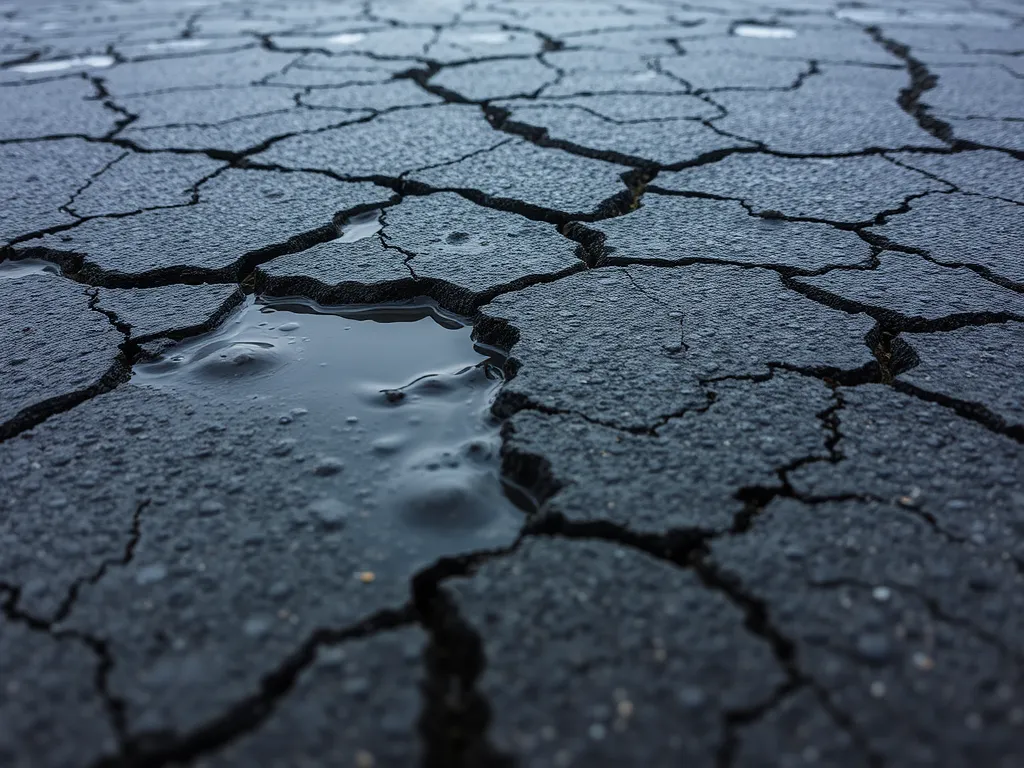
Spotting cracks in asphalt starts with fatigue cracking. This pattern resembles alligator skin with interconnected cracks forming small, irregular blocks (typically 1-3 inches wide). Caused by structural failure from heavy loads or poor base support, it often appears in wheel paths. Full-depth repairs costing $3-$7 per sq.ft. are usually needed.
Block Cracking
Look for large rectangular cracks (≥1 ft. across) resembling a dried-up lakebed. Block cracking stems from asphalt shrinkage due to temperature swings or aged binder materials. These cracks typically lack a directional pattern and appear in areas with minimal traffic.
Edge Cracking
Parallel cracks within 2 feet of pavement edges signal drainage issues or insufficient lateral support. Common in rural roads, they start as hairline fractures (≤¼ inch wide) but can spread inward if untreated. Check for soil erosion near curbs as a contributing factor.
Longitudinal Cracking
Linear cracks running parallel to the pavement centerline often trace back to poor joint construction or temperature stress. Measuring ≥¼ inch wide, they frequently appear in newly paved surfaces. Use a ruler to track width growth during asphalt crack inspections.
Transverse Cracking
Perpendicular to traffic flow, these straight cracks cross the pavement’s full width. Thermal contraction from cold weather is the main culprit. Transverse cracks spaced 20-30 feet apart often indicate temperature-related shrinkage rather than structural damage.
Reflective Cracking
Mirror-image cracks reappearing through new asphalt layers reveal movement in underlying materials. These linear fractures follow the pattern of old pavement joints or cracks. Reflective cracks typically emerge within 1-2 years after resurfacing projects.
Slippage Cracking
Identify crescent-shaped cracks with pushed-up edges caused by tire friction overcoming asphalt cohesion. Common at intersections, these cracks expose the aggregate layer beneath. Poor binder quality or inadequate compaction during installation are frequent triggers.
Check Cracking
Also called “map cracking,” this network of shallow, interconnected fissures (≤¼ inch deep) indicates surface aging. UV oxidation degrades asphalt binders, creating a spiderweb pattern. Check cracking rarely affects structural integrity but accelerates water penetration.
Potholes Vs. Cracks
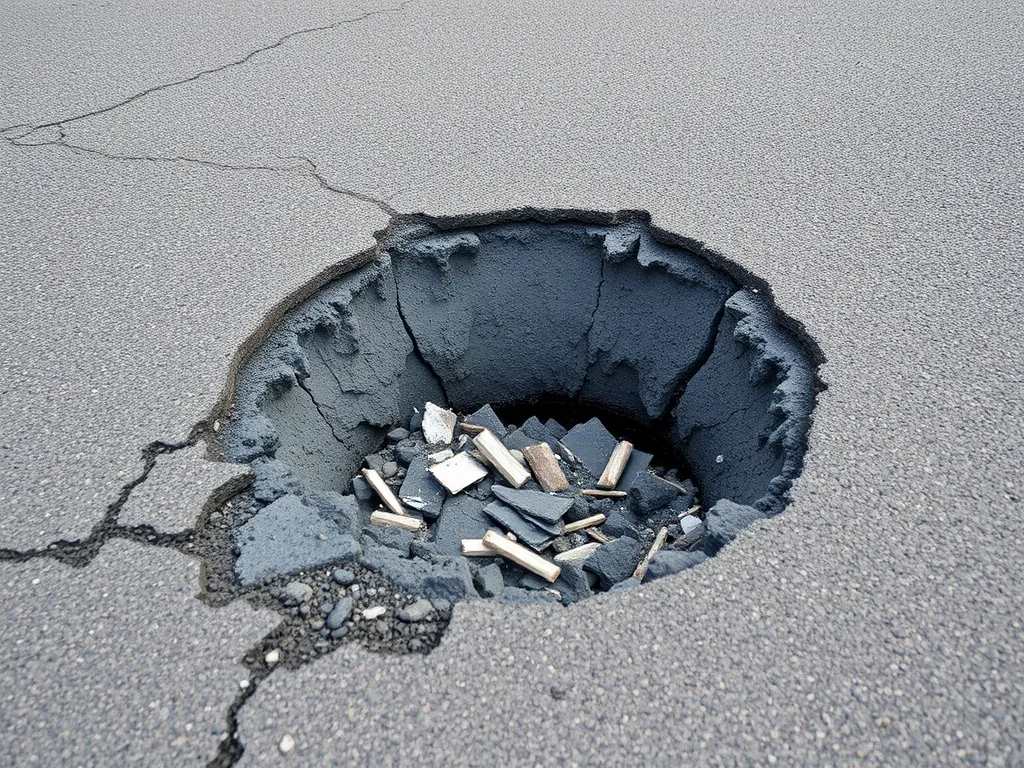
While cracks are surface-level, potholes are bowl-shaped voids penetrating all pavement layers. Look for loose debris around edges and sudden depressions (≥2 inches deep). Potholes form when water infiltrates cracks, weakens the base, and traffic dislodges material. Annual repair costs for potholes exceed $3 billion in the US.
Now that you can identify asphalt pavement cracks, the next step is learning precise inspection methods. Let’s explore tools and techniques for assessing crack severity.
Step-by-step Asphalt Crack Inspection
Regular checks spot early damage before it spreads. Follow this field-tested method to catch issues fast.
Visual Inspection Techniques
Walk the area slowly in daylight. Look for color changes or texture shifts—these often hide early cracks.
Identifying Hairline Cracks
Search for thin lines under 1/8 inch wide. Shine a flashlight sideways across the surface—shadows reveal even micro-fissures. Common near joints or edges, these cracks let water seep into base layers if ignored.
Spotting Alligator Patterns
Check for interconnected cracks forming scales or webs. These 1-3 inch wide sections signal failing base material. Focus on areas with heavy truck traffic—a single square yard with 10+ cracks needs immediate repair.
Tools for Effective Crack Detection
Boost accuracy with gear designed for pavement analysis.
Using Magnifiers for Small Cracks
10x pocket magnifiers expose cracks invisible to naked eyes. Smartphone macro lenses work too—snap photos at 1200 dpi to zoom in post-inspection. Track hairline cracks exceeding 12 inches in length.
Measuring Crack Depth and Width
Insert a flexible 6-inch depth gauge into cracks. Note readings over 1 inch—these threaten structural layers. Digital calipers record widths up to 2 inches with 0.01” precision.
| Tool | Use Case | Critical Threshold |
|---|---|---|
| Pocket Magnifier | Hairline crack verification | 1/16″ width |
| Laser Crack Meter | Pattern measurement | 3 cracks/ft² |
| Depth Gauge | Base layer risk assessment | 1.5″ depth |
Signs Of Progressive Deterioration
Monitor these red flags between inspections: cracks linking into grids, gravel loss around edges, or moss growth inside fissures. Sections sinking 0.5 inches near cracks often have eroded subgrades. Record locations with 20%+ crack density for priority repairs.
Spotting these warning signs sets the stage for tackling another key task: telling apart minor flaws from major failures.
Also See: Fatigue Testing Methodologies: Essential Insights
Differentiating Between Cracks and Potholes
Not all flaws in asphalt act the same. Learn to tell cracks from potholes to pick the right fix.
Characteristics Of Asphalt Cracks
Cracks show as thin lines or web-like splits. Hairline cracks stay under 1/8 inch wide. Alligator cracks form small blocks like reptile skin. Edge cracks run along pavement sides. Look for straight lines (longitudinal), cross-pavement breaks (transverse), or mirror splits from old layers (reflective). Cracks rarely dip deeper than 2 inches.
Identifying Pothole Formation
Potholes start as bowl-shaped dips. They grow when water seeps into cracks, freezes, and breaks the base. Traffic pounds weak spots, carving holes 4+ inches deep. Check for loose chunks or gravel in the hole. Potholes often cluster near curbs or where water pools.
| Feature | Crack | Pothole |
|---|---|---|
| Depth | 0.1-2″ | 4-12+” |
| Shape | Line/Web | Bowl/Crater |
| Fix Cost | $0.10-$1/sq ft | $25-$100 each |
When Cracks Become Potholes
Untreated cracks let water erode the base. As the base fails, the top layer caves. Watch for cracks widening past 1/2 inch or forming sunken areas. Alligator zones often collapse first. Fix cracks before they reach 3/8 inch wide to stop potholes.
Spotting these signs early saves time and cash. Next, learn how to seal, fill, or replace damaged zones based on what you find.
Crack Repair Strategies
Once cracks are detected through asphalt crack inspection, selecting the right repair method becomes critical. Matching solutions to crack severity prevents costly future damage.
Crack Filling Vs. Sealcoating
Crack filling targets individual fractures using rubberized asphalt emulsions. Sealcoating applies protective coatings over entire surfaces. Use filling for cracks wider than 1/4″ and sealing for surface preservation.
Should You Fill Cracks Before Sealing?
Yes. Filling cracks before sealcoating prevents water intrusion under the sealant. Unfilled cracks allow moisture to erode the base layer, accelerating pavement failure.
Patching and Resurfacing Options
Surface patching fixes isolated areas with infrared heaters or cold mix asphalt. Full-depth repairs replace compromised base layers. Resurfacing adds a 1.5-2″ overlay for driveways with widespread cracks under 25% damage.
Can You Install New Asphalt Over Old?
New asphalt can be installed over old surfaces if the base remains stable. Address existing cracks first. Mill 1-2″ of worn pavement before overlaying to prevent reflective cracking. Costs average $3-$7 per square foot for resurfacing.
When to Consider Complete Replacement
Replace asphalt when cracks exceed 40% coverage or base layers fail. Look for alligator cracks deeper than 2″, standing water pools, or surface depressions. Full removal costs 40-50% more than resurfacing but lasts 15+ years versus 8-12.
Proper repairs set the stage for long-term protection. Next, explore routine measures that extend pavement lifespan after addressing existing damage.
Preventive Maintenance for Cracked Asphalt
Spotting cracks early lets you fix issues before they worsen. Proactive care extends pavement life by 5-10 years while slashing repair costs. Focus on four core strategies below.
Regular Inspection Schedules
Inspect paved surfaces every three months using systematic methods. Walk the site during daylight, noting changes in texture or color. Track hairline fractures under ¼” wide with chalk marks. Use measuring tapes to log crack growth. Seasonal shifts matter: check for freeze-thaw damage in spring, UV-related wear in summer.
Timely Crack Sealing Methods
Seal cracks within 48 hours of detection to block water intrusion. Hot-pour rubberized sealants work best for gaps over ½” wide. For smaller fractures, use liquid fillers with sand blends. Apply materials when temps exceed 50°F for proper bonding. Properly sealed cracks cut future repair costs by 75% compared to untreated ones.
Managing Heavy Vehicle Traffic
Limit trucks over 10,000 lbs on weakened pavements. Install load-bearing geogrids beneath high-traffic zones. Redirect delivery routes during peak heat hours when asphalt softens. One overloaded truck causes the same wear as 9,600 cars, speeding up crack formation.
Improving Drainage to Reduce Damage
Water pooling turns tiny fissures into major splits. Regrade slopes to maintain 2% minimum pitch. Install French drains every 20 feet in problem zones. Clear debris from catch basins monthly. Proper drainage systems reduce crack-related repairs by 40% annually.
While these steps tackle existing issues, environmental forces constantly test your pavement’s limits. Next, we’ll break down how weather patterns influence crack growth rates.
Environmental Factors Affecting Asphalt Cracks
Weather patterns and climate conditions directly influence asphalt crack development. Recognizing these triggers helps pinpoint damage sources during asphalt crack inspection.
Weather Impact on Crack Formation
Temperature swings between 32°F and 100°F cause asphalt to expand and contract. This stress creates longitudinal cracks (parallel to pavement edges) or transverse cracks (perpendicular to edges). Look for linear splits during seasonal transitions. In humid climates, rainwater seeps into tiny fissures, accelerating erosion beneath the surface.
Effects Of Freeze-thaw Cycles
Water trapped in cracks expands by 9% when frozen, exerting 2,500 psi pressure on pavement. Repeated freeze-thaw cycles widen hairline cracks into gaps exceeding 0.5 inches. In northern states, this process causes 60% of winter-related pavement damage. Check asphalt for cracks with jagged edges or raised surfaces – key signs of ice damage.
UV Radiation and Asphalt Degradation
Sunlight oxidizes asphalt binders, reducing flexibility by up to 40% over 5 years. UV exposure turns black surfaces gray and creates check cracking – a web of small interconnected fissures. Inspect south-facing driveways for brittle texture or sand-like aggregates, indicators of photo-oxidation. PG (Performance Grade) binders with UV stabilizers slow this process but require annual monitoring.
Spotting cracks in asphalt early allows targeted repairs before environmental stressors escalate damage. Next, we’ll explore repair methods matched to specific crack types and severity levels.
FAQ: Asphalt Crack Identification
How Can I Prevent Asphalt Cracks From Forming?
Preventing asphalt cracks starts with proper installation and regular maintenance. Ensure the asphalt is laid correctly with adequate drainage to avoid water pooling. Regular inspections, timely sealing of minor cracks, and managing the weight of vehicles on the surface significantly reduce the risk of crack development.
How Often Should I Inspect My Asphalt Surface for Cracks?
It is recommended to inspect your asphalt surface at least every three to six months. Inspecting after significant weather changes or heavy rain is crucial since moisture can exacerbate crack development. Keeping a regular inspection schedule allows for early detection and repair of cracks.
What Tools Are Best for Identifying Cracks in Asphalt?
Essential tools for identifying cracks in asphalt include pocket magnifiers for small cracks, measuring tapes or calipers for assessing crack width and depth, and a flashlight for revealing hairline cracks. More sophisticated options can include laser crack meters for precise measurements and depth gauges for evaluating potential base layer damage.
What Should I Do if I Find a Large Crack in My Asphalt?
If you encounter a large crack, it’s critical to assess its depth and width to determine the appropriate repair method. For cracks wider than 1/4 inch or deeper than 1 inch, consider consulting a professional for potential filling, patching, or resurfacing options to prevent further deterioration.
Are There Specific Seasons When Asphalt Cracks Are More Likely to Form?
Yes, asphalt cracks are often more prevalent during transitional seasons, especially spring and fall. During these times, significant temperature fluctuations can cause expansion and contraction of the asphalt surface, leading to crack formation. Additionally, freeze-thaw cycles in winter can also contribute to crack development.
Can I Use Sealant on Cracks I Identify?
Yes, applying a sealant can help protect identified cracks from water intrusion and further damage. It’s best to fill and seal cracks promptly, ideally within 48 hours of detection. Ensure that the cracks are clean and dry before applying any sealant to ensure good adhesion.
Is It Necessary to Repair Hairline Cracks?
While hairline cracks may seem minor, it is advisable to repair them soon to prevent moisture penetration, which can lead to more significant issues over time. Sealing these cracks early can help maintain the integrity of the asphalt surface.
What Are the Risks Of Ignoring Asphalt Cracks?
Ignoring asphalt cracks can lead to worsening conditions, such as potholes and structural failures, which ultimately require more extensive and costly repairs. Allowing cracks to remain unaddressed can compromise safety by increasing the likelihood of accidents from uneven surfaces and deteriorating conditions.
Closing Thoughts
Identifying cracks in asphalt is a critical aspect of maintenance that ensures longevity and safety. Regular inspections can save you money and improve the structural integrity of your pavement. Familiarity with common crack types helps target necessary repairs promptly, preventing small issues from escalating.
Always remember that environmental factors play a significant role in crack formation. Stay vigilant and proactive in your approach to asphalt care. Implement regular inspection schedules and timely repair methods to extend the life of your pavement.
For more information and resources on asphalt care, visit Asphalt Calculator USA.
Useful References for You:
- Kett, I. (1999). Asphalt Materials and Mix Design Manual. Oxford: Elsevier Science.
- Identifying and Repairing Asphalt: Types Of Pavement Damage
- Cracked Asphalt: Major Causes & How to Fix
- 13 Pavement Defects and Failures You Should Know! – pavemanpro
- How To Identify Different Types of Cracks in Asphalt Pavement