How to Harden Asphalt Millings: Get a Rock-solid Surface
Published on: February 3, 2026 | Last Updated: April 14, 2025
Written By: George Voss
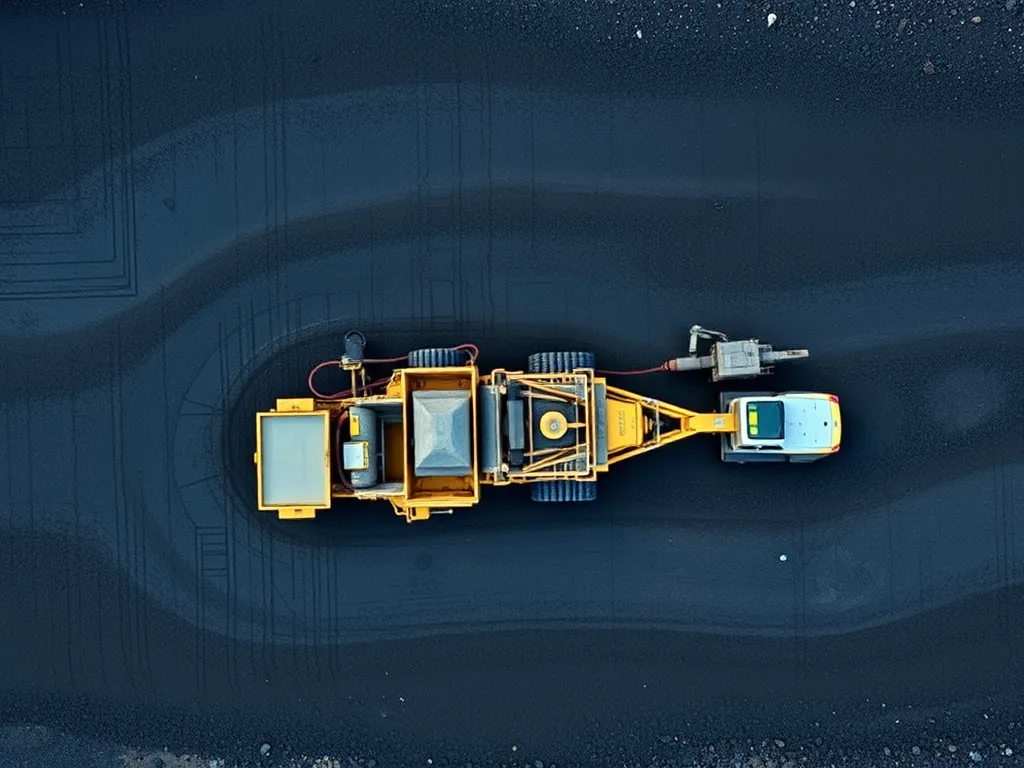
Harden asphalt millings by compacting the material, adding binding agents like asphalt emulsion or cement, and sealing the surface. This process transforms loose recycled asphalt pavement (RAP) into a stable, durable layer for driveways, parking areas, or pathways. Unlike fresh asphalt, millings lack the initial binding strength but can achieve similar durability through proper techniques like moisture control, mechanical compaction, and chemical treatments.
This guide breaks down how to harden asphalt millings using DIY methods and professional solutions. You’ll learn compaction best practices, compare binding agents like SS-1h emulsion (a common asphalt binder) and Portland cement mixtures, and discover how seal coats protect surfaces. We’ll also cover curing times (24-48 hours for light traffic), cost-saving tips (up to 30% cheaper than new asphalt), and fixes for common issues like dust or erosion.
Contents
- What Are Asphalt Millings?
- Benefits and Challenges Of Asphalt Millings
- Step-by-step Guide to Harden Asphalt Millings
- Materials and Solutions for Hardening
- Best Practices for Long-term Durability
- Pros and Cons Of Hardened Asphalt Millings
- Asphalt Millings Vs. Gravel Driveways
- Environmental Impact Of Using Asphalt Millings
- FAQs About Hardening Asphalt Millings
- Final Thoughts
- Additional Resources for You:
What Are Asphalt Millings?
Asphalt millings are recycled pavement material created by grinding old roads, parking lots, or driveways during resurfacing projects. This eco-friendly alternative repurposes existing asphalt instead of sending it to landfills.
Definition and Composition
Millings consist of 95% aggregates (crushed stone, sand) and 5% aged asphalt binder (bitumen). The bitumen acts as a glue but loses stickiness over time. Without hardening techniques, millings stay loose and dusty due to degraded binding properties.
Common Uses in Asphalt Projects
Millings work best for low-traffic surfaces requiring stabilization:
- Driveways: Compacted millings form sturdy bases but need binding agents to prevent shifting under vehicles.
- Parking Areas: Properly hardened millings handle light cars and trucks without rutting.
- Pothole Repair: Mixed with fresh asphalt emulsion, millings fill gaps and bond to existing pavement.
- Road Bases: Used as sublayers under new asphalt to improve load-bearing capacity.
Grasping these basics sets the stage for tackling the benefits and challenges of working with millings.
Benefits and Challenges Of Asphalt Millings
Working with asphalt millings brings both financial perks and physical demands. Knowing what to anticipate helps plan projects smartly.
Key Advantages
Millings cut costs without sacrificing functionality. Their adaptability makes them fit for roads, parking lots, or driveways.
Cost-Effectiveness
Fresh asphalt runs $100-$200 per ton. Millings cost $10-$20 per ton. This cuts project budgets by 30-50%. Savings grow when reusing millings from prior jobs, avoiding quarry material hauling fees.
Eco-Friendly Recycling
Millings reuse 90% of old pavement. This keeps 75 million tons of waste from landfills yearly in the U.S. alone. No mining for virgin aggregates lowers carbon output by 20% per ton.
Potential Challenges
Loose millings lack stability until treated. Ignoring hardening steps risks surface failure.
Dust and Loose Surfaces
Untreated millings shed dust clouds in dry conditions. Particles lift with wind or traffic, reducing visibility. Loose material shifts underfoot, creating tripping hazards on walkways.
Durability Without Proper Hardening
Raw millings compact at 85% density, leaving gaps for water intrusion. Frost cycles or heavy trucks cause ruts and cracks in months. Adding binding agents boosts density to 95%, matching fresh asphalt strength.
Managing these trade-offs requires solid tactics. Now, let’s focus on turning theory into action.
Step-by-step Guide to Harden Asphalt Millings
Transforming loose asphalt millings into a stable surface demands precise methods. Follow these steps to create hardened asphalt millings that withstand wear and weather.
Preparation Phase
Proper groundwork determines the success of hardening asphalt millings. Skipping this phase risks uneven surfaces and poor compaction.
Clearing Debris and Leveling the Surface
Remove rocks, vegetation, or existing pavement chunks. Use a box blade or motor grader to spread millings evenly. Aim for 4-6 inches of compacted depth. Uneven layers cause weak spots that crack under pressure.
Ensuring Proper Drainage
Slope the base at a 2% gradient away from structures. Install perforated pipes or crushed stone trenches in low areas. Water trapped beneath millings weakens the base, leading to premature failure.
Compaction Techniques
Density binds millings together. Without it, particles shift, creating ruts and dust.
Using Rollers for Effective Compaction
Start with a vibratory roller weighing 10+ tons. Make 4-6 passes at 3-5 mph, overlapping each path by 50%. Follow with a static roller to smooth the surface. Properly compacted millings achieve 95% Proctor density.
Optimal Moisture Levels with Water Application
Add water gradually—1.5-2.5% of total millings weight—using a sprinkler system. Test moisture by squeezing a handful: it should hold shape without dripping. Excess water creates voids; too little prevents particle bonding.
Applying Binding Agents
Binders glue millings into a solid mass. Choose products based on traffic needs and climate.
Types of Bonding Agents (Emulsions, Rejuvenators)
SS-1h emulsion adds tack for light-duty driveways. Rejuvenators like RA-25 restore aged bitumen in recycled millings. For heavy traffic, mix millings with 3% liquid cement by weight before compaction.
Spraying vs. Mixing Methods
Spray emulsions at 0.15-0.25 gallons per square yard using a distributor truck. For deeper stabilization, mix rejuvenators into millings with a cold planer. Mixed methods increase strength by 40% compared to surface-only treatments.
Finalizing the Surface
Lock in stability with sealing and controlled curing. Rushed final steps undo earlier work.
Sealing with Asphalt Driveway Sealers
Apply coal tar sealer at 0.10-0.15 gallons per square yard after compaction. Sealers fill surface gaps, block UV damage, and repel water. Reapply every 2-3 years for maintained hardness.
Curing Time and Traffic Management
Wait 24-48 hours before allowing foot traffic. Full curing takes 7 days in temperatures above 50°F. Use traffic cones or barriers to prevent ruts during this period. Early vehicle loads displace millings, requiring repairs.
With the surface stabilized, the next phase explores advanced materials that boost longevity for hardened asphalt millings.
Also See: Advantages Of Asphalt Vs Concrete for Colder Climates
Materials and Solutions for Hardening
Picking the right mix of products can turn loose millings into a firm, long-lasting surface. Use proven agents to bind the crushed asphalt bits and lock them in place.
Asphalt Rejuvenators
These oil-based sprays soften aged bitumen in millings. They bring back stickiness to help chunks bond. Brands like Reclamite or Road Science work best in temps above 50°F.
How They Restore Binding Properties
Rejuvenators seep into dry millings, plumping up shrunk binder. This reactivates the glue that holds stones and sand. Apply 0.1-0.3 gallons per square yard with a spray rig for even spread.
Liquid Cement or Plastic Cement Mixtures
Mix 1 part cement with 6 parts water to make a slurry. Pour over millings and roll. The paste hardens like glue, adding rock-solid strength. Sets in 3-7 days. Ideal for driveways that face heavy trucks.
Commercial Seal Coats
Sealers like coal tar or asphalt emulsion shield surfaces from rain and sun. They fill gaps between millings. Apply two coats at 0.15 gal per sq yd. Re-seal every 2-3 years to stop cracks and dust.
Match your pick to the project’s needs: fast fixes (sealers), heavy loads (cement), or eco-options (rejuvenators). Pair these with good prep work for max hold. Now let’s dive into keeping your hardened millings tough year after year.
Best Practices for Long-term Durability
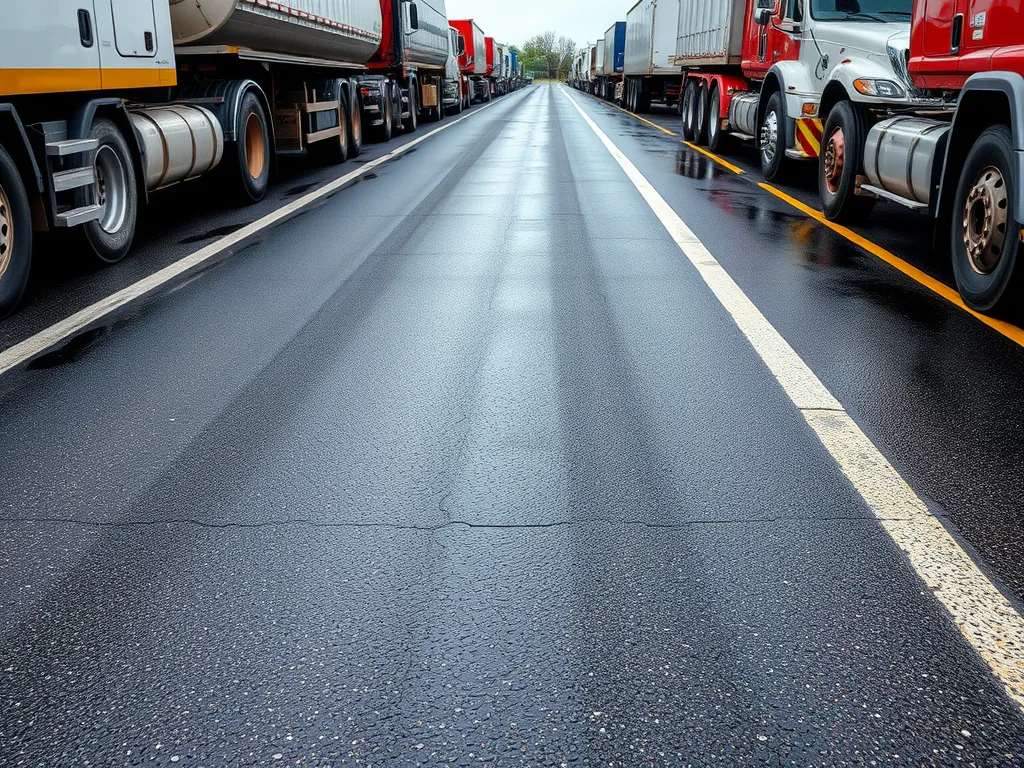
Properly hardened asphalt millings can last 7-15 years with consistent care. Follow these strategies to maintain surface integrity and prevent premature degradation.
Regular Maintenance Tips
Inspect surfaces biannually for cracks or potholes. Sealcoat every 2-3 years using coal tar or asphalt-based emulsions (60-80% solids recommended). Fill minor cracks within 48 hours using rubberized crack filler. For driveways, limit heavy vehicle loads above 10,000 lbs without reinforced bases. Edge restraints prevent lateral spreading – install steel or polymer borders if millings shift.
Avoiding Common Mistakes
Even small errors during hardening asphalt millings can slash durability by 30-50%. Prioritize these critical factors:
Over-Watering or Under-Compacting
Excess moisture weakens the binder matrix, causing ruts under loads. Insufficient compaction leaves air voids exceeding 8%, accelerating erosion. Use vibratory rollers at 8-12 mph for 4-6 passes. Target 95% Proctor density (ASTM D698) for driveways. Test moisture content with a nuclear gauge – ideal range is 5-7% by weight.
Ignoring Weather Conditions
Lay millings only when temperatures exceed 50°F (10°C). Avoid rain forecasts within 48 hours – water dilutes bonding agents. Below-freezing temps prevent proper adhesion of sealers. In humid climates, add 1-2% hydrated lime to millings during compaction to absorb moisture.
Balancing these elements ensures your hardened asphalt millings withstand wear. Next, we’ll compare performance against traditional gravel and asphalt surfaces.
Pros and Cons Of Hardened Asphalt Millings
Properly treated millings form surfaces that balance performance with budget needs. Weighing benefits against constraints ensures success for your project.
Durability and Cost Savings
When compacted with binding solutions like SS-1h emulsions or cement mixtures, millings lock into place for surfaces lasting 8-12 years. Recycled pavement costs $10-$20 per ton versus $50-$150 for new mixes. This cuts spending by 30-50% on driveways or rural roads. Stabilized millings resist cracking under freeze-thaw cycles when sealed yearly. With 95% RAP (Recycled Asphalt Pavement) reuse, projects divert 2.5 tons of waste per 100 sq.ft. from landfills.
- No mining for virgin aggregates
- Lower hauling fees due to local sourcing
- Minimal curing downtime (24-48 hours)
Limitations in High-traffic Areas
Untreated millings lack the structural strength of hot-mix asphalt, rated for 10,000+ PSI. Heavy trucks over 10,000 lbs. create ruts if binders aren’t reinforced with lime or polymer modifiers. Industrial sites might need 6-8 inches of compacted depth versus 4 inches for residential use. Dust resurfaces during dry spells unless sealed with coal-tar emulsions.
- Not ideal for steep slopes exceeding 8% grade
- Edge raveling occurs without containment borders
- Requires biannual inspections for pothole repair
While stabilized millings work for most residential jobs, high-volume roads demand hybrid solutions. Let’s explore how they stack up against gravel in varied settings.
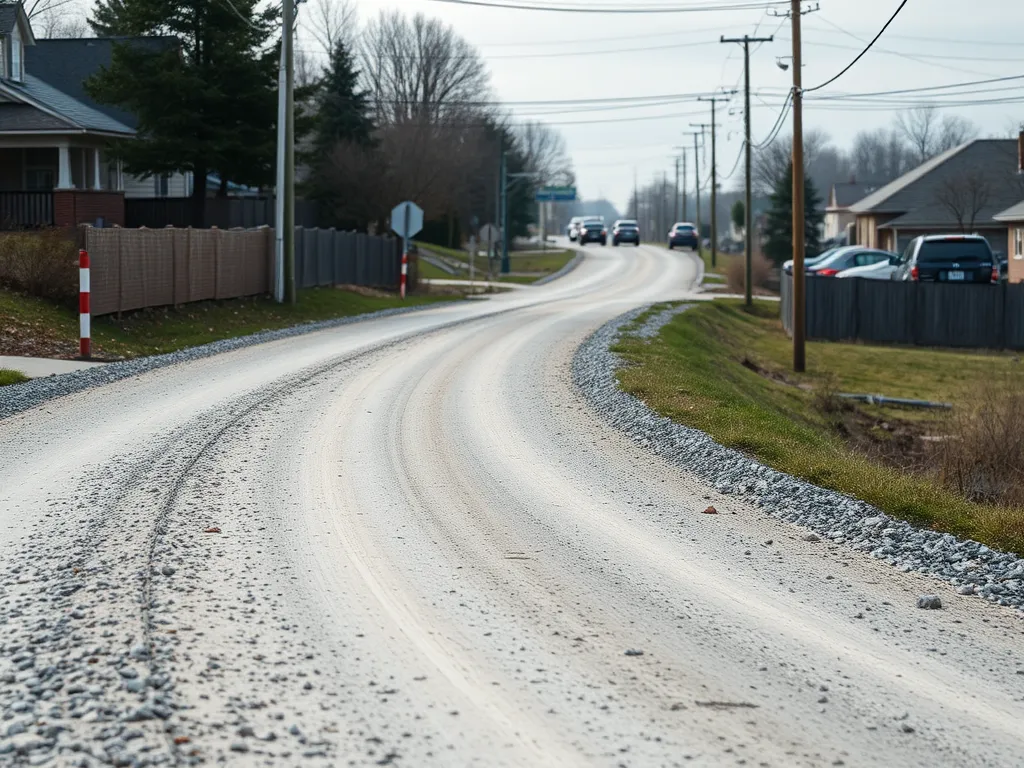
Asphalt Millings Vs. Gravel Driveways
Choosing between millings recycled from pavement projects versus gravel depends on budget, performance needs, and long-term maintenance. Both options serve distinct purposes, but millings offer unique benefits when properly treated.
Cost Comparison
Gravel costs $10-$20 per ton, while millings range from $12-$18 per ton. Though prices seem similar, millings become more economical over time. Once compacted and treated with binding agents like SS-1h emulsion, millings form solid surfaces needing fewer repairs. Gravel requires yearly top-ups due to erosion, adding $200-$500 annually for regrading. Properly hardened millings cut long-term expenses by up to 40%.
Traction and Maintenance Differences
Gravel shifts under tires, creating ruts in wet conditions. Millings bond when compacted, offering better grip. Untreated millings produce dust, but spraying 0.5 gallons per square yard of rejuvenator seals particles. Use vibratory rollers weighing 8-10 tons for 4-6 passes to lock surfaces. Maintain edges yearly with fresh millings to prevent crumbling. Unlike gravel, hardened millings won’t scatter onto lawns or roads.
Up next: Learn how recycled pavement reduces environmental strain while boosting project sustainability.
Environmental Impact Of Using Asphalt Millings
Hardening asphalt millings doesn’t just create stable surfaces—it directly supports eco-friendly construction practices. Let’s explore how this process reduces waste and aligns with sustainable goals.
Reducing Landfill Waste
Recycling asphalt millings keeps 90% of reclaimed pavement out of landfills. Each ton reused prevents 0.03 tons of CO2 emissions compared to producing new asphalt. Proper hardening methods like compaction and sealing ensure millings stay intact, minimizing erosion or displacement that could lead to material loss. Projects using millings for driveways or pathways typically divert 2-3 tons of waste per 500 sq ft area.
Sustainability Considerations
Hardened millings require fewer virgin materials—crushed stone use drops by 40% in base layers. Binding agents like CSS-1H emulsions or soybean-based rejuvenators cut petroleum use by 15-20%. LEED-certified projects often prioritize millings due to their 100% recyclability. Properly cured surfaces last 8-12 years, reducing the frequency of repairs and resource extraction.
Up next: Get answers to common questions about hardening techniques and material choices.
FAQs About Hardening Asphalt Millings
What is the Best Bonding Agent for Asphalt Millings?
The best bonding agent for asphalt millings typically depends on the type of traffic expected and environmental conditions. Commonly used options include asphalt emulsions like SS-1h for light traffic and rejuvenators that restore aged asphalt’s binding properties. For heavy-duty applications, mixing in liquid cement with the millings can provide additional strength.
How Long Does It Take for Asphalt Millings to Harden?
Asphalt millings generally take about 24 to 48 hours for initial hardening under light foot traffic conditions. However, full curing can take up to a week if temperatures are consistently above 50°F. Avoid heavy vehicle traffic during this initial period to allow the surface to stabilize properly.
Can You Use Water Alone to Solidify Millings?
Using water alone is not sufficient to fully solidify asphalt millings. While water aids in the compaction process by helping the particles bond, it should be combined with binding agents like emulsions or rejuvenators to achieve a durable and cohesive surface.
What Spray Solutions Effectively Harden Millings?
Effective spray solutions for hardening asphalt millings include various types of asphalt emulsions, such as SS-1h, as well as rejuvenators like RA-25. These products can be applied using a distributor truck to ensure even coverage, enhancing the binding properties and stability of the millings.
How Do Asphalt Millings Compare to Gravel Driveways?
Asphalt millings are often preferred over gravel driveways because they provide a more solid, stable surface that bonds better under pressure. They require less frequent maintenance and can resist erosion better than gravel. While both options have similar initial costs, millings can save money in the long term due to reduced repair needs and better durability.
Final Thoughts
Hardening asphalt millings is a practical choice for creating durable, cost-effective surfaces. By following the outlined techniques—preparing the area, compacting thoroughly, and applying suitable binding agents—you can achieve a resilient end result. Regular maintenance will ensure longevity, making asphalt millings a sustainable option for driveways and paths.
Keep in mind the variables like moisture levels and weather conditions, which can greatly influence the hardening process. Staying vigilant during installation and maintenance will help prevent issues that could compromise your surface.
For more information and expert insights on asphalt topics, visit Asphalt Calculator USA.