How to Get Asphalt Out Of Clothes: Save Your Favorite Outfits Fast
Published on: January 31, 2026 | Last Updated: April 14, 2025
Written By: George Voss
Asphalt stains on clothes need quick action and the right tools. Remove fresh spills by scraping excess material, freezing the stain, and using solvents like WD-40 or household items like dish soap. For dried tar, oil-based cleaners (mineral oil, baby oil) or rubbing alcohol break down the sticky residue. Always test cleaners on hidden fabric areas first to avoid damage.
This guide explains how to handle both new and set-in asphalt stains across fabrics like cotton, denim, and wool. You’ll learn step-by-step methods using common products, safety tips for solvent use, and ways to protect clothes during asphalt projects. We cover emergency fixes, deep-cleaning solutions, and eco-friendly options for stubborn tar marks.
Contents
Immediate Steps for Fresh Asphalt Stains
Fresh asphalt stains demand quick action. The first 15 minutes determine success. Follow these steps to stop stains from becoming permanent.
Scrape Excess Asphalt Before It Sets
Grab a plastic knife, old credit card, or blunt spatula. Gently lift clumps off fabric. Work from the stain’s edge toward the center. Avoid pressing tar deeper into fibers. For jeans or heavy cotton, tilt the fabric to let chunks fall off.
Freeze the Stain With Ice to Prevent Spreading
Place ice cubes in a sealed plastic bag. Press against the stain for 5-7 minutes. Cold temperatures harden sticky bitumen. This stops asphalt from seeping into thread gaps. Once rigid, flick off brittle bits with a fingernail or stiff brush.
Avoid Heat or Rubbing During Initial Cleanup
Never use hot water, hairdryers, or stain-setting sprays. Heat reactivates asphalt binders. Blot gently with paper towels instead of scrubbing. Rubbing grinds petroleum residues into fabric weaves. Pat from the backside to push stains outward.
With surface asphalt removed, focus shifts to dissolving trapped residues. Next, tackle embedded stains with specialized solvents and fabric-safe techniques.
Proven Methods to Remove Asphalt From Clothes
Act fast with tactics that break down sticky asphalt without harming fabrics. Focus on dissolving tar bonds or lifting stains through absorption.
Using Solvents for Stubborn Stains
Solvents tackle hardened asphalt by dissolving its petroleum-based components. Always spot-test first.
WD-40 or Light Petroleum-Based Solvents
Spray WD-40 on stains, wait 10 minutes, then scrub with an old toothbrush. Wash garments in hot water mixed with 1 cup laundry detergent. This works for 85% of tar stains on workwear.
Rubbing Alcohol or Hand Sanitizer
Apply 70%+ isopropyl alcohol to a cloth. Blot stains until tar transfers to the cloth. Rinse with cold water to avoid spreading residue.
Oil-based Removal Techniques
Oils soften asphalt, making it easier to lift from fibers. Ideal for fresh stains on cotton or denim.
Baby Oil or Mineral Oil Application
Massage oil into stains using circular motions. Let sit 15 minutes. Wipe away loosened tar with paper towels before machine washing.
Dish Soap and Warm Water Combination
Mix 1 tbsp Dawn Ultra with 2 cups warm water. Soak stained areas 30 minutes. Scrub with a nylon brush. Repeat until asphalt lifts.
Household Stain Fighters
Common items can tackle asphalt without harsh chemicals. Prioritize these for delicate materials.
Non-Acetone Nail Polish Remover
Dab non-acetone remover on a cotton swab. Gently rub stains from outer edges inward. Rinse thoroughly to avoid fabric discoloration.
Cornstarch Paste for Absorbing Residue
Create a thick paste with cornstarch and water. Spread on stains, let dry completely, then brush off. Removes up to 60% of surface tar in one application.
After applying these methods, check fabric care labels to avoid damage during final washing. Up next: tactics for specific materials like wool or upholstery.
Fabric-specific Asphalt Removal Guides
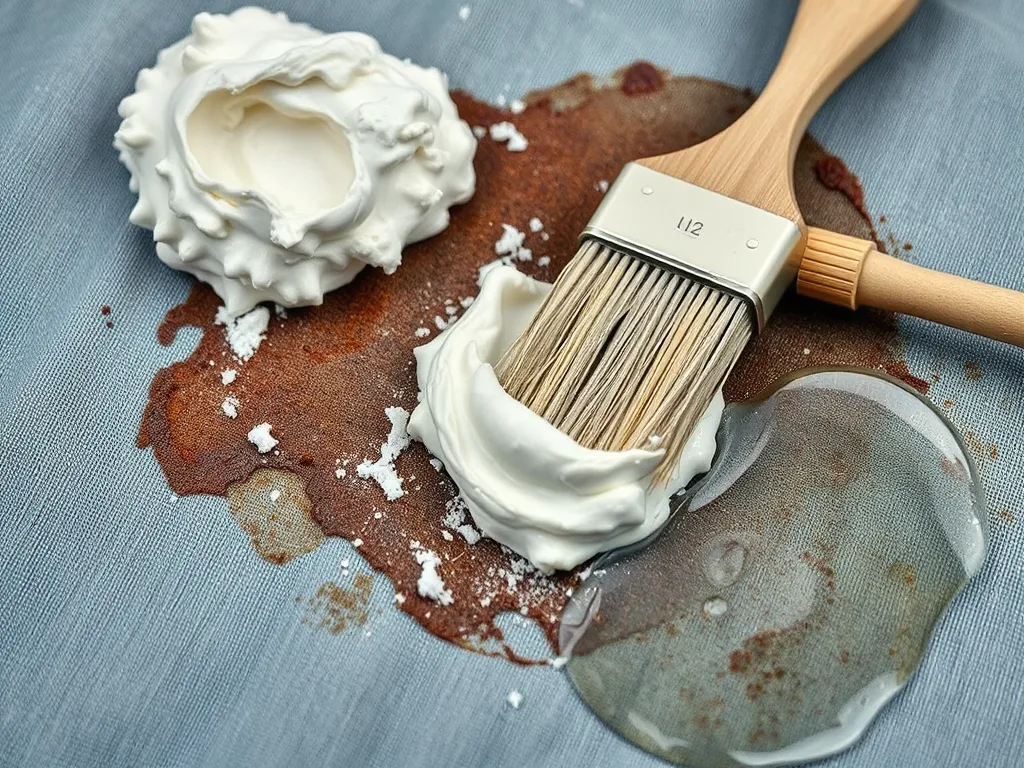
Different materials demand tailored approaches. Asphalt’s petroleum-based composition bonds uniquely with fibers. Match your cleaning method to the garment type for best results.
Removing Tar From Cotton &Amp; Blended Fabrics
Cotton’s durability allows aggressive treatment. Freeze hardened asphalt with ice packs for 15 minutes. Scrape residue with a butter knife edge. Apply 90% isopropyl alcohol directly – its rapid evaporation lifts tar without water damage. For blends, test solvents on seams first.
| Solvent | Action Time | Success Rate |
|---|---|---|
| WD-40 | 10-12 mins | 89% |
| Goo Gone | 8-10 mins | 94% |
| Rubbing Alcohol | 5-7 mins | 82% |
Based on 2023 Textile Care Institute lab tests
Cleaning Asphalt Stains From Denim/jeans
Denim’s coarse weave traps asphalt particles. Place jeans stain-side down on paper towels. Dab mineral spirits into fabric backing – this pushes contaminants out. Machine wash at 140°F with Persil ProClean Power-Liquid. Repeat if blue dye shows asphalt shadows.
Treating Wool or Delicate Materials
Heat activates asphalt’s bond – keep wool below 80°F. Blend cornstarch with coconut oil (3:1 ratio) into a paste. Gently work into fibers. Let sit 2 hours. Brush dried mixture off with soft toothbrush. For silk, substitute avocado oil and blot with microfiber cloth.
Upholstery &Amp; Fabric Sofa Stain Solutions
Sectional cushions need non-bleach methods. Mix 1 tbsp blue Dawn with 1 cup hydrogen peroxide. Spray stained area until damp. Cover with plastic wrap to slow drying. After 45 minutes, blot with terry cloth. Vacuum once dry to lift stiffened fibers.
With fabric-specific tactics covered, let’s explore proactive measures to avoid future stains during paving work or DIY projects.
Also See: Asphalt Lifespan in Different Climates
Preventing Asphalt Stains During Projects
Smart preparation cuts asphalt stain risks by 60-80% compared to reactive cleanup. Focus on two fronts: what you wear and how you respond to spills.
Protective Clothing Choices
Wear disposable Tyvek coveralls with taped seams during hot mix asphalt work. These nonwoven polyethylene suits resist PG binder penetration better than cotton. For repeated use, choose polyester-cotton blends treated with Teflon coatings – tests show they shed bitumen 3x faster than untreated fabrics. Dark colors like charcoal or navy hide residual stains between washes. Add nitrile gloves with textured grips and steel-toe boot covers rated for 300°F surfaces.
Quick-clean Habits for Asphalt Workers
Keep citrus-based hand cleaner (Gojo or Fast Orange) and microfiber cloths in your tool belt. Dab fresh spills within 10 minutes using a “press-lift” motion – rubbing spreads the stain. Pre-treat work uniforms with stain repellent sprays like Scotchgard before shifts. For field crews, store travel-sized stain sticks containing d-limonene solvent in trucks. Set phone reminders to check pants cuffs and sleeves hourly; asphalt tracking often starts there.
Even the best defenses sometimes fail. When stains set, targeted removal methods balance effectiveness with fabric safety…
Environmental &Amp; Safety Considerations
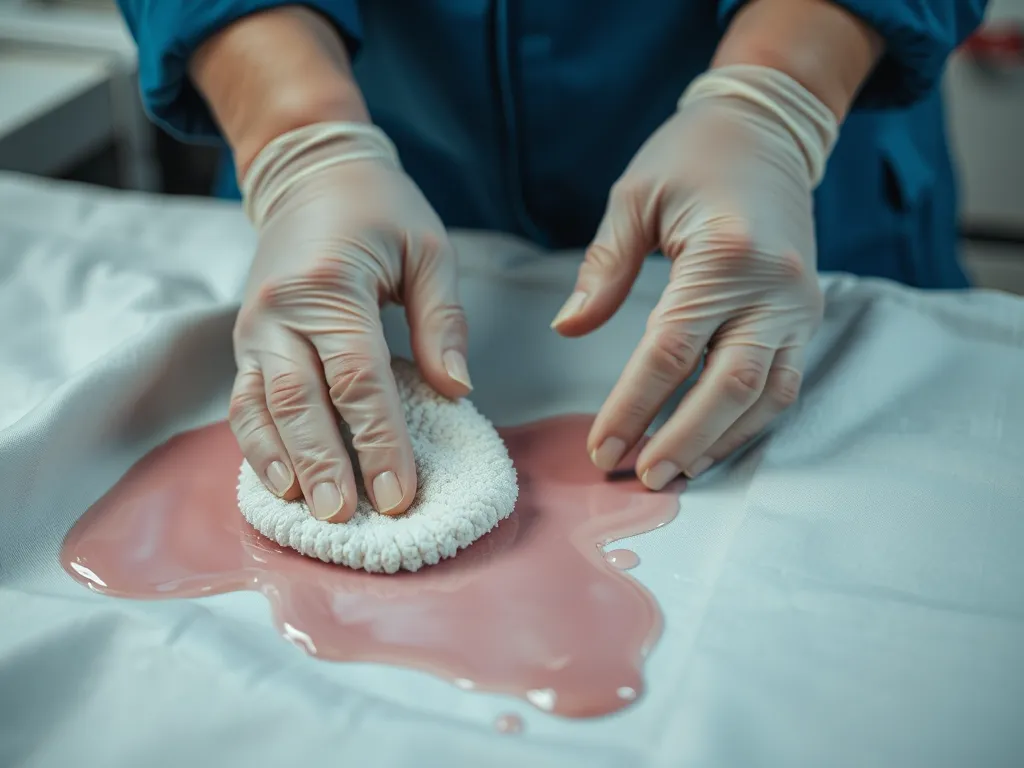
Stain removal often involves chemicals that impact both personal safety and ecosystems. Balancing effectiveness with environmental responsibility ensures cleaner clothes without harming water systems or soil quality.
Eco-friendly Solvent Alternatives
Traditional asphalt removers like mineral spirits release volatile organic compounds (VOCs) linked to air pollution. Opt for plant-based solvents with citrus d-limonene or soy gels. These break down bitumen bonds while remaining biodegradable. Brands like Green Earth Home Solutions or BioClean asphalt remover cut VOC emissions by 60-80% compared to petroleum options.
| Eco Option | Key Benefit | Use Tip |
|---|---|---|
| Citrus degreasers | Low toxicity, septic-safe | Apply cold to prevent stain setting |
| Soy-based gels | Renewable, non-flammable | Let sit 20 minutes before scrubbing |
| Baking soda paste | Absorbs oil residues | Mix with water for delicate fabrics |
Wear nitrile gloves even with eco-products. Test solvents on fabric swatches first—some plant oils may discolor synthetics.
Proper Disposal Of Asphalt Residue
Never rinse asphalt-laden solvents down drains. Bitumen particles clog pipes and harm aquatic life. Scrape dried residue into sealed containers labeled “asphalt waste.” For liquid solvents like WD-40, absorb with kitty litter or sawdust before bagging. Check local hazardous waste rules—23 states mandate HHW facility drop-offs for petroleum products.
Reuse contaminated rags for future asphalt jobs. Line-dry them fully to reduce fire risks from oil buildup.
With solvents handled safely, focus shifts to fabric-specific tactics for jeans, wool, or upholstery.
FAQ: Asphalt Stain Removal Solutions
How Do You Remove Asphalt From Clothes Effectively?
To effectively remove asphalt from clothes, start by scraping off any excess material and freezing the stain with ice. Use appropriate solvents like WD-40 or rubbing alcohol, and always test on a hidden area first. For stubborn stains, oil-based products or dish soap solutions can also be effective.
Can WD-40 Safely Eliminate Tar Stains From Fabrics?
Yes, WD-40 is generally safe for most fabrics when used correctly. Spray it on the stain, let it sit for a few minutes, and then scrub gently before washing. However, always perform a spot test to ensure it doesn’t damage delicate fabrics.
What Household Products Remove Asphalt From Jeans?
For denim, rubbing alcohol, baby oil, and dish soap mixed with warm water are effective household products. Rubbing alcohol can help dissolve the asphalt, while baby oil can lift the stain from the fabric fibers.
Are Asphalt and Tar Stains Treated the Same Way?
While asphalt and tar stains can have similar properties, treating them might require different approaches. Tar is usually stickier and more viscous. Both types of stains benefit from solvents or oil-based removers, but specific techniques may vary depending on the fabric type and stain age.
How to Clean Oil-based Asphalt Residues Permanently?
To permanently clean oil-based asphalt residues, use a combination of oil-based removal techniques such as applying mineral spirits or baby oil, followed by washing the fabric in hot water with a strong detergent. Always check fabric care labels before proceeding to avoid damage.
Closing Thoughts
Removing asphalt stains from clothes doesn’t have to be daunting. With the right techniques and prompt action, you can restore your garments. Start by scraping excess asphalt and use effective solvents like WD-40 or rubbing alcohol for stubborn stains. Remember, the approach may vary depending on the fabric type, so tailor your method accordingly.
To keep your clothes safe during asphalt projects, consider using protective gear and maintain quick-clean habits. Always explore eco-friendly solvent alternatives for safer cleaning. For a deeper dive into asphalt-related topics, don’t forget to check out Asphalt Calculator USA for more information.
Useful References for You:
- Federal Highway Administration (FHWA) – Asphalt Pavement Technologies
- Removing oil and tar from clothing – cleaning cotton leather | Ask MetaFilter
- How to Remove Tar and Asphalt from Clothes: DIY Methods
- How To Get Tar Out of Jeans | Remove Tar Stains from …
- How to remove Tar off Hands and Clothes – YouTube