How to Get Asphalt Off Skin: Safe Removal Methods & Home Remedies
Published on: January 31, 2026 | Last Updated: April 14, 2025
Written By: George Voss
Asphalt—a mix of aggregates and sticky bitumen—bonds strongly to skin upon contact, especially when hot. To remove it safely, act quickly: cool burns with water, soften residue with oils like baby oil or olive oil, and gently scrub with mild soap. Avoid harsh chemicals or rough scrubbing to prevent skin damage. For natural solutions, peanut butter or brown sugar scrubs work on cooled asphalt without irritation.
This guide covers emergency steps for fresh asphalt burns, DIY methods using household items, and tools for stubborn tar. Learn how oils dissolve bitumen, why dish soap lifts residue, and when to use rubbing alcohol. We’ll also explore protective gear to avoid sticky situations and eco-friendly cleanup tips. Keep reading for step-by-step fixes tailored to your skin type and asphalt type—petroleum-based or natural beach tar.
Contents
- Immediate Actions to Take After Asphalt Contact
- Effective Home Remedies for Asphalt Removal
- Tools and Techniques for Safe Scrubbing
- Preventive Measures to Avoid Asphalt Sticking
- Safety and Environmental Considerations
- Frequently Asked Questions
- Final Summary: Safe Asphalt Removal Practices
- Additional Resources for You:
Immediate Actions to Take After Asphalt Contact
Quick response minimizes skin irritation when hot asphalt or tar bonds to skin. Follow these steps within the first 10 minutes to prevent deeper bonding.
Step 1: Prevent Rubbing or Spreading the Asphalt
Hot asphalt sticks tighter when pressed or smeared. Keep the affected zone still. Use gentle motions if movement is required. Rough handling pushes bitumen—the sticky petroleum component—into pores, making asphalt tar removal from skin harder later.
Step 2: Cool the Affected Zone With Water
Run cool water (15-20°C) over the bonded area for 5-7 minutes. This hardens the material, shrinking its grip on skin. Skip hot water—it softens bitumen, worsening adhesion. For larger spills, soak cloths in chilled water before placing them on skin.
Step 3: Softly Lift Excess Asphalt
Once cooled, use the edge of a plastic card or dull knife to lift bulk deposits. Work from outer edges toward the center to limit skin stretching. Remove up to 80% of debris this way. Never pick or scrape—this tears skin, raising infection risks during tar removal from skin.
If residues persist, gentle cleansers or oils can break down remaining bitumen. Next, we’ll explore household solutions for thorough asphalt removal from skin without harsh scrubbing.
Effective Home Remedies for Asphalt Removal
Sticky asphalt doesn’t require harsh chemicals for removal. These accessible methods break down tar while protecting skin integrity.
Using Oils to Loosen Asphalt
Lubricants derived from natural or mineral sources penetrate asphalt bonds, making residue easier to wipe away.
Baby Oil or Mineral Oil
Apply a thick layer of baby or mineral-based lubricant directly to affected areas. Let sit 5-7 minutes to soften tar. Wipe gently with a microfiber cloth. Repeat until residue lifts. These emollients work without irritating most skin types.
Olive Oil or Coconut Oil
Massage plant-derived lubricants like those from pressed fruits or tropical plants into skin. Wait 10 minutes to let fats dissolve tar. Rinse with lukewarm water. Ideal for larger patches due to their low cost and availability.
Household Products for Stubborn Residue
Everyday items in your kitchen or bathroom tackle hardened asphalt effectively.
Dish Soap and Warm Water
Mix degreasing dish cleaner with warm water (110°F max). Scrub gently with a soft-bristled brush for 2-3 minutes. Rinse thoroughly. This combo removes 90% of fresh asphalt spills.
Petroleum Jelly or Baking Soda Paste
Slather petroleum-based jelly onto skin. Let sit 15 minutes to break down tar. For grit, blend baking soda with water into a paste. Rub in circles for 1-2 minutes. Rinse with cool water.
Rubbing Alcohol or Hand Sanitizer
Dab 70%+ rubbing alcohol onto a cotton ball. Press against skin for 30 seconds, then wipe. Hand sanitizers with 60%+ alcohol content work similarly but may need 2-3 applications.
Natural Solutions for Sensitive Skin
Gentle alternatives minimize irritation for those with reactive skin.
Vinegar and Cornstarch Mixture
Combine equal parts white vinegar and cornstarch to form a paste. Spread over tar, let dry 10 minutes, then rinse. Vinegar’s acidity breaks down bitumen while cornstarch absorbs residue.
Peanut Butter or Brown Sugar Scrub
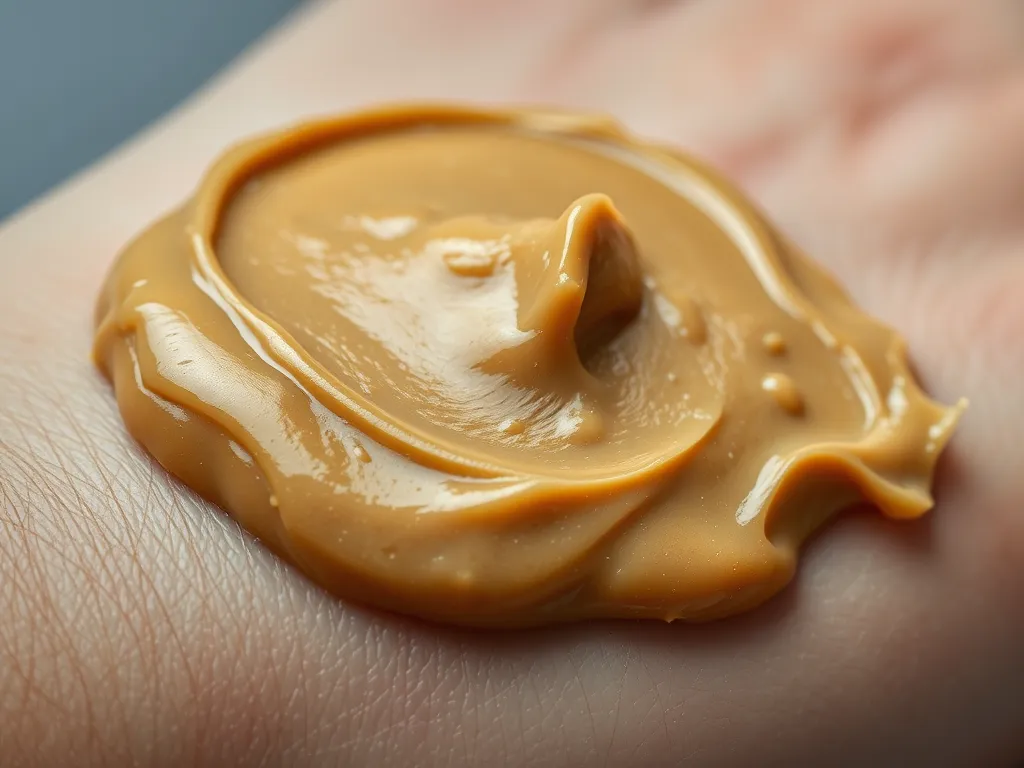
Apply creamy peanut butter (test for allergies first) to skin. Wait 5 minutes, then scrub lightly with a damp cloth. For exfoliation, mix brown sugar with water. Use gentle pressure to avoid microtears.
After trying these methods, proper scrubbing techniques ensure complete asphalt tar removal from skin without damage. Let’s explore safe tools next.
Tools and Techniques for Safe Scrubbing
Once you’ve loosened asphalt with oils or household products, proper scrubbing methods prevent skin damage. Choose tools based on residue thickness and skin sensitivity.
Soft-bristled Brush or Washcloth
A soft-bristled toothbrush or microfiber washcloth lifts softened asphalt without scraping. Pair with warm soapy water or mineral oil. Move in small circles, applying light pressure. This method works for 85% of fresh asphalt stains and minimizes redness.
Pumice Stone or Nail Buffer (for Tough Residue)
For hardened asphalt, soak the area in warm water for 5-7 minutes. Gently rub a wet pumice stone (grit rating 100-150) or emery board across the stain. Focus on thick spots, not surrounding skin. Nail buffers with keratin-safe abrasives remove residue on knuckles or fingertips. Limit scrubbing to 2-3 minutes per session.
Avoiding Abrasive Materials That Irritate Skin
Steel wool, stiff wire brushes, or coarse sandpaper create microtears, raising infection risks. Test scrubbing tools on a small patch first. If redness occurs, switch to a gentler option like a silicone scrubber. Always apply aloe vera or fragrance-free lotion post-scrubbing to restore moisture.
Once asphalt is removed, focus shifts to shielding skin during future projects. The next section details protective gear and barrier methods to keep tar at bay.
Also See: Does Rock Salt Damage Asphalt? Find Out Here
Preventive Measures to Avoid Asphalt Sticking
Preventing asphalt from bonding to skin saves time and reduces irritation. Proactive steps minimize direct contact with hot tar or sticky asphalt mixtures during paving, roofing, or roadwork.
Wearing Protective Clothing and Gloves
Cover exposed skin with nitrile gloves (0.3 mm thickness recommended) and long-sleeved workwear. Asphalt binds less effectively to synthetic materials than cotton or leather. Key items include:
- Nitrile gloves: Resists degradation from bitumen (asphalt’s binding agent) better than latex
- Coveralls: Choose polyester blends with sealed seams to block seepage
- High-top boots: Prevents drips from entering footwear
Inspect gloves for tears every 30 minutes during hot asphalt applications (120°F+). Replace immediately if compromised.
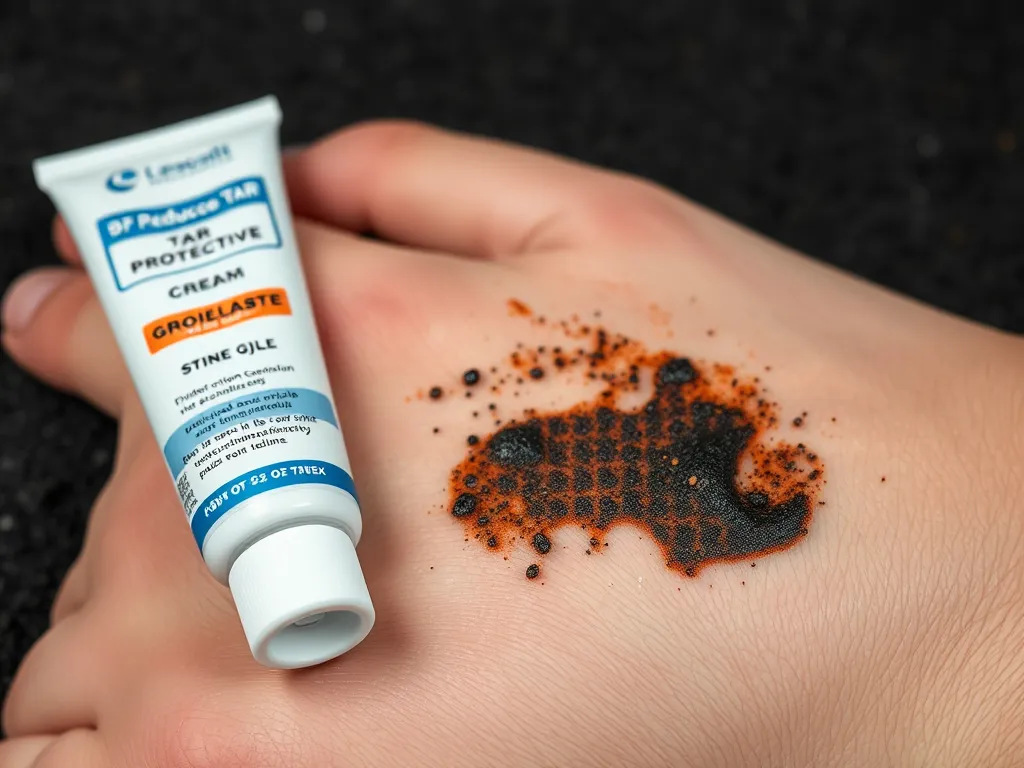
Applying Barrier Creams Before Work
Pre-work skin creams create a protective layer that hinders asphalt adhesion. Opt for water-resistant formulas containing dimethicone or lanolin. Apply:
- 15 minutes before exposure: Let the cream absorb fully
- Focus on hands, wrists, and neck: High-contact zones
- Reapply every 4-6 hours: Especially in humid conditions
Brands like Derma Shield or Shield Skin reduce asphalt tar removal from skin by up to 70% compared to untreated areas.
While prevention minimizes contact, accidents still happen. Next, we’ll explore eco-friendly ways to handle leftover asphalt residue safely.
Safety and Environmental Considerations
Handling asphalt residue requires care for both personal safety and ecological impact. Asphalt contains bitumen (a petroleum-based binder) and aggregates that can harm ecosystems if mismanaged.
Proper Disposal Of Asphalt Residue
Never rinse asphalt remnants down drains or toss them into regular trash. Bitumen can contaminate water systems and soil. Place scraped-off material in a sealed plastic bag or container labeled “asphalt waste.” Consult local hazardous waste guidelines—many municipalities require drop-offs at designated facilities. For example, the EPA recommends mixing small amounts with cat litter before disposal to neutralize stickiness.
Using Biodegradable Cleaners When Possible
Choose plant-based soaps or citrus degreasers when tackling asphalt tar removal from skin. Products like orange oil cleaners or castile soap break down bitumen without releasing harsh chemicals into waterways. Studies show biodegradable options reduce toxic runoff by up to 95% compared to solvent-based removers. For sensitive skin, coconut oil or sunflower oil work as effective, earth-friendly alternatives to petroleum jelly.
Ready to explore answers to common challenges? Let’s move to frequently asked questions about asphalt removal from skin.
Frequently Asked Questions
Can You Remove Asphalt From Skin?
Yes, asphalt can be removed from skin using various methods, including oils, household products, and gentle scrubbing techniques. Quick action helps to minimize the bond between asphalt and skin.
What is the Best Tar Remover for Skin?
The best tar removers for skin include natural oils like baby oil and coconut oil, as well as household products like rubbing alcohol or dish soap mixed with warm water. These options are effective without causing irritation.
Is Tar Hard to Get Off Skin?
Tar can be challenging to remove, especially if it has cooled and hardened. However, using the right techniques and products can significantly ease the removal process.
Does Dish Soap Remove Tar?
Yes, dish soap is effective at removing tar when combined with warm water. Its grease-fighting properties help to break down sticky residues.
How Can I Remove Tar From Skin Naturally?
Naturally removing tar can be accomplished using household ingredients like olive oil, baking soda, or even a mixture of vinegar and cornstarch to help lift tar without using harsh chemicals.
Is Tar on Skin Dangerous?
While tar itself is not usually dangerous, it can cause skin irritation or allergic reactions in some individuals. It is best to remove tar promptly to reduce any potential risks.
How Can I Remove Beach Tar From Skin?
Similar to removing asphalt, beach tar can be removed using vegetable oils or petroleum jelly. Rubbing the affected area and then washing with soap and water usually works effectively.
How Can I Get Tar Off My Hands?
To get tar off your hands, apply an oil-based product like baby oil or olive oil to soften the tar, then gently scrub with soap and warm water. Rubbing alcohol can also be effective if needed.
How Can I Get Tar Off My Feet?
For tar on your feet, use the same oil-based removal methods used for hands, followed by washing with soap and warm water. Gentle exfoliation with baking soda paste can also help lift any stubborn residue.
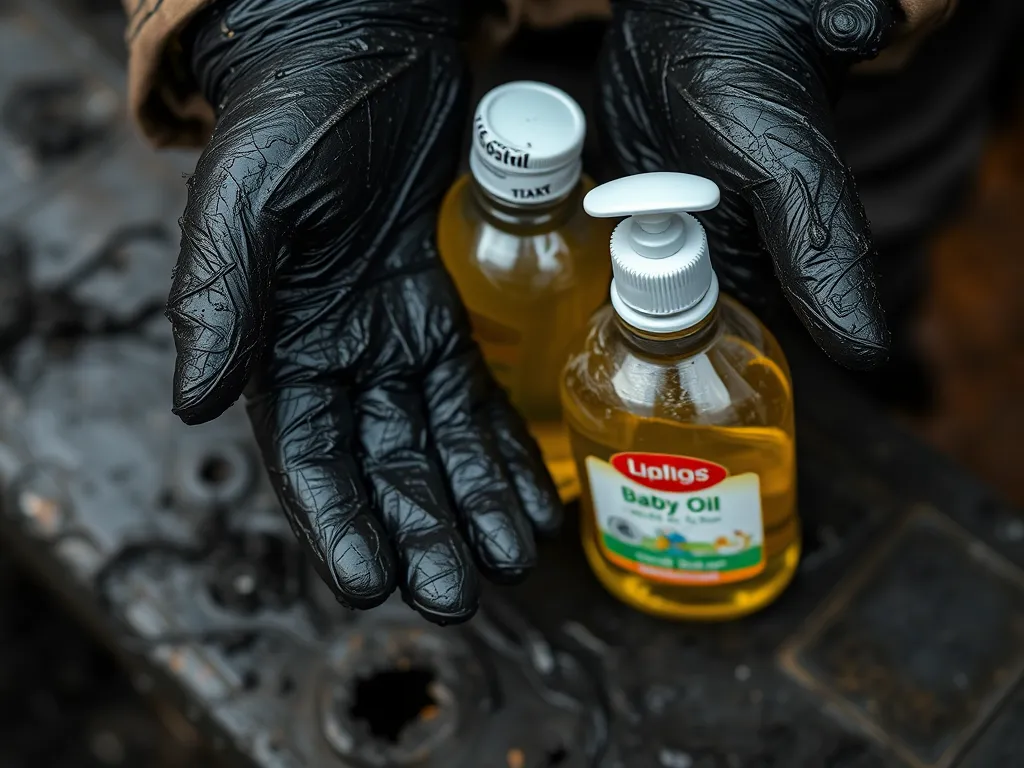
Final Summary: Safe Asphalt Removal Practices
Removing asphalt from your skin doesn’t have to be a daunting task. Start by avoiding rubbing the affected area, as this can spread the asphalt. Cooling the skin with water helps soothe irritation, while gently removing excess asphalt minimizes its residue.
Utilize home remedies like baby oil, dish soap, or natural scrubs made from vinegar and cornstarch. These methods are not only effective but also gentle on the skin. Soft-bristled brushes or washcloths can aid in scrubbing without causing irritation.
Prevent future accidents by wearing protective clothing and barrier creams. Safety is key, not just for your skin but also for the environment. Dispose of any asphalt waste responsibly and opt for biodegradable cleaners when available.
For more information on asphalt-related topics, visit Asphalt Calculator USA. Your go-to resource for all things asphalt!
Additional Resources for You:
- Kett, I. (1999). Asphalt Materials and Mix Design Manual. Oxford: Elsevier Science.
- Conditions
- If you ever get tar on your feet at the beach : r/lifehacks
- how to remove tar from your hands
- r/Construction on Reddit: How do I get glue and or tar off skin?