
How to Fix Uneven Asphalt: Step-by-step Repair Guide
Published on: February 1, 2026 | Last Updated: April 14, 2025
Written By: George Voss
Fix uneven asphalt by repairing cracks, filling depressions, or leveling sunken areas using cold patch mixes, gravel subbases, or asphalt overlays. Common causes include poor drainage (like pooling water), soil shifts, or heavy vehicle loads—issues solved with tools like plate compactors ($200-$500 rentals) and materials such as QPR 3299 cold mix ($25 per 50-lb bag). Small repairs take 2-3 hours; larger sinkholes may need 6 hours and 6-8 inches of crushed stone.
This article shows how to diagnose asphalt damage and pick the right fix. Learn four methods: filling 1-inch gaps with self-leveling compounds, reinforcing sinkholes with geogrid fabric, applying overlays for large sections, and sealing edges with PG 58-28 binder. We’ll explain material costs, compaction tips (aim for 92% density), and why skipping sealcoating cuts pavement life by 40%.
Contents
- Understanding Uneven Asphalt Surfaces
- Common Causes Of Uneven Asphalt Surfaces
- Essential Tools and Materials for Fixing Uneven Surfaces
- Step-by-step Methods to Fix Uneven Asphalt
- Preventative Maintenance to Avoid Future Unevenness
- Environmental Care in Asphalt Fix
- FAQs About Fixing Uneven Asphalt
- Closing Thoughts
- Additional Resources for You:
Understanding Uneven Asphalt Surfaces
Uneven asphalt creates tripping hazards, vehicle damage, and drainage problems. Surface irregularities often start small but worsen without treatment. Identifying specific failure types determines the right repair strategy.
Signs Your Asphalt Driveway Needs Repair
Three key indicators signal urgent asphalt driveway repair uneven sections. Ignoring these warnings accelerates deterioration, increasing long-term costs by 40-60% compared to early fixes.
Pooling Water or Drainage Issues
Standing water after rain indicates low spots or failed slope design. These puddles weaken asphalt binder through hydrostatic pressure. Left unaddressed, pooling leads to base erosion and sinkholes needing full-depth repairs.
Visible Cracks or Gaps
Hairline cracks wider than ¼ inch let moisture penetrate the subbase. Alligator cracking (interconnected web patterns) suggests structural failure. Thermal expansion gaps at joints exceeding ½ inch require sealing to prevent freeze-thaw damage.
Sunken or Raised Sections
Depressions deeper than 1 inch often stem from compacted subgrades or washed-out gravel. Frost heaves create bulges exceeding 2 inches in northern climates. These elevation changes strain vehicles and increase ice accumulation risks.
Recognizing these signs early allows simpler fixes. Next, we’ll break down why asphalt surfaces fail unevenly – key knowledge for choosing lasting repairs.
Common Causes Of Uneven Asphalt Surfaces
Uneven asphalt forms due to structural weaknesses below or within the pavement layers. Identifying root causes helps select the right repair method for your driveway or parking lot.
Poor Installation or Subbase Preparation
Insufficient compaction during installation creates weak spots. Contractors must achieve 95% compaction density on the subbase – a gravel layer 6-8 inches thick. Skimping on crushed stone (#57 or #3 aggregate) or using thin base materials (under 4 inches) leads to rapid sinking. Low-quality asphalt mixes with inadequate PG 64-22 binder content worsen the problem.
Soil Erosion or Foundation Settling
Clay-rich soils expand when wet and shrink during droughts, shifting asphalt slabs. Improper drainage accelerates erosion, washing away 2-5% of subgrade material annually. ASTM D698 soil tests help identify unstable foundations. Tree roots within 15 feet of pavement can lift sections by 1/4 inch yearly through growth pressure.
Heavy Traffic or Weight Loads
Standard residential driveways handle 8,000-pound vehicles. Delivery trucks (up to 26,000 lbs) or RVs exert 300-400 PSI – triple the 100 PSI limit. Repeated stress creates fatigue cracks that evolve into 1-3 inch depressions. Areas near garage entries show 40% more unevenness due to idling weight concentration.
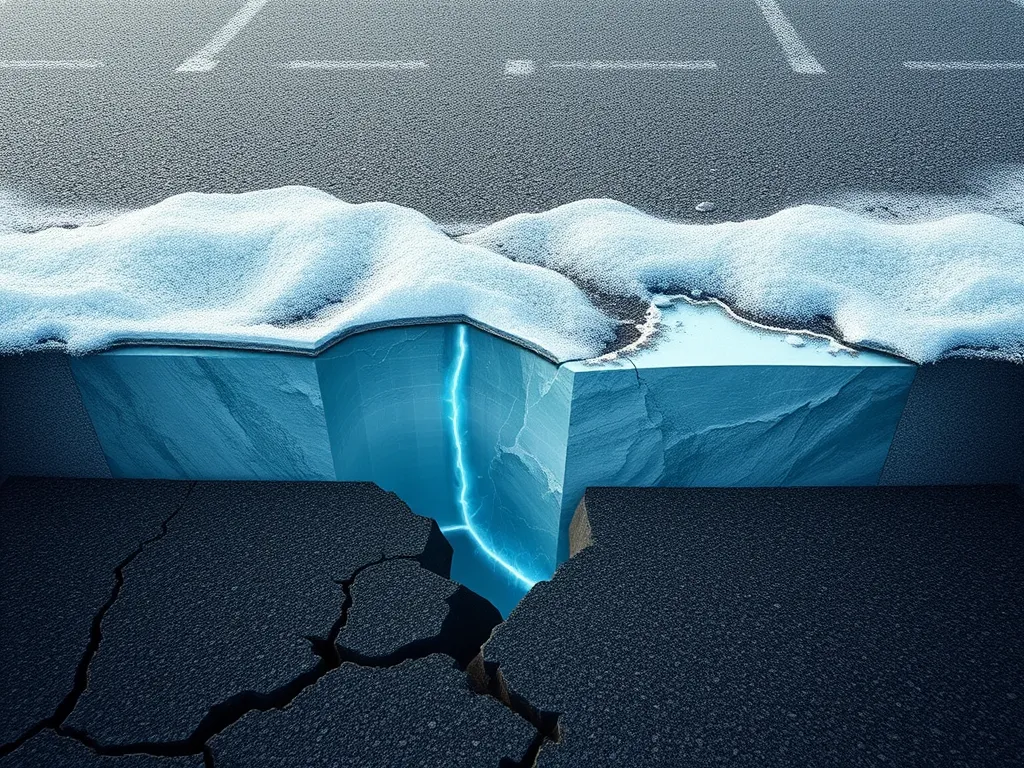
Freeze-thaw Cycles and Weather Damage
Water penetrates cracks, expands by 9% when frozen (at 20°F), and breaks asphalt bonds. Regions with 30+ annual freeze-thaw cycles (Midwest, Northeast) develop 2-5 potholes per 100 sq.ft. yearly. Summer heat (120°F surface temps) softens binder, allowing tire ruts up to 1.5 inches deep.
With these causes identified, let’s examine the tools and materials required to restore your pavement’s structural integrity.
Essential Tools and Materials for Fixing Uneven Surfaces
Proper repairs require specific equipment and quality supplies. Using the right gear ensures lasting results when dealing with sunken spots or raised edges. Let’s break down what you need.
Tools Needed
Quality tools make the job faster and more precise. Here’s what works best for most uneven asphalt fix projects.
Asphalt Tamper or Plate Compactor
Compacting equipment creates dense, stable surfaces. Rent a 100-200 lb plate compactor for large jobs or use a hand tamper for small depressions. These tools press materials into voids, preventing future settling.
Chisel, Hammer, or Circular Saw
Remove damaged sections efficiently. Break up cracked edges with a chisel or cut clean lines using a diamond blade on your saw. This prep work stops cracks from spreading post-repair.
Stiff Broom and Shovel
Clear debris before applying patches. Sweep loose particles with a heavy-duty broom, then shovel out deteriorated material. Clean surfaces help bind new asphalt to existing pavement.
Materials Needed
Select products designed for long-term performance. Budget-friendly options exist, but prioritize durability for high-traffic zones.
Cold Patch Asphalt Mix
Use premixed cold patch (like RoadCare or EZ Street) for quick repairs without heating. Sold in 50-lb bags ($15-$30), it bonds well in temperatures above 40°F. Ideal for filling depressions up to 2” deep.
Asphalt Sealant or Binder
Boost adhesion between old and new layers. PG binders (temperature-rated asphalt cement) work best for deep repairs. Apply with a brush or squeegee before adding cold patch.
Gravel or Sand for Subbase
Stabilize sinkholes by adding crushed stone (½” to 1” size) or coarse sand. Compact subbase material in 2-3” layers to prevent future shifting under traffic loads.
Equipped with these supplies? Next, we’ll walk through proven techniques to smooth out bumps and restore your pavement’s function.
Also See: Life Expectancy Of Different Asphalt Mixes
Step-by-step Methods to Fix Uneven Asphalt
Uneven asphalt needs the right fix for each issue. Choose methods based on damage type, depth, and size. Use cold patch for small dips, subbase work for sinkholes, or overlays for wide areas.
Method 1: Repairing Depressions With Cold Patch
Cold patch works for dips up to 2 inches deep. This quick fix needs no heat tools and sets in 24-48 hours.
Step 1: Clean and Prepare the Damaged Area
Remove dirt with a stiff broom. Cut jagged edges with a chisel. Blow out dust with a leaf blower or rinse with a hose. Let dry fully.
Step 2: Apply Asphalt Binder
Pour liquid binder into the hole. Spread it thin with a brush. This glue helps the patch stick to old asphalt.
Step 3: Fill with Cold Patch and Compact
Fill the hole 1/2 inch above the surface. Press down with a plate compactor (rents for $75/day). Add more mix if it sinks. Seal edges with a tamper.
Method 2: Fixing Sinkholes With Subbase Reinforcement
Sinkholes mean bad soil under the asphalt. Fix them by adding a gravel base to stop future drops.
Step 1: Excavate Loose Material
Cut a square around the sinkhole with a saw. Dig 6-8 inches deep. Remove all loose rocks and dirt.
Step 2: Add Gravel Base Layer
Pour crushed stone (3/4-inch size) into the hole. Layer 2 inches at a time. Compact each layer until 4 inches remain for asphalt.
Step 3: Layer and Compact Asphalt Patch
Fill the top 4 inches with hot mix asphalt (costs $60/ton). Compact in 2-inch layers. Seal seams with sand and binder.
Method 3: Resurfacing With Asphalt Overlay
Use overlays for large uneven zones. This adds a new 1.5-2 inch layer over old asphalt. Lasts 8-15 years if done right.
Step 1: Clean and Prime Existing Surface
Power wash the drive. Let dry 24 hours. Spray tack coat (asphalt glue) at 0.05 gal/sq yd.
Step 2: Apply Hot Mix or Cold Overlay
Hot mix (300°F) needs pros but lasts longer. Cold overlay (bagged) suits DIY. Spread with a lute or rake.
Step 3: Smooth and Seal the Surface
Drag a 10-foot metal pipe to level the mix. Roll with a 1-ton roller. Seal cracks after 30 days.
Method 4: Using Self-leveling Asphalt Compounds
Self-leveling fillers fix shallow dips (under 1 inch). Sets in 2-4 hours. No tools needed beyond a trowel.
Step 1: Fill Low Spots with Leveling Mix
Pour polymer-based mix into dips. Use a stick to push it into cracks. Leave a slight mound.
Step 2: Trowel for Even Distribution
Drag a steel trowel across the area. Apply firm pressure. Let cure 4 hours before driving.
Once repairs are set, focus shifts to keeping your asphalt smooth for the long haul. Next, learn how to stop bumps and dips before they start.
Preventative Maintenance to Avoid Future Unevenness
Proactive care stops minor issues from becoming costly repairs. Focus on three core strategies to keep surfaces smooth long-term.
Regular Sealcoating Schedule
Sealcoating shields against UV rays, oil spills, and water penetration. Apply coal tar or asphalt emulsion every 2-3 years. One gallon covers 50-75 sq ft. Fresh sealant fills tiny voids under 1/8 inch wide, slowing oxidation. Skip this step, and surfaces lose flexibility, leading to cracks that trap moisture.
Proper Drainage Management
Water causes 85% of uneven asphalt cases. Install French drains, catch basins, or regrade slopes to maintain 1-2% pitch. Check downspouts divert water 5-6 feet from edges. Compacted soil under pavement stays stable when drainage systems move 10+ gallons per minute away from the base layer.
- Clear debris from drains monthly
- Inspect slopes quarterly for erosion
- Use permeable pavers near edges
Timely Crack Repairs
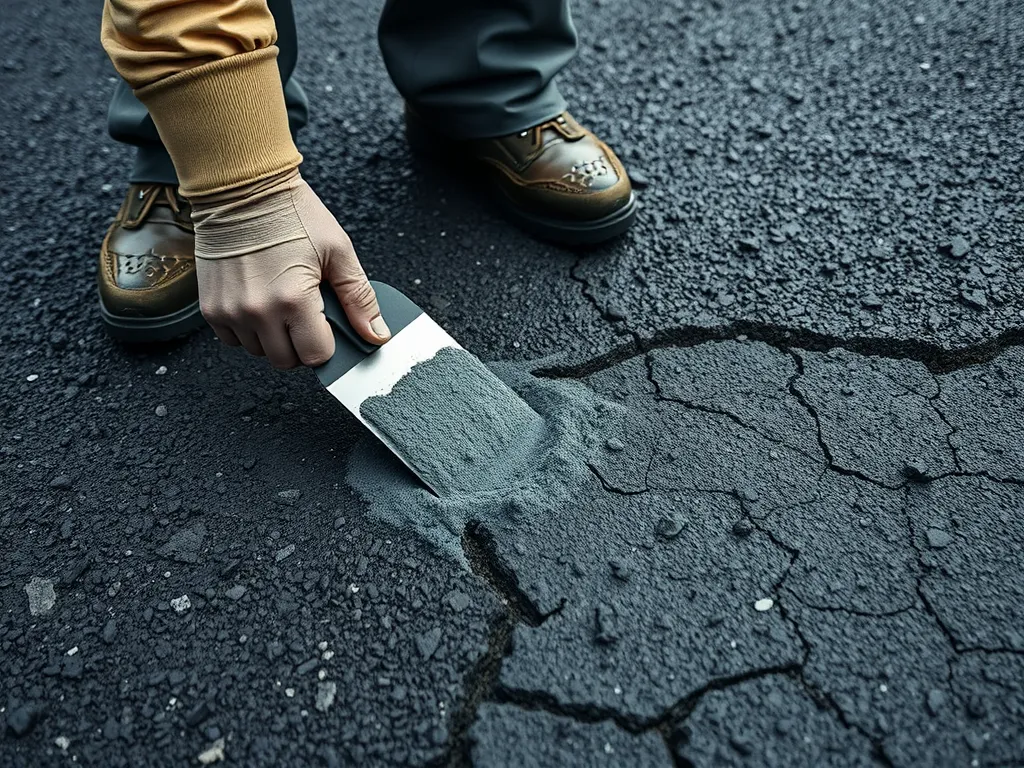
Fix cracks under 1/2 inch wide within 30 days. Use rubberized filler for hairline fractures or hot-pour sealant for gaps up to 1 inch. Cracks left untreated expand 300% faster in freeze-thaw zones. For alligator cracking, cut out damaged sections completely before patching.
Seal cracks when temps stay between 50-85°F. Cold weather reduces bond strength by 40%.
While maintenance prevents most issues, some repairs need eco-friendly solutions. Next, we’ll explore sustainable methods that blend durability with environmental care.
Environmental Care in Asphalt Fix
Green steps matter when you fix rough asphalt. Smart choices cut waste and boost eco gains.
Reuse Old Asphalt Stuff
Old asphalt gets new life in patch jobs. Crews grind used slabs to make RAP (reclaimed asphalt pavement). RAP blends with fresh bitumen binders (PG 64-22 grade) for strong, green fixes. Up to 25% RAP works in cold patch mixes, saving $8-$15 per ton. This reuse stops 90 million tons of waste each year in U.S. dumps.
Pick Drain-friendly Patch Mix
Permeable asphalt stops puddles in sunken spots. These open-graded blends let 16-20% water pass through. Gravel layers under the patch guide flow to soil. Tests show these cuts flood risks by half vs solid fills. Best for driveways with pool issues from our first signs list.
Now see how to keep your smooth fix strong for years ahead.
FAQs About Fixing Uneven Asphalt
What Tool is Used to Level Asphalt?
The most common tools for leveling asphalt include an asphalt tamper or a plate compactor. These tools help compact the asphalt and ensure an even surface when repairing depressions or applying new layers.
Is Asphalt Overlay a Good Idea?
Yes, an asphalt overlay is a great solution for large areas with uneven surfaces. It provides a new layer of asphalt over the existing surface, improving the overall appearance and extending the lifespan of your driveway or parking lot.
Can You Pour Self-leveling Concrete Over Asphalt?
While it is possible to use self-leveling concrete over asphalt, it is not always recommended unless the asphalt is in good condition. It’s essential to ensure proper adhesion and surface preparation to avoid further problems.
What Are the Best Methods to Repair Sinkholes in Asphalt Driveways?
The best methods for repairing sinkholes include excavating the loose material, adding a gravel base layer for support, and then layering and compacting asphalt patches over the area. This approach prevents future sinking and restores the surface level.
How Can You Fill Depressions in an Asphalt Driveway?
Depressions in an asphalt driveway can be filled using cold patch asphalt mix. The area should first be cleaned and prepared, followed by applying an asphalt binder, filling the depression with the cold patch, and compacting the area to ensure a level surface.
What Type Of Asphalt Patch Should Be Used for Repair?
For most repairs, particularly those involving small depressions or cracks, a cold patch asphalt mix is recommended. For deeper repairs, a hot mix asphalt might be preferred for its durability and longevity.
Closing Thoughts
Fixing uneven asphalt is crucial for safety and aesthetics. Addressing issues like pooling water, visible cracks, or sunken sections promptly can save you time and money in the long run. From using cold patch materials to resurfacing with overlays, several methods effectively restore your asphalt surface to its original state.
Regular maintenance is key. Establish a schedule for sealcoating and conduct timely repairs on any cracks. This will help prevent future unevenness and extend the life of your asphalt.
For further information on asphalt repair and related topics, be sure to visit Asphalt Calculator USA. Unlock the tools and resources you need to keep your asphalt surfaces in top condition!

