How to Fix Potholes in an Asphalt Driveway: Step-by-step Repair Guide
Published on: January 28, 2026 | Last Updated: April 14, 2025
Written By: George Voss
Fix potholes in your asphalt driveway with a DIY approach using basic tools like a shovel, tamper, and cold mix asphalt. This method requires cleaning the hole, filling it with material, compacting layers, and smoothing the surface. Expect costs between $10-$50 for materials like polymer-modified fillers or PG 64-22 binder mixes. Repairs take 2-4 hours plus curing time. Wear gloves and safety goggles during work.
This guide explores common causes of potholes like freeze-thaw cycles and heavy loads. It provides material specs for hot vs cold asphalt patches, lists essential tools (leaf blowers, hand tampers, infrared heaters), and breaks down repair steps in detail. Learn cost comparisons between DIY ($0.50-$3 per sq ft) and professional repairs ($100-$400 per hole). Avoid mistakes like skipping edge sealing or using wrong fillers. Get tips on long-term maintenance with sealcoating schedules and drainage fixes.
Contents
- Understanding Asphalt Driveway Potholes
- Preparation for Pothole Repair
- Step-by-step Asphalt Pothole Repair Process
- Curing and Drying Time for Repairs
- Cost to Repair Potholes in Asphalt Driveways
- Common Mistakes in DIY Pothole Repair
- Long-term Maintenance for Repaired Driveways
- Environmental Impact Of Asphalt Repairs
- Frequently Asked Questions
- Closing Thoughts
- Additional Resources for You:
Understanding Asphalt Driveway Potholes
Potholes form through a mix of physical stress and natural forces acting on pavement. Spotting early signs of damage allows for simpler fixes before minor flaws turn into costly repairs.
Common Causes Of Potholes in Asphalt
Water intrusion tops the list. H2O slips into tiny cracks, freezes, and grows, fracturing pavement from within. Traffic adds strain—car tires pound weak spots, loosening aggregate (crushed stone) from binder (asphalt glue). Sunlight oxidizes surfaces, making them brittle. Poor installation, like thin base layers or insufficient compaction during paving, speeds up breakdown. Subpar drainage systems worsen all factors by pooling water near foundations.
Types Of Asphalt Driveway Damage
Not all cracks lead to potholes, but many signal trouble. Alligator cracking—a web of interconnected splits—points to structural failure under the surface. Linear cracks along edges often stem from soil shifting or root growth. Raveling occurs when aggregate separates from binder, creating rough, gravelly patches. Full-depth potholes (over 2″ deep) require immediate action to stop spreading. Ignoring minor fissures lets moisture infiltrate layers, accelerating collapse.
Recognizing these triggers and damage patterns informs smart repair choices. Up next: tools and tactics for lasting fixes.
Preparation for Pothole Repair
Proper prep work makes the difference between lasting repairs and repeat fixes. Gather tools, choose materials, and set safety protocols before tackling asphalt driveway potholes.
Essential Tools and Equipment
Driveway pothole repair demands specific gear. Missing key items risks poor compaction or weak adhesion.
Cleaning and Debris Removal Tools
Clear loose asphalt chunks with a steel bristle broom. Use a leaf blower ($40-$150) or stiff brush to remove dust. For wet holes, employ a propane torch ($60-$120) to dry the base layer. Keep a shop vac ($80-$200) handy for stubborn dirt.
Compaction Equipment
A hand tamper ($25-$50) works for small holes under 6” wide. Rent a plate compactor ($70/day) for larger areas. Never skip this step – 95% density prevents sinkage.
Materials for Asphalt Pothole Repair
Pick fillers based on hole depth, weather, and traffic needs. Temperature and moisture dictate choices.
Cold Mix Asphalt
Bagged cold patch ($5-$10 per 50lb bag) bonds without heating. Ideal for temps above 40°F. Contains PG 64-22 binder for flexibility. Covers 3-5 sq ft per bag at 2” thickness.
Specialty Pothole Fillers
Rapid-set options like UPM® ($25/bag) or Aquaphalt 4.0 ($40/bag) harden in 15-30 minutes. Use polymer-modified mixes near edges or in wet zones. These handle freeze-thaw cycles better than standard cold patch.
Safety Precautions Before Starting
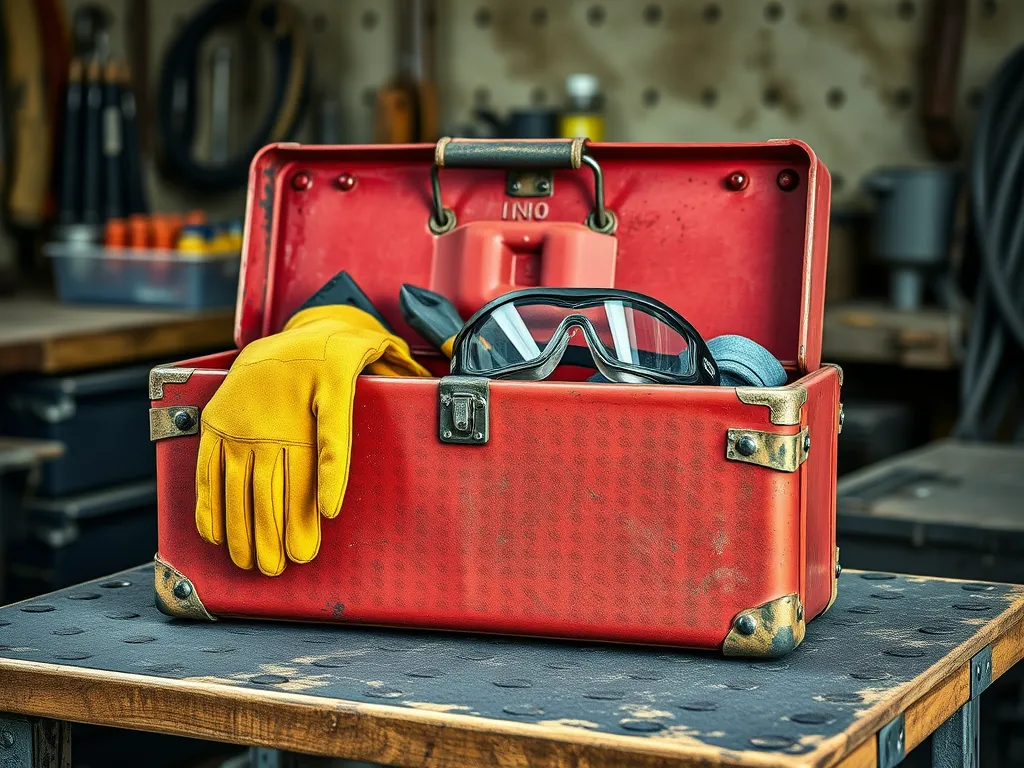
Wear thick work gloves and ANSI-rated goggles. Steel-toe boots prevent injuries from falling tools. Check for buried utility lines by dialing 811. Block traffic with cones if fixing near street edges. Store materials at 50°F minimum for proper adhesion.
With tools staged and safety measures set, let’s break down the repair process step-by-step.
Step-by-step Asphalt Pothole Repair Process
Follow these precise steps to restore your driveway’s integrity. Proper technique prevents recurring damage while extending pavement life.
Step 1: Clean the Pothole Area
Begin by clearing the repair zone. Debris or moisture weakens filler bonding, leading to premature failure.
Removing Loose Material and Debris
Use a stiff-bristle broom or wire brush to eliminate loose stones, dirt, or vegetation. For stubborn particles, pressurized air or a shop vacuum works efficiently. Cut vertical edges with a chisel if jagged spots remain.
Drying the Repair Zone
Blot standing water with rags. Let the pothole dry naturally or speed up the process using a propane torch held 12 inches above the surface. Test dryness by pressing duct tape to the base—if it sticks, you’re ready.
Step 2: Apply the Asphalt Filler
Select cold mix asphalt (CMA) for temperatures above 40°F or specialty polymer-modified fillers for colder conditions. Pour material directly from the bag or bucket.
How to Properly Fill Deep Potholes
For holes deeper than 2 inches, layer filler in 2-inch increments. Compact each layer before adding the next. Overfill the final layer by ¼ inch to account for settling. Use a shovel or trowel to press filler against vertical edges for better adhesion.
Step 3: Compact the Filler Material
Compression eliminates air pockets, creating dense, long-lasting repairs. Apply force evenly across the filled area.
Tools for Effective Compaction
Hand tampers (8–10 lbs) work for small patches. Rent a plate compactor (150–200 lbs) for larger jobs. Achieve 92–96% Proctor density by making 3–5 passes over the filler. Check for movement—if material stops shifting, compaction is complete.
Step 4: Smooth and Level the Surface
Use the flat side of a tamper or putty knife to feather edges into surrounding pavement. Ensure the repaired section sits flush with existing surfaces—differences exceeding ⅛ inch create trip hazards or drainage problems. Sprinkle sand over sticky patches to prevent tire tracking.
With the repair leveled, focus shifts to curing times. Proper surface preparation directly impacts how quickly your driveway becomes traffic-ready.
Also See: Can You Do Asphalt in the Winter? Tips for Paving
Curing and Drying Time for Repairs
Fresh asphalt patch needs time to set. Curing binds the mix with old pavement. Drying removes moisture for a firm hold. Wait 24 hours before driving on small fixes. Big holes need 48 hours to cure fully.
Accelerating the Curing Process
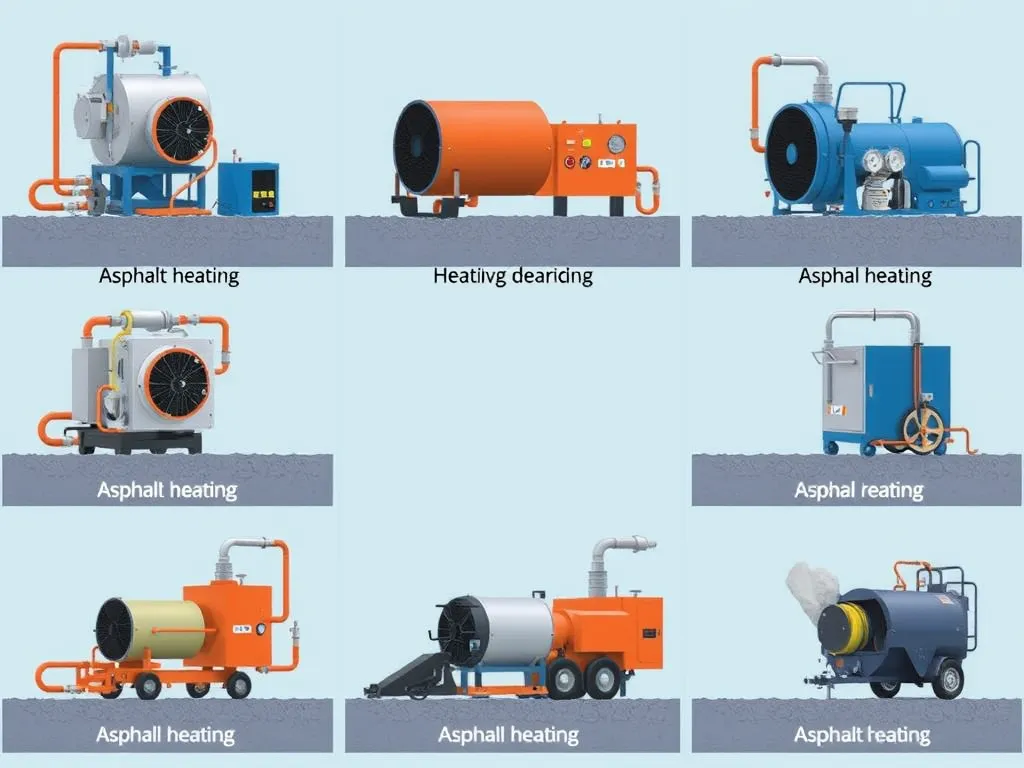
Speed up drying with heat. Use a torch to warm the patch base. Keep flames 12 inches away to avoid burns. Add quick-set agents like lime (5% by weight) to cold mix. These cut wait time by half.
| Method | Time Saved | Cost |
|---|---|---|
| Infrared heater | 6-8 hours | $150/day |
| Fast-dry filler | 4 hours | $25/bag |
| Tack coat primer | 2 hours | $15/gallon |
Work in dry, warm air. Fix potholes when temps stay above 50°F. Lay thin layers (2 inches max) for even drying. Press each layer with a plate compactor (3,000 lbs force).
Patch strength depends on full curing. Rushing leads to cracks in 3-6 months. Check the next section to plan costs for tools and time-saving fixes.
Cost to Repair Potholes in Asphalt Driveways
Fix costs shift based on repair method and pothole size. Home fixes run $10-$50 per hole. Pro jobs range $100-$300+ per hole. Let’s break down what drives these price gaps.
DIY Vs Professional Repair Costs
DIY kits cost less up front. Cold patch bags sell for $5-$20 at hardware stores. Add $15-$30 for tools like tampers or chisels if you lack them. But home fixes may fail faster, needing rework in 6-12 months. Pros use hot mix asphalt heated to 300°F for strong bonds. Their gear packs fill at 5,000 PSI for long-term holds. Labor adds $50-$75 per hour but cuts future repair bills.
Factors Affecting Repair Expenses
Three main points sway costs: hole width, filler type, and base flaws. A 1’x1’ hole needs 40 lbs of cold mix ($12) or 60 lbs of hot mix ($45). Crushed base layers add $20-$40 for fresh gravel. Drain dips or wide cracks hike labor time by 1-2 hours. Sealcoating post-repair tacks on $0.15-$0.25 per sq ft but guards edges.
Smart repairs blend smart buys with skill. Next up: avoid key errors that waste cash and time.
Common Mistakes in DIY Pothole Repair
Even with the right materials, fixing potholes in asphalt driveways can fail without proper technique. Two frequent errors sabotage repairs faster than weather or traffic.
Overfilling or Underfilling the Hole
Adding too much filler creates a hump that diverts water, accelerating wear. Too little leaves a depression, inviting pooling and ice damage. For cold mix asphalt patches, aim for layers 2 inches above the surface. Specialty fillers like Aquaphalt require exact measurements – check manufacturer specs. A $5 leveling tool ensures even distribution for smooth driving surfaces.
Ignoring Proper Compaction
Loose material sinks under vehicle weight, reopening holes within weeks. Hand tampers (15-30 lbs) work for small repairs under 6 inches wide. Rent a 110-lb plate compactor ($65/day) for larger areas. Test compaction by pressing a screwdriver into the patch – if it penetrates easily, keep tamping. Layered filling (2-inch increments) prevents air gaps that weaken repairs.
Mastering these steps extends your driveway pothole repair lifespan by 3-5 years. Next, learn strategies to protect your repaired surface from future damage.

Long-term Maintenance for Repaired Driveways
Keep your drive smooth after fixing potholes in asphalt driveway. Smart care stops new cracks and holes from forming. Focus on shield layers and water flow to make repairs last.
Preventing Future Pothole Formation
Stop damage before it starts. Two key steps guard your drive: sealcoating blocks wear, and drainage keeps water from eating the base.
Sealcoating Recommendations
Add fresh sealcoat every 2-3 years. This thin layer (1/8 inch thick) blocks sun, rain, and oil spills. Use coal-tar or asphalt-based mixes. DIY kits cost $0.15-$0.25 per square foot. Pro jobs ensure even spread. Cure time: 24-48 hours.
Managing Drainage Issues
Fix pools of water fast. Aim for a 2% slope (1/4 inch per foot) to shed rain. Add trench drains or culverts if needed. Check downspouts point away from the drive. Regrade low spots holding moisture. Wet bases cause 80% of potholes.
Proper care now sets up your drive for lasting use. Next, let’s look at how repair choices affect the world around us.
Environmental Impact Of Asphalt Repairs
Fixing potholes in your asphalt driveway affects more than just curb appeal. Repair choices shape water runoff, waste streams, and resource use. Smart picks cut harm while keeping your drive strong.
Eco-friendly Filler Options
Cold mix asphalt works for quick fixes, but green options go further. Try these low-impact picks:
- RAP (Recycled Asphalt Pavement): Ground-up old asphalt with 30-50% recycled content. Bonds like new stuff but uses 20% less energy to make.
- Bio-binders: Plant-based glues like Gilsonite mix with rock to cut oil use. Lasts 12-15 years, same as standard fill.
- Rubberized asphalt: Crushed tires add flex. Stops cracks better—ideal for freeze-thaw zones.
These cuts CO2 by up to 1.5 tons per 100 sq ft vs. virgin asphalt.
Proper Disposal Of Old Material
Don’t toss chunks from your drive. Asphalt has bitumen (oil) that seeps into soil. Follow these steps:
- Haul debris to asphalt recycling plants—90% gets reused in roads.
- Check local rules: Some towns ban asphalt in trash. Fines hit $200+.
- Rent a 3-yard dumpster ($140/week) if doing big repairs.
One ton of recycled asphalt saves $35 in landfill fees and 2.5 barrels of oil.
Once you’ve picked green fill options and planned waste flow, tackle common repair doubts head-on.

Frequently Asked Questions
What’s the Best Filler for Potholes in Asphalt?
The best filler for potholes in asphalt often depends on the size of the hole and the weather conditions. Cold mix asphalt is commonly used for DIY repairs, as it can bond well in cooler temperatures. For larger or deeper potholes, specialty fillers like polymer-modified options tend to provide better adhesion and durability.
How to Repair Large Holes in an Asphalt Driveway?
To repair large holes, it is recommended to fill them in layers. Start by cleaning out the hole thoroughly and then apply filler material in 2-inch increments, compacting each layer before adding the next. Make sure to overfill slightly to account for settling. Using a plate compactor will help achieve the necessary density to support traffic.
Can Potholes Be Permanently Fixed?
Potholes can be fixed to last a long time with proper techniques and materials. However, environmental factors like freeze-thaw cycles and heavy traffic may lead to new potholes developing. Regular maintenance, such as sealcoating and addressing drainage issues, can significantly extend the lifespan of repairs.
What’s the Average Cost to Repair an Asphalt Pothole?
The average cost to repair an asphalt pothole can vary widely based on size and complexity. For DIY repairs, materials typically cost between $10 to $50 per hole. Hiring a professional can range from $100 to $400 or more, depending on the severity and specific conditions of the repair needed.
Closing Thoughts
Fixing potholes in an asphalt driveway is a straightforward process that requires the right tools, materials, and techniques. Following the step-by-step repair guide ensures your driveway remains safe and visually appealing. Regular maintenance, such as sealcoating and proper drainage management, can help prevent future damage.
For those considering DIY repairs, be mindful of common mistakes like overfilling or neglecting proper compaction. These small errors can lead to bigger issues down the line. If you’re unsure, professional help is always a viable option.
For more information on asphalt repairs and helpful tools, visit Asphalt Calculator USA. Your pathway to a better driveway starts here!
Additional Resources for You:
- Kett, I. (1999). Asphalt Materials and Mix Design Manual. Oxford: Elsevier Science.
- Driveway Pothole Repair – Asphalt Driveway Repair – YouTube
- How to Repair Potholes in Asphalt Driveway
- Asphalt driveway repairs – easy pothole fix! – ToolGirl
- r/Hawaii on Reddit: Has anyone tried fixing potholes in asphalt driveway yourself? Any advise on what product/method to use?