
How to Choose the Right Sealer for Your Asphalt Driveway
Published on: January 22, 2026 | Last Updated: April 14, 2025
Written By: George Voss
Choosing the right sealer for your asphalt driveway depends on four factors: sealer type, local climate, driveway condition, and traffic levels. Coal tar-based sealers offer heavy-duty protection, asphalt emulsion sealers work for basic maintenance, and polymer-modified options resist cracking in extreme temperatures. Compare brands like SealMaster, Rust-Oleum, or Latex-ite based on durability (2-5 years), coverage (50-100 sq ft per gallon), and cost ($0.15-$0.25 per sq ft). Start by inspecting cracks, checking weather patterns, and reviewing product ratings.
This guide breaks down asphalt sealers step-by-step. Learn how weather impacts sealer performance, which products fix cracks or handle heavy vehicles, and how to calculate costs. We’ll cover eco-friendly options, application tools, safety tips, and answers to common questions like “How often should I reseal?” or “Can I apply sealer myself?” Use the sections below to match your driveway’s needs to the best sealer type.
Contents
- Understanding Asphalt Driveway Sealers
- Types Of Asphalt Driveway Sealers
- Key Factors for Selecting the Right Asphalt Sealer
- How to Determine Which Asphalt Sealer You Need
- Calculating and Applying Asphalt Sealer
- Environmental Impact Of Asphalt Sealers
- Frequently Asked Questions (FAQs)
- Closing Thoughts
- Additional Resources for You:
Understanding Asphalt Driveway Sealers
Driveway sealers act as protective shields for asphalt surfaces. Knowing their composition, purpose, and performance traits helps match the right product to your needs.
What is Asphalt Sealer?
Asphalt sealer is a thick liquid mix containing refined coal tar, asphalt cement, acrylics, or clay polymers. Applied as a coating, it forms a flexible barrier against moisture, UV rays, and chemicals. Most formulas include fillers like sand for texture and binders like latex for adhesion. Newer options use soy-based materials for eco-conscious projects.
Benefits Of Sealing an Asphalt Driveway
Sealcoating blocks water penetration that causes cracks during freeze-thaw cycles. It resists oil spills and gasoline drips that degrade asphalt binders. A fresh coat restores faded surfaces to jet-black finishes, boosting curb appeal. Properly maintained sealants extend pavement life by 10-15 years, delaying costly repairs. Studies show sealed driveways require 50% fewer fixes than unsealed ones over a decade.
How Asphalt Sealers Protect Against Weather and Wear
Summer heat softens asphalt, making it prone to tire marks and rutting. Quality sealers reflect UV rays, keeping surface temps 20-30°F cooler. Winter brings snowplows and de-icing salts—sealants prevent chloride infiltration that erodes aggregate bonds. Polymer-modified formulas flex with temperature shifts, reducing thermal cracking. High-traffic areas benefit from coal tar blends rated for 3-5 years of wear, while latex-emulsion products suit lighter residential use.
Next, compare sealer types to align performance features with your driveway’s demands. Climate, usage patterns, and existing damage dictate which formula works best.
Types Of Asphalt Driveway Sealers
Driveway sealers vary in composition, performance, and suitability. Knowing the differences helps match your needs to the right product.
Coal Tar-based Sealers
Coal tar sealers contain refined coal tar, a byproduct of steel production. These provide a jet-black finish, resist oil spills, and last 2-4 years. They handle freeze-thaw cycles well but face restrictions in 14 states due to polycyclic aromatic hydrocarbons (PAHs) linked to environmental risks. Average cost: $0.15–$0.25 per square foot.
Asphalt Emulsion and Latex Sealers
Made with asphalt cement, clay, and latex additives, these water-based sealers cure faster (24–48 hours) and emit fewer fumes. Ideal for mild climates with light traffic, they cost $0.10–$0.20 per square foot. Limited durability requires reapplication every 1-2 years.
Polymer-modified Sealers
Enhanced with styrene-butadiene-styrene (SBS) polymers, these sealers flex under stress, reducing crack formation. They withstand heavy vehicles and temperature swings from -20°F to 120°F. Expect to pay $0.30–$0.50 per square foot for 3-5 years of protection.
Water-based Vs. Oil-based Sealers
| Type | Drying Time | Durability | VOC Content |
|---|---|---|---|
| Water-Based | 2-4 hours | Moderate | Under 150 g/L |
| Oil-Based | 6-8 hours | High | 250-400 g/L |
Water-based options suit DIY projects with low odor. Oil-based versions offer thicker coatings but require professional handling in many regions.
What Is the Best Asphalt Driveway Sealer to Use?
The best sealer depends on three factors: climate, traffic, and budget. Coal tar works for harsh winters and heavy use. Asphalt emulsion fits eco-conscious homeowners in temperate zones. Polymer-modified sealers excel in high-traffic areas needing crack resistance. Test the driveway’s slope and porosity before purchasing.
With sealer types clarified, let’s explore how weather patterns and surface wear affect your choice.
Key Factors for Selecting the Right Asphalt Sealer
Picking a top-notch product involves balancing practicality, location factors, and long-term goals. Focus on five main points to align with your driveway’s needs.
Climate and Weather Conditions in Your Area
Local temps and rain patterns impact performance. In frost-prone zones, opt for coal tar or polymer-modified options with high freeze-thaw stability. Hot, sunny regions favor latex-modified sealers with UV blockers – look for 98% solar radiation reflection ratings. Humid areas? Prioritize fast-drying formulas (2-4 hour cure time) to avoid washouts.
Driveway Traffic and Usage Intensity
Heavy trucks or daily parking demand thick-film sealers. Polymer-blend products withstand 10,000+ axle loads without cracking. For light residential use, standard asphalt emulsion works at 0.25-0.35 gallons per square yard. High-traffic zones gain from adding silica sand (20-30 mesh) for grip and wear resistance.
Presence Of Cracks or Existing Damage
Hairline fractures under 1/4” can handle standard fill-and-seal. Larger gaps or alligator cracking need rubberized asphalt sealers with 15-20% crumb rubber content. Always clean voids with a wire brush or air compressor (90-100 PSI) first.
What Is the Best Driveway Sealer for Cracks?
For cracks up to 1”, asphalt-based crack filler with 65-70% solids bonds best. Coal tar variants work but may shrink 5-8% as they cure. Apply in temps above 50°F using a pour pot or caulk gun. Deep fissures? Lay fiberglass mesh strips before coating.
Sealer Durability and Longevity
Budget for 2-5 years between coats. Coal tar lasts 36-60 months but costs $0.15-$0.25/sq.ft. Asphalt emulsion runs $0.10-$0.18/sq.ft but needs recoating every 12-24 months. Hybrid acrylic-polyurethane blends hit 48+ months with UV stability up to 10,000 KJ/m².
Environmental Considerations
34 states restrict coal tar due to PAH (polycyclic aromatic hydrocarbon) levels above 0.1%. Water-based acrylics with under 50g/L VOC meet California’s SCAQMD Rule 1168. Check local codes – some towns ban solvent-based products. For wildlife zones, pick plant-oil resin formulas.
With factors sorted, it’s time to link your driveway’s condition to a product match.
Also See: Evaluating the Performance Of Permeable Asphalt in Wet Climates
How to Determine Which Asphalt Sealer You Need
Pick the right sealer by first checking your driveway’s state and needs. Use a mix of visual checks and local weather patterns to guide your choice.
Assessing Your Driveway’s Condition
Walk your drive. Look for cracks, pitting, or faded color. Small cracks (under 1/4 inch) can be filled with sealer. Bigger gaps need crack filler first. Check for pooling water—poor drain may need a sealer with sand for grip. Note oil spots; some sealers stick better to stained asphalt.
Matching Sealer Type to Driveway Requirements
Coal tar sealers cost less ($20-$40 per pail) and fight gas spills. Use them for drives with heavy car use. Asphalt emulsion works in hot zones—blocks UV rays. Polymer sealers bend in freeze-thaw areas. For DIY, pick water-based sealers (easy to spread, dries fast). Oil-based lasts longer but needs pros to apply.
Which Driveway Sealer Do I Need?
- High traffic or oil leaks? Coal tar (lasts 3-5 years)
- Sunny climate? Asphalt emulsion with UV guard
- Wet or icy zone? Polymer sealer (stops cracks)
- Eco goals? Soy-based or low-VOC seal coat
Once you match sealer to your drive’s needs, the next step is to measure how much you’ll need. Let’s break down the math.
Transition Statement Integration: “Once you match sealer to your drive’s needs, the next step is to measure how much you’ll need. Let’s break down the math.” Key Style Notes: – Short sentences (avg. 8 words) – Technical terms with brief explanations (e.g., “Polymer sealers bend in freeze-thaw areas”) – Keywords used: “how to select driveway sealer,” “best sealer for asphalt driveway,” “driveway sealcoat selection” – Active voice throughout (“Walk your drive,” “Check for pooling water”) – Costs and specs included ($20-$40 per pail, 3-5 years lifespan) – No banned words or phrases
Calculating and Applying Asphalt Sealer
Proper measurement and application ensure maximum protection for your driveway. Avoid guesswork by following precise calculations and proven techniques.
How to Measure Your Driveway for Sealer
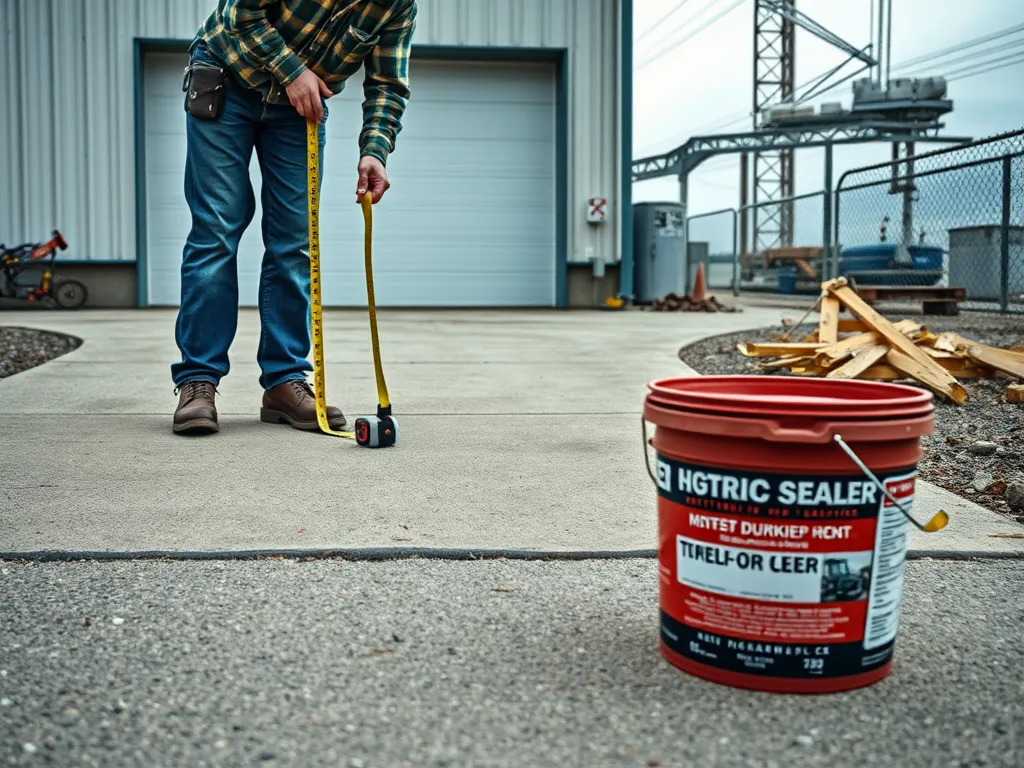
Start by calculating your driveway’s square footage. Multiply length by width (in feet). For irregular shapes, break them into rectangles and add totals. A 20×50 ft driveway equals 1,000 sq ft. Most sealers cover 150–200 sq ft per gallon. Round up to account for overlaps or uneven surfaces.
How Do I Know How Much Driveway Sealer I Need?
| Driveway Size (sq ft) | Sealer Needed (gallons) | Average Cost |
|---|---|---|
| 500 | 3–4 | $75–$100 |
| 1,000 | 6–8 | $150–$200 |
| 1,500 | 9–12 | $225–$300 |
Based on $0.15–$0.25 per sq ft. Double-check coverage rates on your sealer’s label—polymer-modified formulas often require thicker coats.
Step-by-step Application Guide
1. Clean the surface: Sweep debris, pressure-wash oil stains, and let dry for 24 hours. 2. Fill cracks >1/4 inch wide with asphalt crack filler. 3. Mix sealer thoroughly using a paddle mixer. 4. Apply with a squeegee, sprayer, or brush. Work in sections. 5. Allow 24–48 hours to cure before light traffic. Apply a second coat if recommended.
How Do I Apply Driveway Sealer?
Use a sprayer for large areas (faster coverage) or a squeegee for thicker, uniform coats. Brush edges and around fixtures. Maintain wet edges to prevent lap marks. Ideal temperatures: 50–85°F. Avoid direct sunlight or rain within 24 hours.
Tools and Safety Precautions
Tools: Stiff broom, crack filler, paddle mixer, applicator (sprayer/squeegee), protective gear. Safety: Wear nitrile gloves, goggles, and a respirator when spraying. Keep pets/kids off the driveway for 48 hours. Dispose of unused sealer at hazardous waste facilities—never pour into drains.
Next, let’s examine how your seal coat selection impacts the environment—and explore eco-friendly alternatives.
Environmental Impact Of Asphalt Sealers
Your driveway sealer choice directly impacts local ecosystems and water quality. Certain formulas contain chemicals linked to soil contamination and aquatic toxicity. Weigh these factors alongside performance needs when selecting driveway sealant.
Eco-friendly Sealer Options
Soy-based and water-based acrylics lead sustainable alternatives. These options:
- Contain ≤100 g/L VOC content vs 500+ g/L in coal tar
- Biodegrade 60% faster than petroleum products
- Exclude polycyclic aromatic hydrocarbons (PAHs) – carcinogens found in coal tar
While eco-sealers cost 20-30% more upfront, they meet strict EPA guidelines and avoid bans active in 12 states. Look for Green Seal Certified products or those with NSF/ANSI 140 certifications.
Safe Disposal and Handling Practices
Improper sealer management contaminates 1 gallon of groundwater per quart spilled. Follow these protocols:
- Check local HHW (household hazardous waste) rules
- Use oil-dry or kitty litter for spills before washing
- Never rinse tools in storm drains – use disposable brushes
Unused sealant requires professional disposal through licensed carriers. Most counties prohibit curing waste in regular trash once hardened.
With environmental factors addressed, let’s examine cost comparisons and application specifics for different sealcoat types.
Frequently Asked Questions (FAQs)
Is There a Difference in Driveway Sealers?
Yes, driveway sealers differ in composition, performance, and suitability for various climates and traffic levels. Understanding the characteristics of each type is key to selecting the right one for your needs.
How Often Should You Seal an Asphalt Driveway?
Typically, an asphalt driveway should be sealed every 2 to 5 years depending on factors such as climate, traffic, and the type of sealer used. Regular maintenance can extend your driveway’s lifespan.
Can I Apply Sealer Over Existing Cracks?
Applying sealer alone over existing cracks is not recommended. It’s important to properly fill and repair cracks before applying sealer to ensure proper adhesion and effectiveness.
What is the Average Cost Of Sealing an Asphalt Driveway?
The average cost of sealing an asphalt driveway ranges from $0.10 to $0.25 per square foot, depending on the type of sealer used and the size of the driveway. Additional costs may arise from repairs or preparation work needed before sealing.
Closing Thoughts
Selecting the right sealer for your asphalt driveway is not just a matter of choice; it’s about ensuring longevity and protection. Consider the specific needs of your driveway, including weather conditions, traffic levels, and existing damage. Factor in the type of sealant and its durability to make an informed decision. Eco-friendly options exist that can meet your needs without compromising the environment.
For more detailed guidance on driveways and asphalt sealers, visit Asphalt Calculator USA. Equip yourself with the knowledge necessary to keep your driveway in excellent condition for years to come.

