
How to Choose the Right Asphalt Mix for Your Project
Published on: January 22, 2026 | Last Updated: April 14, 2025
Written By: George Voss
Choosing the right asphalt mix requires matching your project’s traffic levels, climate conditions, load requirements, subbase quality, and budget. Hot Mix Asphalt (HMA) handles heavy trucks on highways, while Warm Mix Asphalt (WMA) works better for suburban streets with lower heat needs. Key factors include PG binders (performance-graded asphalt cement) for weather resistance and Superpave specifications for durability. The mix must balance stone aggregates, sand, and bitumen ratios to meet specific stress and environmental demands.
This guide examines five critical factors influencing asphalt selection: traffic patterns, weather impacts, subbase prep, cost limits, and material performance. We break down seven common mix types – from dense-graded surfaces to porous Stone Matrix Asphalt – with real-world applications. You’ll learn design classifications like Type A vs. B mixes, 13A grading standards, and N50/N70 compaction levels. Later sections detail quantity calculations, recycled material use, and eco-friendly practices for sustainable projects.
Contents
Key Factors in Asphalt Mix Selection
Picking the correct asphalt mix requires balancing technical specs with real-world demands. Five elements dictate success for driveways, highways, or parking lots.
Project Requirements and Intended Use
Define the project’s purpose first. Driveways need 2-3 inches of compacted material using PG 58-28 binder for light traffic. Highways demand 4-6 inches with PG 76-16 polymer-modified mixes. For airport runways, stone matrix asphalt (SMA) handles jet loads up to 800,000 pounds per wheel. Misaligned mixes lead to cracks within months.
Traffic Volume and Load-bearing Needs
Calculate daily traffic using ESALs (Equivalent Single Axle Loads). Residential streets average 100 ESALs yearly; interstate highways exceed 10 million. Heavy truck traffic? Use 19mm aggregate mixes with 6% binder content. High-traffic zones need 95% density compaction – 1% less cuts pavement life by 25%.
| Traffic Level | Mix Type | Minimum Thickness |
|---|---|---|
| Low (Cars) | Dense-Graded HMA | 1.5 inches |
| Medium (Delivery Trucks) | SMA | 3 inches |
| High (Semis) | Superpave 12.5 | 5 inches |
Climate and Weather Resistance
PG binders (Performance Graded) must match local temps. In Minnesota, PG 64-22 resists cracking below -22°F. Arizona mixes use PG 70-10 to withstand 120°F heat without rutting. Coastal areas? Open-graded friction courses drain 400 gallons/hour per square yard, reducing hydroplaning risks.
Subbase Compatibility and Preparation
A 6-inch crushed stone subbase boosts load capacity by 40% versus native soil. Test CBR (California Bearing Ratio): 20% CBR needs 8-inch base; 80% CBR works with 4 inches. Mismatched subgrades cause 70% of pavement failures. Compact soil to 90% Proctor density before laying asphalt.
Budget Constraints and Cost Efficiency
Hot mix asphalt (HMA) costs $100-$200 per ton installed; warm mix (WMA) saves 15% on fuel. Recycled asphalt pavement (RAP) mixes cut material costs by 30%, maintaining 85% strength of virgin asphalt. Balance upfront costs with lifespan: SMA lasts 20 years vs. 12 years for standard HMA.
With these factors mapped, the next step involves comparing specific asphalt mix types for your needs.
Types Of Asphalt Mixes and Their Applications
Pick the best asphalt mix by knowing how each type works in real-world use. Match specs to your site needs for lasting results.
Hot Mix Asphalt (HMA)
HMA heats to 300°F+ for roads with heavy trucks. Sets fast in dry, warm weather. Lasts 10+ years with PG binders (performance-graded oils). Costs $120-$150 per ton installed.
Warm Mix Asphalt (WMA)
WMA pours at 220°F-280°F. Cuts fuel use by 20% vs HMA. Use for thin layers or tight job sites. Meets Superpave specs (mix design method) for low-traffic streets.
Cold Mix Asphalt
Cold mix stays workable in cold/wet weather. Patch potholes or fix driveways fast. Holds 1-2 years until proper repair. Priced at $60-$80 per ton but needs more upkeep.
Dense-graded Mixes
Dense-graded packs crushed stone tight. Handles highways with 10,000+ cars daily. Choose ½” or ¾” stone size for base layers. Stops water seepage when compacted right.
Open-graded Mixes
Open-graded has 15% air gaps. Drains stormwater fast—ideal for roads in wet zones. Pair with geotextile fabric to stop base erosion. Noisy but cuts spray in rain.
Stone Matrix Asphalt (SMA)
SMA blends stone, fiber, and high binder content. Resists ruts on bus routes or uphill lanes. Costs 20% more than HMA but lasts 50% longer under stress.
Surface Vs. Binder Mixes
Surface mixes (top 2”) use small stones for smooth rides. Binder mixes (lower 4”) have big rocks for load spread. Pair both for roads with 5+ years between repairs.
Now that you know mix types, let’s break down how specs like stone size and oil grades shape your final pick.
Asphalt Mix Design and Classifications
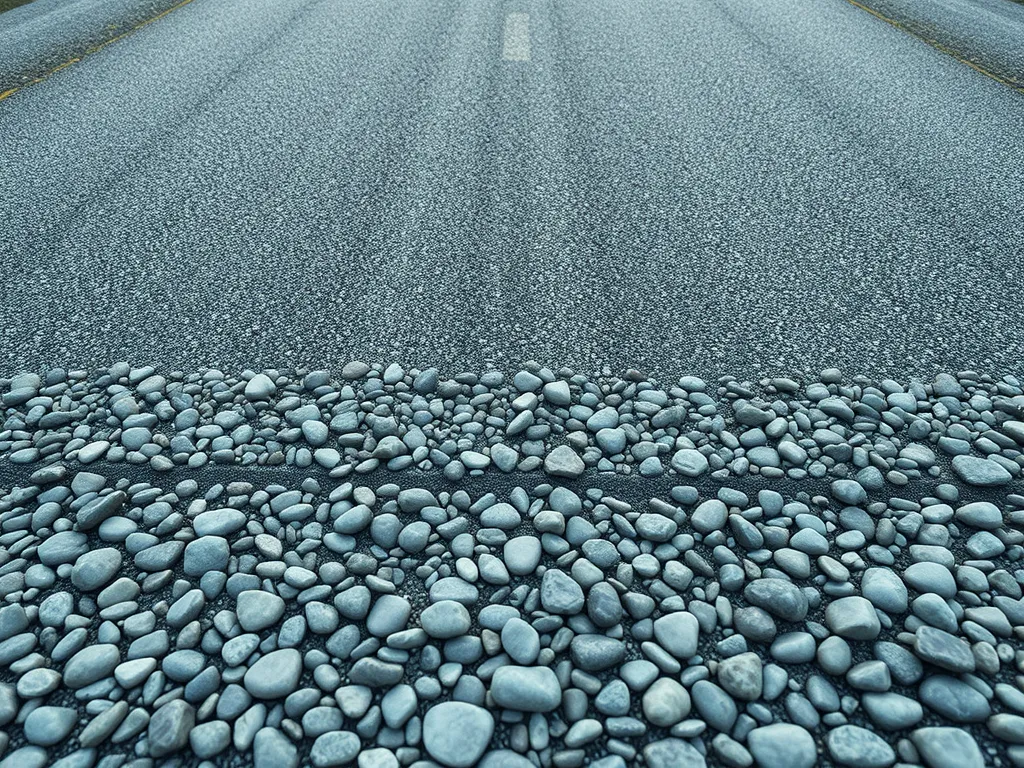
Selecting the proper mix requires knowing how engineers build asphalt recipes. These formulas balance strength, flexibility, and weather resistance through precise material combinations.
Components Of Asphalt Mix Design
Every mix contains three core elements: aggregates (crushed stone, sand), bitumen binder, and air voids. Gradation determines stone size distribution – finer particles fill gaps between larger ones. Binder content (typically 4-7% by weight) affects durability. Superpave specifications (Performance Graded binders) match materials to local climate extremes.
Common Asphalt Grades (13A, N50, N N70)
New York’s 13A mix uses ½” stone for smooth parking lot surfaces. Michigan’s N50 grade withstands -22°F with softer binders, while Florida’s N70 handles 158°F heat. Binder viscosity (measured in poise) dictates these codes – lower numbers mean softer mixes for cold regions.
Type A Vs. Type B Asphalt Mix Differences
Type A contains 50-60% coarse aggregate for heavy truck traffic. Type B uses 35-50% with extra sand for crack resistance in freeze-thaw zones. Highway shoulders often use Type A; suburban driveways pick Type B for better snowplow survival.
Type C Vs. Type D Asphalt Mix Differences
Type C (open-graded) allows 15-25% air voids for drainage but needs frequent maintenance. Type D (dense-graded) has 3-5% voids, lasting 12-15 years under daily traffic. Contractors blend 20% recycled asphalt pavement (RAP) into Type D for cost savings on highway projects.
Type 2 Vs. Type 3 Asphalt Applications
Type 2 (base mix) uses 1½” stone for 4-6″ road foundations. Type 3 (surface mix) has ¾” stone, compacted to 2½” for wear layers. High-traffic intersections combine both: Type 2 base with Type 3 topping resists rutting from 8,000+ daily vehicles.
With the right mix identified, precise quantity calculations ensure you order enough material without overspending. Let’s break down the math behind asphalt volume estimates.
Also See: How to Get Paint Off Of Asphalt: Quick Removal Guide
Calculating Asphalt Mix Requirements
Get your math right before ordering. Wrong amounts lead to delays or extra costs. Use these steps to nail your mix needs.
Determining Quantity Based on Project Size
Start with square feet. Measure length x width for area. Multiply by depth (in inches) divided by 12. For tons, divide by 2000 (1 ton covers 40-80 sq ft at 2” thick). Example: 1000 sq ft x (2”/12) = 167 cubic feet → 167/27 = 6.2 cubic yards → ~12 tons. Adjust for mix type: HMA needs 145 lb/cubic ft vs SMA at 156 lb/cubic ft.
- Add 5-10% for waste and uneven bases
- Check compaction rates (92-98% typical)
- Factor in site slope and drainage needs
Incorporating Recycled Asphalt Pavement (RAP)
RAP cuts costs by 15-30%. Most mixes handle 10-30% RAP without losing strength. For driveways, use up to 40% RAP in base layers. Surface layers? Stick to 20% max. Note: High RAP mixes need more virgin binder (4.5% vs 5.2% for 30% RAP).
- Test RAP quality for contaminants
- Adjust plant temps by 10-15°F for RAP blends
- Avoid RAP in heavy truck zones (N70 grade roads)
Adjusting for Additives and Binder Ratios
Additives change the math. Polymers boost binder needs by 0.5-1%. Fibers in SMA? Add 0.3% by weight. Warm mix agents (Sasobit) let you drop temps by 50°F but need exact dosing (1.5-3% of binder). For freeze zones, use PG 58-28 binder at 5.5% vs PG 64-22 at 5% in hot states.
- Track batch temps (HMA: 280-325°F, WMA: 225-275°F)
- Scale up liquid anti-strip agents (0.25-0.75% of binder)
- Verify job mix formula (JMF) tolerances (±0.3% binder)
Tools for Accurate Volume Estimation
Ditch guesswork. Use laser scanners for site surveys (±1/8” accuracy). Try GPS grade checkers for large sites. Software like AutoCAD Civil 3D models layer depths. NAPA’s calculator factors RAP %, additives, and air voids.
- Ride-on drum rollers track compaction in real time
- Nuclear gauges test density every 500 sq ft
- Mix tickets show batch weights and temps
Precise math ensures you buy just enough mix without waste. Next, see how eco-friendly choices boost your project’s green score.

Environmental and Sustainability Considerations
Your asphalt mix choice affects more than your project. It impacts land use, energy costs, and waste streams. Smart picks cut harm while meeting specs.
Using Recycled Materials in Mixes
Recycled Asphalt Pavement (RAP) can replace 30% of new mix without losing strength. Roofing shingles (RAS) add 5% binder. These cuts save $8-$16 per ton. Look for mixes with RAP codes like RG, RT, or RM in state specs.
| RAP % | Use Case | Cost Cut |
|---|---|---|
| 10-20% | Driveways | 12% |
| 20-30% | Parking lots | 18% |
| 30-40% | Low-traffic roads | 22% |
Energy-efficient Production Techniques
Warm Mix Asphalt (WMA) needs 50°F less heat than Hot Mix. This drops fuel use by 35% and fumes by 30%. Foaming tech or additives like zeolite let plants hit 250°F vs 300°F for HMA. Lower temps mean faster truck loads and longer haul times.
Eco-friendly Disposal and Longevity
Pick mixes that last 20+ years to cut rebuild waste. Porous asphalt lets rain soak in, slashing runoff by 75%. When replaced, 95% of old asphalt can be reused. Plan for full-depth recycles or cold in-place methods to skip dump fees up to $45/ton.
Your mix’s green traits tie to how it’s tested. Next, we’ll break down key checks for strength and wear.
Frequently Asked Questions (FAQ)
How Do You Calculate Asphalt Mix?
Calculating asphalt mix involves measuring the project area in square feet, multiplying by the desired depth in inches (divided by 12 to convert to feet), and then converting cubic feet to tons. You’ll also need to account for the specific weight of your chosen asphalt mix and include an allowance for waste.
What is the Difference Between Type A and B Asphalt Mix?
Type A asphalt mix contains a higher percentage of coarse aggregate (50-60%), making it suitable for heavy traffic areas, while Type B has a lower percentage (35-50%) with added sand, offering improved resistance to cracking in freeze-thaw environments.
What Distinguishes Type 2 From Type 3 Asphalt?
Type 2 asphalt, used as a base mix, incorporates larger stone sizes to support heavy loads, while Type 3, designed as a surface mix, contains smaller stones for a smoother finish. They can be used together for added durability in high-traffic areas.
How Do I Design an Asphalt Mixture?
Designing an asphalt mixture involves selecting the proper aggregates, adjusting binder content based on local climate, and adhering to specifications like Superpave. Testing for mix properties such as strength and durability is also crucial in the design process.
What is 13A Asphalt?
13A asphalt is a specific grade commonly used in New York, featuring half-inch aggregate size which provides a smooth surface suitable for parking lots and low-traffic roads.
What Are the Different Asphalt Mix Types?
The main types of asphalt mixes include Hot Mix Asphalt (HMA), Warm Mix Asphalt (WMA), Cold Mix Asphalt, Dense-Graded Mixes, Open-Graded Mixes, and Stone Matrix Asphalt (SMA), each serving specific purposes based on traffic, climate, and structural requirements.
What Are the Asphalt Mix Design Specifications?
Asphalt mix design specifications generally cover the aggregate gradation, binder type and content, air voids, and performance characteristics, ensuring the mixture is suitable for its intended use, including factors like load capacity and environmental conditions.
What Are the 4 Primary Types Of Asphalt?
The four primary types of asphalt mixes are Hot Mix Asphalt (HMA), Warm Mix Asphalt (WMA), Cold Mix Asphalt, and Stone Matrix Asphalt (SMA), each tailored to various applications from roadways to pavements.
What Are the Different Types Of Asphalt Grades?
Asphalt grades are categorized based on their viscosity and performance in different temperatures, commonly including grades like 13A, N50, and N70, each suited for various climatic conditions and project requirements.
What is the Difference Between N50 and N70 Asphalt?
The primary difference between N50 and N70 asphalt lies in their performance characteristics and suitable temperature ranges, with N50 designed for colder environments and offering more flexibility, while N70 is more robust for higher temperature regions.
What Differentiates Type C From Type D Asphalt?
Type C asphalt mix is open-graded, allowing for drainage and air voids of 15-25%, making it suitable for wet conditions, while Type D is dense-graded, providing better load-bearing capacity and longevity under traffic stresses.
Closing Thoughts
Choosing the right asphalt mix is vital for the success of your project. Consider project requirements, traffic needs, and local climate. Assess costs and match the asphalt mix type to your specific application for optimal results.
From Hot Mix Asphalt to Stone Matrix Asphalt, each type offers unique benefits. Understanding these nuances can significantly enhance your project’s durability and efficiency. Don’t forget to incorporate recycled materials for an eco-friendly approach and cost savings.
For further insights and tools to guide your decisions, check out Asphalt Calculator USA. Equip yourself with knowledge to make the best choices for your asphalt project!
Additional Resources for You:
- Yoder, E. J., & Witczak, M. W. (1975). Principles of Pavement Design (2nd ed.). New York, NY: Wiley.
- 5 Different Types of Asphalt Mixes | Bituminous Roadways Blog
- How To Choose the Right Asphalt Paver for Your Project
- Hot Mix Vs. Cold Mix Asphalt: Which One Is Better for Your Road Project? – LeeBoy®
- How to Choose the Right Type of Asphalt for Your Project – Premium Asphalt Paving & Sealcoating

