
How to Choose the Right Asphalt Heating Method for Different Climates
Published on: January 22, 2026 | Last Updated: April 14, 2025
Written By: George Voss
Choosing the right asphalt heating method for different climates ensures long-lasting pavement and cost-effective projects. Proper heating maintains asphalt mix temperature during application, preventing cracks and uneven surfaces. Climate factors like air temperature, humidity levels, and seasonal weather patterns directly impact which heating technique works best—whether infrared heaters in freezing zones or heat lamps for minor humid-area repairs.
This guide breaks down climate-specific strategies for asphalt heating. Learn how sub-freezing temperatures demand rapid heating methods, while hot climates require controlled application to avoid softening. Compare infrared systems, direct flame heaters, and storage tank solutions. Get step-by-step selection tips, equipment checks, and environmental best practices. Find answers to common questions about temperature limits and mix types.
Contents
- Understanding Asphalt Heating Methods and Climate Impact
- Key Climate Factors Influencing Asphalt Heating Choices
- Step-by-step Process for Selecting Asphalt Heating Methods
- Comparison Of Common Asphalt Heating Techniques
- Environmental and Operational Considerations
- Frequently Asked Questions (FAQs)
- Closing Thoughts
- Additional Resources for You:
Understanding Asphalt Heating Methods and Climate Impact
Selecting the right asphalt heating method requires matching thermal techniques to local weather patterns. Temperature swings, humidity levels, and seasonal extremes directly affect how asphalt binds, compacts, and cures. Ignoring climate conditions risks premature pavement failure, higher maintenance costs, and safety hazards.
Why Proper Asphalt Heating is Critical for Durability
Asphalt’s performance hinges on maintaining precise heat levels during installation. The binder (typically PG 64-22 or PG 58-28) must reach optimal viscosity to coat aggregates evenly. Without adequate heat transfer, weak spots form, accelerating cracks and potholes under traffic loads.
Role of Temperature in Asphalt Application
Asphalt mix temperatures vary by type: hot mix asphalt (HMA) requires 275°F–325°F, while warm mix asphalt (WMA) operates at 220°F–250°F. Cold climates demand faster heat retention to prevent thermal loss during transport. Infrared heaters, for example, boost surface temps by 50°F–75°F within minutes, ensuring proper compaction before the material cools below 185°F.
Consequences of Incorrect Heating Methods
Overheating asphalt above 350°F burns binders, creating brittle pavement prone to thermal cracking. Underheated mixes below 220°F fail to bond, leading to raveling and moisture infiltration. Repair costs spike by 40% when poor heating causes premature rutting in freeze-thaw zones. In humid regions, trapped moisture under inadequately heated layers triggers blistering and delamination.
Next, let’s analyze how regional weather patterns shape equipment decisions and heating strategies.
Key Climate Factors Influencing Asphalt Heating Choices
Pick the right heat method based on your local weather. Cold, hot, or wet zones each need unique plans to keep asphalt strong.
Cold Climates (Below Freezing to 32°F / 0°C)
Frost and ice make asphalt work tough. Plan for fast cooling and poor bond risks.
Challenges of Low Temperatures
Cold air chills asphalt fast. This leads to cracks, weak joints, and raveling. Mix temps below 275°F (135°C) fail to bind well.
Optimal Heating Techniques for Sub-Freezing Conditions
- Infrared heaters: Melt ice, warm ground fast
- Hot mix asphalt (HMA) at 300°F–350°F (149°C–177°C)
- Insulated trucks hold heat longer
Moderate Climates (32°F–70°F / 0°C–21°C)
Mild temps let crews work longer. Focus on mix flow and set time.
Balancing Flexibility and Stability
Use warm mix asphalt (WMA) at 200°F–250°F (93°C–121°C). Add polymers for stretch. Heat lamps fix small cracks without burning.
Hot Climates (70°F–100°F+ / 21°C–38°C+)
High heat softens asphalt. Stop rutting and bleeding with smart timing.
Preventing Overheating and Softening
- Lay asphalt at dawn or dusk
- Cool mix to 280°F–300°F (138°C–149°C)
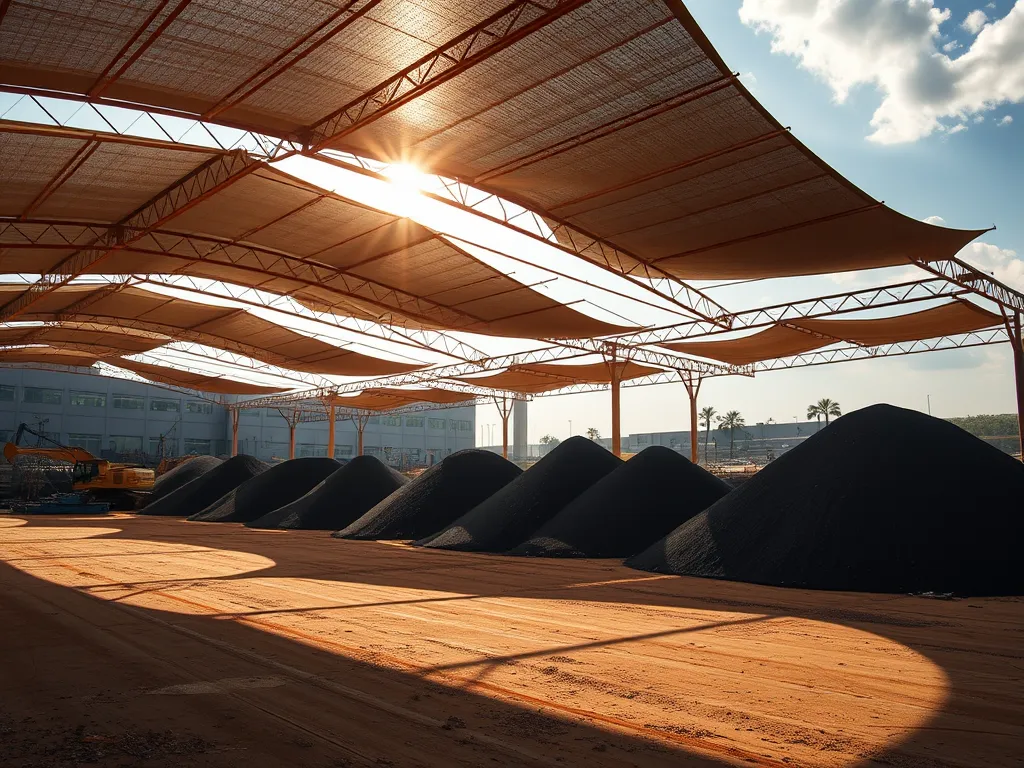
- Shade stockpiles to block sun heat
Humid or Rain-prone Regions
Wet air and storms ruin asphalt bonds. Dry the base before heating.
Moisture Management During Heating
- Blow hot air to steam off ground water
- Use tarps to shield fresh asphalt
- Test moisture with nuclear gauges
Next, we break down how to pick the best method for your site.
Step-by-step Process for Selecting Asphalt Heating Methods
Selecting the right asphalt heating method requires analyzing climate conditions, material properties, and project logistics. Follow this four-step framework to align your approach with local weather patterns and construction goals.
Step 1: Evaluate Ambient Temperature Ranges
Start by recording the average high/low temperatures during your project window. For regions below 50°F (10°C), prioritize rapid-heating tools like infrared heaters or thermal blankets to combat heat loss. In areas above 85°F (29°C), focus on temperature control—overheated asphalt softens, risking rutting. Use digital thermocouples to monitor surface and mix temps in real time.
Step 2: Assess Asphalt Mix Type (Hot Vs. Warm Mix)
Hot mix asphalt (HMA) requires heating to 300°F (149°C), demanding high-output methods like drum plants or direct flame heaters. Warm mix asphalt (WMA) works at 220–250°F (104–121°C), allowing lower-energy options like foaming kits. Check if your mix uses polymer-modified PG binders—common in freeze-thaw zones—which need precise heating to avoid cracking.
Step 3: Match Heating Method to Project Scale and Timeline
Large highway jobs often use storage tanks with 20,000-gallon capacities and propane burners for steady heat. Small repairs benefit from portable heat lamps or recyclers, which target 2–5 square feet. For tight deadlines in cold weather, infrared heaters cure 1–2 inches of asphalt in 10 minutes, 3x faster than conventional methods.
Step 4: Validate Equipment Compatibility
Test heating gear with your asphalt mix before deployment. In humid climates, verify that heaters have moisture shields to prevent steam pockets. For urban zones with emission rules, opt for electric infrared units over diesel burners. Ensure paver screeds can handle preheated materials without clogging—critical when recycling RAP (reclaimed asphalt pavement).
With these steps completed, you’re ready to compare specific asphalt heating techniques. Next, we’ll break down the pros and cons of infrared, flame, and tank systems across climate zones.
Also See: How Long Do Asphalt Driveways Last? Maintenance Tips
Comparison Of Common Asphalt Heating Techniques
Each heating tool works best in specific weather and job types. We break down four key methods used in the field.
Infrared Heaters
These units use light waves to heat asphalt without direct touch. They work well in cold, dry air.
Efficiency in Cold Weather
Infrared heaters melt ice and warm asphalt fast in temps below 32°F. They reach 6 inches deep, keeping the base firm. Less fuel use (up to 30% vs. flame tools) cuts costs in long winters.
Direct Flame Heaters
Open flames heat the surface quick but need skill to avoid burns. Best for dry zones with low fire risk.
Rapid Heating for Time-Sensitive Projects
Flame tools hit 300°F in 10 minutes, ideal for bridge decks or night work. Use propane tanks for easy moves. Watch for black spots—overheating weakens the mix.
Storage Tank Heating Systems
Large tanks keep hot mix ready for days. Used for roads, lots, or big patches.
Consistency for Large-Scale Applications
Oil or electric heat holds temps within 10°F of target, even in humid zones. One tank can serve 5+ trucks non-stop. Costs drop 15% per ton vs. small units on major jobs.
Heat Lamps and Portable Solutions
Compact tools for fixes under 100 sq ft. No open flames, safe near trees or wires.
Precision in Small Repairs
Lamps focus heat on cracks or potholes. Adjust height to keep asphalt at 250°F–275°F. Takes 5–8 minutes per patch. Rent for $40/day—cheap for home drives or curb work.
Your pick affects cost, speed, and how long the job lasts. Next, we’ll show how to cut harm to the earth while heating asphalt right.

Environmental and Operational Considerations
Balancing climate needs with eco-friendly steps keeps roads strong while protecting resources. Smart choices cut waste, save fuel, and meet strict rules.
Reducing Emissions During Heating
Cold zones need more heat, raising CO2 risks. Use infrared heaters or electric systems to slash fumes by up to 40% vs flame methods. Pair low-NOx burners with PG 64-22 binders in dry air to limit smoke. Check local EPA limits for sulfur levels in heated asphalt mixes.
Energy Efficiency Best Practices
Track fuel use per ton of heated asphalt. For hot climates:
- Recycle heat from exhaust gases (saves 15-30% fuel)
- Insulate tanks holding hot mix above 300°F (149°C)
- Switch to warm mix tech in humid zones – cuts temps by 50°F (10°C)
Sustainable Material Handling
Reuse 30-50% recycled asphalt (RAP) in mixes to lower heating needs. Store stockpiles under sheds in rain zones to block moisture. For cold sites below 20°F (-6°C), pre-heat RAP with solar tarps before mixing. Track batch temps with IR guns to avoid over-heating and waste.
Next, let’s break down common heating gear for varied job sizes and weather needs.
Frequently Asked Questions (FAQs)
What Temperature is Too Cold for Laying Blacktop?
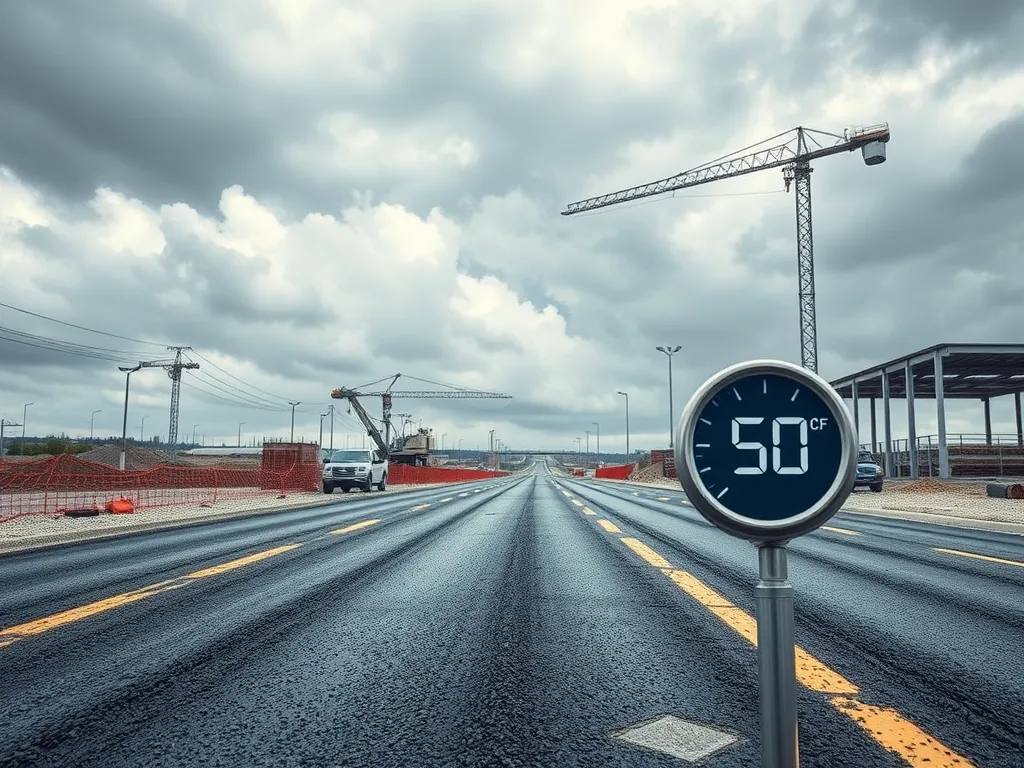
The ideal temperature for laying blacktop is typically above 50°F (10°C). At lower temperatures, asphalt may not bond properly, leading to potential issues with durability and performance.
How Does Hot Mix Asphalt Differ From Warm Mix Asphalt?
Hot mix asphalt (HMA) is produced at higher temperatures (around 300°F or 149°C), allowing for better compaction and flexibility. Warm mix asphalt (WMA) is produced at lower temperatures (around 220°F to 250°F or 104°C to 121°C), which reduces energy usage and emissions while still providing adequate performance.
How Hot Does Asphalt Get When Ambient Temperatures Reach 100°F (38°C)?
When ambient temperatures reach 100°F (38°C), asphalt can exceed 300°F (149°C) during installation, especially if not managed properly. It’s essential to monitor the mix temperature to prevent overheating that can lead to softening and raveling.
At What Temperature Should Asphalt Installation Be Postponed?
Asphalt installation should be postponed if ambient temperatures drop below 50°F (10°C) or if there is a risk of rain, snow, or frost that could compromise the asphalt’s ability to set properly. It’s crucial to ensure proper bonding and curing to maintain pavement integrity.
Closing Thoughts
Choosing the right asphalt heating method significantly impacts the durability of your pavement. Different climates present unique challenges and opportunities, emphasizing the need to tailor your approach. From combating extreme cold to managing heat in hot conditions, selecting the appropriate heating technique is essential for optimal performance.
Stay informed about ambient temperatures, asphalt mix types, and project requirements for success. Evaluating factors like efficiency, emissions, and equipment compatibility can enhance the durability of your pavement while reducing costs and environmental footprint.
For more in-depth information on asphalt heating methods and calculations, visit Asphalt Calculator USA.
Additional Resources for You:
- American Association of State Highway and Transportation Officials (AASHTO). (2008). Mechanistic-Empirical Pavement Design Guide (MEPDG). Washington, DC: AASHTO.
- Hot Mix Vs. Cold Mix Asphalt: Which One Is Better for Your Road Project? – LeeBoy®
- The Impact of Weather on Asphalt Paving: Best Practices for Hot and Cold Climates – Bennett Paving
- How to Safely Heat Cold Patch Asphalt with a Hot Box
- How to Choose the Right Type of Asphalt for Your Project – Premium Asphalt Paving & Sealcoating

