
How to Choose the Best Driveway Material for Your Home
Published on: January 21, 2026 | Last Updated: April 14, 2025
Written By: George Voss
Selecting the best driveway material for your home requires comparing asphalt, concrete, gravel, and pavers based on six factors: climate resilience, budget, durability, maintenance, curb appeal, and drainage. Asphalt costs $3-$7 per square foot, installs in one day, and handles freeze-thaw cycles. Concrete lasts 30+ years but starts at $8-$15 per square foot. Gravel costs $1-$3 per square foot with minimal installation fees, while pavers run $10-$30 but allow intricate patterns.
This article breaks down each material’s pros, costs, and climate performance. Learn why 60% of snowy-region homeowners choose asphalt over concrete, how gravel reduces stormwater runoff by 40%, and when pavers boost resale value. We’ll cover lifespan charts, 2024 price trends, eco-friendly options like recycled asphalt, and maintenance hacks to protect your investment.
Contents
- Key Factors to Consider When Choosing Driveway Material
- Comparing Common Driveway Materials
- Why Choose Asphalt for Your Driveway?
- Asphalt Driveway Cost Analysis
- Asphalt Driveway Installation Process
- Maintaining Your Asphalt Driveway
- Environmental Impact Of Driveway Materials
- FAQs About Choosing Driveway Materials
- Closing Thoughts
- Additional Resources for You:
Key Factors to Consider When Choosing Driveway Material
Selecting driveway material requires balancing practical needs with personal priorities. These six elements shape which option works best for your property.
Climate and Weather Compatibility
Materials react differently to temperature swings. Asphalt handles freeze-thaw cycles better than concrete due to its flexible bitumen binder. Gravel drains rainwater fast but shifts in heavy snow areas. In humid zones, permeable pavers prevent pooling better than solid surfaces. Match your region’s annual rainfall, snowfall, and temperature extremes.
Budget and Long-term Costs
Initial prices range from $1.50/sq ft for gravel to $15+/sq ft for decorative pavers. Asphalt sits mid-range at $2.50-$4.50 installed. Factor in lifespan: concrete lasts 30+ years versus asphalt’s 15-20. Add $0.25-$0.50/sq ft every 3 years for asphalt sealcoating. Gravel needs $200-$600 annual regrading.
Durability and Lifespan
Weight loads matter for RVs or trucks. Asphalt withstands 8,000-10,000 PSI pressure, concrete 4,000-8,000 PSI. Pavers reset individually if cracked – solid slabs require full replacement. Salt exposure degrades concrete faster than polymer-modified asphalt mixes.
Maintenance Requirements
Seal asphalt every 36 months. Pressure-wash concrete biannually to prevent algae. Rake gravel weekly to fix ruts. Permeable pavers need vacuum debris from joints twice yearly. Stamped concrete costs $3-$5/sq ft to resurface after 10 years.
Aesthetic Preferences
Asphalt offers a sleek charcoal finish. Concrete accepts stains or exposed aggregates. Pavers come in geometric patterns with 50+ color blends. Gravel suits rustic landscapes but lacks formal appeal. Check HOA rules – some restrict materials or colors.
Drainage Considerations
Slope standards require 2% grade (1/4″ per foot). Asphalt needs proper crowning to shed water. Gravel’s 40% void space allows 8-10″ of rainfall absorption per hour. Permeable pavers with 1/8″ gaps manage 5,000 mm/hr flow rates. Poor drainage voids warranties on many materials.
Now that we’ve explored key factors in driveway material choice, let’s analyze specific surfaces head-to-head.
Comparing Common Driveway Materials
Picking the right driveway material shapes your home’s look, cost, and upkeep. Let’s break down top options.
Asphalt Driveways
Asphalt ranks high for its blend of price and function.
Pros and Cons of Asphalt
Pros: Smooth finish, handles freeze-thaw cycles, fixes fast. Cons: Needs seal coats every 3-5 years. May soften in heat over 120°F.
Cost of Asphalt Driveways
$3-$7 per sq.ft. installed. A 20×20 space runs $1,200-$2,800. Cheaper than concrete upfront.
Lifespan and Durability
Lasts 15-20 years. Crack filler and seal coats add 5+ years. Base layers matter – 4-8” crushed stone stops sinking.
Concrete Driveways
Concrete offers strength but trades ease for style.
Pros and Cons of Concrete
Pros: Lasts 30+ years. Handles heavy loads. Cons: Cracks in frost heave. Stains show more. Full replacement costs triple asphalt repairs.
Cost Comparison with Asphalt
$6-$12 per sq.ft. – double asphalt. Colored/stamped adds $2-$5 per sq.ft. Long-term savings if kept 25+ years.
Gravel Driveways
Gravel suits tight budgets but asks for work.
Pros and Cons of Gravel
Pros: $1-$3 per sq.ft. Drains fast. Easy DIY. Cons: Ruts form. Weeds sprout. Stones track indoors.
Affordability and Maintenance
Cheapest start cost. Add fresh gravel yearly ($150-$300). Geotextile fabric cuts upkeep by 40%.
Paver Driveways
Pavers charm with looks but hit wallets hard.
Pros and Cons of Pavers
Pros: 50+ design choices. Replace single units. Cons: $10-$25 per sq.ft. Sand joints need refills.
Installation Complexity
Requires pro grading, 6” base, edge restraints. Takes 2-3x longer than asphalt. DIY errors cause uneven surfaces.
| Material | Cost per sq.ft. | Years before major work |
|---|---|---|
| Asphalt | $3-$7 | 15-20 |
| Concrete | $6-$12 | 25-30 |
| Gravel | $1-$3 | 5-10 |
| Pavers | $10-$25 | 20-25 |
Now let’s see why asphalt leads for many homes in our next section.
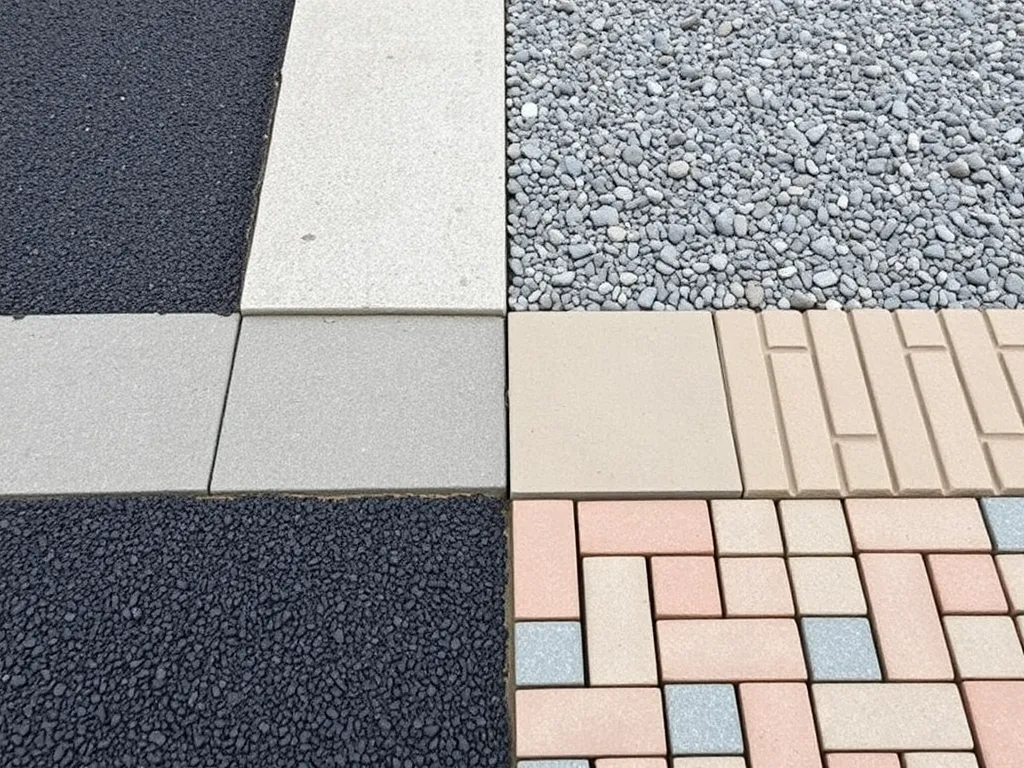
Why Choose Asphalt for Your Driveway?
Asphalt stands out among driveway material options for its mix of practicality and visual appeal. Homeowners prioritizing both function and style find it a strong fit for varying property types.
Top Benefits Of Asphalt
This material brings distinct advantages when selecting residential driveway materials, particularly for those in areas with shifting conditions.
Smooth Surface and Curb Appeal
Fresh asphalt creates a jet-black finish that boosts a home’s visual charm. Its tight compaction during installation (typically at 300°F) minimizes surface gaps. This sleek look lasts 3-5 years before needing a sealcoat refresh. Dark tones also mask oil spills better than lighter materials like concrete.
Quick Installation and Repair
A full asphalt driveway can be laid in 1-2 days once the gravel base is set. Compare this to concrete’s 7-day curing period. Fixing cracks costs $2-$5 per sq ft using rubberized fillers, while potholes take under 4 hours to patch with hot-mix asphalt. This speed makes it ideal for homes needing fast project turnarounds.
Addressing Common Drawbacks
All driveway materials have trade-offs. With asphalt, smart planning handles most concerns linked to cracks or upkeep.
Managing Cracks and Weather Damage
Temperature swings cause 85% of asphalt cracks. PG 64-22 binders (designed for -22°F to 64°F) reduce this risk in cold zones. Applying a coal-tar sealant every 36 months blocks water from seeping into sublayers. For existing cracks wider than 1/4″, use fiber-reinforced filler to halt spreading.
Seasonal Maintenance Tips
Summer heat softens asphalt—avoid parking RVs with hot tires for long periods. In winter, swap rock salt for calcium chloride to limit surface damage. Inspect for new cracks each spring after thaw cycles, and clear fall leaves promptly to prevent moisture traps.
Factoring in these upkeep needs helps assess if asphalt aligns with your priorities. Next, let’s break down what this material costs compared to gravel, pavers, or concrete.
Also See: Can You Pressure Wash Oil Stains Off Asphalt? Be Cautious
Asphalt Driveway Cost Analysis
Breaking down asphalt costs helps homeowners compare driveway material options. Let’s examine pricing structures and strategies to maximize value.
Average Cost Per Square Foot
Asphalt driveway installation averages $3–$7 per square foot nationally in 2023. Regional material availability and labor rates create price variations:
| Component | Cost Range |
|---|---|
| Aggregate Base | $1.50–$3.00/sq ft |
| Asphalt Layer (2–3 inches) | $1.50–$4.00/sq ft |
Northern states like Minnesota often see higher rates due to shorter paving seasons. Coastal areas pay 12–18% more for petroleum-based binders during peak demand.
20×20 Asphalt Driveway Cost Example
A standard 400-square-foot driveway (20’x20’) typically costs $1,200–$2,800. Breakdown for mid-range pricing at $5/sq ft:
| Item | Percentage | Cost |
|---|---|---|
| Excavation/Grading | 15% | $300 |
| Base Materials | 25% | $500 |
| Asphalt Installation | 60% | $1,200 |
Add 10–15% for custom features like drainage systems or decorative edging. Oil price fluctuations may shift totals by ±7% within contract terms.
Cost-saving Tips for Installation
Reduce asphalt expenses without sacrificing quality:
- Schedule installations between November–March for off-season discounts (5–12% savings)
- Request recycled asphalt pavement (RAP) mixes – cuts material costs by 10–20%
- Bundle projects – combine driveway work with sidewalk repairs for bulk labor rates
Sealcoating every 3 years extends surface life by 50–70%, delaying full replacements. Avoid budget contractors lacking PG binder certifications – improper mixes raise long-term repair costs.
With costs mapped out, let’s explore how crews transform raw materials into finished driveways.
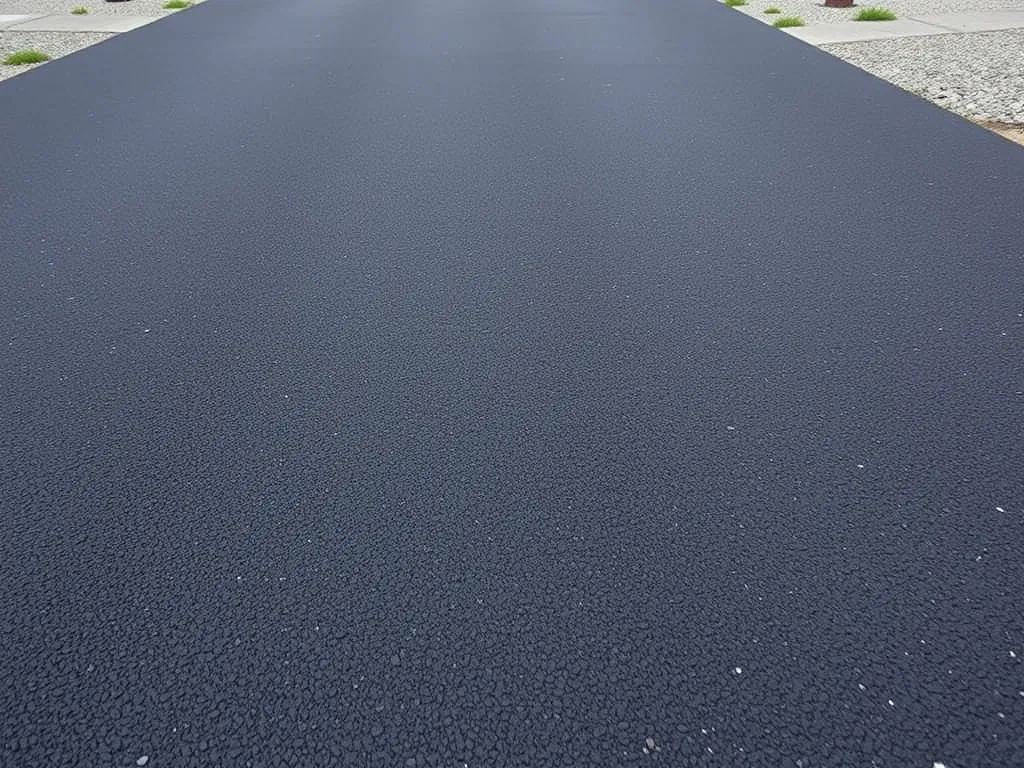
Asphalt Driveway Installation Process
Proper installation determines long-term performance when selecting driveway material. Let’s break down critical steps for ensuring your paved surface lasts 15-25 years with minimal upkeep.
Site Preparation and Base Layers
Site prep begins with removing vegetation, rocks, or debris. Contractors grade the land to create a 2-3% slope for drainage. Next, they build a base using 6-8 inches of crushed stone compacted to 95% density. This layer prevents shifting under vehicle loads. Poor base construction leads to cracks within months—prioritize this phase when choosing the best material for residential driveways.
Professional Vs. DIY Installation
Hot mix asphalt requires temperatures exceeding 300°F during application. Pros use heavy rollers for even compaction, while DIY kits typically offer cold-pour options with lower durability. Professional jobs cost $3-$7 per square foot but include warranties up to 20 years. For complex layouts or soil issues, expert crews handle subsurface prep better—key for driveway materials in regions with freeze-thaw cycles.
Curing and Initial Use Guidelines
Fresh asphalt needs 6-12 months to fully cure before sealing. Avoid parking heavy vehicles or turning steering wheels while stationary during the first week. Temperatures below 50°F extend curing times. Light use is permitted within 72 hours, but wait 5-7 days for full traffic. Proper curing prevents surface deformities—a critical factor when picking driveway materials for busy households.
With your new driveway installed correctly, focus shifts to preserving its condition. Let’s explore maintenance strategies to maximize your investment.
Maintaining Your Asphalt Driveway
Proper care keeps your driveway strong for years. Learn key steps to protect your investment after selecting asphalt as your driveway material.
Regular Cleaning and Sealing
Sweep debris weekly to prevent stains. Use a hose for dirt buildup. Seal coat every 2-3 years with coal tar or asphalt-based sealer. This blocks water, UV rays, and oil leaks. A fresh seal costs $0.15-$0.25 per square foot. Skip sealing, and cracks form 50% faster.
Repairing Cracks and Potholes
Fix small cracks (under ¼ inch) with rubberized filler. Wider gaps need cold patch asphalt. Potholes require removing loose chunks, filling with hot mix, and compacting. Repair costs range from $5 (DIY crack filler) to $300+ for pro fixes. Delayed repairs can triple costs in 12 months.
Seasonal Care for Longevity
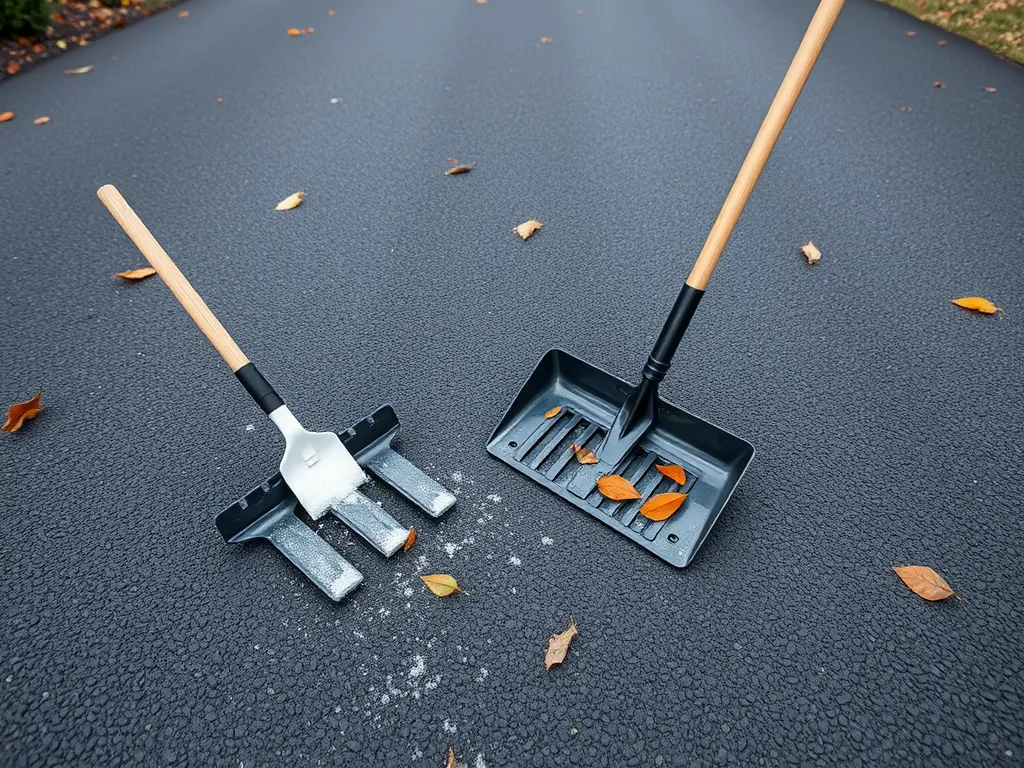
Shovel snow with plastic blades to avoid scratches. Avoid metal tools or harsh ice melters. In summer, park hot vehicles elsewhere to prevent surface softening. Apply sealant in fall when temps stay above 50°F. Spring checks catch winter damage early.
Smart upkeep makes asphalt last 20+ years. Next, see how eco-friendly choices stack up when picking driveway materials.
Environmental Impact Of Driveway Materials
Your driveway material choice affects not just your property but also surrounding habitats. Options vary in carbon footprint, resource use, and long-term sustainability. Prioritizing materials with low planetary impact can align your project with modern construction standards.
Asphalt Recyclability and Sustainability
Asphalt leads in circular construction practices. It’s 100% recyclable—old pavement gets crushed into Reclaimed Asphalt Pavement (RAP) and mixed into new surfaces. About 95% of asphalt from roads is reused, cutting demand for virgin aggregates. This process slashes fuel consumption by 20% during production. RAP mixes match virgin asphalt in quality but trim costs by $3-$5 per square foot. Stormwater runoff from asphalt is minimal due to its non-porous finish, reducing pollutants entering local waterways.
Eco-friendly Alternatives Comparison
Concrete requires high carbon output during cement production but lasts 30+ years with minimal upkeep. Gravel, a low-cost option, has no binding agents but may shift during storms, requiring grading. Permeable pavers allow water absorption, aiding soil hydration, though installation runs $10-$30 per square foot. Crushed glass or rubber from tires offers creative recycling paths but lacks long-term data on durability. Local sourcing of materials (within 50 miles) further lowers transport-related carbon footprints.
Factoring in sustainability goals? Our FAQ section clarifies common myths about driveway material options.
FAQs About Choosing Driveway Materials
What is the Best Material for a Residential Driveway?
The best material depends on various factors including your climate, budget, and aesthetic preferences. Asphalt is popular for its balance of cost and durability, while concrete offers a long lifespan. Gravel and pavers are alternatives that suit different needs and styles.
How Does Asphalt Compare to Concrete for Drainage?
Asphalt has a smooth finish that can help with water runoff when properly graded, while concrete is less effective in managing drainage unless designed with specific features like channels or permeable options.
What Are the Most Inexpensive Driveway Options?
Gravel is generally the cheapest option at $1–$3 per square foot, making it ideal for tight budgets. However, it requires more maintenance than asphalt or concrete. Asphalt, costing $3–$7 per square foot, is also affordable and offers a good balance of durability and upkeep.
How Do I Maintain an Asphalt Driveway in Extreme Climates?
In extreme climates, regular maintenance includes sealcoating every 2-3 years to protect against cracking, managing surface snow carefully in winter, and avoiding parking hot vehicles on the surface during summer to prevent softening.
Closing Thoughts
Choosing the best driveway material for your home involves careful consideration of various factors. Take into account your climate, budget, maintenance preferences, and the aesthetic you desire. Each material—whether asphalt, concrete, gravel, or pavers—offers unique benefits and challenges.
Asphalt stands out for its durability, quick installation, and long-term cost-effectiveness, especially in regions with extreme weather. Concrete and pavers offer their own advantages but may involve higher installation costs and maintenance needs. Gravel provides an affordable option but may require regular upkeep.
Ultimately, balance your needs with the characteristics of each material. Make informed decisions that align with your priorities for sustainability, aesthetics, and budget. For more information and tools to aid your decision-making, visit Asphalt Calculator USA.

