
How to Choose an Asphalt Maintenance Contractor: Your Roadmap to Quality Work
Published on: January 21, 2026 | Last Updated: April 14, 2025
Written By: George Voss
Choosing an asphalt maintenance contractor requires checking certifications, verifying 5+ years of field experience, reviewing customer feedback, and comparing detailed cost estimates. Unlike general contractors, asphalt specialists use PG-graded binders and Superpave mixes for long-lasting repairs. Prioritize contractors with specific expertise in crack sealing, pothole patching, and infrared asphalt restoration for your parking lot, driveway, or roadway needs.
This article breaks down contractor selection into seven key steps. Learn how to spot early signs of asphalt damage like raveling or alligator cracking. Compare bid structures (cost per square foot vs. project-based pricing). Identify red flags like missing liability insurance or vague warranties. Get answers to common questions about maintenance frequency, recycled asphalt content (up to 30% in eco-friendly mixes), and quality checks for smooth, even surfaces.
Contents
- Understanding Asphalt Maintenance Needs
- Researching and Vetting Contractors
- Evaluating Quotes and Estimates
- Assessing Contractor Reliability and Communication
- Red Flags to Avoid When Hiring
- Environmental Considerations in Asphalt Maintenance
- Frequently Asked Questions
- Closing Thoughts
- Useful References for You:
Understanding Asphalt Maintenance Needs
Your asphalt surface speaks volumes about its condition. Spotting early warning signs ensures you hire the right team before minor flaws turn into costly rebuilds. Let’s break down what to watch for and why speed matters.
Signs Your Asphalt Requires Maintenance
Look for these red flags that demand professional attention:
| Issue | Description | Action Needed |
|---|---|---|
| Alligator Cracks | Interconnected cracks resembling reptile skin | Sealcoating or patching |
| Edge Cracks | Gaps along pavement edges | Fill with asphalt emulsion |
| Potholes | Bowl-shaped voids deeper than 2 inches | Full-depth repair |
| Fading Color | Grayish hue replacing black | Sealcoating within 3-6 months |
| Pooling Water | Standing water lasting >24 hours | Regrading or drainage fixes |
Contractors skilled in asphalt maintenance contractor selection prioritize these fixes to extend pavement life by 10-15 years.
Importance Of Timely Asphalt Repairs
Delaying repairs by just 12 months can spike costs by 400%. For example, filling a 1-inch crack costs $0.50 per linear foot, while rebuilding a failed base layer runs $8-$12 per square foot. A qualified asphalt maintenance services contractor prevents structural decay by addressing:
Base Integrity: Water seepage weakens the crushed stone foundation. Infrared patching seals cracks faster than traditional methods, preserving 95% of existing material.
Safety Risks: Potholes deeper than 3 inches increase trip-and-fall lawsuits by 60%. Contractors using PG 64-22 binders ensure durable repairs that withstand freeze-thaw cycles.
Property Value: Faded, cracked asphalt slashes curb appeal. Timely sealcoating restores jet-black aesthetics and adds $15,000+ to home resale value.
When hiring asphalt maintenance contractors, ask about response times. Top teams offer 48-hour emergency repair slots for critical damage.
With your pavement’s needs clarified, let’s explore strategies for finding asphalt maintenance contractors who deliver lasting results.
Researching and Vetting Contractors
Locating the right contractor requires strategic research paired with thorough vetting. Focus on firms with proven expertise in pavement preservation methods like crack sealing, sealcoating, or infrared repairs.
Where to Find Qualified Asphalt Contractors
Start with local business directories or industry groups like the National Asphalt Pavement Association (NAPA). Online platforms such as Google My Business or specialized trade sites list contractors with verified licenses. Word-of-mouth referrals from property managers or municipal project leads often yield reliable options.
Evaluating Contractor Experience and Expertise
Prioritize firms with direct experience handling projects similar to yours. Inquire about crew training, equipment types (e.g., infrared heaters for seamless repairs), or certifications in Superpave mix design.
Years in Business and Project Portfolio
Firms operational for 10+ years typically possess refined workflows. Request case studies showing completed jobs—look for details like project size (e.g., 5,000 sq.ft. parking lot repairs) or use of polymer-modified binders for high-traffic zones.
Specialization in Asphalt Maintenance Techniques
Verify if contractors focus solely on maintenance versus new installations. Experts in preservation employ methods like slurry sealing (cost: $0.15–$0.35 per sq.ft.) or microsurfacing to extend pavement life by 7–10 years.
Checking Reviews and References
Examine online ratings on platforms like the Better Business Bureau. Look for patterns in feedback—consistent mentions of on-time completion or proper cleanup. Request 2–3 references from recent clients. Probe specifics: Did crews follow OSHA guidelines? Were change orders communicated clearly?
Beyond digital reviews, verify bonding capacity (minimum $500k recommended) for commercial projects. Firms with robust insurance (general liability + workers’ comp) mitigate financial risks tied to worksite incidents.
Once you’ve narrowed your list, the next step involves scrutinizing quotes to balance budget with service quality.
Evaluating Quotes and Estimates
Getting precise quotes separates skilled contractors from those cutting corners. Focus on itemized breakdowns showing material costs, labor rates, equipment fees, plus project timelines. Never settle for verbal estimates – written bids protect both parties.
How to Estimate an Asphalt Job
Contractors determine costs using square footage, repair complexity, materials like PG binders (performance-graded petroleum-based glue), or recycled content. Expect $3-$7 per square foot for sealcoating, $8-$15 for pothole fixes. Key factors influencing bids:
- Base condition: Compromised foundations need excavation + fresh aggregate
- Material type: Polymer-modified mixes cost 20% more than standard
- Equipment: Infrared patching requires specialized rigs ($150+/hour)
Comparing Pricing and Service Inclusions
Cheapest bids often skip vital steps like crack routing or tack coats. Verify these items in every quote:
- Site prep (sweeping, debris removal)
- Edge sealing to prevent water intrusion
- Warranty length (3+ years for quality work)
- Post-job cleanup + waste disposal
For hiring asphalt maintenance contractors, prioritize firms listing specific techniques – slurry seals differ from chip seals in durability + cost. One contractor might quote $0.25/sq.ft. for fog sealing but exclude line striping. Confirm every detail matches your project scope.
With estimates clarified, the next step focuses on verifying contractor credibility beyond dollar figures.
Also See: Asphalt Paving in Urban Areas: Challenges & Solutions
Assessing Contractor Reliability and Communication
Trust forms the backbone of any asphalt maintenance project. A contractor’s ability to deliver results hinges on transparent processes and consistent dialogue.
Importance Of Clear Contract Terms
Contracts must spell out payment terms, project timelines, materials (like PG 64-22 binder or recycled asphalt content), and warranty coverage. Look for clauses specifying repair guarantees – reputable contractors often offer 5-10 year warranties on workmanship. Contracts should also note environmental practices, such as using warm-mix asphalt to cut emissions by 20-35% during application. Avoid vague language about change orders; demand exact unit pricing for crack sealing ($0.50-$3.50 per linear foot) or sealcoating ($0.15-$0.25 per square foot).
Responsiveness and Professionalism
Top asphalt maintenance contractors answer calls within 24-48 hours and provide detailed scope documents. Observe their pre-job protocols: Do they perform joint site reviews? Share moisture tests for asphalt bases? Contractors using project management tools like Procore or HCSS show structured workflows. Check for certifications like NAPA’s PAVE Certified Professional – a mark of advanced training. Watch for red flags: missed deadlines, unmarked trucks, or crews without OSHA 10-hour training. Reliable teams explain every step, from milling depths (typically 1-3 inches) to compaction methods (92-96% density targets).
Strong communication today prevents pavement failures tomorrow. Next, learn to spot deal-breakers that could turn your maintenance project into a money pit.
Red Flags to Avoid When Hiring
Spotting warning signs early saves time, money, and headaches. Two critical issues demand extra scrutiny during the asphalt contractor vetting process.
Lack Of Proper Licensing or Insurance
Contractors without state-required credentials or adequate coverage put your project at risk. Legitimate professionals carry documents proving they meet regional regulations. Ask for proof of general liability policies and workers’ compensation before work starts. Verify credentials through state boards or online portals. Skipping this step may leave you liable for worksite accidents or subpar results.
Unrealistically Low Bids
Bids 20-30% below market rates often signal shortcuts. Asphalt jobs demand quality materials like PG binders (performance-graded asphalt cement) and skilled labor. Lowball quotes might use inferior aggregates or skip steps like compacting layers. Expect $3-$7 per square foot for standard repairs. Contractors offering $1.50/sq ft likely lack expertise or plan to cut corners.
After screening for these warning signs, consider how contractors address ecological impacts in their methods.
Environmental Considerations in Asphalt Maintenance
Contractors’ environmental practices impact project quality and long-term costs. Ask specific questions during the asphalt contractor vetting process to identify partners aligned with sustainability goals.
Eco-friendly Materials and Practices
Top contractors use warm-mix asphalt (WMA), which lowers production temperatures by 50°F compared to traditional hot-mix. This reduces fuel use and emissions by 20%. Look for PG (Performance Graded) binders engineered for local climates – these last 30% longer than standard asphalt. Some firms offer porous asphalt solutions with 16-20% void spaces to manage stormwater runoff.
Infrared asphalt repair systems reuse 95% of existing material with zero landfill waste. Contractors specializing in this method typically complete patches 40% faster than conventional removal methods.
Recycling and Sustainability Efforts
Leading companies recycle 90-100% of removed pavement through reclaimed asphalt pavement (RAP) programs. RAP mixes can lower material costs by $15-$30 per ton. Verify if contractors hold ISSA’s Sustainability Award or meet LEEDv4.1 standards for pavement projects.
Ask about recycled content in sealcoats – high-quality latex emulsions now contain 25% post-industrial plastics. Some providers track carbon footprints using tools like the Asphalt Pavement Alliance’s EcoCalculator, achieving 12-18% reductions per project.
Prioritizing these factors ensures your asphalt maintenance contractor hire supports both durability and ecological responsibility. Next, we’ll address common quality concerns through key questions about workmanship standards.
Frequently Asked Questions
How Can You Tell a Good Asphalt Paving Job?
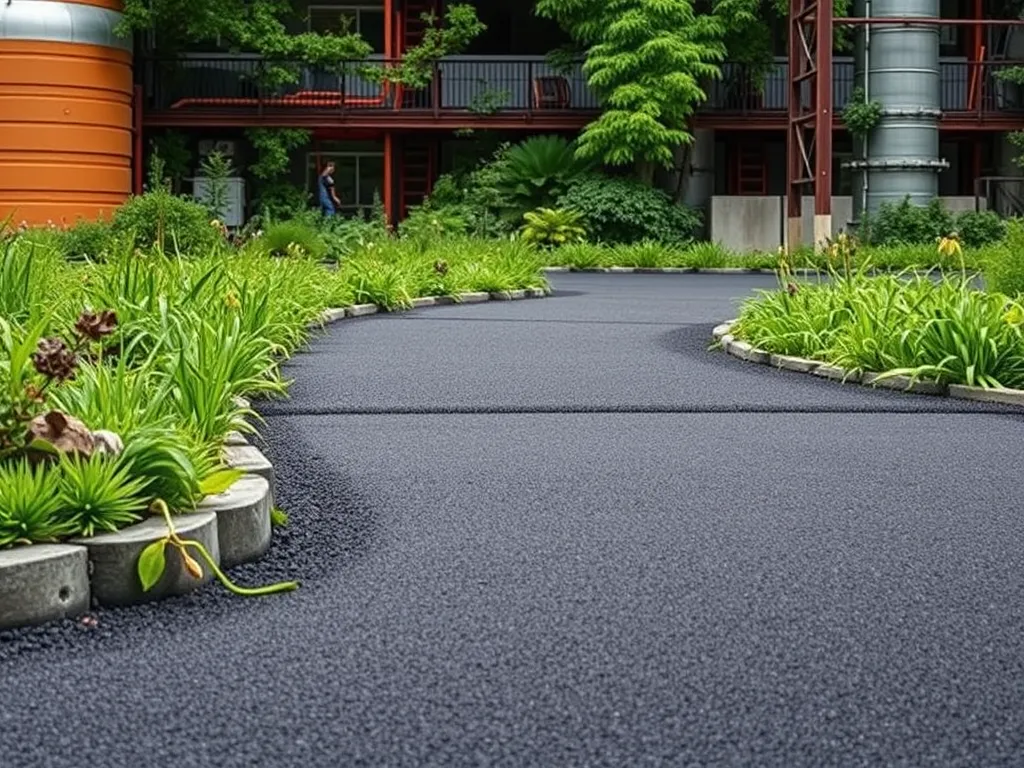
A quality asphalt paving job showcases a smooth surface free from irregularities or defects. Look for uniformity in thickness, proper compaction, and straight edges. Additionally, check for consistent color and texture, indicating the proper materials and techniques were used. A good job should also meet local and state specifications, providing lasting durability.
How Often Should Asphalt Maintenance Be Done?
Asphalt maintenance should typically be performed every 2 to 5 years, depending on the type of traffic it endures and the climate conditions. Regular assessments can help determine necessary adjustments to this timeline, as factors like extreme weather or heavy usage may necessitate more frequent maintenance. Conducting regular inspections allows you to catch and address issues before they require costly repairs.
How Can You Determine Asphalt Quality?
To assess asphalt quality, consider factors like the type of materials used, the methods of application, and adherence to industry standards. Inspect for excessive raveling, cracking, or discoloration, which may indicate inferior quality. Additionally, obtaining a sample for laboratory testing can reveal the mix properties, such as stiffness and durability, helping you understand its long-term performance potential.
Closing Thoughts
Choosing the right asphalt maintenance contractor is vital for the longevity of your pavement. Start by clearly identifying your needs and recognizing the signs that your asphalt requires attention. Use the research methods outlined to find experienced contractors, and don’t forget to evaluate their qualifications through reviews and references.
When receiving quotes, consider not just the price but also what services are included. Reliable communication and clear contract terms will prevent misunderstandings down the line. Stay alert for common red flags like lack of licensing or unusually low bids; these could signify potential issues.
Finally, make environmentally conscious choices by selecting contractors who prioritize eco-friendly techniques and materials, alongside recycling efforts. For more insights and tools to assist you, check out Asphalt Calculator USA.
Useful References for You:
- The Asphalt Institute. (2007). MS-4: The Asphalt Handbook. Lexington, KY: Asphalt Institute.
- 5 Things To Consider When Selecting An Asphalt Paving Contractor
- How to Choose the Right Asphalt Construction Company
- 12 Questions for Hiring an Asphalt Maintenance Contractor
- 5 Qualities To Look For In An Asphalt Paving Contractor

