How Sealcoating Transforms Your Home’s First Impression
Published on: January 15, 2026 | Last Updated: April 14, 2025
Written By: George Voss
Sealcoating enhances curb appeal by applying a protective asphalt emulsion layer that revives faded driveways with a fresh jet-black finish while hiding minor cracks and stains. Unlike paint or concrete treatments, this $0.15-$0.25 per square foot maintenance step restores uniformity, adds UV resistance, and can boost property value by up to 5% through improved visual appeal.
This article breaks down how sealcoating works as both a cosmetic upgrade and asphalt preserver. You’ll learn how it combats sun fading and oil spills, extends pavement life by 2-3 years, and why 86% of realtors recommend it before listing homes. We’ll compare coal tar vs. asphalt-based sealants, detail application timelines, and share pro tips for maximizing results.
Contents
What is Sealcoating?
Sealcoating shields paved surfaces from wear while boosting visual charm. This protective treatment uses specialized mixtures, typically containing bitumen or refined coal tar, to form a sleek barrier over existing pavement.
Sealcoating Definition and Basics
Sealcoating refers to the process of applying liquid coatings to asphalt surfaces. Commonly used on driveways, parking lots, and roads, it serves two purposes: defending against environmental stressors and reviving the surface’s rich black hue. Unlike paint, which sits on top, sealants bond chemically with the pavement for deeper protection.
How the Sealcoating Process Works
Professionals start by power-washing the surface to remove debris. Next, cracks up to 1/4 inch wide get filled using rubberized filler. The sealant—often polymer-modified for flexibility—gets sprayed or squeegeed evenly. Drying takes 24-48 hours, depending on humidity levels. Properly cured sealcoating resists tire marks while restoring uniformity.
Role of Sealcoating in Asphalt Maintenance
Beyond durability, sealcoating directly impacts curb appeal by stopping surface erosion. UV rays break down binders in untreated asphalt, leading to faded gray tones. Sealants block oxidation, keeping pavements 60-70% darker over time. They also repel water intrusion, minimizing cracks caused by freeze-thaw cycles. By preserving structural integrity, maintenance costs drop up to 50% versus unsealed surfaces.
With the science of sealcoating clear, let’s explore how this process transforms worn driveways into neighborhood standouts.
Benefits Of Sealcoating for Driveway Curb Appeal
Sealcoating does more than protect asphalt – it transforms aged surfaces into neighborhood showstoppers. Let’s break down how this $0.15-$0.25 per square foot treatment elevates your home’s first impression.
Spruces Up a Driveway’s Appearance
Fresh sealcoating works like a facelift for weathered asphalt. The treatment erases years of wear in hours, delivering instant visual upgrades.
Restores a Uniform, Jet-Black Finish
UV rays bleach asphalt to gray within 12-18 months. Sealcoating’s coal-based emulsion revives the rich black hue, creating crisp edges that frame your property. This dark surface also absorbs heat, helping melt ice 15-20% faster in winter.
Hides Minor Surface Damage and Stains
Hairline cracks under ¼” wide and oil spots disappear under sealant’s opaque layer. The asphalt-refined tar blend fills surface voids, masking flaws that make driveways look neglected.
Creates a Smooth, Well-maintained Look
Sealed driveways reflect light evenly, eliminating the blotchy patterns of oxidized asphalt. This glass-like sheen signals meticulous upkeep – a key factor 94% of realtors cite in curb appeal assessments.
Makes Driveway Easier to Clean and Maintain
The non-porous sealant layer repels dirt, moss, and automotive fluids. Pressure washing becomes 40-50% faster, with stains wiping off before they set. Less debris accumulation keeps driveways photo-ready year-round.
Improves Property Value Through Enhanced Visuals
Homes with sealed driveways sell for 2.3-5.1% more than unsealed counterparts, per National Association of Realtors data. The $300-$600 sealing investment often yields $1,500-$4,000 resale gains by boosting perceived home quality.
While aesthetics grab attention, sealcoating’s protective qualities ensure lasting beauty. Let’s examine how it shields surfaces between those eye-catching resealing sessions.
How Sealcoating Protects and Enhances Asphalt
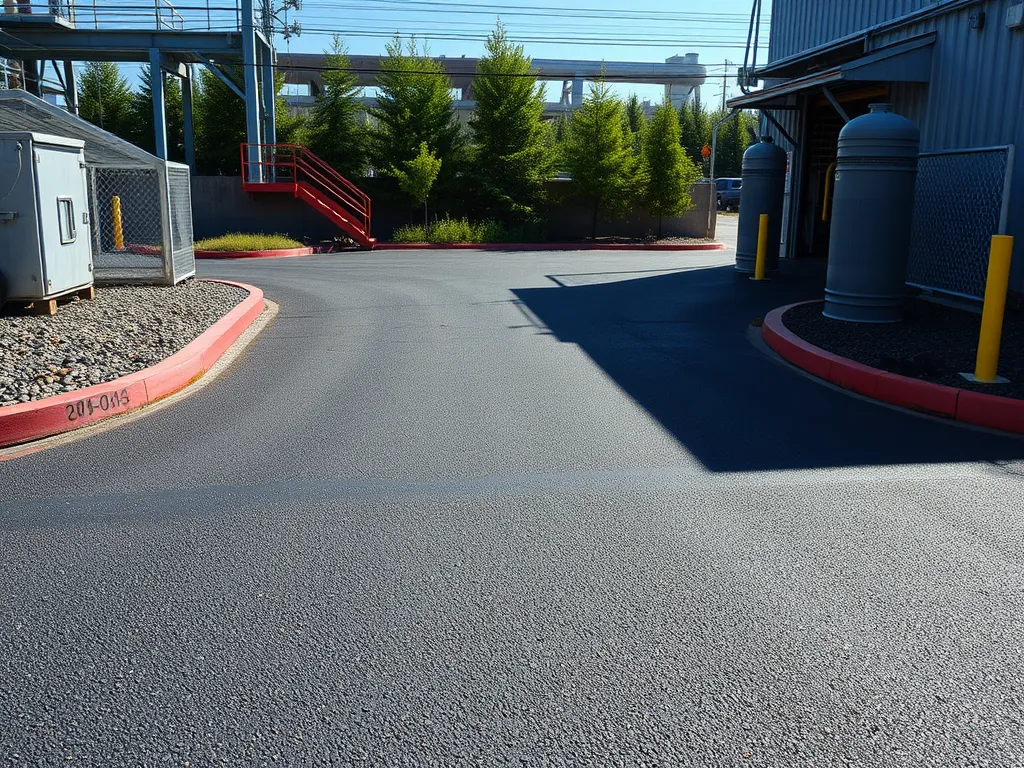
Sealcoating serves dual purposes: preserving structural integrity while boosting visual charm. By shielding against common threats, it keeps driveways looking pristine longer. Let’s explore three key protective benefits tied directly to curb appeal improvements.
Prevents Oxidation and Fading
Sunlight breaks down bitumen, the binding agent in asphalt. This oxidation turns surfaces gray within months. Sealcoating blocks UV rays, slowing this process by 70-80%. The result? Your driveway retains its jet-black finish for years, instantly boosting curb appeal.
Blocks Water Penetration and Freeze-thaw Damage
Water seeping into tiny cracks expands when frozen, creating potholes. Sealcoating fills pores up to 3mm deep, forming a waterproof shield. This stops erosion under the surface, maintaining smoothness. Visitors notice driveways free of cracks and bumps first.
Resists Oil Stains and Chemical Spills
Oil drips leave unsightly marks on untreated surfaces. Sealcoating creates a non-porous layer, giving you 10-15 minutes to wipe spills before staining occurs. Driveways stay spotless, projecting meticulous upkeep that neighbors envy.
With these protective layers in place, timing your treatments correctly becomes vital for sustained results.
Also See: How to Evaluate Resurfacing Options for Your Home
Sealcoating Application and Longevity
Proper timing keeps your driveway looking sharp. Sealcoating works best when applied at set times. This keeps the surface smooth and rich in color.
How Long Does Sealcoating Last on a Driveway?
Fresh sealcoat adds depth to asphalt’s black tone. Its staying power depends on use and care.
2-3 Years for Residential Driveways
Homes see less wear than stores or streets. Two coats every 24-36 months guard against sun fade. This keeps the curb appeal high with less work.
1-2 Years for High-Traffic Areas
Gas spots, tire marks, and foot traffic grind down the seal. Busy lots or steep slopes need resealing every 12-24 months. Fast action stops small flaws from ruining the clean look.
Factors Affecting Sealcoating Frequency
Four things change how often you should seal:
Climate: Hot states with strong sun break down sealants faster. Cold zones with ice need thicker coats to block cracks.
Driveway slope: Steep grades let rain wash off sealant quicker. Flat surfaces hold protection longer.
Sealant type: Coal-tar blends last longer than asphalt-based ones but cost 15-20% more. Low-VOC options dry faster but may need extra layers.
Prep work: Cracks wider than 1/4 inch must be filled first. Skipping repairs cuts seal life by half.
Smart timing saves up to $1.50 per square foot in long-term fixes. Up next: how these choices shape your budget.
Sealcoating Cost Considerations
Budgeting for upkeep plays a role in preserving your property’s visual charm. Let’s break down the financial side of this protective treatment.
Cost Vs. Value: Is Sealcoating Worth It?
Spending $0.15-$0.25 per square foot for professional services keeps your driveway looking sharp. For most homes, this totals $250-$500 per project. Compare this to replacing worn surfaces, which runs $3-$7 per square foot—up to 10x more.
Affordable Maintenance Compared to Repairs
Thin cracks left untreated widen into potholes needing $500+ fixes. Yearly sealing blocks UV rays that degrade binders. Think of it like sunscreen for your pavement: skipping it leads to costly “skin grafts” later.
Impact on Property Resale Value
Homes with freshly sealed driveways sell 7% faster, per National Realtor data. Buyers view jet-black pavement as proof of diligent upkeep. A $400 investment might boost sale prices by $2,000-$4,000 through enhanced curb appeal.
Up next: How eco-friendly options let you protect both your pavement and the planet. Low-VOC formulas now offer durability without harsh fumes.
Environmental Aspects Of Sealcoating
Protecting a driveway’s visual charm involves more than just looks. Modern solutions now align with sustainability goals, balancing curb appeal with planetary care.
Low-voc Sealant Options
Traditional asphalt sealants contain high amounts of VOCs (volatile organic compounds), which can harm air quality. Low-VOC variants cut these fumes by up to 90%, complying with strict air quality standards like those from the U.S. EPA. Brands such as GemSeal and SealMaster offer formulas that dry fast, retain a rich black finish, and limit harm to nearby plants or animals. This mix maintains visual standards without compromising on safety, with costs staying within $0.15–$0.25 per sq.ft.
Reduces Asphalt Degradation Waste
Frequent asphalt breakdown from UV rays, rain, or frost cracks creates debris that often lands in landfills. Annual sealcoating slows this decay, adding 5–7 years to a driveway’s lifespan. Data from the National Asphalt Pavement Association shows recycling rates for asphalt hit 99%, but only if materials stay intact long enough for milling. A smooth, sealed surface cuts repair needs, trimming annual upkeep costs by 35–50% for most homes.
With both air quality and material waste in check, property owners can focus on practical steps for lasting results. Up next: tackling common queries about timing, costs, and long-term gains.
FAQs: Sealcoating and Curb Appeal
How Can I Improve My Driveway Curb Appeal Effectively?
To enhance your driveway’s curb appeal, consider regular sealcoating, keeping it clean of debris and stains, and maintaining the edges with landscaping. A well-sealed driveway not only looks great but also complements the overall aesthetics of your property.
What Makes Sealcoating Essential for Asphalt Driveways?
Sealcoating is essential because it protects asphalt from UV damage, moisture penetration, and chemical spills. It helps maintain the driveway’s appearance, prevents costly repairs, and significantly enhances curb appeal, making your home more attractive to visitors and potential buyers.
Why Use Seal Coat Instead Of Paint or Other Treatments?
Seal coats are specifically designed for asphalt and bond chemically with the surface, providing a durable barrier that paint cannot achieve. Unlike paint, which can peel or fade, sealcoating allows for the natural expansion and contraction of asphalt while still enhancing its visual appeal.
How Often Should Driveways Be Resealed?
Residential driveways typically require resealing every 2-3 years, while high-traffic areas may need resealing every 1-2 years. Factors such as climate, surface preparation, and the type of sealant used can all influence the frequency of application.
Closing Thoughts
Sealcoating is more than just a protective layer; it’s a powerful tool for enhancing curb appeal. By restoring a vibrant, uniform finish, it refreshes your driveway and improves your property’s overall look. Regularly sealing your asphalt not only keeps it visually appealing but also shields it from environmental damage, extending its lifespan.
Investing in sealcoating enhances not just aesthetics but also property value. The cost-effectiveness of this maintenance makes it a smart choice for homeowners looking to maximize curb appeal without breaking the bank.
For more information on sealcoating and how it can improve your driveway, visit Asphalt Calculator USA.
Additional Resources for You:
- Lavin, P. (2003). Asphalt Pavements: A Practical Guide to Design, Production, and Maintenance for Engineers and Architects. London: Taylor & Francis.
- benefits of sealcoating asphalt pavement | For Construction Pros
- Protecting Your Home’s Curb Appeal: The Benefits of Residential Asphalt Sealcoating – XSealer Asphalt Maintenance – asphalt sealcoating in Glen Burnie, MD
- Can Residential Sealcoating Be Customized to Enhance Curb Appeal? – PowerSurge Plus Blog
- Improve Curb Appeal, Sell Your Home Fast with Asphalt Driveway Repair